Note: Body-only HTML in English, ready for web publishing and easy copying.
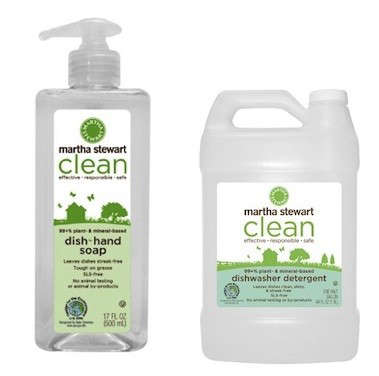
If a bottle of dish soap could wear crisp white linen and somehow know how to arrange peonies, it would probably look a lot like Martha Stewart Clean Dish/Hand Soap. This product came from the Martha Stewart Clean era, a line built around the promise of plant- and mineral-based cleaning, a cleaner ingredient story, and the kind of sink-side styling that makes even dish duty feel slightly more civilized. In other words, it aimed to turn the most ordinary household chore into something a little less grim and a little more graceful.
That idea still lands today. Plenty of people want a dish soap that cuts grease, rinses clean, and does not leave their hands feeling like they have been sanding a deck for fun. They also want something that looks good next to the faucet instead of screaming “industrial lemon laboratory accident.” Martha Stewart Clean Dish/Hand Soap spoke directly to that crowd. It was marketed as tough on grease, gentle enough for frequent use, and polished enough to leave right on the sink rather than hiding under it with the trash bags and existential dread.
So what made this soap stand out? The short answer is that it sat at the intersection of performance, ingredient-conscious cleaning, and Martha Stewart’s signature obsession with making useful things look good. The longer answer is where things get interesting, and yes, a little sudsy.
What Martha Stewart Clean Dish/Hand Soap Was Designed to Be
Martha Stewart Clean Dish/Hand Soap was positioned as more than a basic grease-fighter. It was part of a broader homekeeping philosophy: cleaner formulas, practical packaging, and a quieter aesthetic. Product descriptions emphasized that it was made with more than 99 percent plant- and mineral-based ingredients, came in recyclable packaging, and skipped added colors and heavy fragrance. The brand also highlighted that it was free of sodium lauryl sulfate, commonly abbreviated as SLS, which many shoppers associate with harsher cleansing products.
That matters because dish soap lives a double life. On one hand, it has to break down oil, food residue, and stuck-on cooking messes. On the other, it often spends a lot of time on your skin. Unlike a heavy-duty degreaser you would only grab once in a while, dish soap is the houseguest who never leaves. It is there after breakfast, lunch prep, dinner cleanup, baking projects, and that one pan you swore would “soak itself.” A formula marketed for both dishes and hands has to strike a careful balance.
The product messaging leaned into that balance. It promised streak-free dishes, grease-cutting power, and enough gentleness for everyday hand contact. It was also presented as safe for delicate items like fine china, which is exactly the sort of phrase that makes some people think, “Ah yes, at last, a soap that respects a teacup.”
Why the Ingredient Story Helped It Stand Out
One reason Martha Stewart Clean Dish/Hand Soap felt distinctive was the way it talked about ingredients. Instead of treating the formula like a mysterious blue potion from a bunker under the supermarket, the brand framed it in plain, reassuring terms. Label information associated with the product listed water along with cleansing agents such as sodium cocoyl isethionate, disodium laureth sulfosuccinate, lauramine oxide, stearic acid, trisodium sulfosuccinate, laureth-3, and sodium sulfate.
Now, let us translate that from ingredient-label language into normal human language. This is not a Castile soap with three ingredients and a folk-song backstory. It is still a formulated cleaning product, meaning it uses a blend of surfactants chosen to lift grease, suspend food residue, and help everything rinse away. That is exactly what you want from hand dish soap. The point is not that it contains no chemistry. Everything is chemistry. The point is that the brand tried to choose a formula that felt more responsible, more transparent, and less needlessly harsh than the old-school “strong enough to strip wallpaper” approach.
That positioning also fit the product’s environmental angle. It was tied to EPA Design for the Environment recognition, part of the program now known as Safer Choice. For shoppers, that kind of label tends to mean the product was not just scented nicely and wrapped in green language. It signaled that ingredient review and performance standards were part of the conversation.
Performance at the Sink: Does This Type of Soap Make Sense?
A good dish soap has one basic job: remove food and grease without turning cleanup into a strength-training session. By that standard, the Martha Stewart Clean concept was smart. It offered practical directions: add a couple of pumps to warm water, build suds, wash, and rinse thoroughly. Nothing revolutionary there, but honestly, dish soap should not require a TED Talk.
What it did do well, at least on paper, was combine classic dishwashing logic with a cleaner-feeling formula story. Better Homes & Gardens and The Spruce both reinforce the basics of effective hand-washing: use warm or hot soapy water, wash in a sensible order, and rinse properly. The two-basin wash-and-rinse approach also helps reduce wasted water and keeps dishes from sitting in murky soup that looks like it has seen things. In that kind of routine, a concentrated but not overly aggressive soap makes perfect sense.
The ideal use case for Martha Stewart Clean Dish/Hand Soap is not dramatic. It is everyday life. Think breakfast plates, coffee mugs with that mysterious ring that appears by noon, sauté pans with a little oil cling, salad bowls, serving platters, and the occasional fragile item you would rather not send through the dishwasher. It is the kind of soap you keep next to the sink because you know you will reach for it constantly.
Where It Likely Worked Best
This sort of formula would be especially appealing in a household that values three things at once: effective grease removal, less aggressive fragrance, and a cleaner visual presence on the countertop. It is easy to imagine it doing best in kitchens where hand-washing happens often, whether because of delicate dishes, nonstick pans, sharp knives, wooden utensils, or a preference for washing as you cook.
It also makes sense for people who hate the overly perfumed cloud some cleaners leave behind. A sink should smell clean, not like it is auditioning for the role of “mystical lime thunderstorm.” The Martha Stewart approach was much more restrained.
What About Skin Feel?
This is where the “dish/hand” part of the name really matters. Dish soap can absolutely dry out your hands, especially if you wash dishes often or skip gloves. Cleaning experts and dermatology guidance agree on the big picture: frequent washing can leave skin dry, and even a good cleanser should ideally be followed by moisturizer if your hands are prone to tightness, flaking, or irritation.
Martha Stewart Clean Dish/Hand Soap tried to answer that concern by avoiding SLS and by marketing itself as gentler on hands than harsher conventional formulas. That does not mean it is a hand cream in disguise. It is still soap, and soap still removes oil. But there is a meaningful difference between “cleans effectively” and “feels like your fingerprints just filed for divorce.”
If you wash by hand every day, the smartest routine is simple: use warm rather than scalding water, rinse well, pat hands dry, and apply hand cream afterward. That is not glamorous advice, but it is solid. The best sink-side setup is often a trio: dish soap, a soft sponge or brush, and a hand cream that quietly saves your knuckles.
The Martha Factor: Why Design and Mood Matter
Let us be honest: part of the appeal here was never just the formula. It was the vibe. Martha Stewart has always understood that household essentials do not have to look accidental. A bottle of dish soap is a tiny object, but it sits in one of the most visible work zones in the home. If it looks clunky, cheap, or aggressively branded, it changes the mood of the whole sink area.
Martha Stewart Clean Dish/Hand Soap was designed to look display-worthy. That sounds silly until you realize how many people decant soap into prettier bottles for exactly that reason. A well-designed bottle earns counter space. It can make a sink caddy look intentional rather than improvised. And in a kitchen, visual calm matters more than we admit. The sink is already home to dishes, scrubbing tools, and whatever spoon you forgot to wash after stirring tomato sauce. A bottle that looks composed is doing emotional labor.
This is also why the product still gets remembered. Not every cleaning product earns nostalgia. Most are lucky if we remember not to buy the weird one that smelled like hot melon. But when a household item blends function, aesthetics, and a recognizable lifestyle philosophy, it becomes part of the way people imagine a well-run home.
How It Fits Into a Smarter Cleaning Routine
A product like Martha Stewart Clean Dish/Hand Soap works best when you use it for what dish soap is actually good at. It shines on hand-washed dishes, greasy cookware, quick wipe-downs of food-safe hard surfaces, and the general messes that gather around a hardworking sink. Dish soap can also be useful for certain household jobs beyond dishes, such as tackling greasy splatters on non-porous kitchen surfaces.
But dish soap is not magic, and it is definitely not an all-access pass to every cleaning problem in the house. You should not use regular dish soap in a dishwasher, because the suds can get out of hand fast. You also need to be cautious with specialty surfaces like marble, and you should not confuse routine cleaning with disinfecting. If your goal is to remove food residue and everyday grime, dish soap is a hero. If your goal is to sanitize according to product-specific claims, that is a different category entirely.
In other words, this soap belongs in a thoughtful toolkit, not on a cleaning pedestal with a tiny spotlight and theme music.
Is Martha Stewart Clean Dish/Hand Soap Still a Good Idea Conceptually?
Absolutely. Even beyond this specific product, the formula philosophy still makes sense in today’s market. Consumers still want dish soap that cuts grease, rinses clean, looks nice on the counter, and does not blast the room with an artificial scent cloud. They still care about ingredient transparency, cruelty-free positioning, recyclable packaging, and a safer-chemistry story that feels believable rather than decorative.
That is really the legacy of Martha Stewart Clean Dish/Hand Soap. It helped frame dish soap as something you could evaluate not just by suds, but by the whole experience: how it cleans, how it feels on your hands, how it fits your kitchen, how it aligns with your values, and whether it makes an ordinary task feel a little more dignified.
And that is a very Martha move. Clean the pan, protect the hands, respect the china, and make the bottle look nice while you are at it. Why should the lemons have all the glamour?
Everyday Experiences With Martha Stewart Clean Dish/Hand Soap
Using a product like Martha Stewart Clean Dish/Hand Soap is less about one dramatic “wow” moment and more about the slow realization that your sink routine has become calmer, tidier, and somehow less annoying. The first thing many people notice is the bottle itself. It looks like it belongs on the counter instead of apologizing for being there. That changes the mood of the whole sink area. Suddenly the sponge has a place, the brush makes sense, and the counter does not feel like a temporary disaster zone between meals.
Then there is the actual washing experience. You pump a couple of squirts into warm water, and it behaves the way people want dish soap to behave: enough bubbles to feel satisfying, enough slip to move through a sink full of plates, and enough grease-cutting power that you do not spend half your evening negotiating with a skillet. It is the kind of product that makes cleanup feel steady instead of dramatic. No giant perfume cloud. No weird neon liquid that looks like it belongs in a science fair volcano. Just a straightforward, clean routine.
Another common experience is how it fits into cooking as you go. If you are the sort of person who rinses a mixing bowl while onions sauté or washes the chef’s knife before dinner hits the table, a dish-and-hand formula is genuinely convenient. You use it to wash a cutting board, then to clean your hands after handling garlic, then again to rinse out a measuring cup with sticky honey clinging to the bottom like it pays rent there. That double-duty aspect is part of the appeal. It reduces clutter and keeps the sink from turning into a crowded little chemistry lab of separate products.
People who are sensitive to strong smells also tend to appreciate the quieter experience. Some soaps announce themselves from across the room like an overconfident candle. This kind of formula feels more restrained. Your dishes smell clean, your hands smell clean, and your kitchen still smells like dinner instead of “mountain rain passion citrus turbo.” That may sound like a small thing, but when you use a product several times a day, subtlety becomes a luxury.
There is also a practical comfort factor. Frequent dishwashing can be hard on hands, especially in colder weather or in households that do not rely heavily on a dishwasher. A gentler-feeling soap will not solve everything, but it can make the routine less punishing. Many people pair it with a simple hand cream nearby, and that combination turns sink duty from a skin-drying chore into something much more manageable.
Most of all, the experience is about rhythm. Breakfast dishes, lunch prep, coffee mugs, serving spoons, the pan from dinner, the glass you forgot on the counter. A good sink-side soap becomes part of the choreography of a well-run kitchen. You stop noticing the bottle because it works. You stop resenting the task because it feels easier. And on the best days, you wipe the counter, rinse the sink, and step back to see a little order where there used to be a pile of evidence. That is not just cleaning. That is domestic morale.
Final Thoughts
Martha Stewart Clean Dish/Hand Soap captured a very specific idea of what modern home care should be: effective, more thoughtful about ingredients, easier on the senses, and attractive enough to live in plain sight. It was never just about suds. It was about making one of the most repetitive chores in the house feel cleaner in every sense of the word.
For anyone drawn to that mix of performance, gentleness, and polished presentation, the appeal is easy to understand. A dish soap does not need to be glamorous, but it should pull its weight. This one aimed to do that while keeping the sink area looking composed and your hands a little happier. In the world of homekeeping, that is not trivial. That is the difference between surviving the cleanup and feeling like you have your kitchen together.