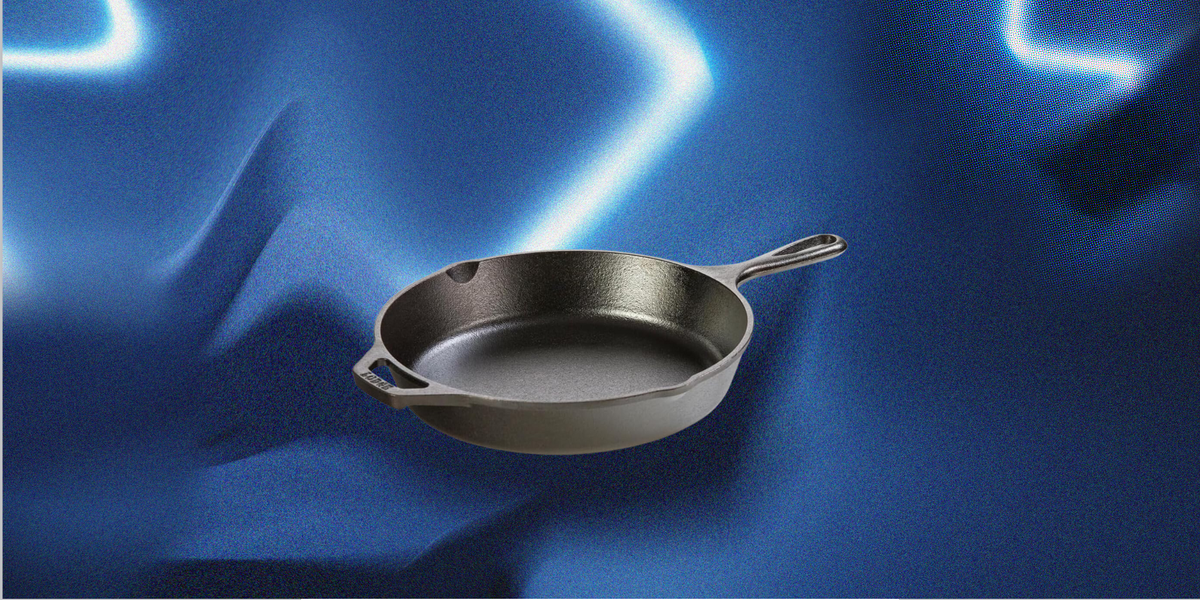
Some cookware arrives in a velvet-lined box and seems to expect applause. The Lodge 10.25-inch n the stove, get me hot, and make dinner.
That straightforward personality is a major reason the classic Lodge skillet has become one of the most recognizable pieces of American cookware. It is inexpensive, heavy, pre-seasoned, made in the USA, compatible with virtually every common cooking environment, and tough enough to survive the sort of kitchen mistakes that would send a delicate nonstick pan into early retirement.
The “$20 pan” description is best understood as a price category rather than a permanent price tag. Depending on the retailer and sale, the classic 10.25-inch model frequently lands in the low-to-mid-$20 range; Lodge itself listed the standard version at $24.90 at the time of this review. That is still remarkably inexpensive for cookware that may remain useful for decades.
t affordability alone does not make a skillet great. So, what does the Lodge do well, where does it frustrate, and should you choose it over a lighter or more expensive cast iron pan? This in-depth Lodge cast iron skillet review breaks down its cooking performance, design, maintenance, value, and the real-life experience of owning one.
Lodge Cast Iron Skillet at a Glance
The classic 10.25-inch Lodge is traditional cast iron in nearly every sense. It has a substantial base, relatively steep sides, dual pour spouts, a long main handle, and a helper handle on the opposite side. It arrives pre-seasoned with vegetable oil, so there is no need to perform an elaborate seasoning ceremony before cooking your first meal.
The skillet can be used on gas, electric, glass-top, and induction cooktops. It can also move into the oven, onto a grill, or over a campfire. That flexibility is the central appeal of cast iron: one pan can fry breakfast, sear a steak, bake cornbread, roast vegetables, and then head outdoors for campsite cooking.
The 10.25-inch model weighs roughly 5.3 pounds. That is not unusually heavy by traditional cast iron standards, but nobody will confuse it with a featherweight aluminum skillet. The heft is part of the performance packageand part of the workout.
ooking Performance: Where the Lodge Earns Its Reputation
Excellent Heat Retention for Serious Searing
The defining strength of a Lodge cast iron skillet is not that it instantly heats with laboratory-perfect uniformity. Cast iron is actually less conductive than materials such as aluminum. Its advantage is thermal mass: once a thick cast iron pan becomes properly heated, it stores a great deal of energy.
That matters when a cold steak, burger, or pork chop hits the cooking surface. A lightweight pan may lose heat rapidly. The Lodge has enough stored heat to keep browning aggressively, helping create the dark, flavorful crust that makes people suddenly speak about “the Maillard reaction” as though they are hosting a science documentary.
Independent cookware tests have repeatedly praised the classic Lodge for searing and browning. Food & Wine has reported strong results with proteins and cornbread, while Good Housekeeping and Southern Living have also ranked the 10.25-inch Lodge highly in cast iron testing. Serious Eats has likewise recommended Lodge as a strong-value performer.
reheating Matters More Than Cranking the Burner
The best results come from patience rather than maximum flame. Because cast iron does not spread heat as quickly as highly conductive cookware, blasting a cold skillet over intense heat can create hot spots before the entire cooking surface catches up.
A better approach is to preheat the Lodge gradually over medium or medium-low heat, allowing the entire mass of iron to warm. Once hot, it can maintain cooking temperatures beautifully. This is especially useful for steak, smash burgers, crispy potatoes, chicken thighs, and other foods that benefit from strong browning.
In other words, the Lodge is less like a sports car with instant acceleration and more like a freight train. It takes a moment to get moving, but once it does, you are not stopping it with a refrigerated pork chop.
urprisingly Good for Baking
The Lodge skillet is also an excellent baking vessel. Cornbread is the classic example because a preheated cast iron surface can create crisp, deeply browned edges while the interior stays tender. The same principle works beautifully for skillet cookies, Dutch babies, cobblers, biscuits, focaccia, and pan pizza.
Its ability to move directly from stovetop to oven is especially useful. You can brown chicken, sauté vegetables, add a sauce, and finish the entire dish in the oven without dirtying another pan. Fewer dishes may not solve every problem in life, but on a Wednesday night, it is close.
How Nonstick Is a Pre-Seasoned Lodge Skillet?
Lodge describes its seasoning as a natural easy-release surface, and the skillet arrives ready to cook. However, buyers should keep their expectations realistic. Factory seasoning is not the same thing as a new PTFE-coated nonstick pan.
A fresh Lodge can release burgers, cornbread, bacon, and many other foods quite well, especially when the pan is properly preheated and enough cooking fat is used. Delicate eggs may require more technique during the early stages of ownership. Some independent reviewers have found the factory surface less slick than expected when brand new, while longer-term tests and users frequently report improved release as additional seasoning develops.
That improvement is one of the pleasures of cast iron. Every successful cooking session can contribute microscopic layers of polymerized oil to the surface. Over time, a frequently used skillet often becomes smoother in performance and easier to cook with.
he Rough Surface: Problem or Non-Issue?
New Lodge cookware generally has a more textured cooking surface than many expensive boutique cast iron pans or polished vintage skillets. Premium brands may machine or finish their interiors to create a noticeably smoother feel.
Does the Lodge texture ruin cooking performance? No. It may affect the initial feel of the pan and can make a brand-new skillet somewhat less slippery than a highly polished competitor, but proper heat control, cooking fat, and developing seasoning matter tremendously.
For most cooks, the rougher finish is a reasonable tradeoff for the price. A premium lightweight cast iron skillet can cost several times more. The Lodge gives you the essential advantages of the material without asking whether your cookware budget has recently inherited money.
Versatility: One Pan, a Ridiculous Number of Jobs
The strongest argument for buying a Lodge cast iron skillet is the range of foods it can handle.
Use it for steaks, hamburgers, bacon, fried eggs, pancakes, roasted chicken thighs, pork chops, sautéed vegetables, crispy potatoes, cornbread, pizza, fruit cobbler, or a giant cookie. It can shallow-fry, roast, bake, sear, sauté, broil, and serve as a rustic presentation dish at the table.
It also works with metal utensils. There is no delicate synthetic coating waiting to be scratched by one enthusiastic spatula. The seasoning may occasionally need attention, but the underlying material is exceptionally durable.
Then there is outdoor cooking. Because the standard skillet has no plastic or wooden components, it can be used on a grill or campfire. That gives the Lodge a versatility that many conventional frying pans simply cannot match.
Design and Handling: Strong, Functional, and Definitely Heavy
The Helper Handle Is Essential
A roughly 5.3-pound empty pan becomes considerably heavier after you add a whole chicken, a deep-dish pizza, or several pounds of vegetables. Fortunately, the 10.25-inch Lodge has a helper handle opposite the main handle.
Using both handles makes moving the skillet much safer and more controlled, particularly when transferring it between the oven and countertop. The helper handle is not decorative. Your wrist will understand this immediately.
Both Handles Get Hot
The skillet is one piece of cast iron, which means heat does not politely stop when it reaches the handle. During extended stovetop cooking and any oven use, the handles can become extremely hot.
A dry oven mitt, thick potholder, or compatible silicone handle cover is therefore highly recommended. A handle cover is convenient on the stovetop, but it should be used according to its temperature limitations and should not automatically be treated as permanent oven gear.
The Pour Spouts Could Be Better
The Lodge includes pour spouts on both sides, which is useful whether you are right- or left-handed. However, multiple independent tests have noted that the classic Lodge spouts are relatively small and may drip when pouring oil or pan juices.
This is a minor weakness rather than a deal-breaker, but competitors with wider spouts can be tidier. Apparently, even nearly indestructible cookware can struggle with pouring without dribbling down its chin.
leaning and Maintenance Are Easier Than Cast Iron Myths Suggest
Cast iron has acquired a strange reputation as cookware that must be maintained according to ancient secret rituals. In reality, Lodge’s basic care guidance is refreshingly simple: wash, dry, and oil.
After cooking, let the pan cool enough to handle safely. Wash it by hand with warm water. Modern mild dish soap is fine, despite the old kitchen myth that one bubble of soap will erase generations of seasoning and anger your ancestors.
For stuck-on food, use a pan scraper, nylon brush, or another appropriate cleaning tool. Avoid soaking the skillet for long periods, and do not put it in the dishwasher. The greatest everyday enemy of bare cast iron is lingering moisture, which can cause rust.
Dry the pan thoroughly after washing. Many cooks place it briefly over low heat to evaporate remaining moisture. Then wipe on a very thin film of oil. The emphasis belongs on very thin; excess oil can become sticky rather than creating a better surface.
hat About Acidic Foods?
Tomatoes, wine, citrus, and other acidic ingredients deserve some caution, especially in a newer skillet with relatively young seasoning. Long acidic cooks can weaken seasoning and may encourage metallic flavors.
That does not mean a drop of tomato sauce will destroy the pan. A well-seasoned skillet can handle many short encounters with acidic ingredients. The practical approach is simply to avoid making a young cast iron pan your first choice for hours of simmering tomato sauce. Stainless steel or enameled cast iron is better suited to that job.
s the Lodge 10.25-Inch Skillet the Right Size?
For many households, 10.25 inches is a versatile middle ground. It is large enough for several servings, a couple of substantial steaks depending on size, a generous batch of vegetables, cornbread, or a skillet dessert without becoming as cumbersome as larger cast iron cookware.
A solo cook may find it roomy but useful. Couples and small households should find it especially practical. Families cooking larger meals may prefer a 12-inch skillet because overcrowding food can reduce browning and cause ingredients to steam.
Lodge itself suggests 10.25- to 12-inch skillets for general dinner cooking, with the 12-inch size being particularly suitable for a family of four. The 10.25-inch model remains easier to store, slightly easier to handle, and a sensible first cast iron skillet.
ros and Cons of the Lodge Cast Iron Skillet
What We Like
- Exceptional value: Few cookware purchases offer this combination of performance and long-term durability for roughly the price of a casual dinner.
- Excellent heat retention: Ideal for deep browning, searing, frying, and crisp edges.
- Outstanding versatility: Works on most cooktops, including induction, and can go into the oven, onto a grill, or over a campfire.
- Pre-seasoned: You can begin cooking immediately and improve the surface through continued use.
- Extremely durable: There is no fragile synthetic nonstick coating to wear out.
- Made in the USA: The classic seasoned line is manufactured domestically.
What Could Be Better
- It is heavy: At approximately 5.3 pounds before food is added, one-handed maneuvering can be uncomfortable.
- The factory surface is textured: It may take time and use before delicate foods release as effortlessly as some buyers expect.
- It requires basic maintenance: Hand-washing, thorough drying, and occasional oiling are part of ownership.
- The handles get hot: Protective handling is essential.
- The pour spouts are modest: Pouring grease or sauce can occasionally produce drips.
Lodge vs. More Expensive Cast Iron Skillets
Spend more money and you can absolutely buy refinements. Premium cast iron pans may be lighter, smoother, more ergonomically balanced, or beautifully machined. Those advantages are real, especially for cooks with limited hand strength or anyone who uses cast iron every day.
What the extra money does not necessarily buy is food that is four, eight, or fifteen times better.
The classic Lodge can produce an outstanding steak crust, beautifully browned cornbread, crisp potatoes, and excellent oven-roasted dishes. Independent cookware tests have repeatedly shown that it can compete with considerably more expensive pans in core cooking tasks. Its weaknesses are primarily about refinement and handling rather than an inability to cook well.
That is why the Lodge remains such a compelling benchmark. Before spending hundreds of dollars on a boutique skillet, a buyer has to answer a difficult question: how much is a smoother surface and lighter body worth to me?
ho Should Buy the Lodge Cast Iron Skillet?
The Lodge 10.25-inch skillet is an excellent choice for beginners who want to learn cast iron cooking without making an expensive commitment. It also makes sense for experienced cooks who simply want a durable workhorse rather than a luxury object.
It is especially well suited to people who regularly sear meats, roast vegetables, bake skillet breads, make one-pan oven dishes, or cook outdoors. It is also attractive to buyers trying to reduce their reliance on cookware with disposable nonstick coatings.
You may want a different pan if weight is a major concern, if you demand effortless egg release from day one, or if most of your cooking involves long-simmered acidic sauces. In those cases, lightweight cast iron, carbon steel, stainless steel, enameled cast iron, or a conventional nonstick skillet may better match the job.
Real-World Ownership Experience: What Living With a Lodge Skillet Feels Like
The most useful way to understand a Lodge skillet is not to imagine one perfect steak cooked under studio lighting. Think about the first several weeks of normal kitchen use.
On day one, the pan feels substantial. You lift it from the box and immediately understand why the helper handle exists. The factory seasoning looks dark and ready, but the surface feels rougher than a polished stainless steel pan. You wash it, dry it, add a small amount of oil, and cook something forgivingperhaps bacon, potatoes, or a burger.
The first lesson is heat management. Turn the burner too high, and the center may become fiercely hot before the outer cooking area fully catches up. Preheat more gradually, and the pan behaves much better. Once you discover that medium heat is often plenty, cast iron becomes less mysterious.
Then comes the steak test. The skillet preheats, a thin layer of oil shimmers, and the meat hits the iron with the kind of sizzle that makes everyone in the next room suddenly interested in dinner. The crust is where the Lodge makes its case. The pan does not feel cheap when it is doing the job it was built to do.
A few days later, perhaps you try eggs and become slightly less impressed. A new pan can be less forgiving here. If the skillet is too cold, insufficiently lubricated, or the eggs are added before the oil is ready, sticking happens. This is usually where new cast iron owners divide into two groups: those who declare the pan defective and those who adjust the heat and try again.
By the second or third week, the routine begins to feel ordinary. Cook. Wash. Dry. Wipe with a tiny amount of oil. The maintenance that once sounded like a second job takes only a few minutes. You stop treating the skillet like an archaeological artifact.
The surface also begins to develop character. It may not look perfectly uniform. Some areas become shinier than others. That is normal for working cast iron. A skillet used for real cooking does not need to look like a piano in a luxury showroom.
One evening, you sear chicken on the stovetop and move the entire skillet into the oven. Another day, you bake cornbread in it. Later, you roast potatoes. This is the moment the Lodge earns permanent cabinet space: instead of being “the cast iron pan,” it simply becomes the pan you reach for whenever serious browning or oven versatility matters.
The weight never disappears. Carrying a loaded skillet across the kitchen with one hand remains a poor idea. The handle never magically stops getting hot. And if you leave the pan wet in the sink overnight, cast iron will remind youwith rust-colored enthusiasmthat it prefers to be dried.
Yet these inconveniences are unusually easy to forgive because the skillet feels permanent. A conventional nonstick pan is often purchased with the assumption that its coating will eventually deteriorate. The Lodge creates the opposite expectation: continued use can make the cooking surface better.
That changes the relationship between owner and cookware. Scratches are not a crisis. A little rust is usually repairable. Imperfect seasoning can be rebuilt. The skillet is not indestructiblecast iron can crack if seriously abusedbut everyday kitchen wear is rarely frightening.
After enough meals, the most memorable thing about the Lodge may be how unremarkable it becomes. It is simply there, ready for Sunday pancakes, Tuesday burgers, Friday pizza, or an emergency giant chocolate-chip cookie. That quiet reliability is arguably more valuable than flashy design.
For around the cost of a few takeout meals, the Lodge offers an unusually satisfying ownership experience: a tool that asks you to learn a little, rewards good technique, and may remain useful far longer than most things currently sitting in your kitchen.
Final Verdict: Is the Lodge Cast Iron Skillet Worth It?
Yes. The Lodge 10.25-inch Cast Iron Skillet remains one of the strongest values in cookware.
It is not the lightest cast iron pan. It is not the smoothest. It does not provide the effortless, maintenance-free slickness of a new conventional nonstick skillet. Its handles get hot, its small pour spouts can drip, and its weight becomes very noticeable when the pan is full.
But those limitations are easy to understand at this price. In return, you get excellent heat retention, powerful searing ability, impressive oven performance, broad cooktop compatibility, a naturally seasoned surface that can improve with use, and the durability to remain in service for decades.
For beginners, it is an affordable introduction to cast iron cooking. For experienced cooks, it is a dependable workhorse. And for anyone wondering whether spending hundreds of dollars is necessary to enjoy excellent cast iron performance, the Lodge provides a wonderfully blunt answer: probably not.
Note: Retail prices change frequently. Although this model is widely known as an “around $20” skillet, the standard 10.25-inch version may sell in the low-to-mid-$20 range or higher depending on the retailer, bundle, finish, and promotion.