Some lighting fixtures whisper. Others shout. Box pleat pendant lamps do something much better: they walk into a room wearing a tailored jacket, a charming smile, and just enough texture to make the ceiling feel like it finally got invited to the design party.
At first glance, a box pleat pendant lamp may sound like something borrowed from a sewing room. That is not entirely wrong. A pleat is a fold, traditionally used in fabric to create rhythm, structure, and movement. In lighting, pleating transforms a basic shade into a sculptural object. Instead of hanging there like a plain bowl of oatmeal, a pleated pendant creates shadows, depth, softness, and personality.
Today, box pleat pendant lamps are especially appealing because homeowners and designers are moving away from flat, sterile interiors. Rooms now want texture, craftsmanship, warmer finishes, layered lighting, and details that feel collected rather than copied from a showroom robot. Whether made from ceramic, linen, paper, metal, or fabric-inspired materials, a box pleat pendant lamp brings shape and mood to kitchens, dining rooms, bedrooms, reading corners, entryways, and even commercial interiors.
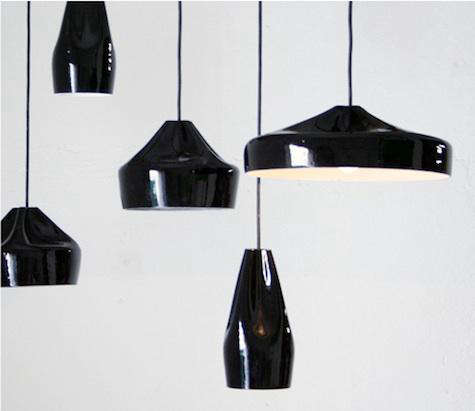
One of the most recognized modern examples is Marset’s Pleat Box pendant, designed by Xavier Mañosa and Mashallah. It applies the idea of digitally designed fabric folds to ceramic, creating a shade that looks soft but is actually solid and architectural. That contrast is exactly why pleated pendant lighting feels so fresh: it blends old-world craft with contemporary design.
What Are Box Pleat Pendant Lamps?
Box pleat pendant lamps are hanging light fixtures with shades shaped by structured folds. In fabric, a box pleat is created when folds move away from each other, forming a broad, crisp panel. In lighting, the phrase often describes pendant shades that feature symmetrical, vertical folds or creases, giving the fixture a tailored, dimensional appearance.
Unlike a smooth drum shade or a simple glass globe, a box pleat pendant lamp plays with light before it reaches the room. The folds catch highlights, create delicate shadow lines, and make the fixture look interesting even when it is turned off. That last part matters. A pendant lamp is not just a nighttime employee. It is visible all day, hanging over your island, dining table, or bedside area like a tiny ceiling sculpture.
The Beauty of Structure
The charm of box pleat lighting comes from balance. It is decorative but not chaotic. It adds texture without shouting, “Look at me, I have a lot going on emotionally.” The geometry feels neat, but the folds soften the overall silhouette. That makes these pendants easy to use in many interiors, from modern farmhouse and transitional spaces to Scandinavian, Japandi, Mediterranean, vintage-inspired, and contemporary homes.
Why Pleats Work So Well in Lighting
Pleats are naturally good at controlling visual rhythm. On a lampshade, each fold breaks up the surface and gives light more character. A white or pale pleated shade can feel airy and elegant. A darker ceramic or metal pleated pendant can feel dramatic and architectural. A gold or warm-toned interior can make the glow feel richer, especially over a dining table or bar where atmosphere matters as much as brightness.
The Design Appeal: Why Box Pleat Pendant Lamps Are Having a Moment
Interior design has been leaning toward warmer, more personal spaces. All-white rooms, ultra-flat finishes, and overly coordinated furniture sets are losing their grip. People want homes that feel alive, layered, and expressive. Pleated pendant lamps fit beautifully into that shift because they offer texture, shadow, and a handmade feeling without overwhelming the room.
They also bridge traditional and modern design. A pleated shade can remind you of vintage lamps, tailored curtains, or classic upholstery, but when translated into a clean pendant shape, it feels updated. That is the sweet spot: nostalgic enough to feel warm, modern enough to avoid looking like it came from Grandma’s attic unless Grandma had impeccable taste, in which case, congratulations to Grandma.
A Modern Classic Example: The Ceramic Pleat Box
The Marset Pleat Box pendant is a useful example of how far the concept can go. Rather than using soft fabric, it turns a fabric-like crease into a ceramic form. The result is an optical surprise: the shade appears folded and pliable, yet it is made from a hard material. Available in multiple sizes and finishes, it can be used alone as a statement or grouped for a more dramatic installation.
Its interiors are commonly offered in white or warm metallic finishes. A white interior keeps the light cleaner and brighter, while a gold-toned interior adds a warmer, more intimate glow. This is one reason pleated pendants work so well above dining areas. They do not merely illuminate dinner; they make the pasta look like it has better lighting than most movie stars.
Best Rooms for Box Pleat Pendant Lamps
Because box pleat pendant lamps combine function and decoration, they are surprisingly flexible. The key is choosing the right size, material, brightness, and hanging height for the room.
Kitchen Islands
The kitchen island is one of the best places to use box pleat pendant lamps. The vertical folds add visual interest above a long surface, while the downward light supports chopping, serving, homework, and the mysterious late-night activity of standing at the counter eating shredded cheese straight from the bag.
For kitchen islands, hang pendants so the bottom of the shade sits roughly 30 to 36 inches above the countertop. Smaller pendants can be grouped in twos or threes, while a larger pleated pendant can work as a single focal point over a compact island. Make sure the fixture does not block sightlines across the kitchen, especially if the island faces a living area.
Dining Rooms
Above a dining table, box pleat pendant lamps create intimacy. A pleated shade softens the transition between ceiling and table, drawing attention to the center of the room. For rectangular tables, consider a row of two or three pendants or a long linear arrangement. For round or square tables, a single statement pendant often looks more balanced.
As a general rule, the bottom of the pendant should hang about 30 to 34 inches above the tabletop. If the ceiling is higher than average, you may raise the fixture slightly, but avoid hanging it so high that it looks lonely. A pendant should feel connected to the table, not like it is trying to escape through the roof.
Bedrooms
Box pleat pendant lamps can replace bedside table lamps, especially in smaller bedrooms where nightstand space is precious. Hanging one pendant on each side of the bed creates symmetry and frees up room for books, water glasses, and the phone charger that somehow always falls behind the furniture.
For bedrooms, choose softer materials, warm color temperatures, and dimmable bulbs. Fabric, paper, or ceramic pendants with diffused light can create a calming effect. Avoid harsh exposed bulbs unless your bedtime goal is “interrogation room chic.”
Entryways and Hallways
An entryway pendant sets the tone for the whole home. A box pleat pendant adds a crafted, welcoming detail without requiring extra floor space. In hallways or walk-through areas, keep at least seven feet of clearance from the floor to the bottom of the fixture when possible. This helps prevent accidental head bumps, which are rarely part of a successful design plan.
Living Rooms and Reading Corners
In living rooms, box pleat pendant lamps work best as part of layered lighting. Combine them with sconces, floor lamps, table lamps, and recessed lighting. The pendant can define a seating area, brighten a reading chair, or create a visual anchor above a coffee table. Pleated shades are especially effective in rooms that need texture but already have enough pattern in rugs, pillows, or artwork.
Materials: From Soft Fabric to Sculptural Ceramic
The material of a box pleat pendant lamp determines its mood, durability, and lighting effect. Each option has strengths, so the best choice depends on where the lamp will be installed and how much light the room needs.
Fabric and Linen
Fabric box pleat shades are soft, classic, and cozy. Linen or cotton pleated pendants diffuse light gently, making them ideal for bedrooms, breakfast nooks, and relaxed living spaces. They bring a tailored look without feeling stiff. The trade-off is maintenance: fabric can collect dust and may not be the best choice above a greasy cooking area unless you enjoy cleaning as a lifestyle brand.
Ceramic
Ceramic pleated pendants are more sculptural. They bring weight, craft, and a handmade feeling to a space. Ceramic shades can appear matte, glazed, earthy, or polished depending on the finish. They are excellent for dining rooms, kitchen islands, and entryways where the fixture doubles as a design statement.
Paper and Fiber
Paper and natural fiber pleated pendants feel airy and organic. They are often lighter in appearance and can work beautifully in minimalist, Japandi, coastal, or bohemian interiors. These materials usually create a soft ambient glow rather than focused task lighting, so they may need support from recessed lights or under-cabinet lighting.
Metal
Metal pleated pendants lean more industrial or contemporary. The folds look sharper, the shadows are stronger, and the fixture often feels more architectural. Metal is durable and easy to clean, making it useful in kitchens and commercial spaces. A warm brass, bronze, or matte black finish can add contrast without feeling too flashy.
How to Choose the Right Size
Size is where many lighting plans go sideways. A pendant that is too small looks timid. A pendant that is too large looks like it is preparing to land. Box pleat pendant lamps already have strong visual texture, so scale matters even more.
Over a dining table, a fixture diameter of about one-half to two-thirds the table width often feels balanced. For rectangular tables, leave enough space at both ends so the pendant does not visually crowd the diners. Over an island, choose pendants that fit within the island’s length and leave breathing room at the edges.
When using multiple pendants, spacing them roughly 24 to 30 inches apart is a good starting point, depending on fixture size. Larger shades need more space. Smaller pendants can sit closer together. Always consider the widest part of the shade, not just the canopy or cord.
Light Quality: Bulbs, Color Temperature, and Dimmers
A beautiful pendant with the wrong bulb is like a great outfit with squeaky shoes. Technically functional, but the mood suffers.
For warm residential spaces, look for bulbs around 2700K to 3000K. This range gives a cozy glow that works well with pleated textures. In kitchens, 3000K can feel clean without becoming cold. In dining rooms and bedrooms, 2700K often feels more flattering and relaxed.
Dimmers are strongly recommended for box pleat pendant lamps. Bright task lighting may be useful while cooking or setting the table, but softer light is better for dinner, conversation, and pretending not to see the dishes. Make sure the bulb and dimmer are compatible, especially with LED lamps.
Also consider glare. Pleated shades with open bottoms can direct light downward, which is excellent for surfaces but uncomfortable if the bulb is exposed at eye level. Choose diffused bulbs, frosted bulbs, integrated LED designs, or shades with deeper profiles when glare control is important.
Styling Ideas for Different Interior Styles
Modern Minimalist
Choose a white, black, or gray pleated pendant with a clean silhouette. Let the folds provide texture while keeping the palette restrained. Pair with natural wood, stone countertops, and simple hardware.
Warm Transitional
Use ceramic or fabric pleated pendants in ivory, cream, taupe, ochre, or terracotta. These tones work well with mixed woods, antique brass, marble, and soft upholstery. The result feels polished but not precious.
Scandinavian and Japandi
Look for paper, linen, or matte ceramic pendants in soft neutrals. Keep the form simple and the light warm. Pair with pale wood, woven textures, and uncluttered surfaces.
Vintage-Inspired
A box pleat fabric shade can lean charmingly retro. Try patterned pleats, scalloped edges, or warm-toned trims if the room can handle more personality. Use with vintage furniture, framed art, and layered textiles for a collected look.
Bold Contemporary
Choose a darker pendant, a metallic interior, or a cluster of pleated fixtures at varying heights. This approach works well in lofts, boutique hotels, restaurants, and homes that are not afraid of a little drama. Drama in lighting is good. Drama in group texts is less ideal.
Common Mistakes to Avoid
The first mistake is hanging the pendant too high. If a pendant floats awkwardly near the ceiling, it loses its relationship with the furniture below. The second mistake is hanging it too low, where it blocks conversation or becomes a forehead hazard. Start with standard height guidelines, then adjust based on ceiling height, shade size, and sightlines.
The third mistake is choosing a shade that is too opaque for the room’s lighting needs. A ceramic or dark metal pendant may provide strong downward light but little ambient glow. That can be perfect over a counter but insufficient as the only light in a large room.
The fourth mistake is ignoring cleaning. Pleats create texture, and texture creates dust opportunities. Fabric shades need gentle vacuuming or dusting. Ceramic and metal shades are easier to wipe down, but their folds still deserve attention. Your pendant should look intentionally pleated, not mysteriously fuzzy.
The fifth mistake is using one lonely pendant where the room needs layers. Pendant lighting works best with other light sources. Recessed lighting, under-cabinet strips, sconces, and lamps help create depth and flexibility.
Buying Tips for Box Pleat Pendant Lamps
Before buying, measure the room, ceiling height, furniture dimensions, and installation location. Decide whether the pendant needs to provide task lighting, ambient lighting, or mainly decorative impact. Review the shade material and interior finish. A white interior generally reflects more light, while a gold or warm-toned interior creates a richer glow.
Check cord length, canopy size, dimming compatibility, bulb type, and whether the fixture is hardwired or plug-in. For kitchen and dining installations, confirm that the pendant can hang at the correct height. If using multiple fixtures, sketch the spacing before ordering. Painter’s tape on the ceiling or counter can save you from expensive “oops” moments.
Experience Section: Living With Box Pleat Pendant Lamps
The real magic of box pleat pendant lamps becomes obvious after you live with them for a while. In photos, you notice the shape. In daily life, you notice the way the folds change throughout the day. Morning light catches one side of the shade. Evening light deepens the shadows. At night, the pendant becomes part lamp, part atmosphere machine.
In a kitchen, a pleated pendant makes the island feel more intentional. Even a simple white kitchen can gain personality from a row of textured shades. I have seen plain counters suddenly look custom because the lighting added rhythm overhead. The pendant does not have to be enormous or wildly colorful. Sometimes the folds alone are enough to make the space feel designed instead of merely installed.
Over a dining table, the experience is more emotional. A box pleat pendant creates a pool of light that makes meals feel centered. It encourages people to gather. A warm interior finish can make wood, bread, flowers, and ceramic dishes look richer. It also makes guests look slightly better, which is a public service. Nobody has ever complained that dinner lighting was too flattering.
In bedrooms, pleated pendants can change the feeling of the room by removing clutter from the nightstand. Instead of two bulky lamps taking up space, suspended shades create a boutique-hotel effect. The trick is softness. Use warm bulbs, dimmers, and shades that diffuse light gently. The goal is calm, not “airport runway beside the pillow.”
Maintenance is part of the experience too. Fabric pleats need more care than smooth glass. A soft brush attachment or microfiber duster helps keep the folds clean. Ceramic and metal versions are easier, but they still collect dust along the ridges. The good news is that the texture is worth it. Smooth fixtures can disappear into a room; pleated pendants keep contributing visually even when the light is off.
Another thing you learn is that pleated pendants are surprisingly adaptable. Change the bulbs, add a dimmer, repaint the room, swap cabinet hardware, or introduce new textiles, and the pendant still belongs. That is because pleats are not tied to one narrow trend. They come from fashion, craft, architecture, and classic lampshade design. They feel familiar and fresh at the same time.
The best experience comes when the pendant matches the rhythm of the room. A small breakfast nook may need one charming pleated shade. A long island may need three. A dramatic entry may call for a larger ceramic piece. When the scale is right, the lamp feels natural, as if the ceiling always knew it needed a little tailoring.
Ultimately, living with box pleat pendant lamps teaches a simple design lesson: texture matters. Light is not just brightness. It is shape, shadow, warmth, proportion, and mood. A pleated pendant handles all of that with elegance and a little wink. It is useful, beautiful, and quietly theatrical, which is more than most household objects can claim unless you count the dishwasher when it starts making that weird noise.
Conclusion
Box pleat pendant lamps are more than decorative lighting. They are texture, structure, craftsmanship, and atmosphere wrapped into one hanging fixture. Their folded forms bring depth to minimalist rooms, warmth to transitional spaces, and sculptural interest to kitchens, dining rooms, bedrooms, and entryways. Whether you choose a soft fabric shade, a handmade ceramic pendant, a paper design, or a crisp metal version, the key is balance: the right size, the right height, the right bulb, and the right amount of glow.
As homes continue moving toward richer, more personal interiors, pleated pendant lighting feels especially relevant. It offers character without clutter and elegance without stiffness. In other words, it is the rare design detail that can make a room look smarter while still making everyone in it feel more comfortable.