Note: This article is written as a responsible SEO news feature based on publicly reported information. The term “Karen” is used here as a viral internet label, not as a legal conclusion, and the article includes the later update that no charges were expected after the public intoxication arrest.
When a Fancy Dinner Turns Into a Viral Firestorm
Every restaurant has a mood. Some nights are candlelight, craft cocktails, and the gentle clink of silverware. Other nights are chaos wearing knee-high boots and holding a phone like it is filming the season finale of a reality show nobody ordered. That is the rough shape of the viral San Francisco restaurant incident that turned an upscale dinner spot into the internet’s latest courtroom.
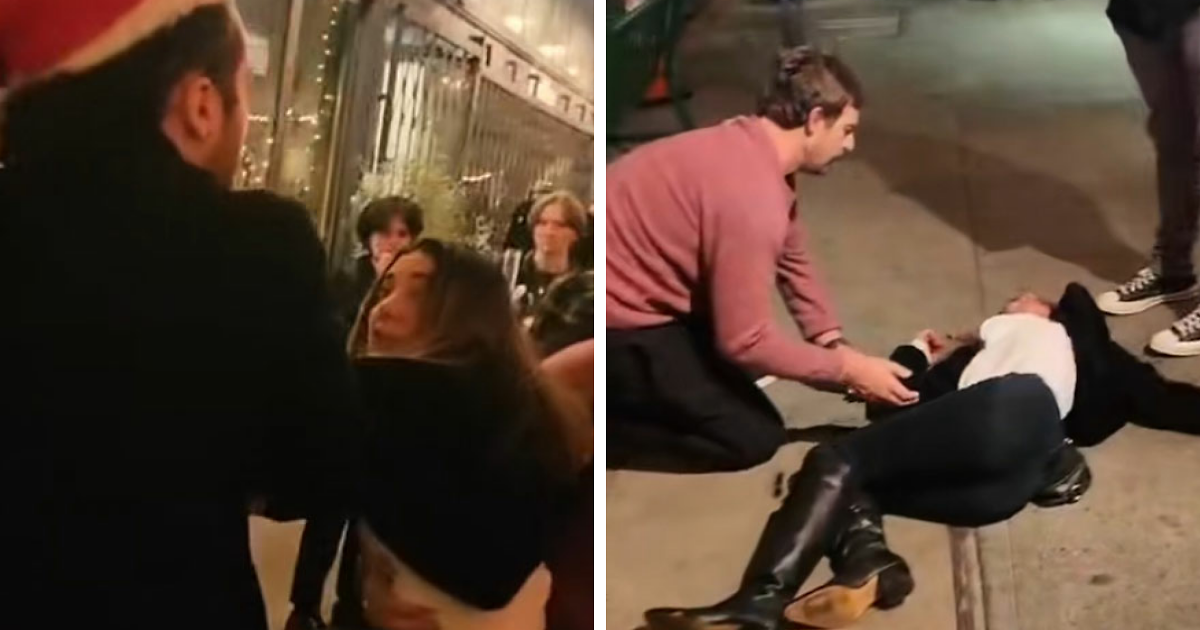
The woman at the center of the video was identified in multiple reports as Shireen Afkari, a former Strava senior manager in growth marketing and retention. The incident unfolded at Hazie’s, a restaurant in San Francisco’s Hayes Valley neighborhood, after staff reportedly decided not to continue serving a couple they believed appeared intoxicated and difficult with employees. What followed was a loud, physical, phone-recorded confrontation that spread across TikTok, Instagram, X, Reddit, and news sites faster than a spilled martini on a white tablecloth.
Online, the label arrived instantly: “Karen.” The word is messy, loaded, and often overused, but it has become internet shorthand for a person who treats service workers like background furniture and rules like optional wallpaper. In this case, the phrase stuck because the video appeared to show a customer escalating after being cut off from alcohol service at a polished, celebrity-chef-connected restaurant. The plot twist, according to reports, was that the woman was not an anonymous cranky diner. She was a tech professional with a high-profile job at a well-known fitness app.
What Reportedly Happened at Hazie’s
According to local reporting, the situation began on a Saturday night in December 2025. Afkari and a male companion arrived at Hazie’s, ordered food and drinks, and soon drew concern from staff. Bartender Miguel Marchese later told reporters that the couple appeared visibly intoxicated and verbally abrasive toward a server. Management reportedly decided they should not be served more alcohol.
That decision matters. In California, bars and restaurants are not supposed to serve alcoholic beverages to a person who is obviously intoxicated. So, while “cutting someone off” may feel dramatic to a customer who thinks the evening deserves one more espresso martini, for hospitality workers it is often a legal, safety, and business decision. A bartender is not being a villain. They may simply be trying to keep everyone from starring in a viral video with terrible lighting.
Footage shared online appeared to show the woman entering areas behind the bar or near staff-only spaces while filming and shouting. The videos then appeared to show physical contact between the woman, restaurant staff, and bystanders. Reports described the altercation as escalating both inside and outside the restaurant, including an incident in which Marchese said his hair was grabbed and pulled while he was trying to remove the woman from the property.
Police later arrested Afkari on suspicion of public intoxication. That detail is important because it is the confirmed legal frame reported after the incident. While online commentary often used words like “assault,” “rampage,” and “attack,” later reporting said the public intoxication arrest was the only charge and that the case was not expected to be referred for prosecution.
The Strava Connection: Why the Internet Pounced
The story might have burned hot for one day and disappeared into the endless buffet of internet chaos. But then came the professional identity reveal. Reports identified Afkari as a senior manager of growth marketing and retention at Strava, the San Francisco-based fitness tracking platform known for runners, cyclists, and people who describe a Saturday hill climb as “fun.”
Strava publicly addressed the matter and said it did not condone violence. The company also confirmed that it had ended the employee’s employment. In the strange math of viral culture, that turned a restaurant disturbance into a broader conversation about workplace reputation, off-hours conduct, and how quickly a personal meltdown can become a career crisis.
There is a reason this detail made headlines. People are fascinated by contrast. A person acting unruly in a restaurant is one story. A polished tech executive, reportedly in a senior growth role, acting unruly in a restaurant is a bigger internet snack. The gap between the LinkedIn version of a person and the TikTok version of a person is where social media loves to set up camp, roast marshmallows, and make 600 comment threads.
Why the “Karen” Label Took Over
The term “Karen” has been used online for years to describe entitlement, public overreaction, and the classic demand to “speak to the manager.” Sometimes the label points to real abuse of workers or misuse of social power. Sometimes it becomes lazy name-calling. Either way, it is now part of the internet’s vocabulary for public behavior that seems rude, privileged, or wildly out of proportion.
In this case, the label attached itself because the viral footage fit a familiar online script: a customer appears angry, staff try to control the situation, the conflict escalates, bystanders film, and the internet supplies instant judgment. The restaurant becomes a stage, the phone becomes the spotlight, and the comments section becomes a jury with zero patience and unlimited snacks.
Still, the smarter takeaway is not simply “watch this person fall apart.” The more useful question is why service workers so often become shock absorbers for public frustration. Bartenders, servers, hosts, bussers, and managers are expected to smile through rudeness, enforce rules without making anyone mad, protect the business, protect guests, and somehow not end up in a viral clip. That is a lot of emotional labor for people who are usually also carrying trays, memorizing orders, and pretending the printer in the kitchen is not screaming at them.
The Legal Update: Arrested, Fired, But Reportedly Not Charged
One of the biggest updates in the story is that officials later said no charges were expected. According to follow-up reporting, San Francisco police confirmed that the arrest was for public intoxication only. Such cases are not typically referred to the district attorney for prosecution when public intoxication is the sole arrest charge. The district attorney’s office reportedly said it had not received a case to review.
That legal update does not erase the video, the workplace consequences, or the public reaction. But it does show the difference between internet punishment and the criminal justice system. Online, consequences can be instant and permanent. Legally, the matter may be treated as a low-level intoxication case and end once the person sobers up. Those two realities can exist at the same time, which is inconvenient for people who prefer their viral stories neatly packaged with a bow and a villain soundtrack.
For publishers, this distinction is crucial. Saying someone was arrested for public intoxication based on reported information is different from saying they were convicted of a crime. Saying staff described the behavior as aggressive is different from declaring every allegation as proven fact. Responsible reporting is not less interesting. It is just less likely to step on a legal rake.
The Fallout Did Not Stop With the Customer
The aftermath also reached Miguel Marchese, the bartender shown in the viral incident. Later reports said he was fired from Hazie’s weeks after the video spread. Marchese said he was told his actions, including tripping the customer during the sidewalk portion of the altercation, made him a liability. He reportedly declined a severance agreement.
This second wave of the story complicated the internet’s original hero-and-villain framing. At first, many viewers cheered restaurant workers for defending themselves and removing disruptive customers. Then came the reminder that businesses often think in terms of insurance, liability, brand risk, and what might happen if lawyers enter the chat wearing expensive shoes.
For hospitality workers, that was the part that hit hardest. Many servers and bartenders saw the video not as entertainment but as an exaggerated version of what they deal with regularly: rude guests, intoxicated guests, guests who film them, guests who threaten complaints, and guests who expect staff to absorb chaos without reacting. The Hazie’s incident became a symbol of how quickly workers can be placed in impossible situations.
Why Restaurants Cut Off Intoxicated Guests
To anyone who has never worked in a bar or restaurant, cutting off a guest may sound simple: stop serving them and ask them to leave. In real life, it can be about as simple as explaining taxes to a raccoon. Intoxicated guests may argue, deny, bargain, charm, threaten, film, or suddenly become legal scholars specializing in imaginary customer rights.
California’s alcohol rules make the issue especially serious. The state’s Alcoholic Beverage Control guidance says alcohol should not be served to an obviously intoxicated person. That means staff are trained to look for signs like slurred speech, impaired coordination, aggressive behavior, or inability to safely care for oneself or others. Once those signs appear, the “one more drink” request is no longer just a request. It can become a risk.
Good restaurants usually try to handle it calmly. Staff may offer food, water, a ride-share suggestion, or a polite but firm refusal. The goal is not humiliation. The goal is safety. But when a guest interprets refusal as personal disrespect, the situation can go from “we are no longer serving alcohol” to “why is someone livestreaming next to the garnish station?” in record time.
The Internet Loves AccountabilityUntil It Becomes a Stampede
The Hazie’s video also highlights a modern truth: the camera is always there. A decade ago, a bad night might have become a story told by employees after closing. Today, it becomes a multi-platform event with captions, edits, reaction videos, slow-motion breakdowns, and strangers investigating job titles before breakfast.
There is a legitimate public-interest argument for filming when workers are threatened or when a public disturbance occurs. Video can document behavior, protect employees, and clarify what happened. But viral exposure also has a dark side. Once someone is identified, the internet can move from accountability to harassment. A person can lose a job, reputation, privacy, and future opportunities before the official facts are fully sorted.
That does not mean people should be free from consequences. It means consequences should be based on facts, proportionality, and context. A viral clip shows a piece of reality, not always the whole movie. In this case, the footage was dramatic, the reported behavior was serious, and the career fallout was swift. But the later no-charges update is also part of the story and should travel with it.
Professional Reputation Now Follows You Everywhere
One of the sharpest lessons from this incident is that professional identity no longer stays neatly inside office hours. Employers increasingly respond to off-duty conduct when it becomes public and appears to conflict with company values. That is especially true in tech, where brands sell trust, community, wellness, and social credibility alongside software.
A growth marketing executive is not just an internal employee. That role often touches user retention, public messaging, customer psychology, and brand voice. When someone in that type of position becomes the face of a viral public meltdown, the employer may see reputational risk. Companies do not love surprise headlines that pair their brand name with “drunken restaurant altercation.” It is not exactly the kind of organic reach the marketing department dreams about.
The lesson is not that everyone must live like a corporate robot who orders sparkling water and speaks only in quarterly objectives. The lesson is simpler: public conduct matters. Alcohol, anger, and smartphones are a dangerous trio. Add a recognizable employer, and the situation can become a career demolition derby.
What This Story Says About Service Workers
The public reaction to the Hazie’s incident revealed a deep well of sympathy for hospitality workers. Many people who have worked in restaurants recognized the body language immediately: the tense attempt to de-escalate, the tired patience, the moment when the situation crosses from annoying to unsafe.
Service workers are often told that the customer is always right. In reality, the customer is sometimes wrong, loud, intoxicated, and trying to enter the kitchen. A healthier hospitality culture would give workers clearer support when they enforce safety rules. It would train teams for de-escalation, provide security plans, document incidents carefully, and avoid leaving individual staff members to improvise during a public conflict.
Restaurants also need policies that protect employees after viral events. If staff are expected to keep guests safe, they need training, backup, and fair review processes when incidents occur. Otherwise, workers may learn the worst possible lesson: you can be attacked at work and still be the one who loses your job.
The Real Takeaway Behind the Viral “Karen” Moment
The headline is spicy because the internet likes spice. A “Karen” at an upscale restaurant. A glamorous tech executive. A viral clip. A firing. A no-charges update. It has all the ingredients of a modern attention storm. But beneath the drama is a practical reminder: public behavior has consequences, and service workers are not emotional punching bags.
The Hazie’s incident is not just about one person’s bad night. It is about the collision between alcohol service rules, hospitality labor, corporate reputation, phone cameras, and the internet’s hunger for instant moral clarity. It is also a reminder that the best way to avoid becoming the main character online is beautifully simple: be kind to staff, accept “no” when alcohol service ends, and leave before your evening requires witness statements.
Experience-Based Lessons: How to Avoid Becoming the Viral Dinner Disaster
Anyone who has spent time in restaurants knows that most nights are normal. People arrive hungry, order drinks, ask whether the fries are good, and leave happy. But every so often, a table becomes a weather system. The mood changes. Voices rise. Staff exchange that silent look that says, “We may have a situation.” The Hazie’s story feels extreme, but the pattern behind it is familiar to anyone who has worked near a bar, hosted a crowded dining room, or watched a friend go from “I’m fine” to “Why is the sidewalk moving?”
The first experience-based lesson is simple: when staff cut you off, do not turn it into a debate tournament. A bartender refusing service is not trying to ruin your night. They are doing their job. In many cases, they are protecting you from yourself, other guests from you, and the business from legal trouble. The dignified move is to pay the bill, drink water, order food if appropriate, and arrange a safe ride home. Nothing says “I have my life together” quite like leaving before strangers start filming.
The second lesson is to respect boundaries inside a restaurant. The bar, kitchen, service station, and employee-only areas are not bonus levels in a video game. Entering those spaces during an argument instantly raises the temperature. Staff may feel threatened, managers may need to intervene, and bystanders may start recording. Even if a guest believes they have been treated unfairly, stepping behind the bar is the fastest way to lose the argument and possibly a shoe.
The third lesson is for friends and dates: intervene early. If the person you came with is escalating, do not stand nearby like a decorative lamp. Help them leave. Speak calmly. Call a ride. Apologize to staff. Pay the check. The best time to prevent a viral disaster is before the first shove, not after the internet has selected a nickname and started identifying employers.
The fourth lesson is for professionals. Your job title will not save you from bad behavior, and it may make the fallout worse. The more visible your career, the more likely people are to connect your public conduct with your employer. That may feel unfair, but it is the world we live in. A phone camera does not care that you have quarterly goals, a polished LinkedIn page, or a team meeting on Monday.
Finally, the human lesson is this: everyone can have a bad night, but not every bad night has to become a public crisis. Humility is the emergency exit. Apologize early. Leave quickly. Do not touch people. Do not grab phones. Do not treat workers like enemies because they enforced a rule. The restaurant staff are not background characters in your evening. They are people doing difficult work, often under pressure, and they deserve basic respect. That is not just good manners. In the smartphone era, it is also reputation management.
Conclusion
The viral Hazie’s restaurant incident shows how quickly a private meltdown can become a public identity crisis. A night out in San Francisco reportedly ended with an arrest for public intoxication, a high-profile firing, a fired bartender, and a long online debate about accountability, service worker safety, and the dangers of being filmed at your worst. The sharpest takeaway is not complicated: alcohol and entitlement are a terrible pairing, especially when every table has a camera. Respect staff, accept limits, and remember that the internet never forgets a scene it can turn into a headline.