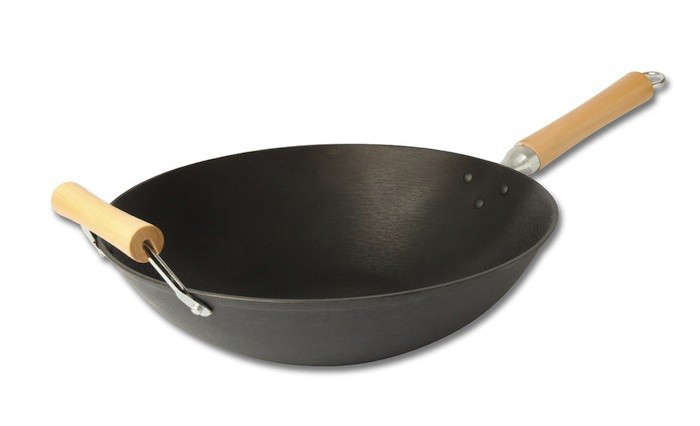
The Joyce Chen 23-0001 Pre-Seasoned Cast Iron Wok is one of those kitchen tools that looks simple at first glance, then slowly starts stealing jobs from half the pans in your cabinet. It is a 14-inch flat-bottom wok made from thinner-gauge cast iron, designed for home cooks who want the heat retention of cast iron without feeling like they are training for a kettlebell competition every time dinner involves broccoli.
Unlike traditional round-bottom woks that often need a wok ring or a powerful gas burner, this Joyce Chen cast iron wok has a flat base, which makes it more practical for typical American kitchens. Gas stove? Fine. Electric coil? Manageable. Glass cooktop? Much more stable than a round-bottom wok. Induction? Cast iron is magnetic, so it is generally compatible, though every induction range has its own personality. Some are friendly. Some behave like they were raised by raccoons.
This article takes a close look at the Joyce Chen J23-0001 wok, including its materials, cooking performance, best uses, care routine, pros and cons, and real-world cooking experience. Whether you are stir-frying beef and broccoli, making fried rice, searing shrimp, or pretending your weeknight vegetables are part of a dramatic cooking show, this wok has a lot to offer.
What Is the Joyce Chen 23-0001 Pre-Seasoned Cast Iron Wok?
The Joyce Chen 23-0001, also listed as the Joyce Chen Professional Series 14-Inch Preseasoned Cast Iron Flat Bottom Wok with Maple Handle, is a cast iron wok built for high-heat cooking. It measures about 14 inches across the cooking surface, with a long maple handle and a smaller helper handle on the opposite side. The flat bottom gives it better contact with modern stovetops, while the sloped sides provide the familiar wok shape that helps move ingredients from hot center to cooler edges.
Its most interesting feature is the 2.5mm-gauge cast iron construction. Traditional cast iron pans are famous for holding heat beautifully, but they can also be heavy enough to make your wrist file a complaint. This wok uses a thinner cast iron body, making it lighter and easier to handle than many standard cast iron pans. That lighter feel matters when you are stirring, lifting, tilting, pouring, or trying not to drop dinner into another dimension.
The wok comes pre-seasoned, which means it has already received an initial oil-baked layer before it reaches your kitchen. That does not make it instantly nonstick like a modern coated pan, but it gives you a head start. With regular use, proper cleaning, and a thin layer of oil after washing, the cooking surface can develop a stronger patina over time.
Key Features at a Glance
14-Inch Flat-Bottom Design
A 14-inch wok is a practical size for most home kitchens. It is large enough to cook a family-sized stir-fry, but not so huge that it turns your stovetop into a wrestling match. The flat bottom improves stability and heat contact, especially on electric, glass, and induction cooktops. It also makes the wok easier for beginners because it sits securely without needing extra accessories.
Pre-Seasoned Cast Iron Surface
The pre-seasoned finish helps protect the wok and gives cooks a usable starting point. However, “pre-seasoned” should not be confused with “maintenance-free.” Cast iron rewards attention. The more often you cook with oil, dry the wok thoroughly, and protect it from moisture, the better the surface becomes.
Thinner, Lighter Cast Iron
The 2.5mm cast iron body gives this wok a useful middle ground. It holds heat better than many thin carbon steel pans but feels less punishing than thick traditional cast iron cookware. That makes it attractive for home cooks who want strong searing power without buying a wok that requires two people and a motivational speech to lift.
Maple Handle and Helper Handle
The long maple handle gives the wok a comfortable grip, while the helper handle makes lifting and pouring easier. This is especially helpful when the wok is full of noodles, vegetables, or rice. As with all cookware used over high heat, the helper handle can become warm, so a towel or mitt is a smart backup.
Why Cast Iron Works Well for Wok Cooking
Wok cooking is all about heat: getting it, keeping it, and using it before the vegetables surrender into soggy sadness. Cast iron is excellent at retaining heat. When cold ingredients hit the pan, a good cast iron wok recovers temperature more steadily than many lightweight pans. That matters when cooking beef strips, chicken pieces, mushrooms, cabbage, or anything else that releases moisture.
The Joyce Chen 23-0001 does not behave exactly like a restaurant wok over a roaring commercial burner. Home stoves simply do not produce the same concentrated heat. But the cast iron body helps compensate by storing thermal energy. Preheating becomes important. Give the wok time to get properly hot before adding oil and ingredients. A rushed wok is just a bowl-shaped disappointment.
The sloped sides also help with cooking control. Ingredients can be pushed up the walls while the center stays hottest. This lets you sear protein first, move it aside, cook vegetables next, and combine everything at the end with sauce. It is a simple technique, but it makes weeknight meals taste more intentional.
Best Uses for the Joyce Chen 23-0001 Wok
Stir-Frying
Stir-frying is the obvious star. The wok shape gives you room to toss vegetables, spread ingredients, and cook quickly. For best results, slice everything before turning on the stove. Wok cooking moves fast, and there is no dignified way to mince garlic while onions are already burning in hot oil.
Fried Rice
This wok is excellent for fried rice because cast iron holds heat well and encourages the rice to toast instead of steam. Day-old rice works best because it is drier and less sticky. Add oil, aromatics, vegetables, protein, and rice in stages. Finish with soy sauce or a simple stir-fry sauce around the edges so it sizzles before mixing in.
Searing Meat and Seafood
Because the Joyce Chen cast iron wok retains heat, it can sear sliced steak, pork, chicken, shrimp, tofu, and mushrooms nicely when properly preheated. Avoid overcrowding. If you dump in too much food at once, the wok temperature drops, moisture collects, and your stir-fry starts auditioning for soup.
Vegetable Dishes
Broccoli, green beans, bell peppers, bok choy, cabbage, snap peas, carrots, and zucchini all work well in this wok. Cut dense vegetables smaller or blanch them briefly before stir-frying. Quick cooking helps preserve texture, color, and flavor.
Beyond Asian-Inspired Cooking
The wok shape is not limited to traditional stir-fries. You can use it for scrambled eggs, sautéed greens, pan-roasted vegetables, shallow frying, burgers, cornbread-style skillet bakes, or even reheating leftovers. Its high sides reduce splatter, which is helpful when cooking bacon or sausage. The wok does not care whether dinner has a passport.
How to Use It for the Best Results
Preheat Slowly and Properly
Cast iron performs best when given a few minutes to heat evenly. Start over medium heat, then increase if needed. Because this wok is thinner than standard cast iron, it heats faster than a heavy skillet, but it still benefits from gradual preheating. Add oil only after the wok is hot, then swirl to coat the cooking surface.
Cook in Batches
The most common wok mistake is overcrowding. A 14-inch wok has good capacity, but it still needs breathing room. For meat, cook in small batches so the pieces brown instead of steam. Remove the first batch, cook the vegetables, then bring everything together at the end.
Use High-Smoke-Point Oils
Choose oils that can handle heat, such as avocado oil, peanut oil, canola oil, grapeseed oil, or refined vegetable oil. Extra-virgin olive oil is better saved for finishing or lower-heat cooking. Butter tastes wonderful, but in a hot wok it can brown quickly and move from “nutty” to “emergency fan situation” in seconds.
Keep Sauces Ready
Wok cooking rewards preparation. Mix sauces in advance and keep them close. A basic stir-fry sauce might include soy sauce, garlic, ginger, a little sugar, rice vinegar, sesame oil, and cornstarch slurry. Add sauce near the end so it thickens quickly without burning.
How to Clean and Maintain the Wok
Cleaning cast iron is not complicated, but it does require consistency. After cooking, let the wok cool slightly, then wash it by hand. Use warm water and a soft sponge or brush. Mild soap is generally fine when needed, especially if the wok is greasy, but avoid soaking it for long periods. Cast iron and standing water are not best friends; they are more like neighbors who keep calling the homeowners association on each other.
After washing, dry the wok immediately and completely. The easiest method is to place it back on the stove over low heat until all moisture evaporates. Once dry, apply a very thin layer of cooking oil to the interior surface. Wipe away excess oil so the wok does not feel sticky. The goal is a barely visible protective film, not a tiny oil swimming pool.
Avoid the dishwasher. Avoid leaving acidic sauces in the wok for a long time. Tomato-heavy sauces, vinegar-based mixtures, and citrus-heavy marinades can affect seasoning if they sit too long. Cooking with acidic ingredients briefly is usually fine, but storage is not the wok’s job. Let containers do container things.
Pros and Cons of the Joyce Chen 23-0001 Cast Iron Wok
Pros
- Flat bottom works well on many home stovetops.
- Pre-seasoned surface gives cooks a useful starting point.
- Thinner cast iron is lighter than many traditional cast iron pans.
- 14-inch size offers generous cooking space.
- Cast iron retains heat well for searing and stir-frying.
- Maple handle and helper handle improve control.
- Versatile enough for rice, vegetables, meat, eggs, and more.
Cons
- Still heavier than many carbon steel woks.
- Requires hand washing, drying, and oiling.
- Pre-seasoning improves with use but is not instantly slick like nonstick coating.
- Cast iron responds more slowly to heat changes than carbon steel.
- Wood handles require care if exposed to oven heat or direct flame.
Joyce Chen Cast Iron Wok vs. Carbon Steel Wok
Many wok enthusiasts love carbon steel, and for good reason. Carbon steel heats quickly, responds fast, and becomes beautifully seasoned with use. It is the traditional choice for many stir-fry cooks. However, carbon steel also requires seasoning and can be intimidating for beginners.
The Joyce Chen 23-0001 cast iron wok offers a different personality. It is steadier with heat and forgiving for searing, but it is not as nimble as a thin carbon steel wok. If you want fast temperature response and frequent tossing, carbon steel may be the better fit. If you want heat retention, stability, and a wok that doubles as a cast iron-style everyday pan, the Joyce Chen cast iron wok makes sense.
Think of carbon steel as the quick sprinter and this cast iron wok as the reliable powerlifter who also makes excellent fried rice. Both have a place. Your stove, cooking style, and patience for maintenance should decide the winner.
Who Should Buy the Joyce Chen 23-0001 Pre-Seasoned Cast Iron Wok?
This wok is a strong choice for home cooks who want a practical flat-bottom wok with cast iron durability. It is especially appealing if you cook on electric, glass, or induction-style surfaces and want a pan that sits securely. It also works well for people who already enjoy cast iron skillets and understand the basic care routine.
It may not be ideal for someone who wants ultra-light cookware or dishwasher-safe convenience. If you want a pan that can be soaked overnight, tossed into the dishwasher, and forgotten until next Tuesday, cast iron will not support that lifestyle. Cast iron is low-tech, not low-responsibility.
For cooks who enjoy building seasoning over time, experimenting with stir-fries, and using one pan for many meals, the Joyce Chen J23-0001 is a satisfying tool. It brings together the shape of a wok and the heat personality of cast iron in a way that suits many American kitchens.
Cooking Ideas to Try First
Garlic Ginger Chicken Stir-Fry
Slice chicken thinly, season lightly, and cook in batches. Remove the chicken, then stir-fry broccoli, bell peppers, and onions. Add garlic and ginger near the end, return the chicken, and finish with a sauce made from soy sauce, rice vinegar, a touch of honey, and cornstarch slurry. The wok’s heat retention helps brown the chicken while keeping vegetables crisp.
Classic Vegetable Fried Rice
Use cold cooked rice, peas, carrots, scallions, egg, and soy sauce. Scramble the egg first, remove it, then stir-fry vegetables and rice. Add sauce around the hot sides of the wok to create aroma before mixing everything together. Finish with sesame oil after turning off the heat.
Crispy Tofu with Green Beans
Press tofu, cut it into cubes, and sear it in oil until golden. Remove it, then stir-fry green beans until blistered. Add garlic, chili flakes if desired, and a savory sauce. Return the tofu at the end so it stays crisp. This is the kind of dinner that makes takeout menus nervous.
Common Mistakes to Avoid
Do not skip preheating. A lukewarm wok leads to sticking and pale food. Do not overcrowd the pan. Too much food creates steam, and steam is the villain of proper stir-fry texture. Do not leave the wok wet after washing. Rust can appear when cast iron is neglected, though small rust spots can often be cleaned and re-seasoned.
Another mistake is expecting the first few meals to perform like a ten-year-old restaurant wok. Seasoning develops gradually. Early on, use enough oil, cook forgiving foods, and avoid delicate items until the surface improves. Fried rice, vegetables, onions, mushrooms, and seared meats are excellent first projects.
Real-World Experience: Living With the Joyce Chen 23-0001 Wok
Using the Joyce Chen 23-0001 Pre-Seasoned Cast Iron Wok feels different from using a standard skillet. The first thing you notice is the shape. The high, sloped sides make cooking feel cleaner and more controlled. When tossing vegetables or stirring noodles, food stays inside the pan instead of leaping onto the stovetop like it has somewhere better to be.
The flat bottom is a major advantage in a regular home kitchen. On a typical electric or glass cooktop, a round-bottom wok can feel unstable, but this Joyce Chen wok sits firmly. That confidence matters when the pan is hot and full. On a gas stove, the flat base still works well, though cooks who crave dramatic restaurant-style flames may prefer a traditional round-bottom carbon steel wok with a powerful burner.
In everyday use, the wok rewards patience. Preheating makes a noticeable difference. When the pan is properly hot, vegetables cook quickly, mushrooms brown instead of leak water, and rice gets those slightly toasted edges that make fried rice taste like dinner instead of leftovers wearing a disguise. If the food sticks, the usual cause is not enough heat, not enough oil, or moving the ingredients too soon.
The weight is manageable but still present. It is lighter than many thick cast iron pieces, but it is not featherweight. For cooks used to nonstick aluminum pans, it may feel substantial. The helper handle becomes important when moving the wok from stove to counter. It gives better balance and makes draining or pouring easier. A towel or mitt is still recommended, because heat has a way of showing up uninvited.
Cleaning becomes part of the rhythm. After cooking, a splash of hot water usually loosens stuck bits. A brush or sponge handles the rest. Drying on the burner is quick and prevents rust. Wiping on a thin coat of oil takes less than a minute. At first, this routine may seem fussy. After a while, it becomes as automatic as locking the door or checking whether the refrigerator light really turns off.
The pre-seasoned coating is helpful but not magical. During the first few uses, eggs and delicate foods may still need extra oil. Over time, the surface becomes darker and smoother if treated well. Cooking onions, scallions, ginger, and oil-rich dishes can help build that seasoning. The wok gradually becomes more personal, like a kitchen notebook written in heat and oil.
One pleasant surprise is versatility. The Joyce Chen cast iron wok can handle stir-fries, but it also works for quick sautés, shallow frying, warming tortillas, crisping dumplings, cooking sausage and peppers, or making a one-pan noodle dish. Its shape makes it easy to move food around, and the cast iron body gives it a sense of reliability. It feels less like a specialty item and more like a pan that keeps asking, “Need me for that too?”
The biggest learning curve is heat control. Cast iron does not cool instantly, so if the wok gets too hot, lowering the burner will not fix the problem immediately. It is better to manage heat gradually and keep ingredients ready. This is especially true for garlic, ginger, and sauces, which can burn quickly on a hot surface. Add aromatics after sturdier ingredients have started cooking, and add sauce near the end.
Overall, the Joyce Chen 23-0001 Pre-Seasoned Cast Iron Wok is best appreciated as a practical, durable, high-heat home cooking tool. It is not a zero-maintenance nonstick pan, and it is not a featherweight professional carbon steel wok. It is something in between: sturdy, versatile, beginner-friendly enough, and capable of getting better with time. For cooks who like the idea of a wok but want the familiar confidence of cast iron, it is a smart and satisfying choice.
Final Verdict
The Joyce Chen 23-0001 Pre-Seasoned Cast Iron Wok is a well-rounded option for home cooks who want strong heat retention, a stable flat bottom, and a more manageable version of cast iron cookware. Its 14-inch size, maple handle, helper handle, and pre-seasoned surface make it useful for stir-fries, fried rice, vegetables, proteins, and plenty of nontraditional wok meals.
It is not perfect for everyone. If you want the fastest heat response or the lightest possible pan, carbon steel may be more appealing. If you want effortless cleanup with no maintenance, modern nonstick cookware may be easier. But if you enjoy cookware that improves with use and can handle serious heat, this Joyce Chen cast iron wok deserves a spot on the stove.
In short, it is a dependable wok with personality. Treat it well, keep it dry, feed it a whisper-thin coat of oil, and it may become one of those pans you reach for even when the recipe never mentioned a wok at all.