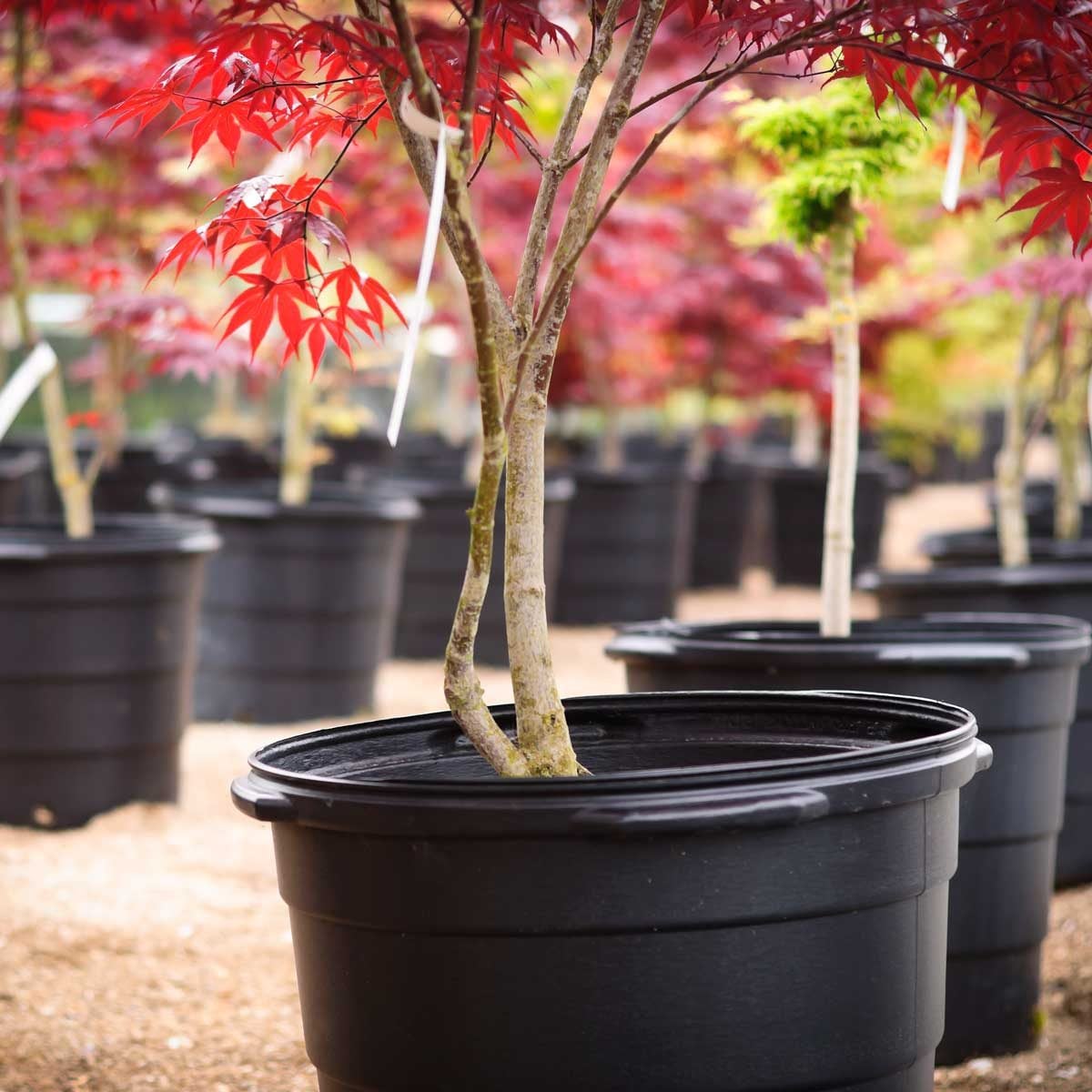
Japanese maple tree care sounds fancy, almost like something that should require a tiny rake, a silk robe, and a lifelong commitment to whispering encouraging haikus at sunrise. Good news: it is much simpler than that. Japanese maples, known botanically as Acer palmatum, are graceful small trees loved for their layered branches, delicate leaves, and fall color that can make the rest of the garden look like it forgot to dress up.
These trees are not impossible to grow, but they do have opinions. Strong opinions. They dislike soggy soil, scorching afternoon sun, drying wind, aggressive pruning, and gardeners who love fertilizer a little too much. Give them the right site, steady moisture, and a calm hand, and a Japanese maple can become the quiet superstar of a front yard, courtyard, patio, woodland border, or container garden.
This guide covers how to plant, water, prune, fertilize, protect, and troubleshoot Japanese maple trees in standard American garden conditions. Whether you are caring for a classic red Japanese maple, a laceleaf variety, a coral bark maple, or a dwarf tree in a pot, the goal is the same: healthy roots, beautiful foliage, and fewer dramatic leaf-browning incidents.
What Makes Japanese Maples Special?
Japanese maples are deciduous ornamental trees or large shrubs. Depending on the cultivar, they may grow as compact dwarf trees under 6 feet tall, elegant weeping specimens around 8 to 12 feet, or upright trees that reach 15 to 25 feet or more over time. They grow slowly to moderately, which is excellent news for small gardens and terrible news for impatient people who check on plants every 14 minutes.
Their biggest attraction is foliage. Leaves may be green, burgundy, red, orange, chartreuse, purple, or variegated, and many cultivars change color dramatically through the seasons. Some have broad palmate leaves, while laceleaf Japanese maples have finely cut foliage that looks like it was designed by a botanical jewelry maker.
Most Japanese maples grow best in USDA Zones 5 to 8, though exact cold and heat tolerance depends on the cultivar and local conditions. In cold regions, winter wind can damage tender branches. In hot regions, summer sun and dry air can scorch leaves. The secret is choosing a variety suited to your climate and planting it where it does not have to fight the weather like a tiny ornamental gladiator.
Best Place to Plant a Japanese Maple
Location is the foundation of Japanese maple care. A perfect watering schedule cannot fully rescue a tree planted in the wrong place. Japanese maples generally prefer morning sun and afternoon shade, especially in warmer parts of the United States. In cooler northern climates, some cultivars can handle more sun if the soil stays evenly moist. In hot southern or western climates, afternoon shade is usually your tree’s best friend.
Light Requirements
The ideal light is bright but gentle. Dappled shade beneath taller trees, east-facing exposure, or a spot with filtered afternoon light often works beautifully. Too much deep shade can reduce leaf color and make the tree look thin. Too much harsh sun can cause crispy brown leaf edges, especially on laceleaf and variegated types.
If your Japanese maple leaves turn brown in midsummer, the tree may not be dying. It may simply be sending a very dramatic complaint letter about heat, drought, wind, or sun exposure. Brown tips and scorched edges are often environmental stress, not a mysterious maple curse.
Wind Protection
Japanese maples have delicate leaves that lose moisture quickly in hot or dry wind. Plant them where fences, walls, larger shrubs, or buildings provide shelter without blocking all airflow. Avoid open, exposed corners where wind tunnels form. If your patio umbrella regularly tries to leave the property, your Japanese maple probably does not want to live there either.
Soil for Japanese Maple Trees
Japanese maples prefer moist, well-drained soil that is rich in organic matter. Slightly acidic soil is ideal, but they can tolerate a reasonable range as long as drainage is good. The phrase “moist but well-drained” appears in garden advice so often that it should probably have its own business card, but for Japanese maples it truly matters.
Heavy clay soil can hold too much water and suffocate roots. Sandy soil may dry too quickly. Compacted soil limits oxygen and root growth. Before planting, improve the entire planting area with compost or organic matter rather than creating one overly rich planting hole. A tree planted in a soft amended hole surrounded by hard compacted soil can behave like it is living in a bathtub. Roots may circle inside the nice soil instead of spreading outward.
Mulch Matters
A 2- to 3-inch layer of organic mulch helps keep roots cool, conserve moisture, and reduce weed competition. Use shredded bark, pine needles, leaf mold, or wood chips. Keep mulch several inches away from the trunk and root flare. Do not build a mulch volcano. Mulch volcanoes are not cute. They trap moisture against bark, invite decay, and make arborists quietly sigh into the distance.
How to Plant a Japanese Maple
The best time to plant a Japanese maple is usually spring or fall, when temperatures are moderate and rainfall is more reliable. Fall planting works especially well in many climates because the tree can focus on root growth before summer heat arrives. In colder areas, spring planting gives the tree a full season to establish before winter.
Step-by-Step Planting Tips
Start by digging a hole two to three times wider than the root ball, but no deeper than the root ball itself. The root flare, where the trunk widens at the base, should sit at or slightly above the surrounding soil level. Planting too deeply is one of the fastest ways to make a Japanese maple unhappy.
Remove the tree from its container and inspect the roots. If roots are circling tightly, gently loosen them with your fingers or make a few shallow vertical cuts in the outer root mass. Set the tree in the hole, backfill with native soil, and water thoroughly to settle the soil around the roots. Do not stomp the soil like you are crushing grapes for a very angry wine. Firm it gently.
After planting, add mulch and water deeply. Staking is not always necessary, but if the tree is top-heavy or planted in a windy area, use flexible ties and remove stakes once the tree is stable.
Watering Japanese Maple Trees
Watering is where many Japanese maple problems begin. These trees like consistent moisture, especially while establishing, but they dislike standing water. The goal is deep, even watering that supports strong roots.
For newly planted Japanese maples, check the soil frequently. During the first couple of weeks, the root ball may need water every day or every other day depending on weather, soil type, and rainfall. After that, watering every few days may be enough until the tree begins establishing. Over the first growing season, gradually shift toward deeper, less frequent watering.
Established Japanese maples usually need supplemental water during hot, dry periods. Water slowly and deeply over the root zone rather than giving the trunk a quick splash. A deep soak encourages roots to grow downward and outward. Shallow watering encourages shallow roots, which are more vulnerable to heat and drought stress.
How to Tell If Your Tree Needs Water
Stick your finger into the soil a few inches deep. If it feels dry, water. If it feels wet and sticky, wait. Leaves that wilt in the afternoon but recover by evening may be reacting to heat. Leaves that remain limp, curl, brown, or drop may signal real water stress. Remember that overwatering can look like underwatering because damaged roots cannot move moisture properly.
Fertilizing Japanese Maples
Japanese maples are not heavy feeders. In many gardens, they need little or no fertilizer if planted in healthy soil with organic mulch. Too much nitrogen can push weak, fast growth that is more vulnerable to pests, disease, winter injury, and wind damage.
If growth is poor and soil testing suggests low fertility, apply a slow-release balanced fertilizer in early spring before new growth fully expands. Avoid fertilizing in late summer or fall, because tender new growth may not harden off before cold weather. Never fertilize a drought-stressed or newly struggling tree as a first response. That is like handing someone a double espresso during a panic attack. Fix the stress first.
Pruning Japanese Maple Trees
Japanese maples look best when pruned lightly and thoughtfully. Their natural shape is part of their beauty, so avoid shearing them into balls, boxes, mushrooms, or anything that resembles a nervous topiary experiment.
Prune to remove dead, damaged, diseased, crossing, or crowded branches. You can also thin small interior branches to reveal the tree’s layered structure. The best time for structural pruning is usually during dormancy, from late fall through winter, when the branch framework is easy to see. Some light corrective pruning can be done in summer, but avoid heavy pruning during hot weather.
Pruning Rules That Save Regret
Use clean, sharp hand pruners or loppers. Make cuts just outside the branch collar, not flush against the trunk. Step back often to study the shape before removing another branch. It is easy to take more off; it is impossible to tape a branch back on and pretend nothing happened.
Young trees should be pruned sparingly. Let them develop their natural framework before making major style decisions. Mature Japanese maples often need less pruning than owners think. In many cases, the best pruning tool is patience.
Growing Japanese Maples in Containers
Dwarf Japanese maples and laceleaf varieties can grow beautifully in containers. This makes them excellent choices for patios, balconies, courtyards, and small gardens. Container growing gives you more control over soil and placement, but it also means the tree depends entirely on you for water and root protection. No pressure, but the pot is basically a tiny kingdom and you are the weather.
Choose a large container with drainage holes. Use a high-quality potting mix that drains well but holds moisture. Avoid garden soil in pots because it can compact and drain poorly. Place the container where the tree receives morning sun, bright filtered light, and protection from hot afternoon exposure.
Potted Japanese maples dry out faster than trees planted in the ground. During hot summer weather, check moisture daily. Water until excess drains from the bottom, then let the top inch or two of mix begin to dry before watering again. In winter, container roots are more exposed to cold, so protect pots in harsh climates by moving them to a sheltered location or insulating the container.
Repot every few years during dormancy, especially if water runs straight through the pot or roots circle tightly. Move up only one container size at a time. A pot that is too large can hold excess moisture around roots.
Common Japanese Maple Problems
Japanese maples are generally manageable, but they can show stress quickly. The leaves are honest. Sometimes too honest.
Brown Leaf Edges
Brown tips or margins are often caused by leaf scorch. Common triggers include hot afternoon sun, dry soil, drying wind, reflected heat from walls or pavement, root stress, or fertilizer burn. Improve watering, refresh mulch, provide shade, and avoid feeding during stress. Damaged leaves will not turn green again, but healthier new growth can return the following season.
Wilting Branches
Sudden wilting on one branch may indicate root problems, drought stress, physical damage, or a disease such as verticillium wilt. Verticillium wilt is soil-borne and can cause branch dieback in maples. Prune out dead wood, sterilize tools between cuts, maintain tree vigor, and avoid injuring roots. If symptoms spread quickly, contact a local extension office or certified arborist.
Pests
Aphids, scale insects, spider mites, and Japanese beetles may feed on Japanese maples. Healthy trees can tolerate some pest activity, but heavy infestations weaken the tree. Look for sticky honeydew, fine webbing, speckled leaves, bumps on stems, or chewed foliage. Start with the least aggressive control: spray pests off with water, prune heavily infested twigs, encourage beneficial insects, and use horticultural oil or insecticidal soap when appropriate.
Winter Injury
Cold wind, sudden temperature swings, and late spring frosts can damage Japanese maple buds and young leaves. Planting in a protected spot helps. Avoid late-season fertilizer, which encourages tender growth. In colder zones, choose hardy cultivars and protect container plants from freezing roots.
Seasonal Japanese Maple Care Calendar
Spring
Inspect for winter damage, water during dry spells, apply compost or slow-release fertilizer only if needed, and refresh mulch. Watch new leaves for frost damage, aphids, or early signs of stress.
Summer
Focus on moisture and heat protection. Water deeply during dry weather, keep mulch in place, and monitor for leaf scorch, mites, and scale. Avoid heavy pruning and strong fertilizer during extreme heat.
Fall
Enjoy the color show. Continue watering if autumn is dry, especially for newly planted trees. Fall is also a good planting season in many regions. Clean up fallen leaves if disease has been an issue.
Winter
Prune for structure during dormancy if needed. Protect container trees from severe cold. Check that mulch remains around the root zone but away from the trunk.
Best Companion Plants for Japanese Maples
Japanese maples pair beautifully with shade-loving and woodland plants. Good companions include hostas, ferns, hellebores, astilbe, heuchera, hakone grass, moss, dwarf conifers, azaleas, rhododendrons, and spring bulbs. Choose plants with similar moisture and light preferences. Avoid aggressive groundcovers that compete with shallow feeder roots.
A Japanese maple can be the focal point of a quiet garden corner. Add a stone path, a bench, and a few soft-textured plants, and suddenly your yard looks intentional instead of “we bought plants during a weekend mood swing.”
Conclusion: The Secret to Japanese Maple Tree Care
The secret to Japanese maple tree care is not complicated: choose the right site, protect the tree from extremes, water deeply, mulch properly, prune lightly, and do not overfeed. Most problems come from environmental stress rather than a lack of effort. In fact, too much effort can be the problem. Japanese maples appreciate attention, but they do not want to be micromanaged.
Think of your Japanese maple as a refined guest with simple needs: a comfortable seat out of the harsh sun, a steady drink, breathable soil, and no one attacking its branches with hedge shears. Meet those needs, and it will reward you with graceful structure, glowing seasonal color, and the kind of garden presence that makes people stop and say, “Wow, what tree is that?”
Experience Notes: What Caring for a Japanese Maple Teaches You
After spending time with Japanese maples, many gardeners learn that these trees are less “high maintenance” and more “highly communicative.” They tell you what is wrong. They just do it in leaf language. A little browning at the edges says, “This afternoon sun is rude.” Drooping leaves say, “Could we discuss water?” A thin canopy may be whispering, “Too much shade, my friend.” Once you learn to read those signals, Japanese maple care becomes much less mysterious.
One of the most useful experiences is learning not to panic at the first crispy leaf. Japanese maples can look dramatic in late summer, especially after hot wind or a dry week. A beginner may rush in with fertilizer, extra pruning, or daily shallow watering. Usually, the better response is calmer: check soil moisture, improve mulch, water deeply, and reduce stress. The tree does not need a full rescue opera every time a leaf gets crunchy.
Another lesson is that planting location matters more than almost anything. A Japanese maple placed against a west-facing wall may struggle because reflected heat bakes the leaves and dries the soil. The same cultivar planted on the east side of a house, where it receives morning light and afternoon shade, may look completely different. Gardeners often blame themselves when the real problem is simply that the tree was seated at the worst table in the restaurant.
Container-grown Japanese maples teach an even sharper lesson: pots dry fast. A tree in the ground can reach outward for moisture, but a potted tree has only what the container provides. In July and August, especially on a patio, that pot can become surprisingly hot and dry. Checking moisture by touch becomes a habit. Over time, you learn that watering on a strict calendar is less reliable than observing the soil, weather, and tree.
Pruning is another area where experience brings restraint. Many new owners want to shape their Japanese maple immediately. The better approach is to watch the tree through a full year. Notice how the bare branches look in winter, how leaves fill in during spring, and which branches naturally create graceful layers. The goal is not to impose a shape but to reveal the one already forming. The best Japanese maple pruning often looks like nothing happened, only the tree somehow became more elegant.
Finally, caring for a Japanese maple teaches patience. These are not instant shade trees. They grow slowly, change subtly, and reward consistency. You may not notice daily progress, but after a few seasons the tree becomes part of the garden’s personality. It anchors a corner, frames a path, softens a wall, or glows in fall like it has been saving up applause all year. That is the real pleasure of Japanese maple tree care: not forcing beauty, but creating the conditions where beauty can take its sweet, leafy time.
Note: Japanese maple performance varies by cultivar, region, soil, and microclimate. For serious pest, disease, or dieback problems, consult a local cooperative extension office or certified arborist before applying chemical treatments.