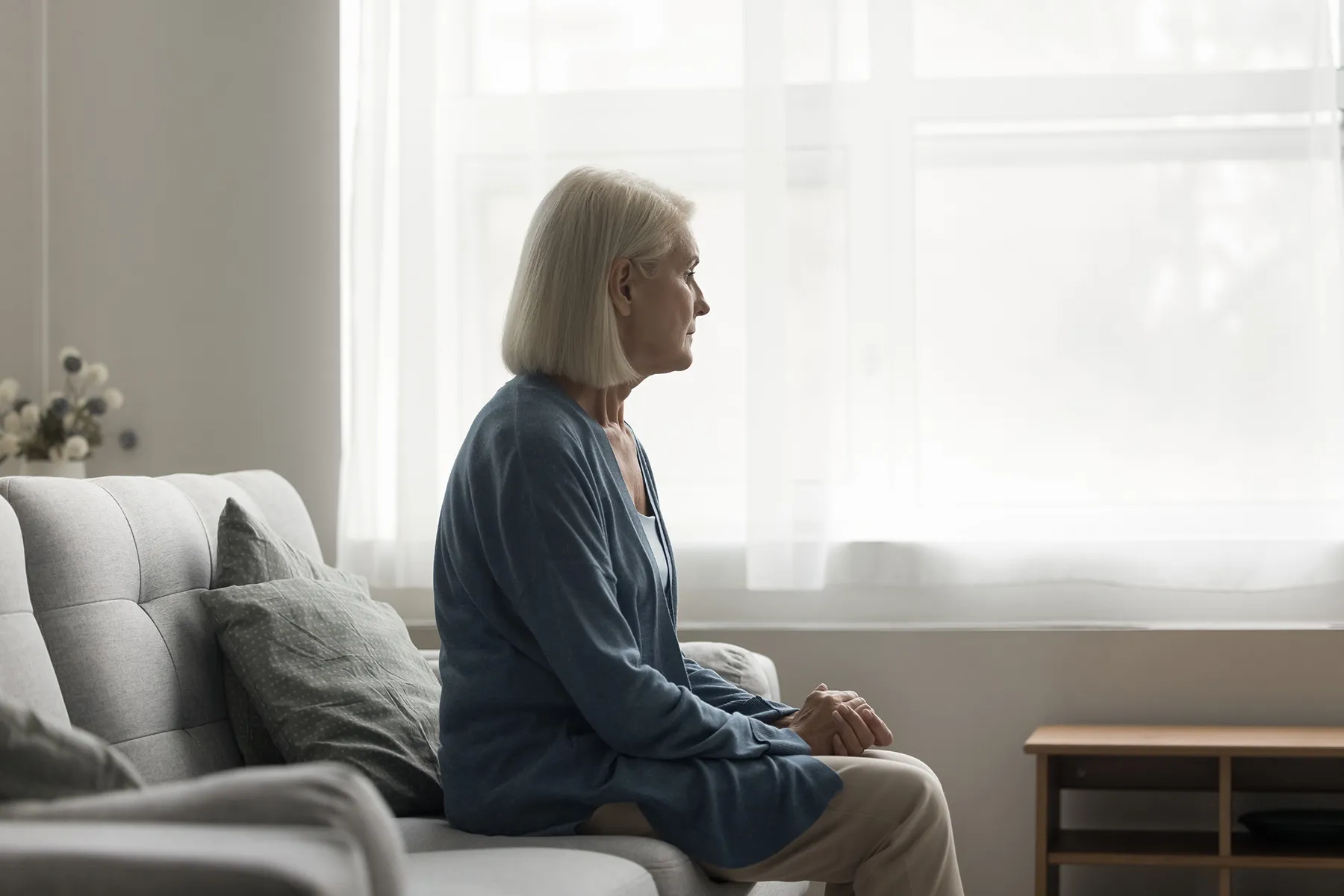
If you live with chronic obstructive pulmonary disease, or COPD, you may have asked the question quietly while catching your breath after climbing stairs, walking to the mailbox, or arguing with a stubborn jar of pickles: Is COPD disease stability possible for me? The hopeful answer is yes, stability is possible for many people with COPD. The honest answer is that stability does not mean your lungs magically return to factory settings. COPD is a long-term lung condition, not a software update with a “restore defaults” button.
Still, stable COPD is a real and meaningful goal. It means fewer flare-ups, steadier breathing, better daily function, and a treatment plan that helps you live more confidently. For some people, stability means walking farther without stopping. For others, it means fewer urgent care visits, better sleep, less panic when symptoms change, or simply knowing what to do on a bad breathing day. That may not sound glamorous, but neither is breathing through a straw during a grocery run. Stability matters.
This guide explains what COPD stability means, what affects it, how treatment can help, and how real-life habits can support better control. It is written for patients, caregivers, and anyone who wants practical answers without needing a medical dictionary and a gallon of coffee.
What Does COPD Disease Stability Mean?
COPD disease stability usually means your condition is not actively getting worse in obvious ways. Your symptoms are predictable, your breathing is not declining quickly, and you are not having frequent COPD exacerbations, also called flare-ups. A stable period may include your usual shortness of breath, cough, or mucus, but those symptoms are not suddenly escalating like a drama series finale.
In practical terms, stable COPD may look like this:
- Your breathing feels close to your normal baseline.
- You are not having repeated flare-ups.
- Your cough, mucus, and wheezing are not increasing.
- You can do your usual daily activities with planned pacing.
- Your medications are helping and you know how to use them correctly.
- Your oxygen level, if monitored, stays within the range your clinician recommends.
Stability does not mean you never feel short of breath. It means your COPD is better controlled. Think of it like managing a garden in hot weather. You may still have weeds, but with steady care, the tomatoes do not stage a rebellion.
Can COPD Be Cured?
COPD cannot currently be cured, but it can often be treated and managed. That difference matters. A cure would erase the disease. Management aims to reduce symptoms, prevent flare-ups, improve quality of life, and slow the loss of lung function as much as possible.
COPD includes conditions such as emphysema and chronic bronchitis. These conditions damage airways and lung tissue, making it harder for air to move in and out. Because some of this damage is permanent, the goal becomes smart control: protect the lung function you have, reduce inflammation and irritation, avoid triggers, and keep your body strong enough to handle daily life.
The encouraging part is that many people with COPD can improve how they feel. A person may not change the diagnosis, but they can change the pattern of symptoms, activity level, hospital visits, confidence, and daily routine. That is where COPD stability becomes more than a medical phrase. It becomes a plan.
The Main Factors That Affect COPD Stability
1. Smoking and Ongoing Lung Irritants
If you smoke, quitting is one of the most powerful steps you can take for COPD disease stability. This is not a moral lecture. Your lungs are not keeping a scorecard labeled “naughty.” But smoke continues to irritate and damage the airways, and stopping exposure can help slow disease progression.
Secondhand smoke, vaping, dust, chemical fumes, wildfire smoke, strong fragrances, and workplace irritants can also worsen symptoms. Your lungs may have strong opinions about scented candles named “Mountain Volcano Cupcake.” Listen to them. Reducing exposure to triggers can make your baseline more predictable.
2. Flare-Up Prevention
A COPD flare-up is a period when symptoms suddenly worsen beyond your normal day-to-day pattern. You may notice more shortness of breath, more coughing, thicker or discolored mucus, more wheezing, fever, fatigue, or reduced ability to do usual activities. Flare-ups are important because they can speed up lung-function decline and increase the risk of hospitalization.
Preventing exacerbations is a major part of stable COPD management. Your healthcare provider may recommend maintenance inhalers, rescue medication, vaccines, pulmonary rehabilitation, oxygen therapy if needed, and a written COPD action plan. The goal is to catch changes early, before a “slightly worse morning” becomes a “why am I in the emergency department?” afternoon.
3. Correct Inhaler Use
Inhalers are common COPD treatments, but they only work well if the medicine reaches the lungs. That sounds obvious, yet inhaler technique is a sneaky troublemaker. Some devices require a slow deep breath, others require a fast forceful inhalation, and some work better with a spacer. Using the wrong technique is like mailing a package to the right city but forgetting the street address.
Ask your doctor, pharmacist, nurse, or respiratory therapist to watch you use your inhaler at least once. This simple check can make a real difference. Also ask which inhaler is your daily maintenance medication and which is your rescue inhaler. They are not interchangeable, even if they both look like tiny plastic spaceships.
4. Pulmonary Rehabilitation
Pulmonary rehabilitation is one of the most useful tools for living better with COPD. It usually combines supervised exercise, breathing techniques, education, energy-saving strategies, nutrition guidance, and emotional support. It is not “just exercise.” It is more like COPD school, fitness coaching, and confidence training in one practical package.
People often avoid activity because breathlessness feels frightening. Unfortunately, avoiding movement can weaken muscles, and weaker muscles make everyday tasks feel harder. Pulmonary rehab helps break that cycle. You learn how to move safely, breathe efficiently, pace yourself, and trust your body again.
How Doctors Measure COPD Stability
Your clinician may use several tools to understand whether your COPD is stable. These can include symptom questionnaires, spirometry, oxygen saturation checks, exacerbation history, medication review, imaging in selected cases, and discussions about activity level. The most useful information often comes from your daily life: How far can you walk? Are you waking up short of breath? Are you using your rescue inhaler more often? Are you skipping activities because breathing feels uncertain?
Spirometry is a key test for diagnosing COPD and measuring airflow limitation. It can show how much air you can forcefully exhale and how quickly. However, numbers are only part of the story. Two people with similar lung-function test results may feel very different depending on fitness, anxiety, other health conditions, weight, muscle strength, sleep, and flare-up history.
That is why stable COPD care should be personal. Your “stable” may not look exactly like someone else’s stable. The goal is not to win a lung-function beauty contest. The goal is to live as well as possible with the lungs you have.
Signs Your COPD May Be Stable
You may be moving toward COPD disease stability if your symptoms have become more predictable and manageable. Signs may include fewer flare-ups, less need for rescue medication, improved stamina, better sleep, fewer missed plans, and less anxiety about breathing changes.
For example, imagine someone named Mark. A few months ago, Mark stopped halfway up his driveway every day, used his rescue inhaler frequently, and avoided family outings. After quitting smoking, joining pulmonary rehab, learning proper inhaler technique, and following a COPD action plan, he still has COPD. He still gets short of breath. But now he walks the driveway with one planned pause, recognizes early flare-up signs, and has not needed urgent care in months. That is stability. Not perfection. Progress.
Warning Signs That COPD Is Not Stable
Call your healthcare provider if you notice symptoms that are worse than your normal baseline. These may include increased breathlessness, more wheezing, more coughing, a change in mucus color or amount, fever, chest discomfort, swollen ankles, confusion, unusual sleepiness, or a sudden drop in activity tolerance.
Seek urgent medical care if you have severe trouble breathing, blue lips or fingernails, chest pain, fainting, confusion, or symptoms that do not improve with your prescribed rescue plan. COPD can change quickly during infections or flare-ups, so it is better to be the person who called early than the person who tried to “tough it out” while their lungs were clearly filing a complaint.
Your COPD Stability Plan: What Helps Most?
Quit Smoking and Avoid Smoke Exposure
If you smoke, ask for help quitting. Nicotine replacement, prescription medicines, counseling, quitlines, and support groups can improve your chances. Many people need several attempts. That does not mean failure; it means nicotine is annoyingly persistent. Every attempt teaches you something.
Take Maintenance Medicines as Prescribed
Long-acting bronchodilators, inhaled corticosteroids for selected patients, combination inhalers, and other COPD medicines may be used depending on your symptoms and flare-up risk. Do not stop maintenance medication just because you feel better unless your clinician tells you to. Feeling better may be proof the plan is working, not proof you no longer need it.
Keep a Rescue Inhaler Available
A rescue inhaler may help during sudden symptoms. Make sure you know when to use it, how often is too often, and when increased use means you should call your doctor. If your rescue inhaler has become your new best friend, your maintenance plan may need review.
Get Recommended Vaccines
Respiratory infections can trigger COPD exacerbations. Ask your healthcare provider about flu, COVID-19, pneumococcal, RSV, and other vaccines recommended for your age and health status. Vaccines are not a bubble shield, but they can reduce the risk of severe illness. Your lungs deserve fewer surprise attacks.
Use a Written COPD Action Plan
A COPD action plan tells you what to do when you are in your usual zone, when symptoms worsen, and when emergency care is needed. It may include medication steps, when to call your provider, and warning signs to watch. Keep it somewhere visible. The refrigerator is popular because it already holds other important life documents, such as takeout menus and suspicious magnets.
Practice Breathing Techniques
Pursed-lip breathing can help some people slow breathing and reduce air trapping. The basic idea is to breathe in through the nose and breathe out slowly through pursed lips, as if gently cooling soup. Diaphragmatic breathing may also help certain patients. A respiratory therapist can teach you which techniques fit your condition.
Stay Active, But Pace Yourself
Physical activity can strengthen the muscles that support breathing and daily movement. The key is pacing. Break tasks into smaller steps, sit when needed, exhale during effort, and plan rest before exhaustion hits. You are not being lazy. You are being strategic. Even superheroes take dramatic pauses.
Eat for Energy and Breathing Comfort
Nutrition matters with COPD. Some people lose weight because breathing takes extra energy. Others gain weight because activity becomes harder. Large meals may make breathing feel more difficult by crowding the diaphragm. Smaller balanced meals, enough protein, hydration, and limiting excess sodium may help. A dietitian can personalize advice, especially if you have heart disease, diabetes, kidney disease, or weight changes.
Can Oxygen Therapy Help Stability?
Oxygen therapy may be prescribed if your blood oxygen level is too low. Not everyone with COPD needs oxygen, and oxygen is not used simply because someone feels short of breath. Your clinician may check oxygen levels at rest, during sleep, or with activity. If prescribed, oxygen should be used exactly as directed.
Oxygen safety is serious. Do not smoke around oxygen, and keep it away from flames or flammable materials. Oxygen itself is not explosive, but it helps fire burn faster. In other words, oxygen and cigarettes are not a quirky roommate pairing. They are a danger.
The Emotional Side of COPD Stability
COPD is physical, but it can also affect mood, confidence, relationships, and identity. Breathlessness can trigger anxiety. Anxiety can make breathing feel worse. Then breathing feels scarier, and the loop continues. This cycle is common and treatable.
Support groups, pulmonary rehabilitation, counseling, breathing coaching, and honest conversations with loved ones can help. Tell your healthcare provider if you feel depressed, panicky, isolated, or afraid to leave home. Mental health is not a side dish in COPD care. It is part of the main meal.
Questions to Ask Your Healthcare Provider
To build a better COPD stability plan, consider asking:
- What is my current COPD severity and flare-up risk?
- Which inhaler is my maintenance medicine and which is my rescue medicine?
- Can you check my inhaler technique?
- Would pulmonary rehabilitation help me?
- Do I need oxygen testing during sleep or activity?
- Which vaccines should I receive?
- What should my COPD action plan say?
- When should I call you, and when should I seek emergency care?
Bring a symptom diary if possible. Track breathlessness, cough, mucus, rescue inhaler use, sleep, activity, and triggers. A simple notebook can reveal patterns that memory misses. Memory is useful, but it also forgets where it put the car keys.
Real-Life Experiences: What COPD Stability Can Feel Like
Living with COPD stability is often less dramatic than people expect. It may not feel like a sudden transformation. It may feel like tiny wins stacking up quietly. One person may notice they can shower without needing as long to recover. Another may realize they walked through the grocery store without gripping the cart like it was a life raft. Someone else may sleep through the night without waking up coughing. These changes may seem small to outsiders, but to a person with COPD, they can feel enormous.
Many patients describe the first stage of stability as learning their “normal.” Before that, every cough or breathless spell can feel mysterious and frightening. Once they understand their baseline, they can tell the difference between a regular COPD day and a possible flare-up. That knowledge creates confidence. Instead of thinking, “Something is wrong and I do not know what to do,” they can think, “This is my yellow zone. I need to follow my action plan and call my provider if it continues.” That shift alone can lower panic.
Another common experience is learning to pace without feeling defeated. At first, pacing can feel like surrender. People may think, “I used to do this all at once.” Over time, many discover that pacing is not giving up; it is getting things done with fewer breathing penalties. Folding laundry in two rounds, sitting while chopping vegetables, using a rolling cart, or resting before leaving the house can preserve energy for what matters. COPD stability often comes from these humble adjustments. They are not glamorous, but neither is running out of breath while wrestling a fitted sheet.
Pulmonary rehabilitation is also a turning point for many people. Patients often arrive nervous, embarrassed, or convinced they cannot exercise. Then they learn that breathlessness can be monitored, managed, and improved with training. They meet other people who understand the awkwardness of coughing in public or needing to stop during a walk. That social piece can be powerful. COPD can feel isolating, and pulmonary rehab reminds people they are not the only ones negotiating with their lungs every morning.
Family experiences matter too. A spouse, adult child, or friend may want to help but not know how. Sometimes they overprotect, which can make the person with COPD feel fragile. Other times they underestimate symptoms because the person “looks fine.” A written action plan helps everyone. It turns vague worry into clear steps. It also reduces arguments such as, “Should we call the doctor?” because the plan already answers that question.
Stability may still include bad days. Weather changes, infections, poor sleep, stress, or air pollution can stir up symptoms. The difference is that stable COPD gives you tools. You know your medicines. You know your triggers. You know when to rest and when to call. You know that one rough morning does not automatically mean everything is falling apart. That emotional steadiness is part of disease stability too.
Perhaps the most important experience is realizing that COPD stability is not a personality test. If symptoms worsen, it does not mean you failed. COPD is complex, and flare-ups can happen even when you do many things right. The goal is not perfect control every day. The goal is fewer surprises, faster responses, and a life that feels less controlled by breathlessness. Stability is possible when care becomes proactive instead of reactive, and when the plan fits the personnot the other way around.
Conclusion: Is COPD Disease Stability Possible for You?
Yes, COPD disease stability may be possible for you, especially with a personalized treatment plan, regular follow-up, correct inhaler use, smoking cessation if needed, pulmonary rehabilitation, vaccination, trigger avoidance, and a written action plan. Stability does not mean COPD disappears. It means your symptoms, activity, and flare-up risk are managed as well as possible.
If you are newly diagnosed, stability may begin with education and small daily habits. If you have lived with COPD for years, stability may mean reviewing your medications, joining pulmonary rehab, preventing infections, and acting earlier when symptoms change. Either way, you are not powerless. COPD may be chronic, but your plan can be active, flexible, and surprisingly effective.
Talk with your healthcare provider about what stable COPD should look like for you. Your lungs may not write thank-you notes, but with steady care, they may make everyday life a little easierand that is worth celebrating.