Note: This original SEO article is written in standard American English and synthesizes public information about Squill’s one-panel plant comics, houseplant facts, webcomic culture, and the craft of gag cartooning.
When Houseplants Become Roommates With Punchlines
Some comic ideas arrive like lightning. Others arrive more like a snake plant: quietly, stubbornly, and probably while sitting in the corner of the room pretending it does not need water. That is the charm behind this series of one-panel comics starring a snake plant and a goosefoot plant. The setup is delightfully simple: take two plant characters, give them personalities, add a tiny human-style problem, then let the pun photosynthesize.
The original comic collection, shared by artist Squill, was inspired by friends who were passionate about plants. That small creative seed grew into a series built around plant-based jokes, expressive character design, and the kind of gentle absurdity that makes webcomics so easy to share. The post appeared on Bored Panda in September 2021 and featured 16 works with titles such as “Strange Odors,” “Moisture In The Air,” “Unearthed Secrets,” and “Staying Still.”
At first glance, a one-panel comic may seem easier than a full comic strip. There is only one image, right? No dramatic page turns, no complicated backgrounds, no 12-panel emotional monologue about a cactus with commitment issues. But that single frame has to do nearly everything at once. It needs a setting, a mood, a joke, a surprise, and characters readable enough that viewers understand them before their thumb scrolls away. In other words, the one-panel comic is not “less comic.” It is comic concentrate.
Why Snake Plants And Goosefoot Plants Make Perfect Comic Characters
The Snake Plant: Stiff, Stylish, And Secretly Dramatic
The snake plant, currently classified as Dracaena trifasciata and formerly known as Sansevieria trifasciata, is famous for its upright, sword-like leaves and reputation as a durable indoor plant. Missouri Botanical Garden describes it as a stemless evergreen perennial native to tropical western Africa, with stiff, sharply pointed leaves that often grow in striped, architectural patterns.
That visual identity is cartoon gold. A snake plant already looks like it has opinions. Its leaves stand up like a row of suspicious eyebrows. It is tall, pointy, calm, and slightly intimidating in the way only a houseplant can be. In a comic, that makes it a wonderful “straight man” character: the serious one, the dry one, the plant who has seen things from the windowsill and refuses to gossip unless properly fertilized.
The Goosefoot Plant: Soft Shapes, Big Personality
The goosefoot plant is commonly associated with Syngonium podophyllum, also known as arrowhead plant, arrowhead vine, American evergreen, and goosefoot. NC State Extension describes it as a tropical perennial shrub or vine in the Araceae family, often desired indoors for its low-maintenance green or variegated leaves and cascading habit.
Compared with the snake plant, the goosefoot plant brings a softer, rounder, more expressive look. Its leaves can suggest hands, faces, flustered gestures, or leafy jazz hands during an emotional crisis. Put these two plants together and you get instant contrast: sharp versus soft, upright versus trailing, stoic versus squishy. That contrast is the secret compost of character comedy.
The Magic Of One-Panel Plant Comics
One-panel comics work because they trust the reader. The artist does not have much room to explain. Instead, the entire joke has to bloom in a snapshot. The Library of Congress collection policy recognizes single and multi-panel cartoons as part of the broader history of comics and cartoon art, while modern webcomics have expanded how quickly these compact visual jokes can reach audiences.
In plant comics, the joke often begins with an ordinary houseplant truth: too much water, not enough light, weird smells, dramatic repotting, suspicious growths, or that one person who insists every plant is “easy” right before creating a botanical crime scene. Squill’s series leans into this everyday plant-parent universe but adds a surreal twist: the plants have conversations, misunderstand each other, and behave like tiny leafy coworkers trapped in an office called “the pot.”
That is why these comics feel friendly rather than forced. The humor is not mean. It is punny, slightly strange, and very aware that plant lovers are already half-convinced their houseplants have emotional lives. Anyone who has apologized to a pothos after forgetting to water it for two weeks is the target audience. And yes, the pothos remembers.
Here Are 16 Of The Best Works From The Snake And Goose Plant Comics
1. Strange Odors
“Strange Odors” is a strong opener because it turns a common household mystery into a plant joke. Every room has had that moment: something smells odd, everyone looks innocent, and the houseplants remain suspiciously silent. The title alone suggests a comic built on awkward blame, tiny embarrassment, and the universal fear that your indoor jungle may be judging your cleaning schedule.
2. Moisture In The Air
Plants care deeply about humidity, which makes “Moisture In The Air” a perfect setup. A goosefoot plant tends to enjoy more moisture than a snake plant, so the joke naturally writes itself: one character is thriving in the dampness while the other is acting like the room has become a swamp with Wi-Fi.
3. Unearthed Secrets
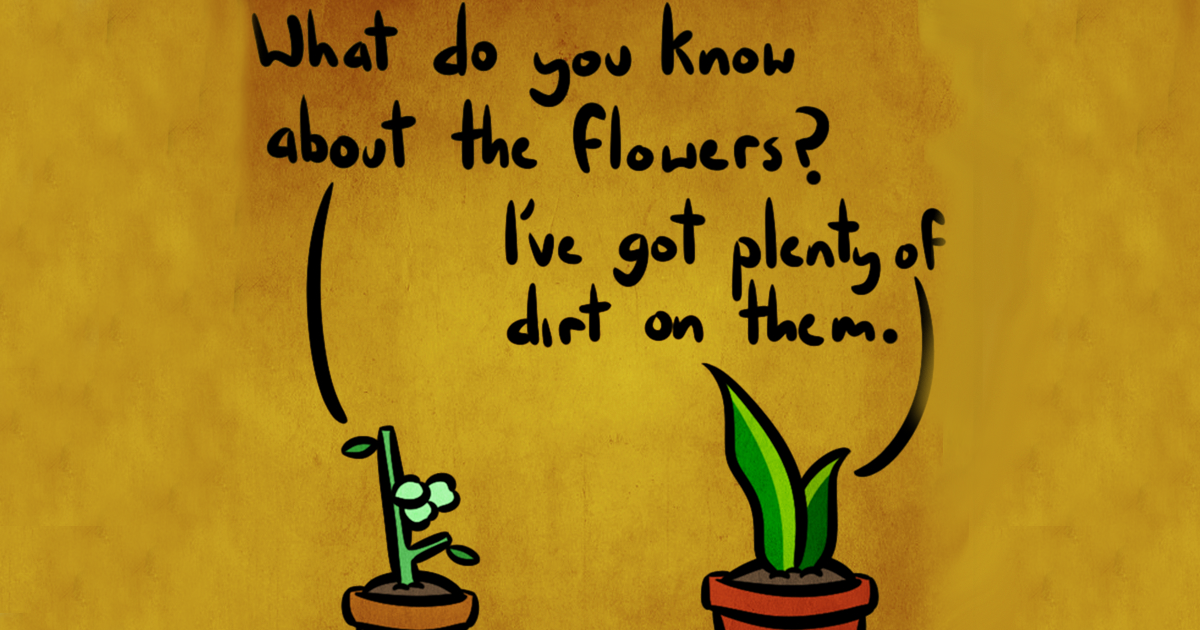
“Unearthed Secrets” uses one of the best plant words available: unearthed. It promises gossip, dirt, roots, and possibly a dramatic reveal from inside the pot. The humor likely comes from treating soil like a diary. Plants cannot run away from their past; it is literally packed around their roots.
4. Discussing Height
Height jokes work beautifully with these characters because snake plants grow upright and sword-like, while goosefoot plants often have a different, more sprawling personality. A conversation about height becomes more than measurement. It becomes confidence, insecurity, and leafy body language in one panel.
5. Strange Symptoms
Every plant parent has Googled a symptom and immediately assumed disaster. Yellow leaf? Root rot. Brown tip? Underwatering. Droopy stem? Emotional betrayal. “Strange Symptoms” taps into that anxious care routine and turns plant health into comic drama.
6. Being Supportive
“Being Supportive” is a sweet title with a built-in double meaning. Plants may need stakes, trellises, moss poles, or friendly encouragement. People need support too, although most of us prefer it without twist ties. A one-panel comic can make that comparison instantly charming.
7. Music Genres
Plant comics become especially funny when they wander outside gardening and into human culture. “Music Genres” suggests the plants debating sound, taste, and identity. The best part is imagining a snake plant as a fan of something severe and angular while the goosefoot plant vibes to whatever playlist has the most rain sounds.
8. Checking Out
“Checking Out” could point to shopping, attraction, observation, or the slow mental exit we all perform during long conversations. In a plant comic, even the phrase becomes flexible. Are the plants looking at another plant? Leaving the store? Mentally clocking out? The ambiguity gives the gag room to sprout.
9. Keeping It Fresh
Freshness is a funny concept for plants because it can mean health, style, smell, or produce-section energy. “Keeping It Fresh” sounds wholesome, but the best one-panel jokes often twist wholesome language into something slightly ridiculous. A plant trying to stay fresh is relatable; a plant overthinking freshness is comedy.
10. Sobriety Test
With “Sobriety Test,” the humor likely comes from applying a human rule to a plant body. How does a plant walk in a straight line? It cannot walk at all. That is the joke’s engine: one-panel comics often succeed by taking a familiar phrase and placing it where it absolutely does not belong.
11. New Changes
Plants change slowly, which makes “New Changes” funny before the punchline even arrives. A tiny new leaf can feel like a major life event. Plant parents photograph it from six angles, announce it like a birth, and whisper, “You’re doing amazing, sweetie,” to a pot on a shelf.
12. Making Friends
“Making Friends” adds social comedy to the plant world. Plants grouped together on a windowsill already look like a tiny community meeting. Some are cheerful. Some are dramatic. One is definitely there because it was rescued from a clearance rack and now has trust issues.
13. Tough Trees
“Tough Trees” expands the joke beyond houseplants into plant stereotypes. Trees are big, old, and sturdy, which makes them ideal comic tough guys. A tiny potted plant reacting to a tough tree is like a housecat meeting a lion and saying, “We are basically the same.”
14. Investment Opportunity
“Investment Opportunity” is funny because plants and money share vocabulary: growth, returns, roots, branches, and getting in early. The plant world is basically Wall Street if Wall Street involved more terracotta and fewer shoes.
15. Growths
“Growths” works because it sounds both botanical and alarming. In a plant context, growth is good. In a medical context, it makes everyone sit up straight. The title creates tension, then the comic can release it with a leafy punchline.
16. Staying Still
“Staying Still” is a perfect closer because plants are champions of stillness. They do not chase trends. They do not run errands. They do not reply to emails. They simply exist, absorb light, and somehow make humans feel guilty for not being calmer.
What Makes These Comics So Shareable?
The internet loves characters that are simple enough to understand instantly but flexible enough to keep surprising us. A snake plant and a goosefoot plant meet that requirement beautifully. Their silhouettes are readable, their personalities can contrast, and their world is small enough to feel cozy. This is important for webcomic SEO and reader engagement: recognizable characters encourage repeat visits, while short jokes encourage social sharing.
Single-panel cartoons also reward clarity. A good panel does not make readers study it like a tax document written by a raccoon. It gives them just enough visual information to understand the scene, then lets the caption or dialogue deliver the twist. The New Yorker’s cartoon submission guidance emphasizes originality, clear captions, and a personal sense of humor rather than imitation, which is exactly why niche comics often stand out online.
Another reason this series works is that plant ownership has become a lifestyle language. People do not just own snake plants; they name them, move them closer to the window, worry about their leaves, and say things like “he’s being dramatic” about a living organism in a ceramic frog pot. These comics understand that emotional connection and gently exaggerate it. The result is cozy absurdity: a comic universe where plants are roommates, therapists, rivals, patients, musicians, investors, and occasionally suspects.
How Plant Puns Become Real Character Comedy
Plant puns are easy to make and hard to make well. “Leaf me alone” is a classic, but use it too often and readers will start pruning your comment section. The best puns in a comic do more than swap one word for a plant word. They reveal something about the characters.
For example, if the snake plant makes a dry joke, that fits its drought-tolerant reputation. If the goosefoot plant becomes emotional about humidity, that fits its softer tropical vibe. If both plants argue about “growth,” the word can mean physical growth, personal growth, financial growth, or the suspicious lump on a stem. That layered meaning gives a one-panel joke more life.
Plant puns also work because they are disarmingly harmless. Nobody clicks a comic about goosefoot plants expecting emotional devastation. The reader arrives relaxed, which makes the punchline land more easily. The stakes are low, the characters are cute, and the humor feels like a small green snack for the brain.
Experience: What I Learned From Making One-Panel Comics About A Snake Plant And Goosefoot Plant
Making these one-panel comics taught me that the smallest ideas often have the deepest roots. At the beginning, the concept seemed almost too simple: two plant characters, one panel, one joke. But simplicity can be a sneaky little vine. It climbs into every part of the process. If there is only one panel, every expression matters. Every leaf angle matters. Every empty space matters. Even the pot can become part of the joke if it leans the right way.
The first experience was learning to listen to the characters instead of forcing the joke. The snake plant naturally became more upright, dry, and deadpan. It looked like the kind of character who would say one devastating sentence and then return to photosynthesis. The goosefoot plant felt more curious, softer, and easier to fluster. Once those personalities became clear, the writing became smoother. The characters started suggesting jokes. That sounds dramatic, but any cartoonist knows the moment when a drawing suddenly begins arguing back.
The second lesson was that plant humor works best when it begins with real plant behavior. Overwatering, humidity, repotting, weird growth, leaf changes, and light requirements are familiar to plant owners. When a comic exaggerates those details, readers feel included. They recognize the truth under the silliness. A joke about moisture is funnier when you know some plants love humidity while others react like they have been personally attacked by soup.
The third lesson was restraint. A one-panel comic cannot carry too much furniture. If I added too many background objects, the joke got buried. If the caption explained too much, the panel felt tired. If the pun arrived wearing tap shoes and shouting its own name, it stopped being funny. The best version usually came after cutting something: a word, a prop, an extra facial detail, or a second joke trying to hitchhike on the first one.
The fourth lesson was that recurring characters create a relationship with readers. After a few panels, people do not simply read the joke; they return to see how the snake plant and goosefoot plant will react this time. That is the quiet power of webcomic characters. They become tiny friends who live in the audience’s mind, rent-free, which is impressive because most houseplants at least require a windowsill.
The final lesson was to keep the tone generous. These comics are not about mocking plant lovers. They are about celebrating the strange tenderness of caring for green things that never say thank you but still make a room feel better. They are about noticing how much personality can fit into a leaf, a pot, and a pun. And if a comic makes someone smile, send it to a friend, or look at their own snake plant and whisper, “You would absolutely do this,” then the joke has done its job.
Conclusion
“I Make One Panel Comics Starring A Snake And Goose Plants, And Here Are 16 Of My Best Works” is more than a cute title with excellent plant energy. It is a reminder that great webcomic ideas do not need huge casts, complicated plots, or cinematic explosions. Sometimes all they need is a snake plant, a goosefoot plant, a pot full of dirt, and a pun that refuses to be repotted.
These 16 comics show why one-panel humor remains so effective online. The format is quick, visual, and instantly readable, but it still leaves room for personality. By pairing real plant traits with human situations, Squill’s plant comic series turns ordinary houseplant care into a tiny stage for friendship, awkwardness, wordplay, and leafy chaos. For readers who love funny comics, plant puns, digital art, or houseplants with imaginary social lives, this series is a cheerful little greenhouse of jokes.