Madagascar does not ease visitors into the relationship. It grabs them by the imagination, introduces them to a lemur with the eyes of an overcaffeinated cartoon character, and then drives them past rice terraces, red hills, tropical forests, limestone cathedrals, and trees shaped like enormous bottles. By the time the sun sets behind a row of baobabs, resistance feels pointless.
Located in the Indian Ocean off Africa’s southeastern coast, Madagascar is the world’s fourth-largest island. Yet calling it an island feels almost inadequate. Its long geographic isolation produced wildlife, plants, landscapes, and cultural traditions so distinctive that naturalists and travelers often describe it as the “eighth continent.” That nickname is poetic rather than geological, but after traveling through the country, it makes perfect emotional sense.
I expected Madagascar to be beautiful. I did not expect it to feel like several worlds stitched together by red roads, warm hospitality, spectacular biodiversity, and a national talent for turning even a routine journey into a full-length adventure.
Why Madagascar Is Called the Eighth Continent
Madagascar’s unusual natural history began with separation. The landmass was once part of the ancient supercontinent Gondwana. After breaking away from Africa and later separating from the Indian landmass roughly 88 million years ago, Madagascar remained isolated for an immense stretch of evolutionary time.
That isolation acted like nature’s private laboratory. Species arrived, adapted, diversified, and followed evolutionary paths found nowhere else. Today, an exceptionally high percentage of Madagascar’s mammals, reptiles, amphibians, and plants are endemic, meaning they occur naturally in no other country.
This is why a walk through a Malagasy forest can feel less like visiting another nation and more like landing on another planet. The island has lemurs instead of monkeys, tenrecs instead of familiar insect-eating mammals, fossas instead of large African cats, and an astonishing collection of chameleons that appear to have been designed by an artist who refused to use normal settings.
The “eighth continent” nickname also recognizes the island’s variety. Madagascar contains eastern rainforests, western dry forests, southern spiny thickets, central highlands, mangroves, mountains, wetlands, coral reefs, and broad savannas. It is not one landscape. It is a geographic variety pack, and somebody apparently ordered the deluxe edition.
A Country That Changes Every Few Hours
The Central Highlands
Many journeys begin in Antananarivo, the capital commonly called Tana. The city spreads across hills in a lively arrangement of historic buildings, markets, rice fields, churches, stairways, traffic, and neighborhoods stacked at dramatic angles.
Beyond the capital, the central highlands reveal terraced rice paddies, red-earth villages, eucalyptus groves, and cool mountain air. Houses made from reddish clay seem to rise directly from the soil. Rice fields reflect the sky like broken mirrors, while farmers work along narrow embankments that look impossibly delicate from a passing vehicle.
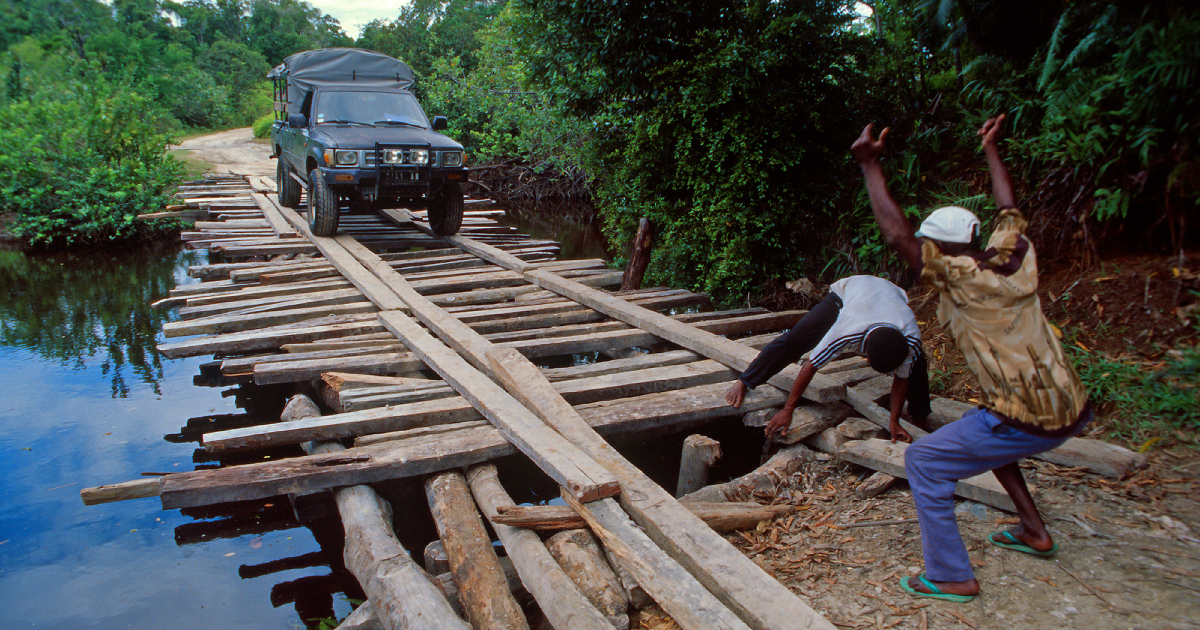
The scenery is peaceful, although the roads occasionally remind travelers that peace and suspension systems are separate concepts. Distances on a map can appear modest, but road conditions, weather, mountain routes, ferries, and spontaneous livestock meetings may transform a short transfer into an expedition.
The Eastern Rainforests
Travel east and the country becomes greener, wetter, and louder. Rainforests around Andasibe-Mantadia and other protected areas shelter indri, bamboo lemurs, sifakas, frogs, orchids, insects, and countless organisms that seem to specialize in camouflage.
The indri provides one of Madagascar’s unforgettable natural soundtracks. Its call rises through the forest in long, haunting notes that can resemble a whale song drifting between trees. Hearing it before seeing the animal creates a powerful sense of mystery. Then an indri appears overhead, gripping a branch with long limbs and watching the humans below as though reviewing their hiking technique.
Farther south, Ranomafana National Park combines steep forest trails, waterfalls, mist, and rich biodiversity. The name means “hot water,” referring to the area’s thermal springs. The forest is lush, layered, and full of movement. One moment, the trail looks empty. The next, a guide points toward a leaf, and somehow that leaf has eyes, feet, and a professional commitment to not being noticed.
The West and Its Ancient Baobabs
Western Madagascar trades humid rainforest for dry woodland, open country, and some of the island’s most recognizable trees. Near Morondava, the Avenue of the Baobabs creates a scene that seems too theatrical to be real.
Massive trunks rise beside a dusty road, narrowing toward crowns of branches that resemble roots reaching into the sky. At sunset, the trees become dark silhouettes against gold, orange, and violet light. Travelers gather with cameras, but the place is not merely a photographic attraction. Local residents continue walking, cycling, working, and traveling beneath the trees, making the avenue part of daily life rather than a decorative outdoor museum.
Madagascar is home to several native baobab species, and modern research indicates that the broader baobab family may have originated on the island millions of years ago. These trees store water in their swollen trunks and survive in environments where ordinary trees might submit a formal complaint.
The Stone Forest of Tsingy
Tsingy de Bemaraha is one of Madagascar’s most astonishing landscapes. Here, erosion has sculpted limestone into an enormous forest of blades, towers, caves, canyons, and narrow passages. The word “tsingy” is often associated with the idea of walking on tiptoe, which seems reasonable when the ground resembles a collection of stone knives.
Exploring the area may involve ladders, suspension bridges, safety equipment, and routes guided by trained local professionals. It is not a casual walk in sandals while holding an iced coffee. The reward is an otherworldly panorama of gray pinnacles stretching toward the horizon, with plants and animals surviving in pockets of habitat among the rocks.
The Southern Spiny Forest
Southern Madagascar introduces another ecological surprise: the spiny forest. Octopus trees, thick succulents, euphorbias, and drought-adapted plants create a landscape that looks like a desert garden designed for a science-fiction film.
Despite harsh conditions, the region supports specialized wildlife and local communities with deep knowledge of the environment. Ring-tailed lemurs are among its famous residents, although they should not be treated like animated celebrities waiting for selfies. They are wild animals facing serious pressures from habitat loss and other threats.
Wildlife That Exists Nowhere Else
Lemurs: The Island’s Famous Ambassadors
More than 100 recognized types of lemurs live in Madagascar, ranging from tiny nocturnal mouse lemurs to the much larger indri. Some leap between trees with startling power. Others move cautiously through branches, communicate with scent, sing across forest valleys, or stare from the darkness with eyes that seem capable of reading browser history.
Lemurs occupy different habitats and ecological roles, but many are threatened by forest loss, hunting, habitat fragmentation, and climate-related pressures. Their survival depends on protected forests, scientific research, responsible tourism, and partnerships that give nearby communities meaningful benefits from conservation.
Chameleons, Frogs, Fossas, and Tenrecs
Madagascar’s supporting cast could headline its own nature documentary. The island contains an extraordinary diversity of chameleons, from large species with elaborate horns to miniature species small enough to rest comfortably on a fingertip.
Its frogs display vivid colors, unusual calls, and remarkable habitat specialization. Tenrecs fill ecological niches occupied elsewhere by animals such as hedgehogs or shrews, although their evolutionary story is distinct. The fossa, Madagascar’s largest native mammalian predator, is an agile forest hunter related to mongooses. It looks a little like a cat, moves like an athlete, and has no interest in fitting neatly into visitors’ expectations.
Plants With Personality
The island’s botanical life is equally dramatic. Baobabs, palms, orchids, traveler’s trees, succulents, and thorny plants reflect millions of years of adaptation. Some species rely on highly specific pollinators. Others survive seasonal drought by storing water, shedding leaves, or growing forms that appear almost architectural.
Madagascar’s famous comet orchid is associated with an exceptionally long nectar spur and a moth capable of reaching into it. The relationship became a celebrated example of evolutionary specialization. It is also proof that nature enjoys designing complicated dinner arrangements.
Madagascar Is More Than Its Wildlife
Travel writing sometimes presents Madagascar as an empty wilderness populated primarily by lemurs. That picture ignores the people whose communities, languages, beliefs, agriculture, music, craftsmanship, and knowledge define the country.
Malagasy culture reflects historical connections with both Southeast Asia and Africa, along with later influences from Indian Ocean trade, Europe, and other regions. The Malagasy language belongs to the Austronesian language family, while many cultural traditions also reveal strong African roots.
Rice is central to everyday food and agriculture. Meals may include rice with vegetables, beans, meat, fish, or flavorful sauces. Zebu cattle hold economic, cultural, and symbolic importance in many communities. Markets overflow with produce, spices, woven goods, carved objects, household supplies, and conversations conducted at a speed that leaves beginners smiling hopefully.
Visitors may encounter the concept of fady, referring to local taboos or rules connected to places, families, ancestors, or customs. A behavior considered harmless elsewhere may be inappropriate in a particular community. Asking local guides for advice is not only polite; it is essential.
Another important idea is fihavanana, a broad principle involving kinship, solidarity, mutual respect, and social connection. Its meaning cannot be reduced to one English word, but travelers often feel its influence through hospitality, cooperation, and the importance placed on relationships.
Places That Capture Madagascar’s Character
No single itinerary can summarize the island, but several destinations reveal its extraordinary range:
- Antananarivo: A layered capital of markets, historic architecture, hillside neighborhoods, rice fields, and energetic street life.
- Andasibe-Mantadia: One of the most accessible rainforest regions for hearing indri calls and joining guided wildlife walks.
- Ranomafana National Park: A mountainous rainforest known for lemurs, birds, reptiles, frogs, waterfalls, and challenging trails.
- Isalo National Park: A sandstone landscape of canyons, grasslands, rock formations, natural pools, and broad views.
- Morondava and the Avenue of the Baobabs: A celebrated western destination, especially memorable in early morning or late afternoon light.
- Tsingy de Bemaraha: A spectacular limestone wilderness requiring careful planning, suitable transportation, and qualified guides.
- Southern spiny forests: An ecosystem filled with drought-adapted plants, unique birds, reptiles, and lemurs.
- Nosy Be and surrounding islands: Coastal scenery, marine life, beaches, and opportunities to explore northern Madagascar.
Traveling Responsibly in Madagascar
Madagascar’s biodiversity is globally important, but it is also vulnerable. Forest clearing, illegal logging, wildlife hunting, fires, erosion, habitat fragmentation, and poverty-related pressures affect ecosystems across the island. Conservation cannot succeed by treating local residents as obstacles. Durable solutions must support communities as partners and recognize their need for secure livelihoods, food, education, health services, and economic opportunity.
Travelers can help by choosing locally owned accommodations, hiring qualified local guides, paying fair prices, following park rules, avoiding wildlife handling, and refusing products made from protected plants or animals. Keeping a respectful distance from lemurs reduces stress and lowers the risk of disease transmission.
Responsible photography matters too. A dramatic picture is never worth damaging habitat, feeding an animal, ignoring community customs, or stepping into a dangerous area. The best travel photograph should preserve a memory, not create an ecological incident report.
Practical Lessons for a Madagascar Journey
Madagascar rewards patience more than speed. Roads can be rough, domestic transportation may change, and weather can disrupt plans. Build extra time into an itinerary rather than attempting to collect national parks like airport souvenirs.
The generally cooler, drier period from May through October is popular for many overland trips, while the wetter season typically runs from November through April. Conditions vary by region, and cyclones can affect parts of the country. Park access, wildlife activity, road conditions, and coastal weather should all influence timing.
Comfortable hiking shoes, sun protection, insect protection, reusable water equipment, lightweight rain gear, and modest clothing are sensible additions to a packing list. Travelers should consult current official health guidance and a qualified medical professional well before departure, particularly regarding routine vaccinations, mosquito-borne illnesses, and region-specific precautions.
French is widely used, but learning a few Malagasy greetings can immediately improve interactions. Even a simple “manao ahoana,” meaning hello, shows interest and respect. A patient attitude is equally useful. Madagascar is not a destination built around perfectly synchronized convenience, and that is part of its power.
The Experiences That Made Me Fall in Love With Madagascar
My affection for Madagascar did not arrive in one cinematic moment. It accumulated gradually, usually when I was not trying to manufacture a profound travel experience.
One morning, before the light had fully reached the forest floor, I followed a guide along a damp trail. Leaves shone with rain, and every footstep released the smell of earth. We stopped without warning. Somewhere beyond the visible trees, an indri began to call.
The sound was not the cheerful chatter I had expected from a lemur. It was long, emotional, and almost unearthly. Another indri answered from farther away, and soon the forest seemed to be holding a conversation across the valley. Nobody in our group spoke. Even the person who had spent the previous hour photographing every mushroom finally lowered the camera.
Later, a lemur moved through the canopy above us. It crossed a gap with one clean leap and disappeared into leaves. The sight lasted only seconds, but it felt more valuable than a long encounter arranged for convenience. The animal had not performed for us. We had simply been allowed to witness its morning.
Another day was spent on the road, traveling through highland villages and rice fields. Children waved from doorways. Zebu carts moved steadily along the shoulder. Laundry brightened the edges of red-clay houses, and clouds reflected in flooded paddies. Progress was slow because the road had more craters than certain small moons.
At first, I kept checking the time. Then the landscape cured me of that habit. A delayed arrival no longer seemed important when every bend introduced another scene worth remembering.
Near Morondava, I reached the Avenue of the Baobabs before sunset. I had seen dozens of photographs, which turned out to be poor preparation. The trees were wider, stranger, and more imposing in person. Their trunks seemed less like wood and more like geological structures.
Visitors gathered along the road while local people continued moving between villages. A cart rolled past. Cyclists navigated the dust. Children laughed near the water. The famous view was not separate from ordinary life; it belonged to it.
As the sun dropped, the trunks shifted from gray to copper and finally to silhouette. Everyone aimed cameras toward the horizon, but I remember the sounds most clearly: wheels on dirt, distant voices, insects, and the click of shutters firing with great determination.
The meals also became part of the love story. Plates of rice arrived with vegetables, fish, chicken, beans, or sauces that varied from region to region. Fresh fruit tasted almost unfairly good. Vanilla appeared in desserts and drinks with a fragrance far more complex than the timid version hiding in many supermarket products.
Conversations mattered even more. Guides explained animal behavior, village histories, local challenges, family traditions, and the meaning of particular places. Their knowledge transformed scenery into context. A forest was no longer simply green; it was habitat, pharmacy, watershed, workplace, spiritual landscape, and source of community identity.
Madagascar also taught me that wonder and concern can occupy the same moment. I could admire a lemur while understanding that its forest was shrinking. I could enjoy a journey while noticing the limited infrastructure surrounding many communities. Loving the island honestly meant refusing to romanticize its difficulties.
On my final evening, the sky turned pink above the highlands. Smoke rose from cooking fires, birds crossed the fading light, and the temperature dropped quickly. Nothing spectacular happened. There was no perfectly timed animal appearance or dramatic musical score.
Yet that quiet evening remains one of my strongest memories. Madagascar had stopped feeling like a collection of attractions. It had become a place of relationships: between people and ancestors, forests and rainfall, wildlife and habitat, travelers and guides, beauty and responsibility.
That was the moment I understood the “eighth continent” nickname. Madagascar does not merely offer unfamiliar scenery. It presents an entire world with its own ecological logic, cultural depth, rhythms, contradictions, and personality.
Conclusion: A Love Story With Responsibility
I fell in love with Madagascar because it constantly overturned expectations. It was wilder than the photographs, more culturally complex than the wildlife documentaries, and more emotionally powerful than any checklist of attractions could suggest.
The island’s lemurs, baobabs, rainforests, highlands, limestone formations, coastal waters, and spiny deserts deserve admiration. Its people deserve something deeper: respectful engagement, fair economic participation, and recognition that Madagascar is a living nation rather than an exotic backdrop.
Calling Madagascar the eighth continent may not satisfy a geography textbook, but it captures the experience of being there. The island feels complete in itselfancient, evolving, vulnerable, humorous, difficult, and unforgettable. You arrive expecting a destination. You leave feeling that you have encountered a world.