Some days arrive wearing muddy boots. Your coffee gets cold, your inbox mutates into a dragon, and even your houseplants look disappointed in you. On days like that, a tiny illustrated hamster can feel strangely powerful. Not a motivational poster. Not a ten-step life overhaul. Just a round, fluffy creature with little paws, a soft expression, and the emotional range of someone who has seen the bottom of a snack bowl and survived.
“I Did 40 Drawings Of This Cute Hamster To Make Your Day More Cheerful” is more than a collection of adorable hamster drawings. It is a small celebration of comfort art, gentle humor, and the way cute characters can sneak past our defenses when we are too tired for big speeches. The drawings center on a sweet character often known as Cute Fluffy Creature, a hamster-like buddy created to lift someone’s mood during a hard day. That origin matters because the art feels personal. It is not trying to impress you with dramatic shadows or gallery-wall seriousness. It is trying to hand you a tiny scarf and say, “Here, human, you look emotionally chilly.”
Why Cute Hamster Drawings Make People Smile
Hamsters are practically designed by nature to become cartoon icons. They are small, soft, busy, and round in a way that makes artists reach for a pencil before logic can interfere. Their cheeks suggest secret storage systems. Their tiny paws look like they are always holding an invisible crumb. Their curious eyes make even ordinary activities seem like heroic quests.
That is why cute hamster illustrations work so well for cheerful art. A hamster can take a bath in cocoa, wear a wizard hat, prepare for autumn, or wrap itself in a scarf, and none of it feels forced. The character remains believable because real hamsters already have that “very serious about tiny matters” energy. They explore, burrow, nibble, run, hide, and reappear as if they have just returned from an expedition across the living room carpet.
In illustration, that natural charm becomes a storytelling shortcut. You do not need a long caption to understand a hamster in a sweater. The image says: comfort, warmth, snack-related optimism. A hamster holding a flower says: kindness. A hamster under a blanket says: please cancel all meetings and bring soup.
The Charm Of A Simple Character
The best cheerful drawings are often simple, but simple does not mean lazy. A successful cute character needs shape, rhythm, expression, and personality. The hamster in these drawings works because it has a recognizable visual identity: soft body, expressive posture, tiny accessories, and a mood that changes from cozy to silly to heroic without losing its sweetness.
Think of the character as a small emotional actor. In one drawing, it can be relaxed and sleepy. In another, it can be dressed for autumn like a tiny professor of pumpkin studies. In another, it can become a wizard working on a happiness potion, which honestly sounds like the kind of graduate program society needs more of.
Round Shapes Feel Friendly
Artists often use round shapes to make characters appear safe, gentle, and approachable. The hamster’s circular body, little ears, and soft facial features create instant warmth. There are no sharp edges shouting, “I have unresolved issues.” Instead, every line says, “Would you like to sit down and share a sunflower seed?”
Accessories Create Mini Stories
A scarf, mug, leaf, broom, blanket, or Santa hat can transform a tiny hamster into a whole scene. Accessories are especially useful in a set of 40 drawings because they give each illustration its own joke, season, or emotional flavor. The hamster becomes a traveler, a wizard, a holiday guest, a relaxation coach, and occasionally a fluffy philosopher.
What 40 Drawings Can Teach Us About Creative Consistency
Drawing one cute hamster is fun. Drawing 40 is a creative workout wearing fuzzy slippers. A series forces an artist to solve the same design problem again and again: how do you keep one character familiar while making every image feel fresh?
The answer is variation. Change the pose. Change the setting. Change the season. Change the prop. Keep the emotional core. This is why a 40-drawing collection can feel satisfying instead of repetitive. The viewer gets the comfort of recognition and the delight of surprise. It is like seeing an old friend arrive in a new ridiculous hat every morning.
For artists, this kind of challenge builds skill. Repeating a character helps improve line confidence, expression, composition, and visual storytelling. It also teaches patience. Not every drawing will be the masterpiece. Some will simply be the hamster wearing a hat that looks slightly like a mushroom. That is still useful. Art grows through repetition, play, and the courage to keep going even when the tiny paws look like beans.
Hamsters In Real Life: Tiny Pets With Big Needs
Although the drawings are whimsical, real hamsters are not toys or props. They are living animals with specific care needs. Good hamster care includes a safe habitat, clean bedding, fresh water, appropriate food, enrichment, hiding spaces, chew-safe items, and a solid exercise wheel that protects their feet. Hamsters also need patient handling because sudden grabbing can frighten them. Their small size does not make their welfare small.
This matters when creating cute animal art. The most loving illustrations respect the animal behind the cuteness. A cheerful hamster character can wear a scarf on paper, fly through a fantasy sky, or bathe in imaginary cocoa, but real hamsters should be handled gently and kept in environments designed for health, not just human amusement.
In fact, learning about real hamster behavior can make the drawings better. Hamsters love to burrow, explore, hide, chew, and stay active, especially during evening and nighttime hours. These behaviors offer endless illustration ideas: a hamster building a pillow fort, inspecting a tunnel, hoarding snacks like a tiny accountant, or emerging from bedding with the look of someone who has just discovered Monday.
Why Cheerful Art Feels So Good
Cheerful art is not shallow. It is accessible emotional support. A soft drawing can interrupt stress, invite a laugh, or give the brain a small resting place. Creative activities such as drawing, coloring, and crafting are often associated with relaxation, focus, and emotional expression. Viewing cute animal images has also been linked in research discussions to improved mood and attention. In plain English: looking at adorable things may help your brain stop running around like a hamster on espresso.
Of course, a cute drawing will not solve every problem. It will not pay bills, fold laundry, or explain why printers behave like haunted furniture. But it can create a pause. And sometimes a pause is exactly what a difficult day needs. A tiny illustrated hamster can become a pocket-sized reminder that softness still exists.
Ideas Behind The 40 Cute Hamster Drawings
A strong series usually has a flexible theme. For this hamster, the theme is cheerfulness through everyday comfort. The drawings can move through seasons, feelings, hobbies, and little acts of self-care.
Seasonal Hamster Moments
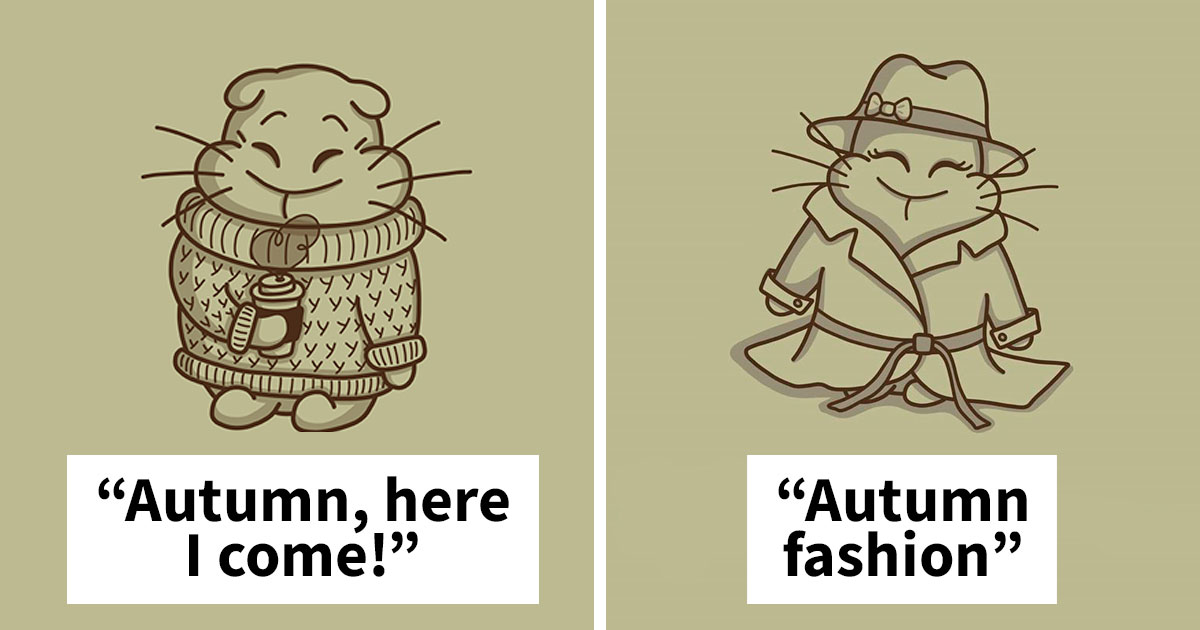
Autumn gives the hamster sweaters, leaves, warm drinks, and the dramatic seriousness of preparing for chilly weather. Winter offers scarves, blankets, snowflakes, Santa hats, and the noble quest for warmth. Spring brings flowers, rain boots, and hopeful little sprouts. Summer opens the door to fruit, sunshine, beach towels, and the eternal question: can a hamster wear sunglasses with dignity? The answer is yes, but only if everyone agrees not to laugh too loudly.
Self-Care Hamster Scenes
Some of the sweetest ideas are built around rest. A hamster taking time to relax, drinking cocoa, reading a tiny book, or hiding under a blanket can feel surprisingly comforting. These images work because they give viewers permission to slow down. The hamster is not winning a productivity award. It is simply existing, softly, and perhaps eating one crumb with great purpose.
Fantasy And Playful Hamster Adventures
Fantasy lets the character become a wizard, explorer, baker, gardener, astronaut, or holiday helper. These drawings are cheerful because they treat imagination as a normal part of daily life. A hamster making a happiness potion is funny, but it is also meaningful. It suggests that joy can be mixed from tiny ingredients: kindness, rest, humor, color, and maybe one suspiciously magical blueberry.
How To Draw Your Own Cute Hamster Character
You do not need fancy supplies to start. A pencil, pen, tablet, marker, or even the back of an envelope can do the job. Begin with a soft oval for the body, two small rounded ears, dot-like eyes, a tiny nose, and paws that look almost too small to be responsible for anything. Keep the first sketch loose. The goal is charm, not courtroom accuracy.
Next, choose an emotion. Is your hamster sleepy, proud, shy, excited, dramatic, cozy, or suspicious of a broccoli floret? The expression can be simple: a tilted head, closed eyes, raised paws, or a tiny open mouth. Then add one prop. A mug says comfort. A leaf says autumn. A star says magic. A pencil says the hamster is now your coworker and will be needing a very small desk.
Finally, repeat the design in different scenes. Draw the hamster gardening, napping, baking, reading, camping, painting, and celebrating small victories. Repetition helps the character become familiar. Over time, you will discover what makes your hamster unique. Maybe it always wears a scarf. Maybe it has enormous dreams and zero understanding of gravity. Maybe it believes every snack is a formal event.
The Internet Loves Wholesome Animal Art For A Reason
Online life can feel loud, competitive, and permanently allergic to nuance. Wholesome animal art offers a different pace. It is shareable without being mean. It is funny without needing a victim. It can be enjoyed by children, adults, artists, pet lovers, and anyone who has ever whispered “same” to a cartoon animal wrapped in a blanket.
Cute hamster drawings also travel well across platforms because they are instantly readable. A person scrolling quickly can understand the mood in one second. That makes the art ideal for social media, greeting cards, stickers, journal pages, phone wallpapers, and small notes left for someone who needs encouragement. The original idea of drawing a cute creature to cheer up a loved one is exactly the kind of small kindness the internet could use more often.
What Makes This Hamster Feel So Relatable?
The hamster is cute, yes, but the real magic is relatability. It gets cold. It wants cocoa. It needs rest. It dresses for seasons with perhaps too much enthusiasm. It tries to make happiness like a little wizard with a mixing bowl. It is not perfect or polished in a distant way. It is small, earnest, and doing its best.
That is why viewers connect with it. People do not always need a superhero. Sometimes they need a soft character who seems to understand that getting through the day is already an achievement. A hamster in a scarf can say what a long inspirational quote cannot: “Be gentle with yourself. Also, snacks help.”
Of Personal Experience: What Drawing A Cute Hamster Can Feel Like
Creating a long series of cute hamster drawings feels a little like adopting an imaginary pet that lives inside your sketchbook. At first, you think you are only making one doodle. A round body, tiny ears, small paws, maybe a cozy expression. Then the character looks back at you from the page with that suspiciously powerful cuteness, and suddenly you are planning its entire emotional calendar. Today it needs a scarf. Tomorrow it will bake cookies. By Friday it may become a wizard because apparently the hamster has career ambitions.
The best part of drawing a character like this is how low-pressure it feels. You are not trying to create a museum piece guarded by serious people in black turtlenecks. You are trying to create a smile. That changes everything. The lines can be imperfect. The paws can be slightly uneven. The hat can look like it was designed by a mushroom with confidence issues. Somehow, those imperfections make the hamster more lovable.
When I imagine making 40 drawings of this cute hamster, I picture the process as a daily mood check. On a tired day, the hamster might be wrapped in a blanket with only its nose showing. On a cheerful day, it might dance with a strawberry. On a stressful day, it might sit beside a giant mug of tea labeled “emergency calm.” The character becomes a tiny translator for feelings that are difficult to explain directly.
There is also something comforting about repetition. Drawing the same hamster again and again teaches you to notice small differences. A slight tilt of the ears changes the mood. A closed-eye smile makes the scene peaceful. A raised paw makes it look excited, confused, or ready to deliver an important speech about sunflower seeds. The more you draw, the more the character develops a personality of its own.
Sharing these drawings can be just as meaningful as making them. A small illustration sent to a friend can say, “I thought of you,” without becoming overly dramatic. It is a gentle gesture. Not every act of support needs to arrive with fireworks. Sometimes it arrives as a fluffy hamster holding a flower, and honestly, that may be better. Fireworks are loud. Hamsters are polite.
Another experience connected to this topic is the joy of seeing people respond to simple kindness. Cute art often invites comments like “This made my day” or “I needed this.” Those reactions remind an artist that cheerful work has value. The world already has plenty of sharp edges. Making something soft is not childish; it is generous. A cute hamster drawing may be small, but small things can carry warmth surprisingly far.
By the time the 40th drawing is finished, the hamster is no longer just a doodle. It has become a companion, a mood-lifter, and a tiny ambassador for rest, humor, and tenderness. It proves that art does not always need to be complicated to matter. Sometimes the most memorable drawing is the one that makes someone pause, breathe, and smile at a little creature doing its best in a very large world.
Conclusion: A Tiny Hamster, A Big Dose Of Cheer
“I Did 40 Drawings Of This Cute Hamster To Make Your Day More Cheerful” is a reminder that joy does not have to be enormous to be real. A small drawing can brighten a hard day. A soft character can make people feel seen. A hamster in a scarf can do emotional labor that no spreadsheet has ever managed.
The appeal of these cute hamster drawings comes from their blend of warmth, humor, and simplicity. They celebrate comfort without being boring, cuteness without being empty, and creativity without demanding perfection. Whether you are an artist, a hamster lover, a fan of wholesome illustrations, or just someone who needs a tiny reason to smile, this fluffy little character earns its place in your day.
So take a breath. Stretch your shoulders. Drink some water. And if life feels a bit too loud, imagine a small hamster wearing a wizard hat, carefully stirring a happiness potion just for you. It may not fix everything, but it is an excellent start.