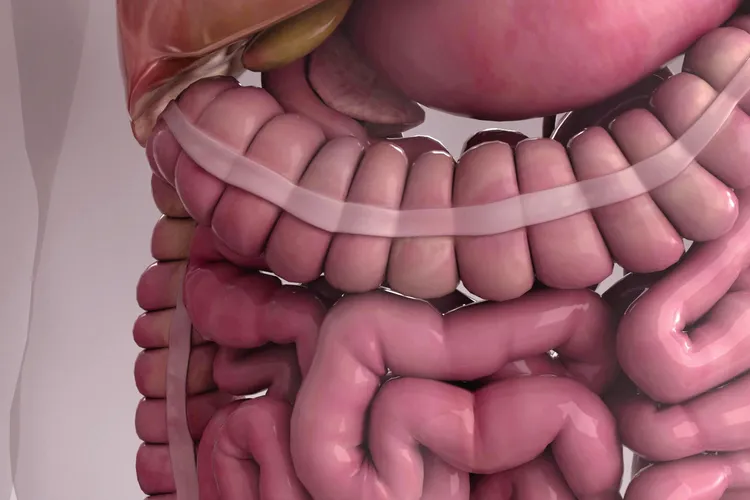
Ulcerative colitis, commonly shortened to UC, can turn the large intestine from a calm water-recycling department into a highly irritated emergency zone. Instead of quietly absorbing water, forming stool, and moving waste toward the exit, the colon develops persistent inflammation, fragile tissue, and open sores. The result may include bloody diarrhea, abdominal cramping, mucus, fatigue, and a sudden need for a bathroom that does not care whether you are in a meeting, sitting in traffic, or halfway through a first date.
UC is a chronic form of inflammatory bowel disease, or IBD. It affects the rectum and colon, collectively known as the large intestine. The condition usually begins in the rectum and may spread upward in one continuous area. Unlike Crohn’s disease, which can affect different parts and layers of the digestive tract, UC primarily injures the colon’s inner lining.
Understanding how this inflammation develops helps explain why UC causes such distinctive symptoms, why flares can be unpredictable, and why modern treatment focuses on healing the intestinal lining rather than merely quieting diarrhea.
Evidence basis:
What Your Large Intestine Normally Does
The large intestine includes the colon and rectum. By the time digested material reaches this part of the gastrointestinal tract, most nutrients have already been absorbed in the small intestine. The colon’s main jobs are to reclaim water and electrolytes, support a large community of gut microbes, shape waste into stool, and move that stool toward the rectum.
A healthy colon has a protective inner surface called the mucosa. This lining contains specialized cells, mucus, immune defenses, and tightly connected barriers that keep bacteria and other contents inside the bowel rather than allowing them to invade the tissue.
That separation is important. Your colon contains trillions of microorganisms. Most are harmless or helpful when they remain where they belong. The intestinal immune system therefore performs a delicate balancing act: tolerate ordinary food and resident microbes while remaining ready to attack genuine threats.
In ulcerative colitis, this balance breaks down. The immune system behaves as though a danger signal is permanently flashing, even after the original threatif there ever was onehas disappeared.
How UC Starts the Inflammatory Process
A Vulnerable Intestinal Barrier
Researchers do not blame UC on one food, one germ, or one unfortunate decision. The disease appears to develop through an interaction among genetic susceptibility, the immune system, environmental exposures, the intestinal barrier, and the gut microbiome.
In a susceptible person, the mucosal barrier may become less effective at separating intestinal contents from immune cells. Bacterial products can then come into closer contact with the tissue. The immune system responds by releasing inflammatory signals designed to eliminate danger and repair damage.
The problem is that the response does not shut down normally. Instead, inflammation continues, injuring the barrier it was supposed to protect. More bacterial material reaches the tissue, more immune cells arrive, and the cycle repeats. It is the gastrointestinal version of trying to extinguish a candle with a fire hose and accidentally flooding the house.
Immune Cells Keep Sounding the Alarm
UC is generally described as an immune-mediated disease. Several types of immune cells and signaling proteins participate in the inflammatory reaction. White blood cells move into the colon lining and release chemical messengers that recruit still more immune activity.
Neutrophils, immune cells normally used to fight infections, can accumulate inside the colon’s microscopic glands, known as crypts. This produces cryptitis and sometimes crypt abscesses. Despite the alarming name, these are tiny collections of inflammatory cells within the glands, not necessarily bacterial abscesses requiring drainage.
Continued immune activity damages epithelial cells, disrupts mucus production, and interferes with the colon’s ability to repair itself. Over time, the lining becomes swollen, red, fragile, and prone to bleeding.
Ulcers Form in the Colon Lining
When surface cells are lost faster than they can be replaced, shallow open sores develop. These ulcers may ooze blood, mucus, and inflammatory material. Nearby tissue can become so delicate that it bleeds when touched during a colonoscopy.
The inflammation in typical UC is concentrated in the mucosa and the layer immediately beneath it. This contrasts with Crohn’s disease, where inflammation can extend through the entire bowel wall. However, severe UC can involve deeper tissue and lead to dangerous complications.
Evidence basis:
Why UC Usually Begins in the Rectum
UC almost always affects the rectum, the final section of the large intestine. From there, inflammation may extend upward without the patches of normal tissue commonly seen between inflamed areas in Crohn’s disease.
Doctors classify UC partly by how much of the colon is affected:
Ulcerative Proctitis
Inflammation is limited to the rectum. People may experience rectal bleeding, mucus, urgency, and tenesmusthe stubborn feeling that another bowel movement is necessary even when the rectum is nearly empty.
Left-Sided Colitis
Inflammation extends from the rectum through the lower and left side of the colon. Bloody diarrhea, left-sided cramping, urgency, and unintended weight loss may occur.
Extensive Colitis or Pancolitis
Inflammation reaches beyond the left side or involves the entire colon. Extensive disease can produce frequent diarrhea, heavier bleeding, widespread abdominal pain, fever, fatigue, and a greater risk of complications.
Disease extent can change over time. Someone initially diagnosed with proctitis may later develop inflammation farther up the colon, while effective treatment can make previously inflamed areas look healed.
Evidence basis:
How Colon Inflammation Produces UC Symptoms
Diarrhea
An inflamed colon cannot absorb water and electrolytes as efficiently as a healthy one. It also moves contents through the bowel more rapidly. Stool therefore remains loose or watery, and severe inflammation may cause numerous bowel movements in a single day.
Blood in the Stool
Ulcers and fragile blood vessels in the colon lining bleed easily. Blood may appear as streaks, drops, or a larger amount mixed with diarrhea. Repeated bleeding can contribute to iron-deficiency anemia, weakness, shortness of breath, headaches, and fatigue.
Urgency and Tenesmus
Because UC commonly inflames the rectum, even a small amount of stool, mucus, or inflammatory fluid can create an intense urge to use the bathroom. The rectum may continue sending “time to go” signals after it has emptied, producing tenesmus.
Mucus and Pus
The colon naturally produces mucus to lubricate stool. During a UC flare, damaged tissue and overactive immune cells can dramatically increase mucus and inflammatory discharge. Some people pass mucus or blood without much stool.
Cramping and Abdominal Pain
Inflammation makes the colon more sensitive and can trigger muscular contractions. Gas, rapid movement of intestinal contents, and the repeated urge to defecate can add to the discomfort. Pain may improve after a bowel movement, although the relief is not always generous enough to deserve a thank-you card.
Fatigue, Fever, and Weight Loss
Inflammatory chemicals can affect the entire body, not just the intestine. Blood loss, dehydration, disrupted sleep, reduced appetite, nutrient deficiencies, medication effects, and the energy demands of chronic inflammation may all contribute to exhaustion. Moderate or severe flares can also cause fever and weight loss.
Why UC Flares and Then Calms Down
UC typically follows a relapsing-and-remitting pattern. During remission, symptoms and measurable inflammation improve or disappear. During a flare, immune activity rises and the colon lining becomes inflamed again.
A flare is not proof that someone ate the “wrong” lunch or failed to remain sufficiently cheerful. UC is not caused by stress or a weak personality. However, infections, missed medication, certain pain relievers, smoking changes, travel disruptions, stress, and individual food intolerances may worsen symptoms or coincide with a flare.
Symptoms alone do not always reveal how inflamed the colon is. A person may have persistent bowel sensitivity despite good mucosal healing, while someone with significant inflammation may become accustomed to symptoms and underestimate the disease. For that reason, clinicians increasingly combine symptom reports with stool tests, bloodwork, endoscopy, and biopsies.
Inflammation Can Affect More Than the Colon
Although UC is centered in the large intestine, immune activity may affect other parts of the body. Some people develop painful or swollen joints, eye inflammation, mouth sores, skin lesions, or disorders involving the liver and bile ducts.
These are known as extraintestinal manifestations. Some improve when colon inflammation is controlled. Others can develop or continue independently, which is why UC care may involve gastroenterologists, dermatologists, rheumatologists, ophthalmologists, dietitians, surgeons, and other specialists.
Potential Complications of Severe or Long-Lasting Inflammation
Most people will not experience every complication, but uncontrolled inflammation can become serious. Possible problems include severe bleeding, dehydration, anemia, blood clots, malnutrition, perforation of the colon, and toxic megacolon.
Toxic megacolon occurs when severe inflammation causes the colon to widen, lose normal muscle tone, and stop moving contents effectively. Symptoms may include a swollen abdomen, severe pain, fever, rapid heart rate, weakness, and reduced bowel activity. It is a medical emergency.
Long-standing inflammation involving a substantial portion of the colon also increases colorectal cancer risk. The risk depends on factors such as disease duration, extent, inflammatory activity, family history, previous abnormal cells, and the presence of primary sclerosing cholangitis. Gastroenterologists recommend individualized surveillance colonoscopies to detect precancerous changes early.
Seek urgent medical care for heavy rectal bleeding, severe or rapidly worsening abdominal pain, a noticeably swollen abdomen, persistent vomiting, fainting, confusion, high fever, rapid heartbeat, or signs of major dehydration.
Evidence basis:
How Doctors Measure Inflammation
Diagnosing UC usually involves reviewing symptoms and medical history, ruling out infections, and directly examining the colon. Stool tests can check for bacteria, parasites, or Clostridioides difficile, while fecal calprotectin can indicate intestinal inflammation.
Blood tests may reveal anemia, infection, dehydration, low protein levels, or elevated inflammatory markers such as C-reactive protein. These findings support the overall assessment but cannot diagnose UC by themselves.
Colonoscopy or flexible sigmoidoscopy allows a clinician to inspect the lining and collect small tissue samples. Active UC may produce redness, swelling, loss of the normal vascular pattern, bleeding, fragile tissue, and ulceration. A pathologist then examines biopsies for characteristic microscopic changes.
These objective findings matter because successful treatment aims for more than fewer bathroom trips. The larger goal is durable remission, ideally with healing of the colon lining and reduced risk of hospitalization, steroid exposure, surgery, and other complications.
How Treatment Calms the Colon
Aminosalicylates
Medicines such as mesalamine reduce inflammation directly in the colon lining and are commonly used for mild to moderate UC. Depending on where the disease is located, treatment may be taken by mouth, delivered rectally as a suppository or enema, or used in combination.
Corticosteroids
Steroids can suppress inflammation quickly during a flare. Because long-term use can cause substantial side effects, they are generally used to induce improvement rather than maintain remission. Needing repeated steroid courses is often a sign that the maintenance plan should be reconsidered.
Immunomodulators, Biologics, and Targeted Medicines
Moderate to severe UC may require medications that interrupt specific immune pathways. Options include immunomodulators, biologic therapies, and targeted oral medicines. Different treatments may block inflammatory proteins, prevent immune cells from entering intestinal tissue, or alter signaling inside immune cells.
Selection depends on disease severity, prior treatment, other health conditions, pregnancy plans, infection risk, convenience, insurance coverage, and patient preference. Treatment should be monitored rather than continued indefinitely on autopilot.
Surgery
When medication does not control the diseaseor when severe bleeding, perforation, toxic megacolon, or precancerous changes developsurgery may be necessary. Removing the colon and rectum eliminates intestinal UC because the tissue it attacks is no longer present. Surgical options may include a permanent ileostomy or creation of an internal ileal pouch connected to the anus.
Evidence basis:
Can Food or Lifestyle Stop UC Inflammation?
No universal diet cures ulcerative colitis. Food does not create the underlying immune disorder, although certain foods can aggravate diarrhea, gas, cramping, or urgency in an already inflamed bowel.
During a flare, some people tolerate smaller meals and temporarily reduce foods that are very fatty, spicy, fibrous, or difficult to digest. Others have different triggers. A food-and-symptom record can reveal patterns, but extreme elimination diets may cause nutritional deficiencies and make eating unnecessarily miserable.
Hydration, adequate protein, sufficient calories, iron assessment, sleep, movement, stress management, and smoking avoidance can support health. These strategies work alongside medical treatment, not in place of it. Supplements and probiotics should also be discussed with a clinician because evidence, product quality, and individual risks vary.
Experience-Based Realities: What UC Can Feel Like Day to Day
The following scenarios combine commonly reported UC experiences for educational purposes. They are not quotations or medical histories from one specific patient.
The Morning Bathroom Countdown
For someone experiencing active rectal and colon inflammation, mornings may begin before the alarm clock. The first bowel movement can be followed by another ten minutes later, then another just as it seems safe to leave home. Breakfast becomes a tactical decision: eat now and risk triggering another trip, or wait and arrive at work hungry.
This pattern makes urgency more than a digestive inconvenience. It changes departure times, commuting routes, clothing choices, and confidence. A twenty-minute drive can feel considerably longer when every gas station is mentally cataloged. People with UC may choose an aisle seat, locate restrooms immediately after entering a building, or avoid destinations where bathroom access is uncertain.
The Meeting That Cannot Be Paused
Imagine sitting in a quiet conference room when cramping begins. The discomfort may be manageable, but the rectal urgency is not interested in office etiquette. The person must decide whether to leave abruptly, explain the condition, or attempt the risky strategy known as “surely I can wait five more minutes.”
Workplace accommodations can reduce this pressure. Flexible break policies, remote-work options, a desk near the restroom, and permission to leave meetings without explanation may transform a difficult job into a manageable one. UC is often invisible, so colleagues may see a healthy-looking person without recognizing the calculation happening behind every schedule.
The Fatigue Nobody Sees
One of the most frustrating experiences can be feeling exhausted after apparently doing very little. In reality, the body may be managing ongoing inflammation, blood loss, reduced food intake, dehydration, poor sleep, and repeated bathroom visits. Fatigue can continue even after diarrhea begins improving, especially when anemia or nutritional deficiencies remain untreated.
Friends may offer well-intended advice to “get more sleep,” but UC fatigue is not always ordinary tiredness. It can feel as though the body has switched into battery-saver mode at 15 percent and misplaced the charger.
Eating Becomes Complicated
During remission, someone may eat a broad diet without major trouble. During a flare, the same salad, chili, or large restaurant meal may increase symptomsnot because it caused UC, but because inflamed tissue handles stool volume and intestinal movement poorly.
This can make social eating stressful. A person may decline food at a gathering, order something unusually plain, or eat beforehand. Helpful friends avoid becoming self-appointed diet detectives. They ask what support is useful rather than announcing that dairy, gluten, sugar, seed oils, nightshades, or insufficient positive thinking must be the culprit.
Remission Brings Freedomand New Worries
When treatment works, bowel movements may become predictable, bleeding may stop, energy may return, and food may feel enjoyable again. Remission can restore spontaneity: travel without mapping every restroom, exercise without fear of urgency, and attend events without carrying an emergency kit.
Yet remission may also bring anxiety about recurrence. A single loose stool can prompt the question, “Is this lunch, a stomach bug, or the beginning of another flare?” Having a clear monitoring plan helps. Patients can ask their care team which symptoms warrant a message, when stool testing is appropriate, and how treatment response will be measured.
Practical Preparation Without Letting UC Run the Show
Many people develop simple systems: keeping medication organized, carrying spare underwear or wipes, storing hydration supplies, saving restroom-location apps, and explaining essential needs to trusted people. These tools are not admissions of defeat. They reduce uncertainty and allow more attention to be spent on work, relationships, travel, and everything else that makes a life larger than a colon.
Experience context:
Conclusion
Ulcerative colitis inflames the large intestine by disrupting the colon’s protective lining and driving an immune response that fails to switch off properly. Immune cells enter the tissue, inflammatory signals multiply, ulcers form, and the colon becomes less capable of absorbing water and storing stool normally. Those changes explain the hallmark combination of bloody diarrhea, urgency, mucus, cramping, and fatigue.
UC is chronic, but active inflammation does not have to be accepted as normal. Aminosalicylates, targeted immune therapies, biologics, supportive nutrition, careful monitoring, and surgery when necessary can substantially change its course. The best treatment plan addresses both daily symptoms and the condition of the colon lining, helping people move from constantly locating bathrooms to concentrating on the rest of their lives.