Rolling a tortilla looks simple until your lunch performs a dramatic escape across the plate. One second, you are holding a neat burrito. The next, rice is sliding south, salsa is auditioning for a waterfall, and the tortilla has opened like a badly packed suitcase. The good news? Learning how to roll tortillas into wraps, burritos, tacos, quesadilla pockets, and party pinwheels is less about magic and more about technique.
The secret is a friendly combination of heat, filling control, smart placement, and the right fold for the job. A tortilla is not just edible packaging. It is the architecture of the meal. Treat it well, and it will carry eggs, beans, grilled chicken, vegetables, cheese, rice, avocado, sauces, and dreams without collapsing under pressure. Treat it carelessly, and you may need a fork, a mop, and emotional support.
This guide explains the best way to roll tortillas for popular meals, from tight burritos to soft tacos, lunch wraps, breakfast burritos, freezer-friendly wraps, and fun appetizer roll-ups. You will also learn how to choose between flour and corn tortillas, how to warm them properly, how much filling to use, and how to prevent cracking, tearing, sogginess, and the famous “burrito blowout.”
Start with the Right Tortilla
Before you fold, roll, tuck, or pray, choose the right tortilla for the food you are making. Flour tortillas are usually the easiest option for burritos and large wraps because they are flexible, soft, and stretchy enough to hold a generous amount of filling. For a classic burrito or meal-sized wrap, a 10-inch tortilla or larger is ideal. Smaller tortillas can work, but they require restraint. In other words, do not try to fit a Thanksgiving dinner into a salad plate.
Corn tortillas are excellent for tacos, enchiladas, tostadas, and smaller hand-held bites. They have a deeper corn flavor and a more traditional taco texture, but they can crack if rolled cold. Corn tortillas usually need proper warming before folding, especially if you want them to bend without breaking. If your corn tortilla snaps like a dry leaf, it is not being rude; it is just underheated.
Flour Tortillas vs. Corn Tortillas
Use flour tortillas when you want stretch, softness, and structure. They are best for burritos, sandwich wraps, breakfast wraps, freezer burritos, and grilled folded wraps. Use corn tortillas when you want taco flavor, smaller portions, and a slightly firmer bite. Corn tortillas shine with grilled meats, fish, beans, eggs, salsa, cilantro, onions, and simple fillings that do not overload the shell.
For delicate fillings like scrambled eggs, tuna salad, chicken salad, or hummus and vegetables, a soft flour wrap is easier to handle. For street-style tacos, warm corn tortillas are often the better choice because they bring flavor without needing too much filling. The rule is simple: the bigger and wetter the filling, the more flexible and larger your tortilla should be.
Warm the Tortilla First
If there is one step that separates clean rolling from kitchen chaos, it is warming the tortilla. A cold tortilla is stiff. A warm tortilla is cooperative. Heating softens the structure, makes the tortilla more flexible, and reduces cracking. It also improves flavor, because a lightly warmed tortilla tastes less like packaging and more like food.
For flour tortillas, heat a dry skillet over medium heat and warm each tortilla for about 20 to 30 seconds per side. You can also wrap tortillas in a slightly damp paper towel and microwave them for 15 to 30 seconds. For corn tortillas, a hot skillet, griddle, or comal works beautifully. Heat each side until the tortilla is soft, steamy, and lightly spotted. Keep warmed tortillas stacked in a clean towel or wrapped in foil so they stay pliable while you assemble the meal.
Do not overheat tortillas until they turn crisp unless you are intentionally making tostadas or crunchy shells. For rolling, you want soft and flexible, not brittle and dramatic.
The Basic Tortilla Rolling Formula
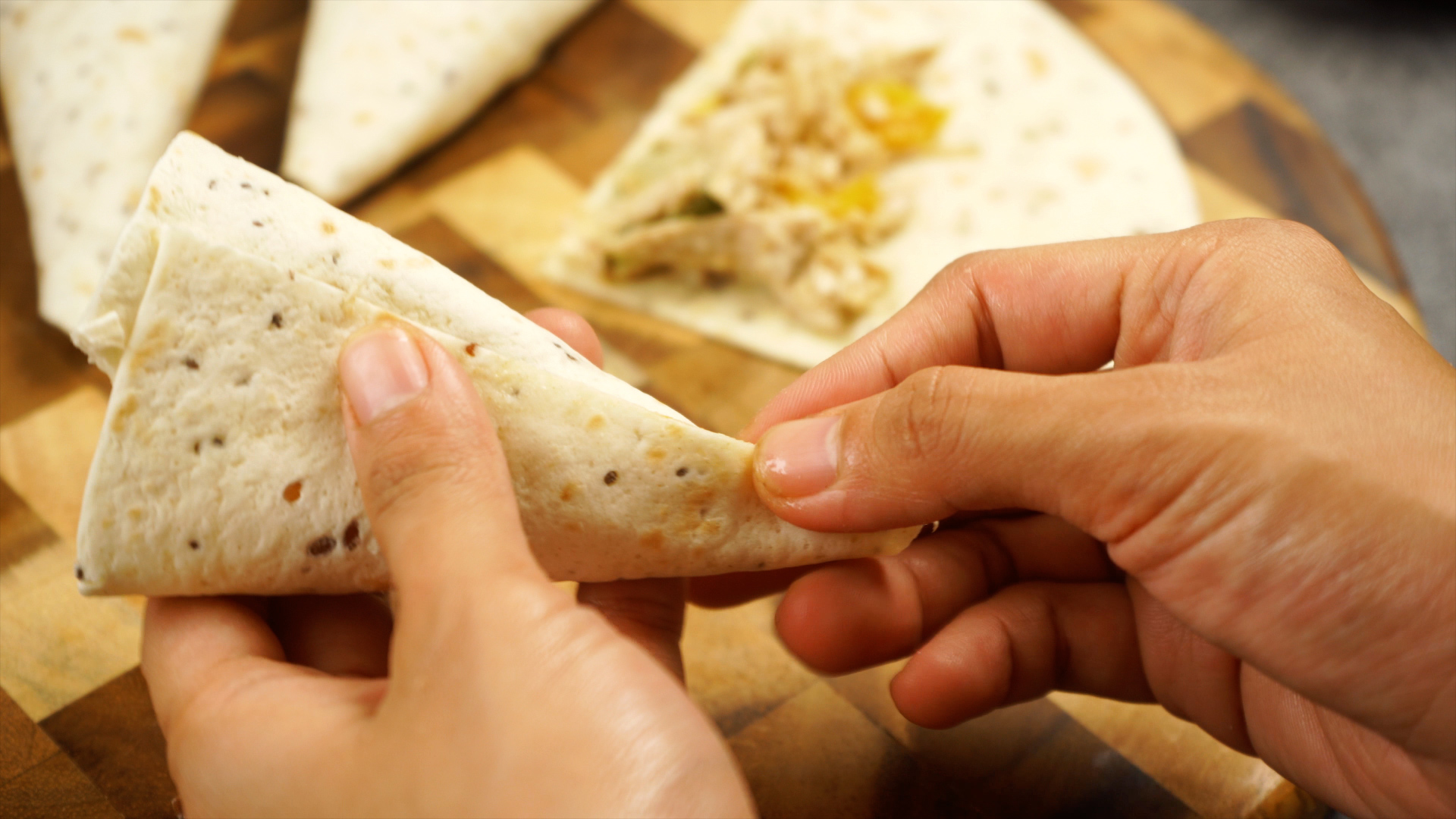
Most tortilla folds follow the same basic logic: place the filling slightly below the center, leave open space around the edges, fold the bottom over the filling, tuck in the sides, then roll forward while keeping everything snug. This method works for burritos, lunch wraps, breakfast wraps, and many freezer burritos.
Step 1: Place the Filling in the Right Spot
Lay the tortilla on a flat surface. Place the filling slightly below the center, closer to the edge nearest you. Shape the filling into a compact horizontal mound rather than a mountain. A long, low strip rolls better than a tall pile. Think “sleeping bag,” not “volcano.”
Leave at least 1 to 2 inches of space on the left and right sides. Leave a few inches at the top so the tortilla has room to finish the roll. If filling reaches the edges before you start folding, it will definitely introduce itself to your shirt later.
Step 2: Fold the Bottom Up and Over
Lift the bottom edge of the tortilla and fold it up over the filling. Use your fingers to gently pull the covered filling back toward you. This creates a tight core and prevents a loose, floppy wrap. The tuck is the most important part of the roll. A good tuck makes the burrito feel secure before the sides even come in.
Step 3: Fold in the Sides
Fold the left and right sides toward the center. The side folds act like little gates, keeping beans, rice, lettuce, meat, and sauce from escaping. Do not fold the sides too far inward or your wrap may become oddly square and overly thick. About 1 to 2 inches is usually enough, depending on tortilla size.
Step 4: Roll Forward Tightly
With the sides tucked in, roll the tortilla forward away from you. Keep gentle pressure on the filling as you roll, but do not squeeze so hard that sauce shoots out like a tiny culinary fire hose. Finish seam-side down so the weight of the wrap helps hold it closed. For extra security, toast the seam side in a dry skillet for a minute or wrap the finished burrito in foil or parchment.
How to Roll a Burrito
A burrito needs the strongest fold because it usually carries the most filling. Rice, beans, meat, cheese, salsa, sour cream, guacamole, and vegetables are delicious, but together they can become a structural engineering exam. The burrito fold is designed to contain that weight while keeping the eating experience clean.
- Warm a large flour tortilla until soft.
- Add fillings slightly below the center in a horizontal line.
- Keep wet ingredients, like salsa and sour cream, moderate and centered.
- Fold the bottom over the filling and pull it gently back to tighten.
- Fold in both sides.
- Roll forward tightly and place seam-side down.
For a restaurant-style burrito, do not overstuff. A properly rolled burrito should feel full but not swollen. If the tortilla stretches, tears, or refuses to close, remove some filling. This is not defeat. This is wisdom wearing an apron.
Best Fillings for Burritos
The best burrito fillings are flavorful but not too watery. Use rice, beans, grilled chicken, steak, carnitas, scrambled eggs, roasted vegetables, cheese, lettuce, pico de gallo, and avocado. Drain saucy fillings before adding them. If using salsa, place it between drier layers like rice and cheese to reduce sogginess. A thin layer of refried beans can also act like edible glue, helping hold ingredients together.
How to Roll a Lunch Wrap
A lunch wrap is usually lighter than a burrito and often served cold or lightly toasted. It may include turkey, chicken, tuna, hummus, lettuce, tomato, cucumber, bacon, cheese, ranch, pesto, or avocado. The folding method is similar to a burrito, but the filling is often spread more evenly.
Start with a large flour tortilla or flavored wrap, such as spinach, tomato, whole wheat, or herb. Spread sauce or hummus in a thin layer, leaving a border around the edges. Add greens first if you want a moisture barrier, then layer proteins, vegetables, and cheese. Fold the sides inward, then roll from the bottom into a tight cylinder. Slice diagonally for café-style presentation, because apparently food tastes better when cut at an angle. Science has not fully explained this, but sandwiches agree.
How to Prevent Soggy Wraps
Use less sauce than you think you need. Pat wet vegetables dry, especially tomatoes, pickles, roasted peppers, and cucumbers. Place lettuce, cheese, or meat between the tortilla and juicy ingredients. If packing a wrap for later, wrap it tightly in parchment paper or foil and keep it chilled. For best texture, add very wet ingredients right before eating.
How to Fold Soft Tacos
Soft tacos are not rolled like burritos. They are folded, held, and eaten with confidence. The goal is to create a curved pocket that holds a modest amount of filling. Whether you use corn or flour tortillas, the tortilla should be warm and flexible.
Place the filling in the center of the tortilla, running in a line from one side to the other. Fold the tortilla in half around the filling. Do not overload it. A taco should close comfortably, not look like it is trying to smuggle a casserole. For juicy fillings, use two small corn tortillas stacked together. This double-tortilla method adds strength and catches drips.
Best Fillings for Soft Tacos
Soft tacos work best with smaller, balanced fillings: grilled steak, shredded chicken, fish, roasted vegetables, beans, eggs, onions, cilantro, cabbage, salsa, crema, and cheese. Keep toppings light. A taco should be lively, not buried under a salad bar.
How to Roll Enchiladas
Enchiladas are rolled differently because they are baked in sauce. Corn tortillas are traditional, but flour tortillas can also be used depending on the recipe. The key is to warm the tortillas first so they do not crack. You can heat them in a skillet, steam them briefly, or wrap them in foil and warm them in the oven.
Add a small amount of filling down the center of each tortilla. Roll it into a simple cylinder without folding in the sides. Place each enchilada seam-side down in a baking dish. Because enchiladas are covered with sauce and baked, they do not need the sealed ends of a burrito. In fact, folding the ends can make them bulky and uneven.
How to Make Tortilla Pinwheels
Tortilla pinwheels are the party snack version of wraps. They look fancy, require minimal effort, and disappear quickly from platters. Start with a large flour tortilla. Spread a sticky base such as cream cheese, hummus, flavored cheese spread, or mashed avocado across the tortilla. Add thin layers of meat, vegetables, herbs, or shredded cheese.
Roll the tortilla tightly from one edge to the other, without folding in the sides. Wrap the roll in plastic wrap and chill it for at least 30 minutes before slicing. Use a sharp knife to cut 1-inch rounds. If the pinwheels flatten while slicing, wipe the knife between cuts and use gentle pressure.
How to Make a Crunchwrap-Style Fold
A crunchwrap-style fold is round, pleated, and sealed on one side. It is perfect when you want a griddled tortilla pocket with layers of meat, beans, cheese, lettuce, tomato, sauce, and something crunchy in the center. Use a large flour tortilla, because smaller tortillas will not reach around the filling.
Place the filling in the center, leaving a wide border. Fold one edge of the tortilla up toward the center, then continue folding small sections over each other in a circular pattern. You should create pleats all the way around. Flip the wrap seam-side down onto a hot skillet so the folds seal as they toast. The result is crisp outside, melty inside, and dangerously easy to eat too quickly.
Common Tortilla Rolling Mistakes
Overfilling the Tortilla
This is the number one mistake. A tortilla can only hold so much. If you add too much filling, it will tear, leak, or refuse to roll. Use less filling and serve extras on the side. Nobody has ever complained about bonus guacamole nearby.
Skipping the Warm-Up
Cold tortillas crack more easily. Warm tortillas bend, stretch, and seal better. Even a short trip to the skillet or microwave can make a big difference.
Using Too Much Sauce
Sauce is wonderful, but it must be controlled. Spread it thinly or layer it between drier ingredients. If your tortilla becomes wet before you roll it, the final wrap may fall apart.
Rolling Too Loosely
A loose wrap has empty space inside, which lets fillings shift. Pull the first fold gently back over the filling to make a tight core, then roll with steady pressure.
Cutting Too Soon
If you slice a freshly rolled wrap immediately, it may open. Let it rest seam-side down for a minute, or wrap it in parchment before cutting. For pinwheels, chilling before slicing is essential.
Make-Ahead and Food Safety Tips
Tortilla wraps and burritos are excellent for meal prep, but food safety matters. Perishable fillings such as meat, poultry, eggs, seafood, cheese, cooked rice, and cooked beans should not sit at room temperature for more than two hours. If the temperature is above 90°F, refrigerate within one hour. Keep cold wraps cold and hot burritos hot until serving.
For make-ahead burritos, let hot fillings cool slightly before rolling so steam does not make the tortilla soggy. Wrap each burrito tightly in foil or parchment, then refrigerate or freeze. Refrigerated leftovers are generally best eaten within 3 to 4 days. Frozen burritos can be stored longer, though texture is best when they are wrapped tightly and protected from freezer burn.
To reheat, remove any foil before microwaving. For better texture, microwave until warm, then crisp the tortilla in a dry skillet or toaster oven. This gives you a soft interior and a lightly toasted exterior, which is basically the burrito version of a standing ovation.
Experience Notes: What Rolling Tortillas Teaches You in a Real Kitchen
After rolling enough tortillas for lunches, quick dinners, late-night snacks, and those “I have five ingredients and no plan” meals, one lesson becomes clear: the tortilla always tells the truth. If it cracks, it was too cold or too dry. If it leaks, it was overfilled or too saucy. If it unrolls, it needed a tighter tuck or a few seconds seam-side down in the skillet. Tortillas are forgiving, but they are not silent. They give feedback immediately, usually in the form of beans on the counter.
One of the most useful habits is setting up a rolling station before adding any filling. Put the warmed tortillas on a towel, place fillings in small bowls, keep sauce nearby with a spoon, and clear a flat cutting board. This sounds fussy until you try rolling a burrito while searching for cheese with one hand and holding a tortilla flap with the other. Organization makes the process faster and cleaner. It also helps you avoid overfilling because you can see every ingredient before you begin.
Another real-world trick is to build layers with texture in mind. For example, when making a chicken wrap, start with a thin spread of hummus or sauce, then add lettuce, chicken, cheese, and crunchy vegetables. The lettuce helps protect the tortilla from moisture. In a breakfast burrito, add cheese near the warm eggs so it melts slightly and helps bind the filling. With bean burritos, spread the beans first because they act like glue. A wrap that tastes good is nice; a wrap that tastes good and stays closed is a personal achievement.
Rolling tortillas also teaches portion control in the most practical way possible. At first, everyone wants the giant burrito. More rice, more beans, more salsa, more everything. Then the tortilla tears, and suddenly moderation becomes attractive. The best burritos are not always the biggest. They are the ones where every bite has balance: a little protein, a little starch, a little freshness, a little sauce, and enough tortilla to hold it all together.
For family meals, tortillas are especially useful because everyone can customize their own. One person wants grilled chicken and avocado. Another wants beans, rice, and cheese. Someone else wants scrambled eggs and hot sauce. The rolling method stays the same, even when the fillings change. This makes tortilla meals great for picky eaters, busy weeknights, packed lunches, and using up leftovers without making dinner feel like leftovers.
The biggest confidence boost comes from practice. Your first wrap may look like a sleeping bag packed by a raccoon. That is fine. By the third or fourth one, your hands learn the motion: fold, tuck, sides in, roll, seam down. Once that rhythm clicks, you can roll tortillas into wraps, burritos, tacos, enchiladas, pinwheels, and crispy folded pockets without overthinking it. And if one falls apart? Put it in a bowl, call it a burrito bowl, and accept the applause. Good cooking is often just a delicious recovery plan.
Conclusion
Learning how to roll tortillas into wraps, burritos, tacos, and more is a small kitchen skill with a big payoff. Warm the tortilla, choose the right size, keep fillings compact, control moisture, fold with purpose, and finish seam-side down. Once you understand the basic technique, you can use it for breakfast burritos, lunch wraps, taco night, freezer meals, party pinwheels, enchiladas, and quick dinners that do not require a sink full of dishes.
The tortilla may be humble, but it is a hardworking hero. Treat it with a little heat and a little respect, and it will carry your favorite fillings like a champion. Overstuff it, and it will remind you who is really in charge.