After a C-section, it is completely normal to look down at your belly and think, “Excuse me, did I leave something behind?” The postpartum belly can feel soft, swollen, unfamiliar, and occasionally like it has its own opinions about pants.
But a C-section recovery is not a race to “get your body back.” Your body did not disappear. It built a human, underwent major abdominal surgery, and is now running on snack crumbs, caffeine, and suspiciously little sleep. Reducing your belly after a C-section is less about punishing workouts and more about healing your incision, rebuilding core strength, improving posture, eating enough nourishing food, and giving your body the time it deserves.
This guide explains safe, realistic ways to reduce a C-section belly, improve abdominal strength, and feel more comfortable in your postpartum body. Always follow your obstetrician, midwife, or pelvic floor physical therapist’s advice, especially if you had complications during pregnancy or delivery.
Why Your Belly May Still Look Different After a C-Section
A C-section belly is not caused by one thing. Several normal postpartum changes can make your abdomen look or feel larger than expected:
- Your uterus needs time to shrink after pregnancy.
- Fluid retention and swelling can linger for several weeks.
- Your abdominal muscles may be stretched or weakened.
- You may have diastasis recti, a separation of the abdominal muscles.
- The C-section scar can create a small fold or “shelf” above the incision.
- Poor sleep, stress, and reduced activity can affect weight retention.
- Your posture may change from feeding, carrying, rocking, and staring lovingly at your baby at 3:17 a.m.
It is important to remember that recovery is highly individual. Some people notice major changes within a few months, while others need a year or more to regain core strength and feel comfortable in their clothes again.
1. Give Your C-Section Incision Time to Heal
The first step in reducing your belly after a C-section is not a workout. It is healing. A C-section involves an incision through the abdominal wall and uterus, so your body needs recovery time before you jump into intense exercise, heavy lifting, or internet fitness challenges led by someone with suspiciously perfect hair.
Many healthcare providers recommend waiting until your postpartum checkup before resuming more demanding exercise. Some people may be cleared earlier for gentle movement, while others need additional recovery time because of pain, infection, bleeding, blood pressure concerns, pelvic floor symptoms, or surgical complications.
Focus on healing first
- Keep the incision clean and dry according to your provider’s instructions.
- Avoid lifting anything heavier than your baby until you are cleared.
- Use pain medication exactly as recommended by your care team.
- Rest whenever possible, even if “rest” means sitting down while holding a tiny dictator.
- Watch for increasing redness, warmth, drainage, fever, worsening pain, or incision separation.
Trying to flatten your stomach before the incision heals can backfire. Healing well now makes it easier to rebuild strength later.
2. Start With Gentle Walking
Walking is one of the best early postpartum exercises after a C-section because it supports circulation, mood, digestion, and gradual conditioning without demanding a full boot-camp performance from your abdominal muscles.
Begin with short, easy walks around your home or outside if you feel steady. Even five to 10 minutes can count. Gradually increase the duration as your energy, pain level, and healthcare provider allow.
A simple walking progression
- Week one or two: Brief walks around your home or driveway.
- After you feel stronger: Add a few minutes every few days.
- Once cleared for exercise: Build toward regular brisk walks, stroller walks, or gentle incline walking.
Pay attention to your body. Slow down or stop if you experience increased bleeding, pelvic heaviness, dizziness, sharp incision pain, worsening abdominal bulging, or unusual fatigue. Walking should leave you feeling pleasantly tired, not like you fought a bear behind the grocery store.
3. Reconnect With Your Deep Core Through Breathing
Your abdominal muscles, diaphragm, and pelvic floor work together as a team. Pregnancy and surgery can make that team feel like it has not attended a meeting in months. Gentle diaphragmatic breathing can help reconnect these muscles before you move on to more challenging core exercises.
Try gentle abdominal breathing
- Lie down comfortably or sit supported in a chair.
- Place one hand on your ribs and one on your lower belly.
- Inhale slowly, allowing your ribs and belly to expand gently.
- Exhale slowly and imagine lightly drawing your lower abdomen inward.
- Keep your shoulders relaxed and avoid holding your breath.
This is not about aggressively sucking in your stomach. Think “gentle zipper,” not “trying to squeeze into jeans from college.” Deep core activation can improve coordination and prepare your body for exercises such as pelvic tilts, heel slides, bridges, and modified strength training.
4. Check for Diastasis Recti Before Doing Crunches
Diastasis recti is a separation between the two sides of the rectus abdominal muscles. It can cause a bulge or “doming” down the middle of the abdomen, especially when sitting up, lifting, coughing, or doing traditional ab exercises.
Not everyone with a postpartum belly has diastasis recti, but it is common enough that it deserves attention. If your stomach forms a cone-shaped bulge during movement, feels weak, or still appears noticeably rounded months after delivery, ask your healthcare provider or pelvic floor physical therapist for an assessment.
Exercises to avoid at first if you notice doming
- Crunches and full sit-ups
- Double-leg lifts
- Long planks before you are ready
- Heavy lifting with breath-holding
- Any exercise that creates pain, pressure, or abdominal bulging
Traditional ab workouts are not automatically evil, but timing and technique matter. The goal is to build pressure control and core stability before asking your stomach to star in a fitness montage.
5. Build Core Strength Slowly and Strategically
Once you are medically cleared, focus on rebuilding your deep abdominal muscles rather than chasing hundreds of crunches. A strong postpartum core helps with posture, lifting your baby, back comfort, movement, and the appearance of your belly.
Beginner-friendly postpartum core exercises
- Pelvic tilts: Gently flatten your lower back toward the floor while exhaling.
- Heel slides: Slide one heel away while keeping your core gently engaged.
- Marching: Lift one foot at a time while lying on your back with knees bent.
- Glute bridges: Lift your hips slowly while keeping your ribs relaxed.
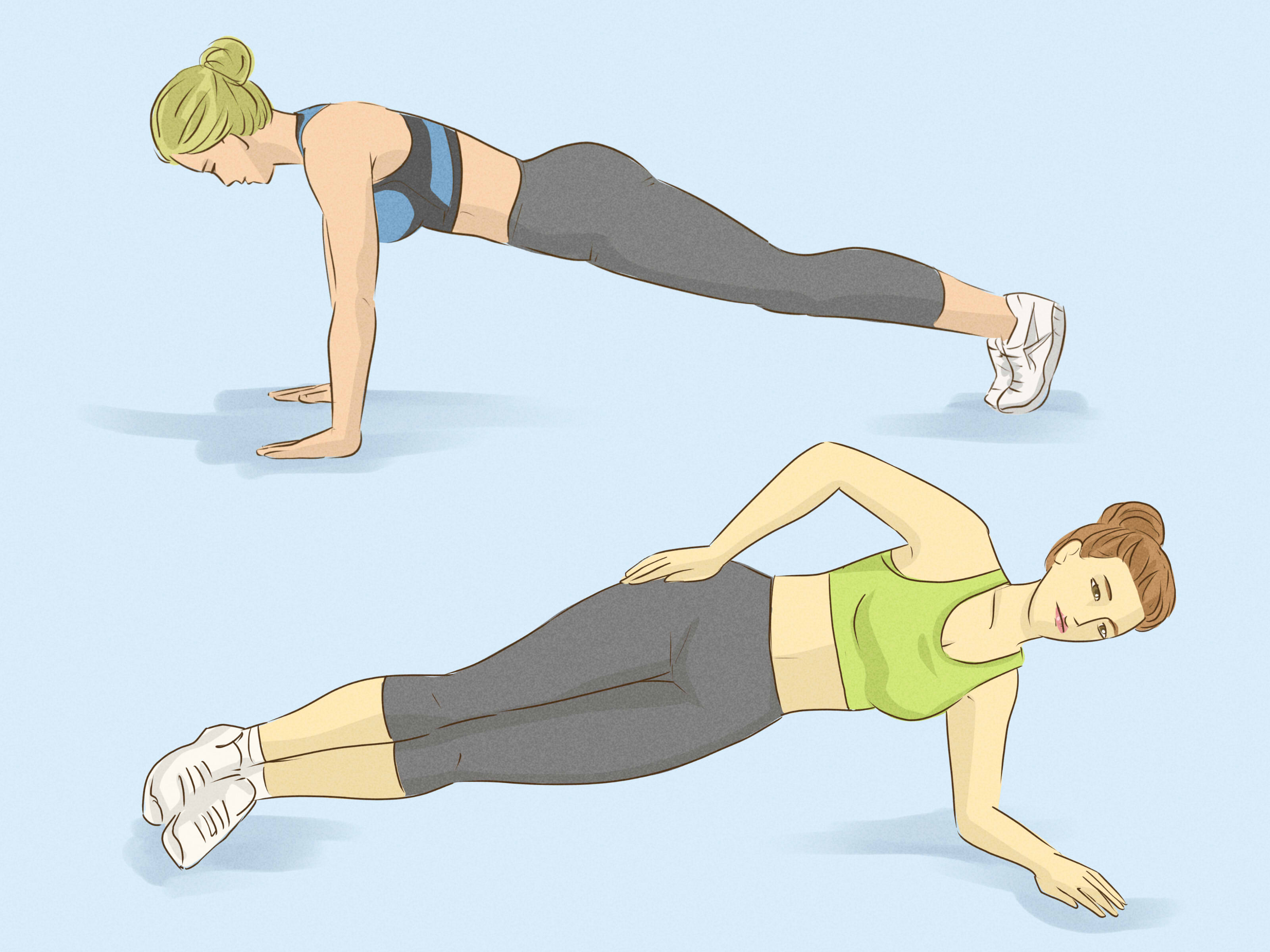
- Modified side planks: Begin only when you can control your abdomen without bulging.
Quality matters far more than quantity. Five controlled repetitions are more useful than 50 rushed ones performed while your back arches, your breath disappears, and your baby chooses that exact moment to scream from the next room.
6. Eat Enough Protein, Fiber, and Nutrient-Dense Foods
One of the biggest mistakes people make after a C-section is starting a harsh diet too soon. Your body needs fuel to heal tissue, support energy levels, manage constipation, produce milk if you are breastfeeding, and rebuild strength.
Instead of focusing only on calories, build meals around protein, fiber, healthy fats, and colorful produce. This supports recovery while helping you feel fuller and more energized.
Easy postpartum meal formula
- Protein: Eggs, Greek yogurt, chicken, fish, beans, tofu, lean meat, cottage cheese, or lentils.
- Fiber: Berries, oats, beans, vegetables, whole grains, chia seeds, and fruit.
- Healthy fats: Avocado, nuts, olive oil, seeds, and nut butter.
- Hydration: Water, milk, soups, herbal tea, and electrolyte drinks when appropriate.
Fiber and fluids are especially helpful if constipation is making your belly feel bloated or uncomfortable. Constipation after a C-section is common, especially if you are taking pain medication, moving less, or avoiding the bathroom because laughing and sneezing currently feel like extreme sports.
7. Do Not Rely on Breastfeeding for Weight Loss
Breastfeeding can increase energy needs, but it does not guarantee rapid weight loss. Some people lose weight while breastfeeding, others hold onto weight, and many experience changes in appetite that make the situation feel confusing.
Rather than treating breastfeeding as a weight-loss program, view it as one possible part of postpartum metabolism. Restrictive dieting can leave you exhausted and may make it harder to meet your nutritional needs. If you are breastfeeding and concerned about weight changes, discuss a safe plan with a registered dietitian, obstetrician, or primary care provider.
Gentle movement, balanced meals, hydration, and enough rest are usually more sustainable than cutting out entire food groups or trying every “flat belly tea” that appears in your social media feed. Your liver does an excellent job detoxifying. It does not need help from a tea that tastes like lawn clippings.
8. Improve Your Posture and Daily Movement Habits
Posture can dramatically change how your stomach looks and feels after a C-section. Feeding positions, carrying a baby on one hip, leaning over a bassinet, and spending hours looking down at your phone can pull your shoulders forward and make your belly push outward.
Posture habits that help
- Use pillows while feeding your baby.
- Bring your baby up to you instead of curling your body downward.
- Stand tall with your ribs stacked over your pelvis.
- Use your legs when lifting rather than folding forward at the waist.
- Roll to your side before getting out of bed instead of sitting straight up.
These small changes reduce unnecessary abdominal strain and can make everyday movement feel more comfortable. Your core is not only exercised during workouts; it works every time you stand, lift, bend, carry, and move through your day.
9. Address the C-Section Shelf Safely
The “C-section shelf” is a common term for a fold of skin or soft tissue that can appear above the incision. It may be related to swelling, scar tissue, fat distribution, loose skin, posture, core weakness, or the natural way the scar heals.
There is no cream, wrap, detox drink, or magical compression garment that can specifically melt fat from this area. Spot reduction is one of fitness culture’s favorite fairy tales.
However, you may be able to improve comfort and mobility with gentle scar care after your incision is fully healed and your provider gives approval. Some people benefit from scar mobilization performed by a pelvic floor physical therapist or trained clinician. This can help improve tissue movement and reduce a tight, pulling sensation around the scar.
Compression garments may feel supportive in the early recovery period, but they should not be painfully tight or used as a replacement for healing, movement, and medical follow-up.
10. Prioritize Sleep, Stress Support, and Professional Help
Sleep after having a baby is often less of a lifestyle and more of a rumor. Still, sleep and stress can influence appetite, energy, recovery, and postpartum weight retention. You may not control how often your baby wakes up, but you can build support around yourself.
Ways to protect your recovery
- Ask someone else to handle one feeding-related task, meal, laundry load, or diaper change.
- Take short naps when possible instead of using every quiet moment to clean.
- Prepare easy snacks before you become ravenous.
- Schedule follow-up care instead of waiting until you feel overwhelmed.
- Consider pelvic floor physical therapy for pain, pressure, leaking, back pain, or abdominal weakness.
Talk with your healthcare provider if you feel persistently sad, anxious, numb, hopeless, or unable to care for yourself. Postpartum mental health matters just as much as physical healing. Getting help is not weakness; it is one of the strongest things a new parent can do.
When to Call Your Doctor After a C-Section
Contact your healthcare provider promptly if you have fever, worsening pain, foul-smelling discharge, heavy bleeding, chest pain, shortness of breath, calf swelling, severe headache, redness or drainage around the incision, or sudden changes in mood that make you feel unsafe.
Also ask for an evaluation if your belly remains painful, develops a firm bulge, shows major doming during movement, or feels significantly weak months after delivery. These symptoms may be related to diastasis recti, a hernia, scar restrictions, pelvic floor dysfunction, or another condition that deserves professional attention.
How Long Does It Take to Reduce a Belly After a C-Section?
There is no universal timeline. The first six to eight weeks are generally focused on healing. Over the following months, walking, progressive strength training, nourishing meals, and improved sleep can support body composition changes and core recovery.
For many people, meaningful changes happen gradually over six to 12 months. Some will see changes sooner, while others may need more time, especially after multiple pregnancies, emergency surgery, complications, twins, limited sleep, or diastasis recti.
Your progress is not measured only by a flatter stomach. It can also look like walking farther without pain, lifting your baby more comfortably, having better posture, feeling stronger in your clothes, and no longer needing a recovery nap after unloading the dishwasher.
Experiences From C-Section Recovery: What Many Parents Learn Along the Way
The following experiences reflect common recovery patterns reported by postpartum parents and healthcare professionals. They are not individual medical case histories, but they may sound familiar if you are navigating life after a C-section.
Experience 1: “I thought I needed harder workouts, but I needed better recovery.”
Many new parents feel pressure to start intense exercise as soon as possible. They may see online transformation photos and assume that a flat stomach should return quickly. Then they try planks, high-impact workouts, or aggressive abdominal routines before their body is ready.
What often helps more is slowing down. Walking, breathing exercises, gentle core activation, and enough food can feel almost too simple at first. But these basics create a stronger foundation than rushing into difficult workouts. The postpartum body responds well to consistency, not punishment.
Experience 2: “My belly was not just fat. My core was weak.”
A common realization is that the postpartum belly does not always respond like regular body fat. Someone may lose weight but still notice abdominal bulging, a soft lower belly, back discomfort, or doming when sitting up. This can be frustrating because the number on the scale may change while the stomach still feels unfamiliar.
For many people, the turning point is learning about deep core strength, pelvic floor coordination, and diastasis recti. Working with a pelvic floor physical therapist can help them understand which exercises improve control and which ones create more pressure. The goal becomes building a functional core rather than simply shrinking a waistline.
Experience 3: “The C-section shelf became less noticeable when I stopped fighting it.”
The area above a C-section scar can be emotionally difficult. Clothing may fit differently, and some people feel self-conscious about the fold that appears over the incision. Many discover that the shelf changes gradually as swelling improves, scar tissue softens, posture gets better, and overall strength returns.
It may not disappear completely, and that is okay. Bodies heal in different ways. Some people find that supportive underwear, high-waisted leggings, gentle scar care, and strength training help them feel more comfortable while their recovery continues. The goal does not have to be perfection. Feeling capable, mobile, and comfortable in your body is a much more useful target.
Experience 4: “Sleep affected my appetite more than I expected.”
Postpartum exhaustion can make balanced eating feel nearly impossible. When sleep is scarce, quick carbohydrates, sugary snacks, and large coffee drinks can become survival tools. There is no shame in that. New parents are often doing their best with very little rest.
Still, many people find that simple preparation makes a difference. Keeping protein snacks, fruit, yogurt, nuts, water bottles, pre-cut vegetables, and easy meals nearby can reduce the need for random pantry scavenging. It is easier to make a nourishing choice when the food is already within reach and does not require cooking while holding a baby.
Experience 5: “Progress happened when I stopped using the mirror as my only measurement.”
One of the healthiest mindset shifts after a C-section is tracking progress beyond appearance. Parents often notice improvements in strength before they notice major visual changes. They can walk longer, climb stairs more comfortably, carry their baby without back pain, sleep in a better position, or get up from the floor more easily.
Those wins matter. A recovering body is doing far more than changing shape. It is healing from surgery, adapting to hormonal shifts, learning new movement patterns, producing milk for some families, and caring for a newborn. That is not laziness. That is a full-time biological miracle with very little paid time off.
Final Thoughts
Reducing your belly after a C-section is possible, but the safest path is gradual. Focus on healing your incision, walking regularly, rebuilding your deep core, eating nourishing foods, managing stress, improving posture, and getting professional support when needed.
Do not compare your recovery to anyone else’s highlight reel. Your body did something enormous, and it deserves patience, support, and a plan that helps you feel stronger instead of smaller at all costs.