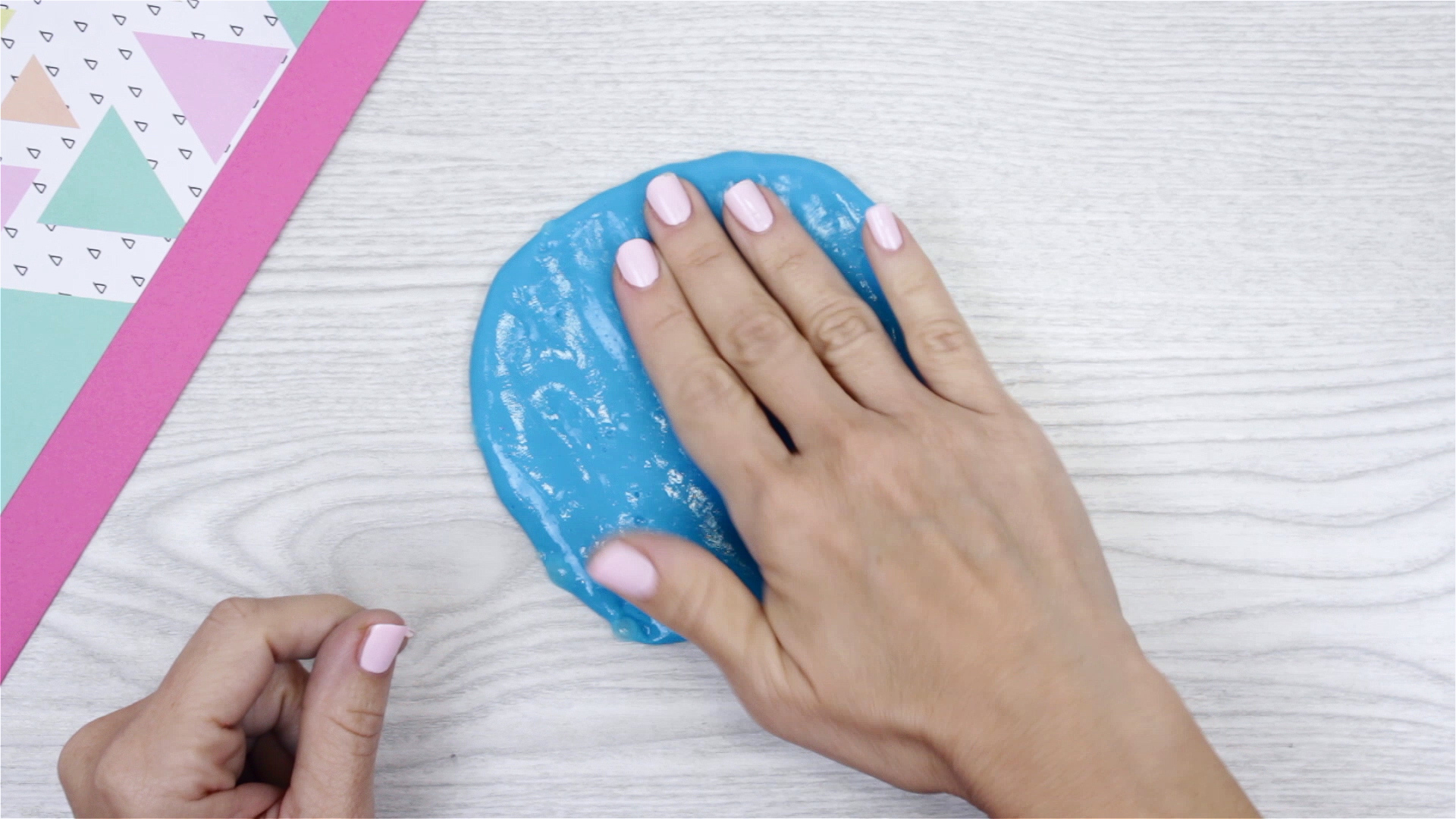
Slime is supposed to stretch like melted bubble gum in a cartoon. But sometimes, your perfect squishy masterpiece turns into something closer to a rubber eraser with trust issues. It snaps. It crumbles. It refuses to cooperate. One minute you have glossy, stretchy slime; the next, you are holding a stubborn blob that behaves like it has a personal grudge against fun.
The good news? In many cases, stiff slime is not ruined. It is usually overactivated, dried out, under-kneaded, or stored in a way that let moisture escape. With a little patience and a few household-friendly fixes, you can often make slime stretchy again without starting from scratch.
This guide explains how to make slime stretchy again in 8 practical steps, why slime gets hard in the first place, which ingredients help, which ones make things worse, and how to store slime so it stays soft longer. Whether you are rescuing fluffy slime, clear slime, butter slime, or classic glue-based slime, these tips will help you bring back that satisfying stretch.
Why Slime Stops Being Stretchy
Before you start adding everything from the bathroom cabinet into your slime, pause for a quick slime detective moment. Slime is usually made from a polymer, such as PVA school glue, and an activator, such as borate-containing contact solution, liquid starch, or a borax-water mixture. When these ingredients meet, they create a stretchy network of linked molecules. That network is what gives slime its pull, bounce, jiggle, and dramatic slow-motion stretch.
When slime becomes rubbery, the balance is off. Too much activator can create too many links, making the slime stiff and snappy. Too little moisture can make slime dense, dry, and tough. Too much air exposure can dry it out overnight. Some add-ins, such as foam beads, clay, instant snow, glitter, or pigment, can also change the texture over time.
Think of slime like cookie dough. A little adjustment makes it wonderful. Too much of the wrong thing makes it weird. And yes, both somehow end up on the table.
How to Make Slime Stretchy Again: 8 Steps
Step 1: Check What Kind of Slime Problem You Have
Do not fix your slime until you know what is wrong with it. Different problems need different solutions. Stretchy slime that feels slightly firm is easy to revive. Slime that breaks immediately may need moisture or softener. Slime that is sticky and runny needs a different approach than slime that is dry and rubbery.
Use this quick texture test:
- If the slime stretches a little but snaps: it is probably overactivated or dry.
- If the slime feels hard, rubbery, or bouncy: it likely has too much activator.
- If the slime tears into chunks: it may need moisture, lotion, glycerin, or fresh glue.
- If the slime is sticky and runny: do not add lotion yet; it may need more kneading or a tiny amount of activator.
- If the slime smells bad, looks dirty, or has been shared by many people: toss it. Slime is fun, not immortal.
This first step matters because the most common slime mistake is overcorrecting. People see stiff slime, panic, add half a bottle of lotion, then wonder why their slime has become a slippery pancake. Small changes work better than dramatic slime surgery.
Step 2: Warm the Slime With Your Hands First
The easiest fix is also the most overlooked: knead the slime with clean, warm hands for two to five minutes. Warmth helps relax the slime’s structure and may make it softer without adding anything. This is especially helpful if the slime was stored in a cool room, left near an air conditioner, or forgotten in a drawer like a tiny science experiment with abandonment issues.
Place the slime between your palms, press it flat, fold it, stretch it slowly, and repeat. Do not yank it fast. Slime often behaves like a non-Newtonian material, meaning it can stretch slowly but snap when pulled quickly. Treat it gently at first. If you pull it like you are testing a bungee cord, it may break even if it is fixable.
After a few minutes, check the texture. If the slime starts stretching farther, keep kneading. If it is still tough, move to the next step.
Step 3: Add Warm Water a Few Drops at a Time
Warm water is one of the simplest ways to soften slime that has dried out. The key phrase is a few drops. Do not dunk the whole blob into a bowl of water unless you want to create soup with regrets.
Put the slime in a clean bowl. Add about half a teaspoon of warm water. Fold and knead slowly until the water is absorbed. The slime may feel strange at first, but keep working it. If it improves but still needs more stretch, add another few drops.
This method works best for slime that feels dry, dense, or stiff from air exposure. It is also useful when slime was stored without a tight lid. Moisture evaporates over time, and slime loses its soft pull. Warm water helps restore some flexibility.
Avoid hot water. Hot water can change the slime too quickly, make it sticky, or weaken the texture. Lukewarm water is enough. Slime does not need a spa day in boiling water.
Step 4: Add Lotion for Softness and Stretch
If warm water helps but does not fully revive the slime, try lotion. Lotion can soften stiff slime and make it more flexible. Start with a pea-sized amount, then knead it in completely before adding more.
Use plain, unscented lotion if possible, especially for kids or anyone with sensitive skin. Strong fragrances, dyes, and fancy shimmer lotions may irritate skin or change the slime’s color. A simple lotion is usually the safest and most predictable choice.
Lotion works especially well for:
- Cloud slime that has become dry
- Butter slime that has lost softness
- Fluffy slime that feels stiff
- Classic white glue slime that snaps too quickly
However, lotion can make clear slime cloudy. If your goal is crystal-clear slime, use lotion carefully or consider glycerin instead. Clear slime is beautiful, but it is also dramatic. One wrong ingredient and suddenly it looks like frosted window gel.
Step 5: Use Glycerin for Overactivated Slime
Glycerin is a popular slime softener because it helps add flexibility without flooding the slime with water. It is especially useful for overactivated slime that feels rubbery or stiff. You can often find glycerin in craft stores, pharmacies, or baking aisles.
Add one or two drops of glycerin to the slime, then knead thoroughly. Wait before adding more. Glycerin is powerful, and too much can make slime sticky or overly loose. If the slime is still stiff after a few minutes, add one more drop and knead again.
This method is best when the slime has clearly become overactivated. That means there is too much activator compared with glue and moisture. Glycerin helps loosen the texture so the slime can stretch instead of snapping.
For clear slime, glycerin is often better than lotion because it is less likely to turn the slime cloudy. Still, add it slowly. Slime rewards patience. It punishes enthusiasm with stickiness.
Step 6: Add a Little Fresh Glue if the Slime Is Too Rubbery
If your slime feels like a rubber ball, it may need more base material. Adding a small amount of fresh PVA school glue can help rebalance slime that has too much activator. This works because glue contains the polymer that gives slime its stretch.
Place the stiff slime in a bowl and add about one teaspoon of white or clear school glue, depending on the slime type. Knead slowly. At first, the slime may feel sticky or uneven. Keep folding and pressing until the glue blends in. If needed, let it rest for five minutes, then knead again.
Use matching glue when possible. Add white glue to white or fluffy slime. Add clear glue to clear slime. If you use white glue in clear slime, the texture may improve, but the appearance will change. That is not a failure; it is just slime choosing a new personality.
Do not add a lot of glue all at once. Too much glue can make slime sticky and underactivated. If that happens, you may need a tiny amount of activator later, but only after kneading thoroughly.
Step 7: Let the Slime Rest Before Judging It
After adding water, lotion, glycerin, or glue, give the slime a short rest. Place it in an airtight container for five to ten minutes, then test it again. Slime texture often changes after ingredients have time to absorb and settle.
This is one of the biggest secrets to fixing slime: stop touching it for a moment. Many people keep adding ingredients because the slime does not improve instantly. Then, ten minutes later, they have a sticky puddle that looks like it gave up on life.
Resting helps the slime become more even. The added moisture or softener can spread through the mixture. The polymer network can relax. The texture may become smoother and more stretchy with less effort.
If the slime improves after resting but still snaps, repeat one small adjustment. Add a few more drops of warm water for dryness, one drop of glycerin for rubberiness, or a tiny bit of lotion for softness. Knead, rest, and test again.
Step 8: Store Slime Properly So It Stays Stretchy
Once your slime is stretchy again, protect your victory. Slime needs airtight storage. Use a clean plastic container with a tight lid, a resealable bag with the air pressed out, or a small slime jar. Keep it away from heat, direct sunlight, carpets, pets, and younger siblings with mysterious snack habits.
Wash hands before and after playing with slime. Clean hands help keep dirt, crumbs, hair, and germs out of the slime. A clean play surface also helps preserve texture. Slime that picks up dust and lint becomes less pleasant to stretch and more likely to end up in the trash.
Do not store slime uncovered. Even a few hours of air exposure can dry the surface. If the top forms a skin, knead it in gently or remove the dry layer. For longer storage, check the slime every few days. If it smells unpleasant, changes color unexpectedly, grows spots, or feels gritty and dirty, throw it away.
Best Ingredients to Make Slime Stretchy Again
Not every ingredient belongs in slime. Some help restore stretch, while others create chaos in a jar. Here are the most useful slime softeners and when to use them.
Warm Water
Warm water is best for slime that dried out from air exposure. It adds moisture and helps the slime loosen. Use only small amounts and knead slowly.
Lotion
Lotion makes slime softer and more flexible. It is great for butter slime, fluffy slime, and basic white glue slime. Choose unscented lotion when possible.
Glycerin
Glycerin is excellent for overactivated slime. It softens stiff slime without adding too much water. Use drops, not spoonfuls.
Fresh Glue
Fresh PVA glue can help rebalance rubbery slime. It is especially useful when too much activator made the slime tough and bouncy.
Clay or Soft Clay
For butter slime, a small amount of soft clay can improve texture. But too much clay may make slime dense, so add it carefully.
What Not to Add to Stiff Slime
Some “quick fixes” sound tempting but can ruin slime or make it unsafe. Avoid adding random household cleaners, detergent, perfume, hand sanitizer, toothpaste, or essential oils. These can irritate skin, create strong odors, or break the slime’s texture.
Also avoid adding too much activator when the slime is already stiff. Activator is useful for sticky slime, not rubbery slime. If your slime snaps, adding more activator is like telling a tired person to run a marathon. Technically possible? Maybe. Helpful? Absolutely not.
If children are making or fixing slime, adult supervision is important. Some slime ingredients can irritate skin or eyes, especially when used too much or handled for a long time. Keep slime away from mouths, eyes, open cuts, and pets. Wash hands after play and stop using slime if irritation appears.
How to Fix Different Types of Slime
How to Make Clear Slime Stretchy Again
Clear slime is sensitive. Use warm water or glycerin first. Avoid lotion unless you do not mind cloudiness. Knead slowly, then let the slime rest in a sealed container. Clear slime can trap bubbles during kneading, so let it sit overnight if you want it to look glassy again.
How to Make Fluffy Slime Stretchy Again
Fluffy slime often loses air and moisture over time. Add a pea-sized amount of lotion and knead. If it still feels dry, add a few drops of warm water. You can also add a tiny bit of shaving cream if the original recipe used it, but be careful because too much can change the structure.
How to Make Butter Slime Stretchy Again
Butter slime usually contains clay, so it may dry faster than regular slime. Lotion works well here. Add a small amount, knead until smooth, and repeat only if needed. If the slime feels crumbly, a few drops of warm water can help before adding more lotion.
How to Make Cloud Slime Stretchy Again
Cloud slime can become dry because instant snow absorbs moisture. Add warm water very slowly, then knead and fluff. Lotion may help, but too much can make cloud slime heavy. Use patience and small adjustments.
Common Mistakes When Trying to Fix Slime
The first mistake is adding too much too fast. Slime changes gradually. A drop of glycerin may not look powerful, but it can change the whole texture after kneading. The second mistake is pulling slime too aggressively. If it is already stiff, stretch it slowly until it loosens.
The third mistake is ignoring storage. You can fix slime today and ruin it tomorrow by leaving the lid open. Airtight storage is not optional; it is the slime version of a seatbelt.
The fourth mistake is trying to rescue slime that should be thrown away. If slime is dirty, smelly, moldy, or filled with mystery crumbs, it is time to say goodbye. Slime is inexpensive to remake, but skin irritation and germs are not worth the drama.
Real-Life Experience: What Actually Works When Slime Gets Tough
After fixing many sad little slime blobs, the biggest lesson is that slime usually needs less help than people think. The first instinct is to add something immediately, but the best first move is almost always kneading. A slime that feels stiff after sitting overnight may soften simply from warm hands and slow stretching. The transformation can be surprisingly dramatic. At first it snaps like a rubber band; three minutes later, it starts stretching like it remembered its job description.
The second lesson is that warm water is excellent, but only when used with discipline. A few drops can revive dry slime beautifully. A splash can turn it into a slippery disaster. The best method is to add warm water to the bowl, not directly into your palm. That gives you more control. Fold the slime over the water, press gently, and keep kneading until the wetness disappears. If the slime becomes glossy and smoother, you are on the right track.
Lotion is the friendliest fix for many beginner slime problems. It is easy to find, easy to mix in, and works especially well with fluffy or butter slime. The trick is to choose a simple lotion and add it slowly. A pea-sized amount can soften a medium blob of slime. More than that can make it too loose. If the slime starts feeling greasy, stop adding lotion and let it rest in a container for a few minutes.
Glycerin feels like the “advanced but worth it” option. It is wonderful for slime that has been overactivated and turned rubbery. One or two drops can make a stiff slime stretch again. However, glycerin is not something to pour casually. Too much can make slime sticky, and then you have a new problem wearing the costume of a solution.
Fresh glue is the fix that makes the most sense when the slime feels like a rubber toy. If too much activator made the slime stiff, adding a little more glue can restore balance. This takes more kneading than lotion or water, but it can save slime that seemed hopeless. The texture may look uneven at first. Keep folding, pressing, and stretching. After a few minutes, it often becomes softer and more elastic.
Storage is where many people lose the battle. A beautifully fixed slime can dry out again if it is left uncovered during dinner, homework, or a sudden “I forgot this existed” moment. The best habit is simple: play, knead, put it away. Press the lid tightly. If using a bag, squeeze out the extra air. Store slime in a cool place, not on a sunny windowsill.
One more experience-based tip: make notes if you create slime often. Write down what worked for each type. Clear slime may love glycerin. Butter slime may prefer lotion. Cloud slime may need tiny amounts of water. Once you learn how your slime behaves, fixing it becomes less like guessing and more like being a tiny, very sticky scientist.
Final Thoughts
Learning how to make slime stretchy again is mostly about restoring balance. If the slime is dry, add moisture. If it is overactivated, add a softener or a little fresh glue. If it is cold or underworked, warm it with your hands and knead patiently. The best fixes are small, slow, and controlled.
Slime may look silly, but it is a mini chemistry lesson in a container. A few drops of the right ingredient can bring back the stretch, softness, and squish that made it fun in the first place. And if your slime refuses to cooperate after several careful attempts? Thank it for its service, toss it safely, and make a fresh batch. Even slime deserves a dignified retirement.