Important medical note: Rabies is a medical emergency after a pose from a photo, a Google search, or your cousin’s “it looks fine to me” opinion. Once symptoms begin, rabies is nearly always fatal. The good news is that prompt medical care after an exposure can prevent it.
This guide is based on current public-health and clinical guidance from organizations including the CDC, MedlinePlus, the FDA, NIH/NCBI, Mayo Clinic, Cleveland Clinic, Johns Hopkins Medicine, Stanford Medicine Children’s Health, MSD Manuals, and U.S. state health departments.
Rabies has a dramatic reputation, and Hollywood has not exactly helped. The real disease can involve trouble swallowing, confusion, excessive saliva, fear of water, paralysis, and seizures. But the earliest warning signs can look annoyingly ordinary: fever, headache, fatigue, or tingling near a bite. That is why identifying a possible rabies exposure matters far more than waiting for unmistakable symptoms.
Can You Identify Rabies in Humans by Looking at Pictures?
Not reliably. There is no single rash, bite mark, facial expression, or “rabies look” that can confirm human rabies. A healed bite can look harmless. A scratch may be tiny. In some cases, a person may not remember a bite at all, especially after contact with a bat.
Photos can be useful for documenting an animal bite, swelling, redness, or a puncture wound for a healthcare professional. However, pictures cannot tell you whether the animal carried rabies or whether the virus entered your body. A wound photo is evidence of an injury, not a rabies test.
Picture Guide: What Photos May Showand What They Cannot Tell You
| What a Picture Might Show | What It Could Mean | What It Cannot Confirm |
|---|---|---|
| Puncture marks from teeth | A bite that broke the skin and needs medical evaluation | Whether the animal had rabies |
| Scratch, abrasion, or bleeding line | A possible route of exposure if saliva contacted broken skin | Whether rabies virus entered the wound |
| Redness, warmth, swelling, or drainage | Possible bacterial wound infection | Rabies infection specifically |
| A healed wound with little visible damage | The skin injury may have been minor or already closed | That rabies risk has passed |
| A person drooling, confused, or agitated | A serious neurologic or medical emergency | Rabies without urgent medical testing |
Bottom line: do not let a “small” bite fool you. Tiny bites, especially from bats, may leave marks that are difficult to notice. A small wound can still deserve a large amount of medical attention.
What Is Rabies and How Do Humans Get It?
Rabies is a viral infection that attacks the brain and nervous system. It is most often transmitted through the saliva of an infected mammal, usually after a bite. In the United States, animals associated with rabies risk commonly include bats, raccoons, skunks, foxes, and coyotes. Dogs, cats, and other pets can also pose a risk when they are not vaccinated or have been exposed to wildlife.
A bite is the most familiar route of exposure, but it is not the only one. Rabies virus can potentially enter through broken skin or through the eyes, nose, or mouth if infectious saliva or nervous-system tissue gets into those areas. Simply touching an animal’s fur, seeing a bat outdoors, or being near a healthy vaccinated pet does not automatically mean someone has been exposed.
Potential Rabies Exposure Situations
- A bite from a bat, raccoon, skunk, fox, coyote, dog, cat, or other mammal.
- A scratch that broke the skin and may have been contaminated with saliva.
- Saliva from a potentially rabid animal entering the eyes, mouth, nose, or an open wound.
- Waking up in a room with a bat when a bite cannot be ruled out, especially for children or people who were asleep, intoxicated, or unable to clearly report contact.
- Direct handling of a bat or wildlife animal that was acting strangely, sick, weak, disoriented, or unusually aggressive.
Do not try to decide your risk solely by whether an animal looked “mean.” Rabid animals do not always foam at the mouth or attack people. Some become quiet, weak, confused, unable to fly, unable to walk normally, or unusually friendly. Wildlife behaving oddly should be treated like a suspicious email attachment: do not click it, do not pet it, and definitely do not bring it into the house.
Early Rabies Symptoms in Humans
The period between exposure and symptoms is called the incubation period. It often lasts weeks to months, although timing varies. During this stage, a person may feel completely well. That delay is why people sometimes falsely assume that a bite from weeks ago is no longer relevant.
When symptoms begin, the earliest signs can resemble the flu or another common viral illness. They may include:
- Fever or chills
- Headache
- Weakness, fatigue, or general discomfort
- Loss of appetite
- Nausea or vomiting
- Sore throat
- Anxiety, irritability, or trouble sleeping
- Pain, itching, tingling, numbness, or burning near the bite or scratch site
The unusual sensation near a previous wound can be an important clue, but it is not present in every case. Early symptoms are nonspecific, meaning they can happen with many illnesses. That is exactly why healthcare professionals ask about animal contact, travel, unexplained bites, bat encounters, and recent scratches.
Later-Stage Rabies Symptoms: When the Brain and Nervous System Are Affected
As rabies progresses, it can cause severe inflammation and dysfunction in the brain. At this point, symptoms become more dramatic and dangerous. The illness usually progresses quickly after neurologic symptoms begin.
Furious Rabies Symptoms
Furious rabies is the form many people associate with movies. It may involve periods of intense agitation mixed with confusion and exhaustion. Symptoms can include:
- Severe anxiety, panic, agitation, or restlessness
- Confusion, delirium, or hallucinations
- Insomnia
- Excessive saliva or drooling
- Difficulty swallowing
- Painful throat spasms
- Hydrophobia, often described as fear of water
- Aerophobia, meaning sensitivity or panic triggered by moving air
- Seizures
Hydrophobia is not simply “being scared of a glass of water.” People with advanced rabies may experience painful spasms when trying to swallow liquids or even when seeing, hearing, or thinking about water. The body is reacting to severe neurologic dysfunction, not suddenly becoming dramatic for attention.
Paralytic Rabies Symptoms
Not every case looks like furious agitation. Paralytic rabies may develop more quietly and can initially resemble other neurologic conditions. Symptoms may include gradual weakness, reduced sensation, loss of muscle control, or paralysis that spreads through the body.
Because paralytic rabies can be less obvious, clinicians need to consider exposure history carefully. A recent bite, contact with bats, or unexplained animal exposure may be the key detail that connects unusual neurologic symptoms to rabies risk.
How Doctors Diagnose Rabies in Humans
Doctors do not diagnose rabies by looking at a bite photo or ordering one quick blood test. Suspected human rabies requires urgent evaluation and specialized testing. Testing may involve samples of saliva, blood serum, cerebrospinal fluid, and a small skin biopsy from the back of the neck near the hairline.
No single test is enough to rule rabies in or out before death. Healthcare teams use multiple tests because the virus and immune response may not appear consistently in every type of sample. The most important information often comes from combining symptoms, exposure history, public-health investigation, and laboratory testing.
This is another reason not to wait for symptoms. Once a person is already symptomatic, testing helps confirm the diagnosis and guide care, but prevention after a possible exposure is far more effective than trying to solve the mystery later.
What to Do Immediately After a Possible Rabies Exposure
If you were bitten, scratched, or had possible saliva contact from a bat or other potentially rabid mammal, act promptly. Do not wait for fever, drooling, tingling, or a dramatic “rabies symptom” to appear.
- Wash the wound right away. Rinse and wash bites and scratches thoroughly with soap and running water for about 15 minutes. This is a simple step with major importance.
- Seek medical advice urgently. Contact a healthcare professional, urgent care clinic, emergency department when appropriate, or local public-health department for a rabies risk assessment.
- Describe the animal and exposure clearly. Mention the type of animal, location, behavior, whether it was domestic or wild, whether the wound broke skin, and whether the animal can be observed or tested.
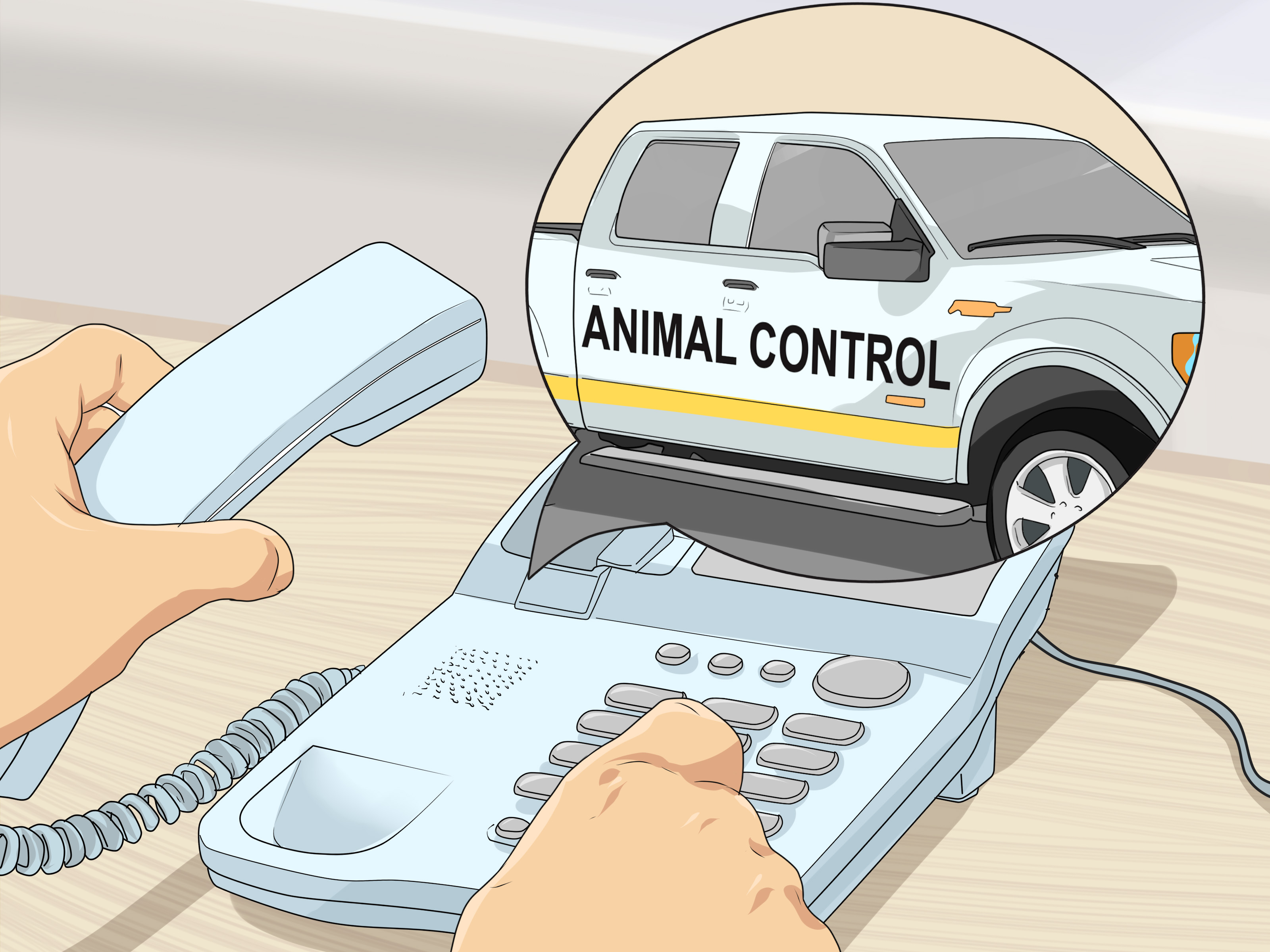
- Do not handle the animal yourself. Avoid trying to trap, feed, pet, or transport wildlife. Contact animal control or local public-health officials for instructions.
- Follow the recommended treatment plan. Rabies post-exposure prophylaxis may include wound care, rabies immune globulin, and a series of rabies vaccine doses for people who were not previously vaccinated.
Modern rabies prevention shots are not the old movie trope of painful injections in the stomach. Treatment plans are given according to current medical guidance and depend on the type of exposure and whether the person has received rabies vaccine before.
Rabies Symptoms in Children: What Parents Should Watch For
Children may be at higher risk of unnoticed exposure because they are more likely to touch animals, play outdoors, or keep a bite or scratch secret because they are worried about getting in trouble. A child may also have difficulty describing a tiny bat bite, tingling sensation, or animal encounter.
Parents should take any possible bite, scratch, or direct bat contact seriously. Ask simple, calm questions: “Did the animal touch you?” “Did it bite or scratch you?” “Did saliva get on your hands, eyes, or face?” Avoid turning the conversation into an interrogation scene from a crime show. The goal is accurate information, not a confession.
Call a healthcare professional promptly after a possible exposure, even when a child seems completely fine. Waiting for symptoms is not a safe strategy.
Common Myths About Human Rabies Symptoms
Myth: “If the bite healed, I am safe.”
False. A wound can heal while rabies virus continues traveling through nerves. Healing skin does not prove the exposure was harmless.
Myth: “Only dogs spread rabies.”
False. In the United States, wildlifeespecially bats, raccoons, skunks, and foxesare important sources of rabies risk. Dogs remain a major concern in some other parts of the world.
Myth: “Rabies always causes foaming at the mouth.”
False. Excess saliva and swallowing problems can occur, but they are not required. Rabies can also present with weakness, paralysis, confusion, insomnia, or seizures.
Myth: “I would know if a bat bit me.”
Not always. Bat teeth can leave very small marks, and some exposures may be difficult to recognize. Direct bat contact should be discussed with a healthcare professional.
Myth: “I can wait and get treatment only if symptoms start.”
False and dangerous. Rabies prevention works before symptoms begin. Once clinical signs appear, the disease is nearly always fatal.
Real-World Exposure Experiences: What People Commonly Learn Too Late
The scenarios below are educational composites, not individual patient stories. They show why rabies decisions should be based on exposure risk and professional guidance, not on appearance alone.
The “It Was Just a Tiny Scratch” experience: Someone reaches down to separate two neighborhood cats that are fighting. One cat leaves a narrow scratch on the hand. It barely bleeds, so the person rinses it for a few seconds and forgets about it. Days later, they learn the cat was stray or had been fighting wildlife. The lesson is not that every scratch causes rabies; most do not. The lesson is that scratches which break skin may need a risk assessment when saliva exposure is possible.
The “The Bat Was in the Bedroom” experience: A homeowner wakes up and notices a bat near the curtain. Nobody remembers being bitten, and no one sees a wound. The temptation is to open a window, let the bat leave, and tell the story later as an unwanted midnight guest. But a bat encounter can require prompt advice when a bite or scratch cannot be confidently ruled out, particularly for a sleeping person, young child, or someone unable to explain what happened. The key lesson is that uncertainty is not a reason to delay; it is a reason to ask.
The “The Dog Looked Healthy” experience: A traveler is nipped by a friendly-looking dog while walking near a beach, market, hiking trail, or rental property. The dog runs off, and the bite is small. The person feels embarrassed about seeking care because the animal did not look aggressive. But appearance does not establish vaccination status or rabies risk. The practical next step is to wash the wound thoroughly and seek medical and public-health guidance in the location where the exposure happened.
The “I Thought Symptoms Would Be Obvious” experience: Someone recalls a prior bite only after developing fever, headache, anxiety, or tingling near an old wound. These symptoms are not specific to rabies, and many common illnesses can cause them. However, a recent animal exposure changes the urgency of the situation. A clinician needs the full timeline: when the exposure happened, what animal was involved, where it occurred, whether the wound broke skin, and whether rabies prevention treatment was received.
The “Online Photos Made Me Panic” experience: A person searches image results for “rabies in humans” after an animal bite. They see frightening images and become convinced they have rabies because their wound is red, swollen, or bruised. In reality, redness and swelling may point to a bacterial wound infection, inflammation, or normal healing rather than rabies. The correct response is not to self-diagnose from images. It is to document the wound, wash it, and get professional advice about both rabies prevention and wound care.
Across all of these experiences, the most useful question is not “Do I look like I have rabies?” It is “Could I have had a rabies exposure, and have I been medically assessed?” That small shift in thinking can turn panic into a practical plan.
Final Takeaway
Human rabies is rare in the United States, but it is too serious to gamble with. The first symptoms can look like a routine viral illness, while later symptoms can involve confusion, painful swallowing, hydrophobia, excessive saliva, paralysis, seizures, and coma. Pictures may document a bite or scratch, but they cannot diagnose rabies.
After a possible exposure, wash the area thoroughly and get urgent guidance from a healthcare professional or public-health authority. The smartest way to identify rabies is not to wait for its symptoms. It is to recognize a possible exposure early enough to prevent the disease.