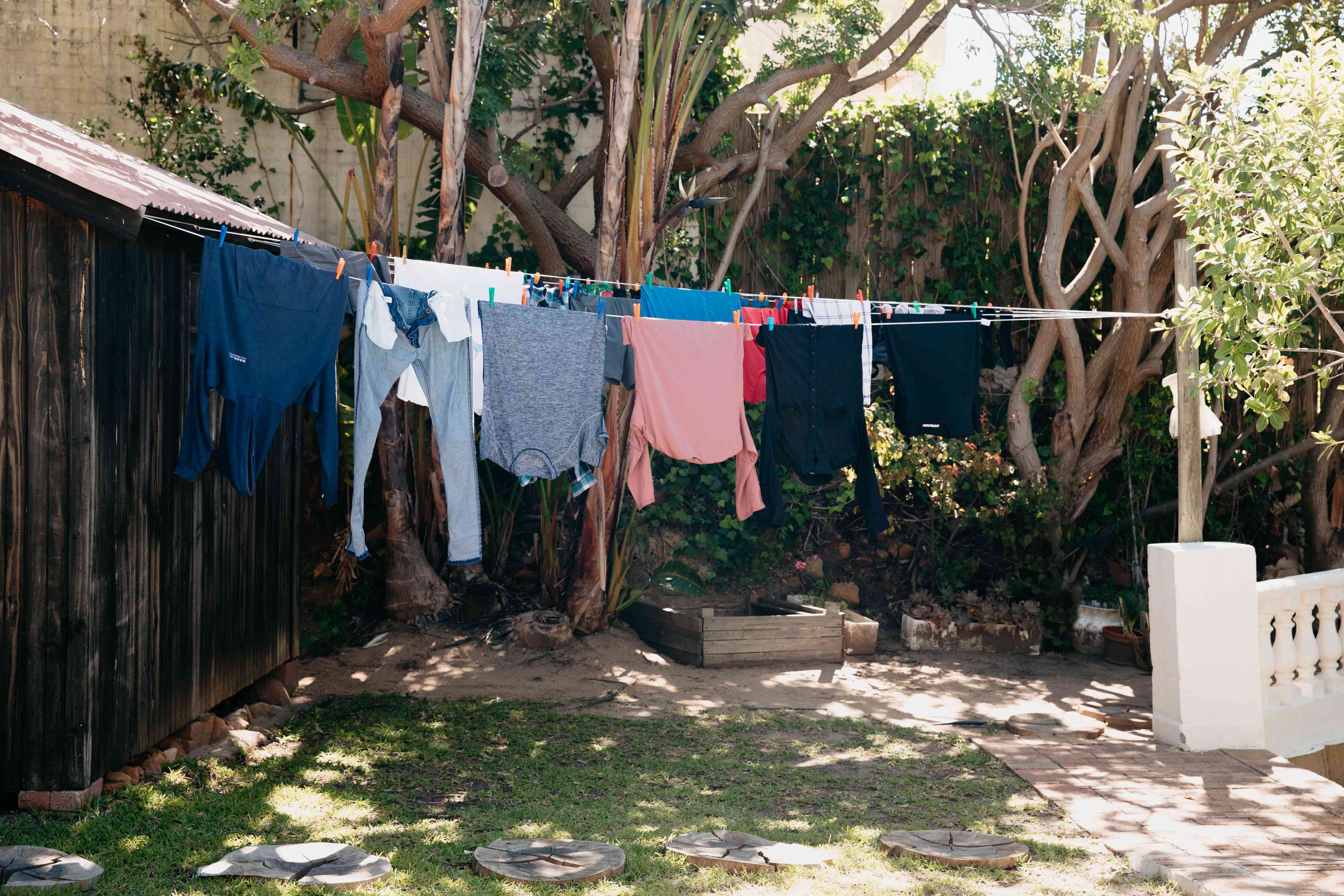
There is something oddly satisfying about hanging clothes on a clothesline. Maybe it is the fresh-air smell. Maybe it is the gentle snap of a towel in the breeze. Or maybe it is the tiny feeling of victory that comes from not feeding another load of laundry to the dryer like it is a hungry metal dragon. Whatever the reason, learning how to hang clothes on a clothesline is one of those simple home skills that saves money, helps clothing last longer, and makes laundry feel a little less like a chore invented by a mischievous sock goblin.
Line drying clothes is not complicated, but doing it well does require a little strategy. Hang a shirt the wrong way, and you may end up with shoulder bumps that make you look like you are smuggling coat hangers. Crowd towels together, and they may dry with the enthusiasm of wet cardboard. Leave dark clothes baking in direct sun all afternoon, and your favorite black T-shirt may start auditioning as charcoal gray.
This complete guide explains how to hang clothes on a clothesline the right way, from choosing the best spot to arranging shirts, pants, towels, sheets, socks, delicates, and heavier fabrics. You will also learn how to reduce wrinkles, prevent clothespin marks, speed up drying time, avoid stiff towels, and handle indoor line drying when outdoor space is limited.
Why Line Drying Clothes Is Worth It
Line drying is one of the oldest laundry methods, but it still makes sense in a modern home. A clothes dryer is convenient, no question. It is also one of the more energy-hungry appliances in many households. Hanging clothes to dry can reduce electricity or gas use, lower utility bills, and reduce wear caused by heat and tumbling.
Clothes also benefit from a gentler drying process. Heat can shrink fabrics, weaken elastic, fade colors, and roughen fibers over time. Air drying is slower, but it is kinder to many garments, especially cotton shirts, jeans, activewear, delicate blouses, bras, sweaters, linen, and anything with care-label instructions such as “line dry,” “dry flat,” or “dry in shade.”
Then there is the smell. Freshly line-dried laundry has a clean, breezy scent that no dryer sheet can fully imitate. Dryer sheets try. They do their best. But a sunny afternoon and a light breeze are hard to beat.
Before You Start: Check the Care Label
The first rule of hanging clothes on a clothesline is simple: read the care label before you wing it. Clothing tags are not just tiny scratchy scrolls designed to annoy your neck. They tell you whether the item should be tumble dried, line dried, dried flat, drip dried, or kept away from direct sunlight.
If a label says “line dry,” hang the damp garment from a line or bar. If it says “dry flat,” lay it horizontally on a drying rack or clean towel so it keeps its shape. If it says “line dry in shade,” keep it away from strong sun to prevent fading or fabric damage. If it says “drip dry,” hang the garment while it is still quite wet and allow water to drain naturally, ideally over a tub, shower, or outdoor area.
This matters most for sweaters, delicate knits, silk-like fabrics, rayon, lace, embellished clothing, and stretch fabrics. A cotton towel is forgiving. A wool sweater is not. Treat the label like a tiny laundry fortune cookie with actual consequences.
Choose the Best Place for Your Clothesline
The right clothesline location can make the difference between fresh, dry laundry and a sad row of damp fabric still clinging to moisture at sunset. The best spot has three things: airflow, space, and cleanliness.
Look for Sun and Breeze
Sun helps whites look brighter and speeds drying, while moving air helps moisture evaporate. A breezy location is often more important than blazing sun, especially for thick towels and jeans. If your yard has both sun and wind exposure, congratulations: your laundry has found its spa retreat.
Protect Dark Colors From Harsh Sun
Direct sunlight can fade dark or brightly colored clothes. For black jeans, navy shirts, red dresses, and printed tees, use shade or turn the items inside out before hanging. Whites, sheets, and light towels can handle more sun and may even benefit from the brightening effect.
Avoid Trees, Dust, Smoke, and Bird Zones
A tree may look like a perfect natural clothesline companion, but birds have opinions, and they express them from above. Avoid placing laundry under trees, near dusty roads, close to barbecue smoke, or anywhere pollen and debris are likely to settle on damp fabric.
Essential Clothesline Supplies
You do not need fancy tools to hang clothes well, but a few basics make the process easier.
Clothesline
Use a strong outdoor clothesline that can hold the weight of wet laundry. Cotton rope may stretch and sag, while coated lines, retractable lines, umbrella clotheslines, and metal-core lines often offer better support. Keep the line clean by wiping it before each use, especially if it has been outdoors collecting dust.
Clothespins
Choose sturdy clothespins that grip well without crushing fabric. Wooden clothespins are classic and effective, while soft-grip pins can help reduce marks on delicate garments. Keep clothespins dry between uses so they do not grow mold, rust, or stain clothing.
Drying Rack or Mesh Rack
A drying rack is useful for sweaters, delicates, heavy knits, and indoor drying. A mesh rack allows air to circulate under flat-dry items, which helps them dry more evenly.
Hangers
Plastic or rustproof hangers are excellent for button-down shirts, dresses, camisoles, and lightweight tops. Clip the hanger to the line so wind does not send your shirt sailing into the neighbor’s yard like a very soft kite.
How to Hang Clothes on a Clothesline Step by Step
1. Shake Each Item Before Hanging
After washing, give every item a firm shake. This helps loosen wrinkles, separate fabric layers, and restore the garment’s shape. It also keeps sleeves, legs, and hems from drying in twisted clumps. Laundry has a memory; if you hang it crumpled, it often dries crumpled.
2. Smooth Seams and Hems
Use your hands to smooth collars, button plackets, pant legs, towel edges, and shirt hems. This small step can reduce ironing later. In fact, careful hanging is basically ironing’s quieter cousin.
3. Leave Space Between Items
Do not crowd the line. Clothes need airflow to dry quickly and smell fresh. Leave a few inches between items whenever possible. If garments touch and overlap, moisture gets trapped, drying slows down, and musty odors may appear.
4. Put Heavier Items Toward the Outside
If you are using a rotary clothesline or several parallel lines, place heavier items such as jeans, towels, and sweatshirts where they get the most airflow. Lighter items such as T-shirts, socks, and pillowcases can go in less exposed areas.
5. Bring Clothes in When Dry
Leaving clothes on the line for too long can cause fading, stiffness, pollen buildup, or surprise weather drama. Once items are dry, take them down, fold them, and put them away. Yes, the “put them away” part is technically optional in many households, but laundry chairs are not a long-term storage solution. They are just chairs with ambition.
How to Hang Shirts
Hang T-shirts and casual tops from the bottom hem, not the shoulders. This helps prevent shoulder bumps and makes clothespin marks less noticeable. Turn dark shirts inside out to protect color from the sun. Use two clothespins at the side seams or lower corners so the shirt hangs evenly.
For button-down shirts, give the collar and button placket a quick smoothing. Hang them on rustproof hangers, button the top button or two, and clip the hanger to the line. This method helps preserve shape and reduces wrinkles. If you prefer to pin them directly, hang from the hem and align the side seams.
How to Hang Pants and Jeans
Pants and jeans are heavy when wet, so they need support. Hang them from the waistband using two or more clothespins. This keeps the heavier waistband at the top and allows the legs to hang straight. Smooth the pockets and seams before pinning.
For faster drying, open the waistband and separate the legs slightly so air can move through the fabric. Jeans may take longer than almost anything else on the line, because denim likes to behave as though it has signed a contract with moisture. Turn jeans inside out if you want to reduce fading.
How to Hang Towels
Towels dry best when they are spread out and given plenty of airflow. Hang each towel by one short edge and secure it with two clothespins. Avoid folding towels thickly over the line, because doubled fabric takes longer to dry and may feel stiff.
To reduce stiffness, shake towels hard before hanging and again before folding. You can also remove them while they are just barely damp and finish them briefly indoors, or tumble them for a few minutes on low heat if you want a softer finish. Line-dried towels may never feel as fluffy as dryer-tumbled towels, but they can still be fresh, absorbent, and pleasantly crisp.
How to Hang Sheets and Bedding
Sheets are large, but they are easy to line dry when handled properly. Fold a sheet in half over the line, matching the corners, and pin it securely. If you have enough space, hang sheets across two lines to create an air pocket between layers. This helps them dry faster.
Pillowcases can be pinned from the open end or clipped by two corners. For duvet covers, shake them well, turn them right side out, and open the corners so air can circulate inside. A trapped wet corner can stay damp long after the rest of the bedding is dry.
How to Hang Socks and Underwear
Socks can be pinned by the toes or cuffs. Pinning by the toes helps elastic cuffs avoid stress, while pinning by the cuffs can be faster. Either way, pair socks near each other unless you enjoy running a tiny textile detective agency later.
Underwear should be hung by sturdy seams or waistbands. For privacy, place smaller items on inner lines, behind towels, or on a foldable rack. This is not required, of course, but your laundry does not need to become the neighborhood newsletter.
How to Hang Delicates and Activewear
Delicate items need gentle handling. Use soft-grip clothespins, hangers, or a drying rack. Bras should usually be dried flat or hung from the center gore rather than by the straps, which can stretch. Lace, mesh, and lightweight fabrics should be kept away from rough pins and harsh sun.
Activewear often contains elastic fibers that do not love high heat. Air drying helps preserve stretch, shape, and performance. Turn leggings and workout tops inside out, smooth them by hand, and hang them from waistbands or hems.
How to Dry Sweaters and Knits
Sweaters and heavy knits should usually be dried flat, not pinned to a clothesline. Wet knits can stretch under their own weight. Lay them on a clean towel or mesh drying rack, reshape the shoulders and sleeves, and turn them once during drying. If the care label says “dry flat,” believe it. The label has seen things.
Common Clothesline Mistakes to Avoid
Using Dirty Clothespins
Dirty pins can leave marks on clean clothing. Store them in a dry bag or basket and replace any that are rusty, moldy, or splintered.
Overloading the Line
Wet laundry is heavy. Too much weight can make the line sag, stretch, or break. Spread heavy items across multiple lines when possible.
Hanging Clothes Too Late in the Day
If you hang laundry late in the afternoon, it may not dry before evening humidity rises. Morning or early afternoon is usually best.
Ignoring Allergies
Outdoor drying may expose clothing to pollen, mold spores, dust, or pollution. If someone in your home has allergies, consider indoor drying during high-pollen days.
Leaving Clothes in Full Sun Too Long
Sunlight is helpful, but too much of it can fade colors. Bring clothes in when dry, especially dark garments.
Indoor Clothesline Drying Tips
No yard? No problem. You can line dry clothes indoors with a drying rack, shower rod, retractable line, wall-mounted rack, or hangers. The secret is airflow. Place items near an open window, fan, or well-ventilated area. Keep garments separated so moisture can escape.
Avoid drying too many wet clothes in a small closed room. Excess humidity can make drying slow and may encourage musty odors. If you live in a humid climate, use a fan or dehumidifier. Never place wet clothes directly on radiators or heaters unless the manufacturer says it is safe, because heat can damage fabric and create safety risks.
How to Make Line-Dried Clothes Less Stiff
Stiffness happens when water evaporates and fibers dry without movement. Towels and denim are the usual suspects. To soften line-dried clothes, shake each item before hanging and again when taking it down. Use the right amount of detergent, because residue can make fabrics feel rough. Adding white vinegar to the rinse cycle may help reduce detergent buildup, but always check your washer instructions and fabric care guidance first.
You can also give towels a short low-heat tumble after line drying, or take them down while slightly damp and fluff them by hand. The goal is not to make every towel feel like a hotel cloud. The goal is to avoid exfoliating your face with something that feels like a welcome mat.
How Long Does It Take Clothes to Dry on a Clothesline?
Drying time depends on fabric weight, humidity, temperature, sunlight, airflow, and how much water remains after the washer spin cycle. Lightweight shirts may dry in one to three hours on a warm breezy day. Sheets may dry quickly if spread well. Towels, hoodies, and jeans can take several hours.
To speed things up, use a high spin cycle when appropriate, shake items open, avoid overlapping fabric, and give thick garments the breeziest spots. If clouds roll in or the air turns damp, move laundry indoors before it absorbs moisture again.
Extra Experience: Real-Life Clothesline Lessons That Make Laundry Easier
After you have used a clothesline for a while, you start to develop small habits that make the whole process smoother. One of the best lessons is to hang laundry in categories. Start with large items such as sheets and towels, then move to shirts, pants, and smaller pieces. This keeps the line organized and prevents the classic problem of finding one damp sock hiding inside a pillowcase three hours later.
Another useful habit is to hang clothes in the order you plan to fold them. Put family members’ clothes in sections, or keep shirts together, pants together, and towels together. When everything is dry, taking laundry down becomes faster. You can fold directly into a basket instead of creating a fabric mountain on the couch. Fabric mountains are impressive, but they rarely improve home organization.
Weather awareness also becomes second nature. A sunny day is helpful, but wind is the true champion of line drying. A warm still day may dry clothes more slowly than a cooler breezy day. Before hanging a full load, check whether the air feels damp. If humidity is high, choose thinner items for outdoor drying and save towels or jeans for a better day.
Clothespin placement matters more than beginners think. Pin clothes at seams, hems, waistbands, or sturdy edges. This hides marks and protects delicate areas. For shirts, pinning at the bottom hem works better than pinning shoulders. For pants, the waistband is usually strongest. For towels, two pins on the short edge prevent sagging. For sheets, extra pins save you from chasing bedding across the lawn like a low-budget action scene.
One practical trick is to keep a small “laundry rescue kit” near the line. Include extra clothespins, a clean cloth for wiping the line, a mesh bag for socks, and a basket liner for delicate items. If your clothesline is outside, store the kit indoors or in a weather-safe container. Clean tools keep clean laundry clean. That sounds obvious, but laundry has a way of punishing overconfidence.
For busy households, partial line drying can be a great compromise. You do not have to line dry every single item to benefit. Hang delicate clothes, jeans, sheets, and shirts, then use the dryer for items that need fluffing. Even air drying one or two loads a week can reduce dryer use and help favorite clothes last longer.
Finally, do not chase perfection. The best clothesline routine is the one you will actually use. Some days your towels may be slightly crisp. Some days a shirt may need a quick steam. Some days a surprise breeze may turn a pillowcase into a flag of surrender. That is fine. Hanging clothes on a clothesline is not about creating museum-quality laundry. It is about saving energy, caring for fabrics, enjoying fresher clothes, and turning an ordinary chore into a simple, useful rhythm.
Conclusion
Learning how to hang clothes on a clothesline is a practical skill that rewards you every laundry day. With the right clothesline setup, clean clothespins, good spacing, and fabric-friendly hanging methods, you can dry clothes naturally while reducing wrinkles, fading, stiffness, and unnecessary dryer wear. Shirts do best from the hem, pants from the waistband, towels spread wide, sheets with airflow, and sweaters flat on a rack. Add a little sun, a little breeze, and a little common sense, and your laundry routine becomes cheaper, gentler, and surprisingly satisfying.