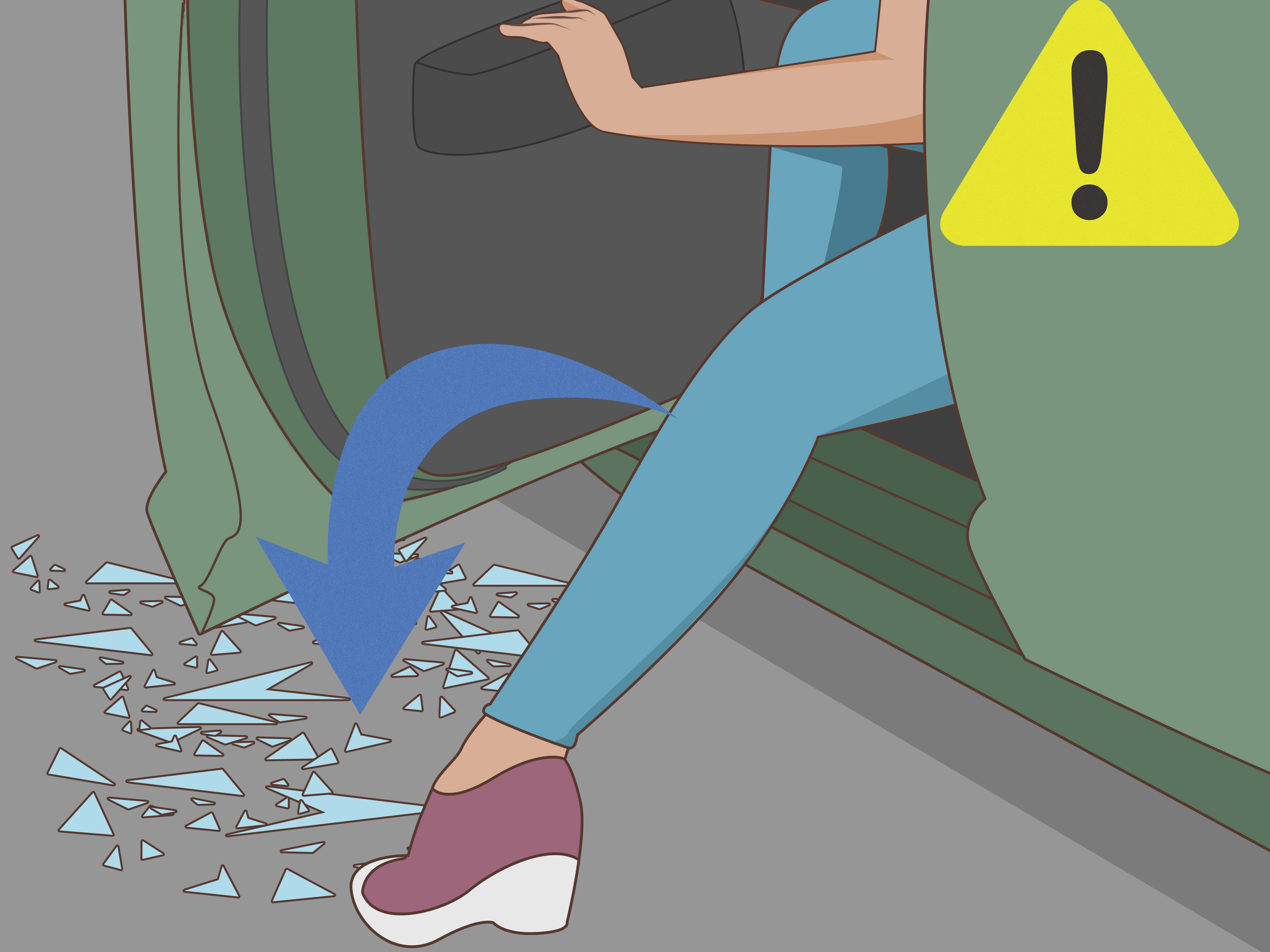
Getting locked in or around a car is one of those moments that can turn a perfectly normal day into a tiny personal disaster with cup holders. Maybe the power locks stopped working. Maybe a child climbed into the vehicle and shut the door. Maybe a pet is inside on a warm day. Or maybe you are sitting in the car, the doors will not open, and your brain has suddenly decided to take a coffee break.
First, breathe. Most car lockout situations can be handled safely if you stay calm, check the obvious exits, and call the right help quickly. But there is one important rule: if a child, pet, elderly person, or anyone medically vulnerable is trapped in a vehicle, treat it as urgent. Cars can heat up dangerously fast, even when the weather does not feel extreme. In an emergency, saving a life matters more than saving a window.
This guide explains how to get out of a locked car in 8 steps, what to do if someone else is trapped inside, when to call 911, and how to prevent the problem from happening again. It is written for real-life safety, not movie-style car break-ins. No spy tools, no suspicious parking-lot gymnastics, and no “my cousin saw this on the internet” tricks.
Important Safety Note Before You Start
This article is for lawful, emergency, and personal safety situations only. If the vehicle is not yours, or you do not have clear permission from the owner, call emergency services, roadside assistance, property security, or local law enforcement. Do not attempt to force entry into a vehicle unless there is an immediate safety emergency, such as a child, pet, or unconscious person trapped inside.
How to Get Out of a Locked Car: 8 Steps
Step 1: Stay Calm and Check Your Situation
The first step sounds simple, but it is the one people skip most often: pause for five seconds. Panic makes doors look more complicated than a tax form. Before doing anything dramatic, check where you are, who is inside the car, and whether anyone is in immediate danger.
Ask yourself:
- Am I locked inside the car, or are my keys locked inside while I am outside?
- Is a child, pet, or vulnerable adult trapped in the vehicle?
- Is the car in direct sun, extreme heat, freezing cold, traffic, floodwater, or another hazardous place?
- Is anyone showing signs of distress, dizziness, confusion, heavy sweating, trouble breathing, or unconsciousness?
If there is immediate danger, skip the casual troubleshooting and call 911. If everyone is safe and the car is parked in a secure place, you have time to work through the next steps carefully.
Step 2: Try Every Door from the Inside
If you are locked inside the car, start with the basics. Try the driver’s door, passenger door, rear doors, and hatch or trunk release if your vehicle has one. Some cars have child safety locks on the rear doors, which means the back doors may not open from the inside even though the front doors do.
If you are in the back seat and the rear doors will not open, move to the front seat if possible. Try the front interior door handles, central unlock button, and manual lock switches. In many vehicles, pulling the inside front door handle may unlock and open the door at the same time. In others, you may need to press the unlock button first.
Also check whether the window controls still work. If the ignition accessory mode is available, a window may roll down even when the doors are locked. Once a window is open, you may be able to call out for help, reach an exterior handle, or safely exit if the opening is large enough.
Step 3: Look for Manual Unlock Controls
Modern cars love electronics, but many still include manual unlock options. Look near the door handle, on the door panel, or along the top edge of the door for a lock lever, tab, or button. Some vehicles have a physical lock pin that moves up and down. Others use a small switch near the handle.
If the battery is dead, electronic locks may not respond, but manual handles and mechanical lock switches might still work. Try each door slowly and deliberately. Do not yank so hard that you break the handle. A broken handle turns a lockout into a repair bill with emotional seasoning.
If a child is inside and old enough to understand instructions, speak calmly through the window. Ask the child to press the unlock button, pull the door handle, or move to the front door if safe. Use simple words: “Press the button with the open lock,” or “Pull the handle once.” Avoid yelling unless there is danger; fear can make a child freeze.
Step 4: Call for Help Immediately if Someone Is Trapped
If a person or pet is trapped inside and cannot get out quickly, call for help. In the United States, call 911 for emergencies. This is especially important if the person inside is a baby, young child, older adult, disabled person, unconscious person, or anyone with a medical condition.
Heat is a major concern. A parked car can become dangerous in minutes, even when the outside temperature seems mild. Children are especially vulnerable because their bodies heat up faster than adult bodies. Cracking a window is not enough to make a hot car safe.
When calling 911, give the dispatcher clear information:
- Your exact location, including parking lot name, street address, or nearby landmarks.
- The vehicle’s make, model, color, and license plate if available.
- Who is trapped inside and their condition.
- Whether the car is in direct sun, extreme heat, traffic, or another danger zone.
- What you have already tried.
If you are outside the vehicle and a child or pet is in distress, follow the dispatcher’s instructions. Emergency responders can advise you on what to do next based on local law and the urgency of the situation.
Step 5: Use Roadside Assistance or a Professional Locksmith
If the situation is not life-threatening, call roadside assistance, your auto insurance provider, a professional locksmith, or the vehicle manufacturer’s assistance line. Many drivers have lockout coverage and do not realize it. Your plan may come through AAA, your insurance policy, your car warranty, your credit card, or an automaker app.
Professional help is usually the safest option because trained technicians can unlock the vehicle without damaging weather stripping, glass, paint, or electronic components. That matters because modern vehicles often include side airbags, anti-theft systems, sensors, and delicate wiring inside the doors.
Before calling, gather useful details:
- Your location.
- Vehicle year, make, and model.
- Whether the key is inside the car, lost, broken, or locked in the trunk.
- Whether the engine is running.
- Whether anyone or any pet is inside.
If you are in a parking garage, airport lot, hospital, school, or shopping center, also contact security or management. They may help direct emergency responders or roadside assistance to your exact location.
Step 6: Use Your Vehicle App, Spare Key, or Remote Access
Many newer vehicles can be unlocked through a smartphone app connected to the manufacturer. Depending on the brand and subscription status, you may be able to unlock the car remotely, start climate control, sound the horn, or locate the vehicle. This is one of the few times when forgetting your password feels more urgent than forgetting your anniversary.
Check whether your vehicle supports an app such as a manufacturer remote services app. If you already set it up, log in and look for remote unlock. If you have not set it up, it may not help immediately, but a dealership or manufacturer support line may be able to explain your options.
Also consider spare keys. Call a family member, roommate, friend, coworker, or neighbor who may have access to your spare. If you are at home, look in your usual key storage place. If you use a magnetic hide-a-key box, make sure it is actually yours and that using it does not put you in an unsafe location, such as crouching near traffic.
For rental cars, call the rental company. For company vehicles, contact your fleet manager or workplace contact. For rideshare or car-share vehicles, use the app’s emergency or support feature.
Step 7: Know When Breaking a Window Is the Right Emergency Choice
Breaking a car window should never be your first choice in a normal lockout. Glass is dangerous, repairs are expensive, and modern vehicles are not designed for heroic movie scenes. However, if someone inside is in immediate danger and emergency help cannot arrive fast enough, forced entry may be necessary.
Examples of true emergencies include:
- A baby or child is locked inside on a hot day and appears distressed.
- A person inside is unconscious, confused, or struggling to breathe.
- A pet is trapped in dangerous heat and showing signs of collapse or severe distress.
- The vehicle is in floodwater, fire, traffic danger, or another immediate hazard.
If you are dealing with an emergency, call 911 first if possible and follow instructions. If a window must be broken, choose a window away from the trapped person or animal to reduce the risk of injury from glass. After entry, move the person or pet to safety and begin cooling measures or first aid as directed by emergency responders.
Good Samaritan laws may protect people who act reasonably to help someone in danger, but laws vary by state. That is another reason to call 911 and document what is happening before taking action when seconds allow.
Step 8: After You Are Safe, Prevent the Next Lockout
Once everyone is safe and the vehicle is open, take a moment to prevent a repeat performance. Car lockouts have a talent for happening at the worst possible time: before work, during rain, at the grocery store, or when you are holding melting ice cream and questioning your life choices.
Try these prevention tips:
- Keep a spare key with a trusted person.
- Use a key tracker or smart tag on your key ring.
- Set up your vehicle’s remote unlock app before you need it.
- Replace weak key fob batteries before they fail.
- Never hand keys to a toddler inside a vehicle.
- Make a habit of looking in the back seat before locking the car.
- Keep doors locked when the car is parked so children cannot climb in unnoticed.
- Store keys out of reach of children.
If the lockout happened because of a malfunction, schedule a repair. A sticky door latch, failing actuator, weak battery, or unreliable key fob can turn from annoying to unsafe quickly.
What Not to Do During a Car Lockout
When you search online for car lockout advice, you may find suggestions involving coat hangers, wedges, strings, or other improvised tools. For safety and legal reasons, avoid those methods. They can damage the car, trigger airbags, scratch glass, bend the door frame, or make you look like you are auditioning for a low-budget crime documentary.
Do not:
- Try to force the door open unless there is an immediate emergency.
- Use tools near airbags, wires, or door electronics.
- Leave a child or pet inside while you “just run inside for a minute.”
- Ignore signs of heat illness.
- Attempt to unlock a vehicle that is not yours without permission.
- Wait too long to call emergency services when someone is trapped.
Signs a Locked Car Situation Has Become an Emergency
A lockout becomes an emergency when time, temperature, health, or location creates danger. Watch for these warning signs:
- Heavy sweating or suddenly stopped sweating.
- Red, hot, or dry skin.
- Confusion, sleepiness, panic, or unusual behavior.
- Vomiting, weakness, or dizziness.
- Rapid breathing or trouble breathing.
- A child who is crying weakly, limp, or unresponsive.
- A pet panting heavily, drooling, collapsing, or unable to stand.
If you see these signs, call 911 immediately. Heatstroke can become life-threatening fast. Move the person to a cooler place as soon as safely possible and follow emergency instructions.
Special Situations: Children, Pets, and Older Adults
If a Child Is Locked in a Car
Call 911 if the child cannot be released right away, especially in warm weather. Keep the child calm if they are responsive. Ask them to unlock the door only if they are old enough to understand. Stay beside the vehicle until help arrives. Do not leave to search for the owner if the child appears distressed; send someone else if possible.
If a Pet Is Locked in a Car
Pets can overheat quickly, especially dogs with short noses, thick coats, heart conditions, or older age. Call local authorities, animal control, or 911 depending on the severity and your local emergency system. If the animal is alert and the weather is cool, look for the owner nearby while continuing to monitor the pet. If the animal is in visible distress, treat it as urgent.
If an Older Adult or Medically Vulnerable Person Is Locked In
Call 911 if they cannot exit immediately or if they appear confused, weak, overheated, cold, or medically unstable. People with dementia, mobility limitations, diabetes, heart disease, or breathing problems may not be able to explain what is wrong or act quickly.
Why Cars Become Dangerous So Quickly
Cars trap heat like tiny greenhouses with seat belts. Sunlight enters through the windows, warms the dashboard, seats, and interior surfaces, and the heat builds. Even when the outside temperature feels comfortable, the inside of a parked car can rise quickly. Cracked windows do not solve the problem.
This is why safety organizations repeat the same message every year: never leave children or pets unattended in vehicles. Not for a quick errand. Not while paying for gas. Not while grabbing one item. The errand may take “just a minute,” but the checkout line has other plans.
of Real-Life Experience and Practical Lessons
Anyone who has dealt with a car lockout knows the emotional stages: disbelief, pocket-patting, window-peering, bargaining, mild embarrassment, and finally calling someone who will absolutely mention it at Thanksgiving. The good news is that most lockouts teach useful lessons, even if they are delivered with the grace of a dropped grocery bag.
One common experience happens at gas stations. A driver steps out, closes the door, and realizes the keys are sitting in the cup holder. The engine may still be running, the phone may be inside, and the driver suddenly becomes very interested in the reflective properties of car windows. In this situation, the smartest move is to ask the station attendant for help calling roadside assistance or local police if needed. Gas stations usually have clear addresses, cameras, staff, and people nearby, which makes getting help easier.
Another familiar story involves parents loading children into car seats. The parent places the keys on the front seat, buckles the child in, shuts the door, and then hears the locks click. This is terrifying because children may not understand instructions, and weather can change the risk level fast. The lesson is simple: keep keys in your hand, pocket, or bag until every door is open or you are already seated. Some parents use a lanyard or clip keys to a belt loop during school drop-off and errands. It may not be glamorous, but neither is explaining to a toddler why firefighters are suddenly visiting the minivan.
Pet owners have their own lockout stories. Dogs are surprisingly skilled at stepping on lock buttons at the exact wrong time. A happy paw on the armrest can lock the doors while the owner is standing outside holding a leash, coffee, and regret. If this happens in warm weather, act quickly. Call roadside assistance or emergency services depending on the pet’s condition. Prevention helps here too: never leave the key fob inside with an unrestrained pet, and avoid closing all doors before you have the keys in hand.
Older vehicles bring a different lesson. Manual locks, worn latches, and sticky handles can create confusion. Sometimes a door seems locked when it is actually jammed. Drivers of older cars should pay attention to repeated warning signs, such as doors that only open from one side, locks that work “most of the time,” or key fobs that require three dramatic button presses. A small repair today can prevent a bigger emergency later.
Newer vehicles add another twist: technology is helpful only when it is set up before the crisis. Remote unlock apps, digital keys, and emergency services can be wonderful, but not if your account is inactive, your password is forgotten, or your phone is locked in the car enjoying the air conditioning without you. Take ten minutes now to set up your app, test the spare key, and replace weak fob batteries. Future you may want to send present you a thank-you card.
The biggest lesson from real lockout experiences is this: do not let embarrassment slow you down. People hesitate because they feel silly. But locksmiths, police officers, roadside technicians, firefighters, and parking-lot security teams have seen it all. Your lockout is not the weirdest part of their day. If there is no danger, get professional help and protect the car. If there is danger, call 911 and act fast. Safety beats pride every single time.
Conclusion
Knowing how to get out of a locked car is less about secret tricks and more about calm decisions. Start by checking every safe exit, using manual controls, calling professional help, and treating children, pets, older adults, and medical emergencies with urgency. If no one is in danger, roadside assistance or a locksmith is usually the safest answer. If someone is trapped and distressed, call 911 immediately and follow emergency instructions.
A locked car can be stressful, embarrassing, and inconvenient, but it does not have to become a disaster. With a spare key plan, a working fob, a remote unlock app, and a habit of checking before locking, you can avoid most lockout headaches. And if it still happens? Take a breath. Help is available. Your car may be locked, but your common sense does not have to be.