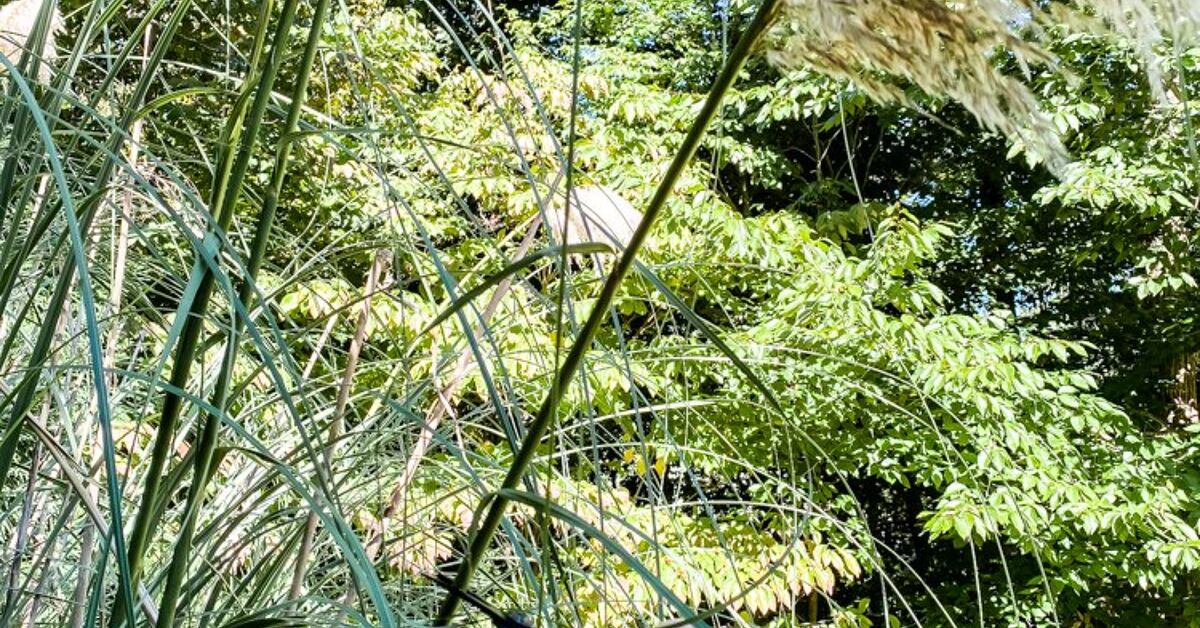
Pampas grass is the home décor version of a dramatic entrance. It walks into a roomwell, technically, it leans in a vaseand instantly says, “Yes, I am effortless, neutral, textural, and slightly too tall for this shelf.” Whether you love modern farmhouse style, boho interiors, coastal décor, wedding arrangements, or seasonal displays, dried pampas grass has earned its place as the fluffy celebrity of dried botanicals.
The good news? Learning how to dry pampas grass is surprisingly simple. You do not need a floral design degree, a greenhouse, or a mysterious craft room filled with ribbon spools. With the right timing, a dry space, and a light finishing spray, you can turn fresh pampas plumes into long-lasting décor in three easy steps.
This guide explains exactly when to cut pampas grass, how to dry it properly, how to prevent shedding, and how to style it once it is ready for its big vase moment. We will also cover safety tips, common mistakes, storage advice, and real-life experience notes so your pampas grass looks elegantnot like it lost a pillow fight with your living room.
What Is Pampas Grass?
Pampas grass, commonly known by the botanical name Cortaderia selloana, is a tall ornamental grass famous for its feathery plumes. It is native to parts of South America and is often grown in sunny landscapes because of its height, movement, and bold texture. Mature plants can become large, with plumes that rise dramatically above the foliage, making them popular for privacy screens, garden focal points, and dried floral arrangements.
In home décor, dried pampas grass is loved for its soft neutral tones, sculptural shape, and ability to make a plain corner look intentionally designed. It pairs beautifully with ceramic vases, glass vessels, rattan baskets, dried eucalyptus, bunny tails, palm spears, wheat stalks, preserved roses, and minimalist interiors.
One important note before you grab your pruning shears: pampas grass can be invasive in some areas of the United States, especially in parts of California and other mild climates. If you are harvesting from your own yard, check local guidance before planting more. If you are collecting it from anywhere else, make sure you have permission and avoid spreading seeds outdoors.
Why Dry Pampas Grass?
Fresh pampas grass is beautiful, but drying it makes it far more useful indoors. Properly dried pampas grass can last for months or even years when kept away from moisture, heavy handling, and direct sunlight. It does not need water, it does not require weekly trimming, and it will not judge you for forgetting about it. Honestly, it is the low-maintenance roommate we all deserve.
Dried pampas grass is ideal for:
- Living room floor vases
- Bedroom accent arrangements
- Wedding arches and aisle décor
- Fall mantel displays
- Boho wall installations
- Holiday wreaths and pampas Christmas trees
- Entryway styling
- Neutral tablescapes
The goal is to preserve the plume’s shape, reduce shedding, and keep the stems strong enough for arranging. Let’s walk through the process.
Before You Start: Supplies You Need
You only need a few basic supplies to dry pampas grass successfully:
- Sharp garden shears or pruning snips
- Thick gardening gloves
- Long sleeves
- String, twine, or rubber bands
- A dry, dark, well-ventilated space
- Aerosol hairspray or clear matte floral sealant
- A vase, basket, or storage box
Gloves are not optional if you are cutting pampas grass from a plant. The leaves have sharp edges and can scratch skin. Pampas grass may look soft from across the yard, but the foliage has a secret personality: tiny sword collection.
How to Dry Pampas Grass in 3 Easy Steps
Step 1: Cut the Pampas Grass at the Right Time
The best time to cut pampas grass for drying is when the plumes are fully open, fluffy, and mostly dry on the plant. In many areas, this happens from late summer through fall, although timing depends on climate and variety. Choose a dry day after morning dew has evaporated. Avoid cutting after rain because moisture trapped inside the plumes can lead to mildew, limp stems, or a musty smell indoors.
Look for plumes that are full, soft, and creamy white, beige, tan, blush, or silver depending on the variety. Skip plumes that look wet, moldy, broken, brown at the base, or overly seed-heavy. If the plume releases clouds of seeds with every touch, handle it carefully and consider whether harvesting is appropriate in your region.
Use sharp garden shears to cut each stem at your preferred length. For floor vases, cut stems longabout 30 to 48 inches if the plant allows. For tabletop arrangements, wreaths, or wedding centerpieces, shorter stems are easier to manage. Cut more than you think you need because some plumes may break, shed, or dry less evenly than others.
After cutting, gently shake each stem outdoors to remove loose insects, dust, and debris. Do not whack the plumes like you are auditioning for a cleaning commercial. A light shake is enough. Then strip away excess leaves from the lower stem. This makes the pampas grass easier to bundle, dry, and arrange later.
Step 2: Hang the Stems Upside Down to Dry
Bundle small groups of pampas stems together using twine, string, or rubber bands. Keep each bundle loose enough for air to circulate. Large, dense bundles can trap humidity, which is the enemy of pretty dried grass. Think airy spa day, not packed elevator.
Hang the bundles upside down in a dry, dark, well-ventilated place. Good drying spots include a garage, shed, closet, attic, laundry room, or covered porch, as long as the area is not damp. Darkness helps preserve the natural color, while airflow helps the stems dry evenly. Direct sunlight can fade the plumes and make them brittle.
Let the pampas grass dry for one to three weeks. The exact drying time depends on the humidity in your home, how fresh the plumes were when cut, and how large the stems are. In a dry climate, they may be ready in a week. In a humid climate, they may need longer.
You will know the pampas grass is dry when the stems feel firm, the plumes feel light, and there is no cool moisture when you touch the base of the plume. If anything feels damp, give it more time. Patience here prevents mildew later. Nobody wants a chic boho arrangement that smells like a forgotten gym towel.
Once dry, take the bundles down and gently fluff the plumes with your fingers. You can also place them outside for a short time on a dry, breezy day to help them open up. Some people use a hair dryer on a cool, low setting to encourage fluffiness, but be gentle. Too much force can send the delicate fibers floating across the room like beige confetti.
Step 3: Seal, Style, and Display
Once the pampas grass is fully dry and fluffed, it is time to reduce shedding. The easiest method is to lightly mist the plumes with aerosol hairspray. Hold the can several inches away and spray in a fine, even layer. Rotate the stems so all sides receive a light coating. Let them dry completely before arranging.
For a more durable finish, you can use a clear matte floral sealant or clear matte spray, but avoid glossy products. Pampas grass should look soft and natural, not laminated like a diner menu. Always spray outdoors or in a well-ventilated area, and follow product safety directions.
After sealing, place the stems in a vase without water. Dried pampas grass does not need water, and adding water can cause stems to soften or mold. Use floral foam, chicken wire, or a tape grid across the top of the vase if you need more control over the arrangement. For tall stems, choose a heavy vase so the whole display does not perform a dramatic slow-motion tip-over.
How to Style Dried Pampas Grass
Pampas grass is versatile because it works with many decorating styles. In a modern home, a few tall stems in a matte ceramic vase can add softness to clean lines. In a farmhouse room, pampas looks beautiful with weathered wood, linen, stoneware, and vintage accents. In coastal interiors, it pairs nicely with woven baskets, white walls, driftwood, and sandy neutrals. For boho style, mix pampas grass with dried palm leaves, preserved eucalyptus, bunny tails, rattan, macramé, and terracotta.
For a simple arrangement, use three to five tall stems in a narrow-neck vase. For a fuller look, use seven to fifteen stems and vary the heights slightly. Odd numbers often look more natural. If the plumes are very large, fewer stems may be enough. Pampas grass has volume, and it is not shy about using it.
Here are a few easy styling ideas:
- Entryway drama: Place tall pampas grass in a floor vase near the front door.
- Bedroom softness: Add three plumes to a ceramic vase on a dresser.
- Dining table texture: Use shorter stems in a low arrangement with dried flowers.
- Fall porch display: Pair dried pampas with pumpkins, branches, and lanterns.
- Wedding décor: Use pampas in arches, aisle markers, bouquets, or photo backdrops.
- Holiday styling: Mix pampas with eucalyptus, ribbon, and warm fairy lights.
How Long Does Dried Pampas Grass Last?
Dried pampas grass can last from several months to a few years when cared for properly. Its lifespan depends on how dry it was before display, how much it is handled, and where it is placed. Keep it away from bathrooms, kitchens, humid basements, direct sunlight, open windows, heating vents, fireplaces, and candles.
Moisture can cause drooping or mildew. Sunlight can fade the color. Heat and flames are safety risks because dried grasses are flammable. Heavy handling causes shedding. Once your pampas grass is arranged, try to leave it alone. It enjoys being admired from a respectful distance, like a cat on a velvet chair.
Common Mistakes to Avoid
Cutting Wet Plumes
Wet pampas grass is harder to dry and more likely to mildew. Always cut on a dry day after dew has disappeared.
Skipping Gloves
Pampas leaves are sharp. Wear gloves and long sleeves when harvesting to protect your hands and arms.
Drying in a Humid Room
Humidity slows the drying process and can create odor or mold. Choose a dry, airy location.
Using Too Much Hairspray
A light mist is enough. Too much spray can make plumes stiff, sticky, or clumpy.
Putting Dried Pampas in Water
Dried stems do not need water. Keep them dry to preserve their shape and prevent mold.
Placing It Near Fire
Dried pampas grass is flammable. Keep it away from candles, fireplaces, stovetops, and outdoor fire pits.
How to Store Dried Pampas Grass
If you want to store dried pampas grass between seasons, wrap the plumes loosely in tissue paper or kraft paper and place them in a tall box. Store the box in a dry, cool place where the plumes will not be crushed. Avoid plastic bags unless the grass is completely dry and the storage area is not humid, because plastic can trap moisture.
Label the box if you have multiple dried botanicals. This prevents the classic seasonal décor mystery where you open a container in October and say, “Is this pampas grass, wheat, or something I meant to throw away in 2022?”
Can You Dry Store-Bought Pampas Grass?
Most store-bought pampas grass is already dried, but it may arrive compressed from shipping. To revive it, gently shake the stems outdoors, let them sit in sunlight for a short period on a dry day, and fluff the plumes by hand. A cool, low hair dryer setting can also help expand the fibers. Once fluffed, apply a light mist of hairspray to reduce shedding.
If store-bought pampas grass has a strong odor, air it outside in a covered dry area before bringing it indoors. Do not wash it. Water can damage the plumes and cause clumping.
Best Alternatives to Pampas Grass
If pampas grass is invasive in your region or you simply want a different look, there are plenty of beautiful dried grass alternatives. Consider bunny tails, dried wheat, reed grass, preserved eucalyptus, dried palm spears, dried millet, pink muhly grass, switchgrass, or dried hydrangeas. Native ornamental grasses may also be better choices for outdoor planting because they can support local ecosystems while still adding movement and texture to the landscape.
For indoor décor, you can also buy dried or faux pampas grass. High-quality faux stems are useful in humid rooms or high-traffic areas where real dried grass would shed too much.
Frequently Asked Questions
Do you have to hang pampas grass upside down?
Hanging pampas grass upside down helps the stems dry straight and encourages the plumes to keep their shape. If your stems are already dry when cut, you may be able to place them directly in a vase, but hanging is still the safest method for fresh plumes.
How do you stop pampas grass from shedding?
Lightly spray the dried plumes with aerosol hairspray or a clear matte floral sealant. Let the spray dry before arranging. Handle the stems as little as possible afterward.
Can you dry pampas grass in the sun?
Short sun exposure can help fluff already dried plumes, but long drying periods in direct sunlight can fade the color and make the grass brittle. A dark, dry, ventilated area is better for drying.
Does dried pampas grass need water?
No. Dried pampas grass should be displayed in an empty vase. Water can damage the stems and encourage mold.
Is pampas grass safe indoors?
Yes, dried pampas grass can be used indoors when it is clean, dry, and kept away from flames, moisture, and heavy handling. People with allergies may prefer faux pampas or sealed stems to reduce airborne particles.
Experience Notes: What Actually Works When Drying Pampas Grass
After working with dried grasses in home arrangements, one lesson becomes clear quickly: pampas grass rewards patience and punishes rough handling. The first instinct is usually to cut the biggest, fluffiest plumes and immediately bring them inside like a proud hunter-gatherer of beige décor. That is also the fastest way to discover tiny bits of fluff on the floor, sofa, sweater, dog, and possibly your morning coffee. The better approach is to do the messy part outdoors first.
The most successful results come from choosing plumes that are open but not falling apart. A plume that looks full and soft on the plant will usually dry beautifully. A plume that looks tired, rain-soaked, or overly loose will continue behaving badly indoors. In other words, drying does not magically turn a sad plume into a boutique arrangement. Start with good material.
Another practical tip is to cut stems longer than you think you need. Tall stems give you more styling options later. You can always trim them shorter, but you cannot add length back unless you are prepared to enter the world of floral wire engineering, which is not where most people want their Saturday to go. Long stems also look more luxurious in floor vases, especially when placed in corners, beside consoles, or near fireplacesthough never too close to actual flames.
Drying space matters more than fancy tools. A spare closet, garage corner, or laundry room can work well if it is dry and ventilated. Humid bathrooms are a terrible choice, even if they have convenient towel hooks. The plumes may dry slowly, smell odd, or lose their shape. If you live in a humid climate, give the grass extra drying time and check it before sealing. Spraying damp pampas grass is like putting a raincoat over wet laundry: technically you did something, but not something helpful.
When it comes to hairspray, less is more. A light mist helps control shedding while preserving movement. Heavy spraying makes pampas grass look stiff and dusty. The best method is to spray outdoors, wait for it to dry, gently rotate the stems, and apply a second very light coat only if needed. Unscented spray is best because strongly scented hairspray can make your arrangement smell like a 1990s beauty salon for several days.
Styling also improves with restraint. Pampas grass is naturally voluminous, so it does not need much help. Three tall stems in a simple vase can look more expensive than twenty stems crammed together like they are waiting for a subway. For a balanced arrangement, vary the heights and turn the plumes so they lean in different directions. If the vase opening is too wide, create a clear tape grid across the top or add floral foam inside the vessel. This keeps stems from sliding around and gives the arrangement a more intentional shape.
Finally, dried pampas grass lasts longest when you stop fussing with it. Place it where it can be seen but not bumped every day. Avoid narrow hallways, crowded shelves, and anywhere a curious pet can treat it like a feather toy. With gentle handling, a dry room, and a little sealing spray, your pampas grass can stay fluffy, elegant, and photo-ready long after fresh flowers would have given up and become compost.
Conclusion
Drying pampas grass is one of the easiest ways to create affordable, long-lasting home décor with natural texture and height. The process is simple: cut dry, healthy plumes at the right time; hang them upside down in a dark, airy space; then seal and style them once fully dry. With just a few supplies and a little patience, you can create arrangements that look polished, cozy, and expensive without requiring much maintenance.
Remember to harvest responsibly, especially if pampas grass is invasive in your region. Wear gloves, avoid wet plumes, keep dried stems away from flames, and use a light hand with hairspray. Whether you are decorating a bedroom, styling a wedding, refreshing a mantel, or giving your entryway a soft boho upgrade, dried pampas grass brings instant atmosphere. It is fluffy, dramatic, and surprisingly easy to live withbasically the houseplant for people who do not want another houseplant.