Comforting someone sounds simple until you are sitting across from a friend with red eyes, a shaky voice, and a pain you cannot fix with coffee, a pep talk, or your legendary collection of dog memes. Suddenly, every sentence feels risky. Should you say “I’m sorry”? Should you hug them? Should you bring lasagna? Should the lasagna have cheese? Emotional support can feel like trying to defuse a bomb while wearing oven mitts.
The good news: you do not need to be a therapist, poet, monk, or perfect human to help. The heart of comforting someone who is sad, stressed, or grieving is not about finding magic words. It is about showing up with patience, respect, and practical care. Most people in pain do not need a motivational speech. They need to feel less alone.
This guide explains how to comfort someone with empathy, what to say, what to avoid, and how to offer support that actually helps. Whether your loved one is dealing with a breakup, burnout, job loss, illness, death, family conflict, anxiety, or the emotional tornado known as “life,” the goal is the same: be steady, be kind, and do not try to turn their grief into a TED Talk.
Why Comfort Matters More Than You Think
Sadness, stress, and grief can make people feel isolated even when others are physically nearby. A grieving person may feel as if the world has moved on while they are still standing in the wreckage. Someone under intense stress may feel ashamed for not “handling it better.” A sad friend may worry they are becoming a burden.
Comfort helps because it tells the person, “Your pain is real, and you do not have to carry it alone.” That message can lower emotional pressure, reduce loneliness, and create enough safety for the person to breathe, speak, cry, rest, or ask for help. Comfort does not erase suffering. It simply puts another chair beside it.
The mistake many people make is believing comfort must be dramatic. It rarely is. Comfort is often a quiet check-in, a delivered meal, a sincere text, a hand on the shoulder, or sitting together without demanding conversation. Sometimes the most healing thing you can say is, “I’m here,” and then prove it by staying present.
The First Rule: Do Not Try to Fix Their Feelings
When someone cries, panics, shuts down, or says, “I can’t do this,” our instinct is often to fix. We want to solve the problem because we love them, and also because their pain makes us uncomfortable. This is human. It is also where many comforting attempts go sideways.
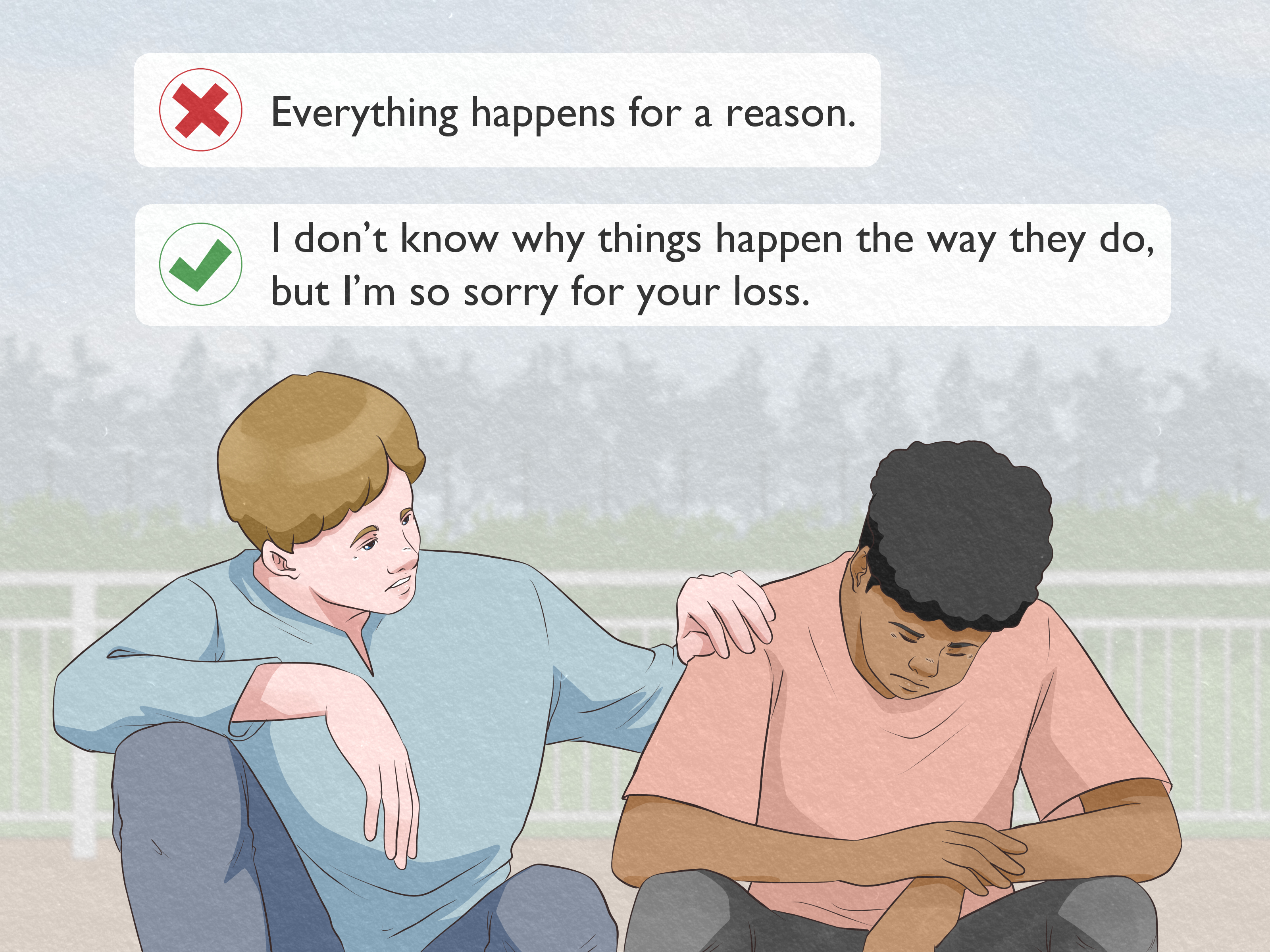
Fixing sounds like: “Just look on the bright side,” “Everything happens for a reason,” “At least it wasn’t worse,” or “You need to move on.” These phrases may be well meant, but they can make someone feel dismissed. Pain does not become smaller because someone points at a silver lining with a flashlight.
Instead of fixing, try validating. Validation means recognizing their experience without judging it. You might say, “That sounds incredibly hard,” “I can understand why you feel overwhelmed,” or “You do not have to be okay right now.” These words do not pretend to solve the problem. They make room for the person to be honest.
How to Comfort Someone in the Moment
1. Start With Calm Presence
Your calm can become a small anchor. Speak gently. Slow down. Put your phone away unless you are using it to call for help or order emergency tacos. Sit nearby without crowding them. If they are crying, let them cry. Tears are not a malfunction; they are part of the emotional weather system.
You can begin with simple words: “I’m here with you,” “You are not alone,” or “Take your time.” Do not rush to fill silence. Silence can feel awkward to the helper, but for the hurting person, it may feel like oxygen.
2. Listen More Than You Talk
Good listening is not waiting for your turn to give advice. It is paying attention with your whole face, body, and heart. Nod. Make eye contact if it feels natural. Let them finish their sentences. Reflect back what you hear: “It sounds like you feel exhausted and disappointed,” or “You miss them so much, and today is especially painful.”
Listening also means accepting emotions that seem messy, contradictory, or intense. A grieving person may laugh one minute and sob the next. A stressed person may be angry, scared, and numb all at once. Human feelings are not a spreadsheet. They do not sort neatly by column.
3. Ask What They Need, But Offer Specific Help Too
“Let me know if you need anything” is kind, but it often puts work on the person who is already overwhelmed. They may not know what they need, or they may feel guilty asking. Specific offers are easier to accept.
Try: “Can I bring dinner tonight?” “Would it help if I picked up groceries?” “I can sit with you for an hour,” “I can drive you to the appointment,” or “I can handle the emails you do not want to answer.” Practical help is emotional support wearing comfortable shoes.
What to Say to Someone Who Is Sad
When someone is sad, they may need warmth more than wisdom. Start with acknowledgement. You do not have to know the perfect phrase. A short, sincere sentence is often better than a speech wearing a fancy hat.
Helpful things to say include:
- “I’m really sorry you are going through this.”
- “Do you want to talk about it, or would you rather sit quietly together?”
- “Your feelings make sense.”
- “I care about you, and I’m not going anywhere.”
- “You do not have to explain everything perfectly.”
If they do want to talk, ask open-ended questions. “What has been the hardest part today?” is better than “Are you okay?” because, frankly, if they are crying into a hoodie, the answer is probably not a sparkling yes. Open questions invite honesty without forcing it.
How to Comfort Someone Who Is Stressed
Stress often makes life feel too loud. The person may be juggling work pressure, family responsibilities, money worries, health concerns, school deadlines, or all of the above in a circus act nobody bought tickets for. Comforting a stressed person means helping them feel grounded and less trapped.
Help Them Slow Down
Encourage one small pause. You might say, “Let’s take this one step at a time,” or “You do not have to solve the whole thing tonight.” If they are panicking, invite them to breathe slowly, drink water, step outside, or name five things they can see. Keep your tone relaxed, not bossy. Nobody has ever calmed down because someone yelled, “Calm down!” That phrase has the success rate of a screen door on a submarine.
Sort the Problem Into Pieces
When they are ready, help separate emotions from tasks. Ask, “What is the most urgent thing?” or “What can wait until tomorrow?” Offer to write a short list. Stress becomes heavier when everything feels equally urgent. A list can turn the monster into smaller, less dramatic monsters.
Respect Their Capacity
Do not pressure them to be productive immediately. Sometimes rest is the task. Sometimes the bravest thing a person can do is eat soup, answer one email, and not declare war on themselves for being human.
How to Comfort Someone Who Is Grieving
Grief is not only sadness. It can include shock, anger, guilt, confusion, exhaustion, numbness, relief, anxiety, love, and strange moments of laughter that arrive at inappropriate times and leave everyone wondering whether grief has a chaotic sense of humor. It does.
The most important thing to understand is that grief has no universal timeline. A person may look “fine” at work and fall apart at night. They may feel worse months after the funeral, when the casseroles are gone and everyone else has returned to normal. They may grieve a death, divorce, miscarriage, pet loss, diagnosis, lost dream, estrangement, or major life change. If the loss matters to them, the grief is real.
Use the Person’s Name
When someone has died, many people avoid mentioning the name because they fear “reminding” the griever. But the griever has not forgotten. Saying the loved one’s name can be comforting because it acknowledges that the person mattered and still matters.
You might say, “I was thinking about your mom today,” or “I remember how James always made everyone laugh.” If you have a memory, share it gently. Memories can become small candles in a very dark room.
Do Not Rush Their Healing
Avoid phrases like “You need closure,” “They would want you to be happy,” or “It is time to move forward.” Grief is not a package you sign for and return within 30 days. Instead, say, “I know this still hurts,” or “I’m here for the long haul.”
Show Up After the First Wave
Many people offer support immediately after a loss. Fewer check in weeks or months later. Put reminders on your calendar for anniversaries, birthdays, holidays, or the one-month and six-month marks. A simple message can mean a lot: “I know today may be hard. I’m thinking of you and remembering her with you.”
What Not to Say When Someone Is Hurting
Most unhelpful comments come from good intentions wrapped in panic. Still, certain phrases can make a sad, stressed, or grieving person feel minimized.
- “Everything happens for a reason.”
- “At least you still have…”
- “I know exactly how you feel.”
- “Be strong.”
- “Other people have it worse.”
- “You should be over this by now.”
- “Just stay positive.”
Instead of comparing, explaining, or correcting, acknowledge. Try: “This is painful,” “I cannot imagine exactly what this feels like for you, but I am here,” or “You do not have to make this easier for anyone else.”
How to Comfort Someone by Text
Texting can be powerful when done thoughtfully. You do not need a perfect paragraph. In fact, a giant emotional essay may overwhelm someone who is already running on three hours of sleep and half a banana.
Try these simple messages:
- “I’m thinking of you today. No need to reply.”
- “I’m here if you want to talk, cry, vent, or be distracted.”
- “Can I drop off dinner tomorrow?”
- “I know words do not fix this, but I love you.”
- “Would you like company, or would quiet support from a distance feel better?”
The phrase “No need to reply” is a gift. It removes the pressure to manage your feelings while they are already managing their own.
When Comfort Is Not Enough: Know the Warning Signs
Most sadness, stress, and grief can be supported with compassion, time, practical help, and community. But sometimes a person needs urgent professional support. Take it seriously if someone talks about wanting to die, feeling like a burden, having no reason to live, or wanting to disappear. Also pay attention to sudden withdrawal, reckless behavior, giving away possessions, extreme agitation, increased substance use, or dramatic mood changes.
If someone may be in immediate danger, stay with them if you can do so safely and contact emergency help. In the United States, call or text 988 for the Suicide & Crisis Lifeline. If there is immediate physical danger, call 911. Do not promise secrecy about safety concerns. A person’s life matters more than keeping a dangerous secret.
You can say, “I care about you too much to handle this alone. Let’s contact someone who can help right now.” This is not betrayal. This is love with a backbone.
Small Actions That Bring Real Comfort
Support does not have to be grand. In fact, small and consistent usually beats dramatic and temporary. Here are practical ways to comfort someone over time:
- Bring a meal in disposable containers so they do not have to return dishes.
- Offer childcare, pet care, laundry, errands, or transportation.
- Send a card weeks later, not only during the first few days.
- Invite them for a walk without forcing deep conversation.
- Remember important dates and check in gently.
- Ask whether they want advice, comfort, distraction, or practical help.
- Keep showing up even when their grief or stress is inconvenient.
Consistency communicates safety. A single kind gesture is lovely. Repeated kindness says, “You are not forgotten.”
Respect Different Comfort Styles
Not everyone wants the same kind of support. Some people want to talk. Others want quiet company. Some want hugs. Others would rather be comforted by a respectful two-foot distance and a sandwich. Ask before assuming.
Try: “Would a hug help, or would you rather not be touched right now?” “Do you want advice or just listening?” “Would you like distraction?” These questions give the person control at a time when life may feel wildly out of control.
Culture, personality, faith, family background, and past experiences all shape how people express pain. Your job is not to decide how they should grieve or cope. Your job is to meet them where they are.
Take Care of Yourself While Supporting Someone Else
Comforting someone can be emotionally heavy, especially if you love them deeply. You can care without becoming their only lifeboat. Healthy support includes boundaries, rest, and knowing when to involve others.
You might say, “I can talk for 30 minutes tonight, and I will check in again tomorrow,” or “I want to support you, and I also think we should bring in someone trained to help.” Boundaries do not mean you care less. They help you keep caring without burning out like a cheap candle in a windstorm.
Real-Life Experiences: What Comfort Often Looks Like in Practice
One of the most important lessons about comforting someone is that the smallest gestures often stay in memory the longest. People rarely remember the perfectly polished sentence. They remember who came over, who listened, who did not flinch when things got messy, and who still checked in after everyone else assumed the storm had passed.
Imagine a friend who has lost a parent. During the first week, the house is full. People bring flowers, food, and sympathy cards. The grieving person may be too numb to absorb any of it. Then, three weeks later, the doorbell stops ringing. That is when grief can become brutally quiet. A helpful friend does not say, “Call me if you need anything,” and vanish into the fog. Instead, they text, “I’m going to the grocery store. What can I get you?” or “I can come by Saturday to help sort paperwork, or we can just drink coffee and not sort a single thing.” That kind of support works because it is specific, low-pressure, and realistic.
Or think about someone under severe work stress. They may not need a lecture about work-life balance, especially if the lecture comes from someone answering emails at midnight. They may need help naming the next step. A comforting response could be, “Let’s write down what has to happen today and what can wait.” Then you sit with them while they send the one email they have been avoiding. Is it glamorous? No. Is it useful? Absolutely. Sometimes comfort looks like helping someone defeat a tiny admin dragon.
When someone is sad after a breakup, disappointment, or personal failure, comfort may look like restraint. You might be tempted to insult the ex, solve the future, or say, “You are better off.” Maybe that is true. But in the raw stage, the person may simply need permission to hurt. Saying, “I know part of you misses them, even if another part knows it ended for a reason,” can be more comforting than jumping straight to empowerment mode. Healing is not a switch. It is more like a stubborn old printer: slow, confusing, and occasionally making alarming noises.
Another experience many people recognize is supporting someone who does not want to talk. Silence can make helpers nervous. We worry we are failing if we are not saying something meaningful every eight seconds. But quiet presence can be deeply comforting. Sitting beside someone during a hard anniversary, watching a familiar movie, taking a walk, or folding laundry together can say, “I can be with you in this,” without requiring them to perform their pain for you.
The best comfort also adapts. A person may want company one day and solitude the next. They may want advice on Monday and only memes on Tuesday. They may laugh and then feel guilty for laughing. A good supporter does not police these changes. They make room for them. The message is steady: “However today looks, I still care.”
Finally, real comfort includes follow-through. If you offer to bring food, bring it. If you say you will call, call. If you promise to remember an important date, put it in your calendar. Reliability is emotional medicine. It tells the person that they are not a project you picked up for a week. They are someone whose pain matters beyond the first dramatic chapter.
Conclusion: Comfort Is Presence, Not Perfection
Knowing how to comfort someone who is sad, stressed, or grieving does not mean having the perfect words. It means showing up with humility, listening without judgment, validating their feelings, and offering practical help that lightens the load. Your job is not to erase pain. Your job is to make sure the person does not feel abandoned inside it.
Say less when fewer words are kinder. Do more when action is needed. Remember important dates. Avoid clichés. Ask what kind of support feels best. Encourage professional help when the situation is serious. And when in doubt, return to the simplest comfort of all: “I’m here with you.” It may not fix everything, but it can make the next breath easier. Sometimes that is exactly enough.
SEO Tags
Note: This article is for general educational purposes and is not a substitute for professional mental health care. If someone may harm themselves or others, call or text 988 in the United States, or contact emergency services immediately.