Grout is the quiet little line between your tiles that somehow decides whether your bathroom looks professionally finished or like a weekend project that started with confidence and ended with muttering. If you have just finished grouting a floor, backsplash, shower wall, or tile repair, the big question is simple: how long does grout take to dry?
The short answer is that most grout needs 24 to 72 hours to dry or cure enough for normal use, depending on the type of grout, the room conditions, and whether the area will be exposed to water. For many cement-based sanded and unsanded grouts, 72 hours is the safer benchmark. Some premixed and epoxy grouts may be ready sooner, but showers, bathroom floors, and wet areas deserve extra patience. Grout is not a microwave burrito. You cannot rush it and expect perfection.
This guide explains grout drying time, curing time, when you can walk on tile, when you can shower, when to seal grout, and how to avoid the classic DIY mistake of “it looks dry, so surely it is fine.” Spoiler: that phrase has ruined many tile jobs.
Grout Drying Time vs. Grout Curing Time
Before we talk numbers, it helps to understand one important difference: drying and curing are not always the same thing.
What Does “Dry” Mean?
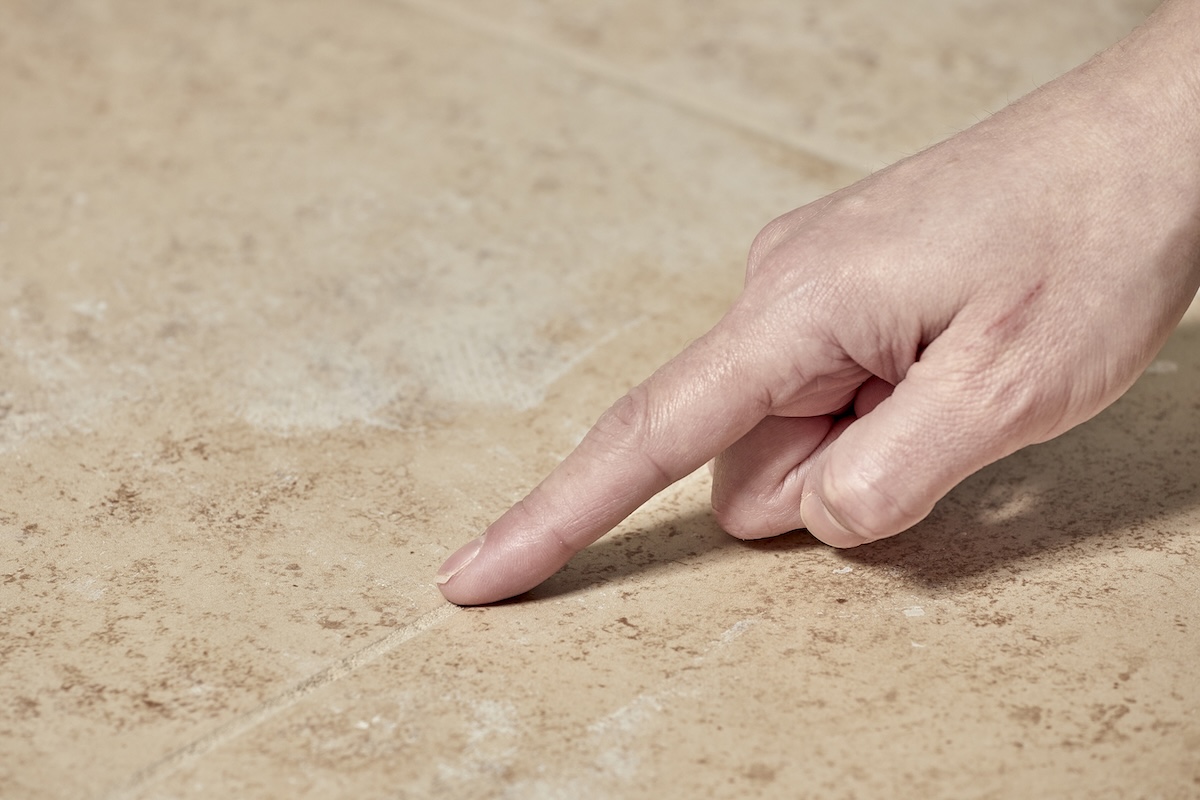
When grout looks dry, the surface moisture has mostly evaporated. The grout may appear lighter in color, feel firm to the touch, and no longer smear when gently tested. This can happen within several hours, especially in a warm, well-ventilated room.
But surface dryness is only part of the story. The grout below the surface may still be holding moisture and developing strength. That is why stepping on tile, sealing grout, or exposing grout to water too soon can cause problems even when everything looks finished.
What Does “Cured” Mean?
Curing is the process that allows grout to harden, bond, and reach the performance level intended by the manufacturer. Cement-based grout cures through hydration, while epoxy grout cures through a chemical reaction between resin and hardener. Premixed grouts dry and cure according to their own formulas, which often include acrylic or urethane-based ingredients.
In plain English: dry means “it looks ready.” Cured means “it is actually ready.” Your grout would very much prefer that you respect the second one.
So, How Long Does Grout Take to Dry?
Most tile grout takes 24 to 72 hours to dry or cure enough for everyday use. However, the exact time depends on grout type and installation conditions.
General Grout Drying Time Chart
| Grout Type | Typical Drying or Cure Time | Best Use |
|---|---|---|
| Sanded cement grout | About 48 to 72 hours | Floors, wider grout joints, high-traffic tile |
| Unsanded cement grout | About 48 to 72 hours | Narrow joints, walls, glass tile, polished stone |
| Epoxy grout | Often 24 to 72 hours, depending on product | Showers, kitchens, stain-prone areas |
| Premixed grout | Often 24 hours dry, longer before water exposure | Small DIY repairs, backsplashes, walls |
| High-performance or rapid-setting grout | Sometimes ready in a few hours, depending on label | Fast-turnaround projects and professional jobs |
The most reliable rule is this: read the product label and technical data sheet. Major grout manufacturers often specify different wait times for foot traffic, water exposure, sealing, cleaning, and submerged installations. A kitchen backsplash is not the same as a shower floor, and a shower floor is definitely not the same as a swimming pool.
How Long Before You Can Walk on Grout?
For most tile floors, you should wait at least 24 hours before light foot traffic. If the grout is cement-based, waiting 48 hours is better, especially if the room is cool, humid, or poorly ventilated.
Heavy furniture, ladders, rolling carts, and enthusiastic pets should wait longer. Even if the grout lines feel firm, pressure too soon can weaken the joints, leave impressions, or disturb the bond. If you must cross the area, use clean boards to distribute your weight, but only when the grout has hardened enough for careful movement.
How Long Before You Can Use a Shower After Grouting?
For showers, the safest answer is usually 48 to 72 hours, with 72 hours being the better choice for many cement-based grouts. Some specialty grouts allow water exposure sooner, but do not guess. Water is grout’s final exam, and grout does not appreciate pop quizzes.
Shower walls may sometimes be ready before shower floors because water drains differently and does not sit as heavily on vertical surfaces. Shower floors, niches, benches, and corners are more vulnerable because water can linger in low spots. If you used premixed grout, some manufacturers recommend several days before water exposure in shower floors. If the product says wait seven days, wait seven days. Your future self will thank you while not scraping out soft grout with a utility knife.
How Long Before Sealing Grout?
Many cement-based grouts should cure for at least 48 to 72 hours before sealing, though some manufacturers recommend longer. The reason is simple: grout sealer needs to penetrate the grout. If moisture is still trapped inside, the sealer may not absorb properly, and the protection can be uneven.
Some modern high-performance grouts do not require sealing, while certain epoxy grouts are naturally stain-resistant and low-absorption. Still, surrounding tile or natural stone may need sealing. For example, marble, slate, limestone, travertine, and some porous tiles can absorb moisture and stains. Always check both the grout instructions and the tile instructions before sealing.
How Long Before Cleaning Grout Haze?
Grout haze is the cloudy film left on tile after installation. It is normal, annoying, and oddly good at hiding until the light hits it just right.
Initial cleanup usually happens shortly after grouting, often within minutes, using a damp sponge and clean water. Final haze removal is usually done after the grout has firmed up, often around 24 to 48 hours later. Do not wait too long, especially with cement-based grout, because haze can become stubborn. Also, avoid harsh acid cleaners too early because fresh grout can be damaged before it has fully cured.
Factors That Affect Grout Drying Time
Grout drying time is not controlled by a magical kitchen timer. It changes based on the product, the tile, the room, and the installation. Here are the big factors.
1. Type of Grout
Sanded and unsanded cement grouts often need up to 72 hours to cure properly. Epoxy grouts may be ready for some uses sooner, but full stain resistance can take longer. Premixed grouts are convenient, but many need extended protection before water exposure, especially in showers.
2. Temperature
Most grout products perform best within a moderate temperature range, often around 50°F to 95°F. Cold rooms slow curing. Hot rooms may speed surface drying but can also make grout dry too quickly, which may affect strength and color consistency. Basically, grout likes comfort. Think “pleasant spring day,” not “garage in January” or “desert lizard vacation.”
3. Humidity
High humidity slows drying because moisture leaves the grout more slowly. Bathrooms, basements, laundry rooms, and poorly ventilated spaces often require extra time. Low humidity can make some cement grouts dry too quickly at the surface, which may cause powdery or weak joints if the product requires careful curing.
4. Tile Porosity
Porous tile and stone can absorb moisture from grout, sometimes speeding surface drying. Dense porcelain or glass tile absorbs very little moisture, so the grout may dry more slowly because moisture has fewer places to go.
5. Grout Joint Width and Depth
Wider and deeper grout joints hold more material and moisture. A skinny backsplash joint may dry faster than a thick floor joint between large-format tiles. This is one reason grout drying time can vary even within the same home.
6. Ventilation
Good airflow helps moisture evaporate. Opening a door, running a bathroom fan, or using gentle air circulation can help. Avoid blasting fresh grout with heat guns or intense fans, though. You want steady drying, not grout jerky.
Sanded vs. Unsanded Grout Drying Time
Sanded grout and unsanded grout usually have similar drying and curing windows. Most standard cement-based versions need around 48 to 72 hours before sealing or water exposure.
The difference is not mainly drying time; it is where each grout works best. Sanded grout contains fine sand and is usually used for wider joints, often on floors. It resists shrinking and provides strength in larger spaces. Unsanded grout is smoother and better for narrow joints, vertical surfaces, glass tile, and delicate stone that could be scratched by sand.
If your grout joint is wide, sanded grout usually performs better. If your tile is polished marble or glass, unsanded or specialty grout may be safer. The wrong grout type can create more trouble than the wrong drying time, which is saying something.
Epoxy Grout Drying Time
Epoxy grout is known for durability, stain resistance, and water resistance. It is popular for showers, backsplashes, commercial kitchens, and anywhere spills have ambitions.
Many epoxy grouts can handle light service within 24 hours, but shower use, sealing nearby stone, chemical exposure, and full stain resistance may require longer. Some products recommend 48 to 72 hours before shower use and up to seven days before maximum stain resistance. Always follow the exact product instructions because epoxy formulas vary widely.
Epoxy grout is less forgiving during installation because it sets through a chemical reaction. Once it starts firming up, it does not care about your feelings, your sponge, or your playlist. Work in manageable sections and clean promptly.
Premixed Grout Drying Time
Premixed grout is popular with DIYers because it skips the powder-and-water mixing stage. It is convenient for backsplashes, small repairs, and wall tile. However, premixed grout may need longer before water exposure than its “ready-to-use” name suggests.
Some premixed grouts dry to the touch in about 24 hours but need three days before water exposure on shower walls and up to seven days for shower floors. This is why the label matters. “Premixed” means it is ready to apply, not necessarily ready for a full-power shower 12 hours later.
Can You Speed Up Grout Drying?
You can encourage grout to dry properly, but you should not force it. The goal is controlled drying and curing, not panic baking.
Helpful Ways to Support Drying
- Keep the room within the temperature range recommended by the grout manufacturer.
- Use a bathroom fan or gentle ventilation to reduce humidity.
- Keep water, steam, and cleaning products away during the cure period.
- Avoid walking on the tile too soon.
- Do not cover fresh grout with plastic unless the product specifically calls for damp curing.
What Not to Do
- Do not use a hair dryer or heat gun on fresh grout.
- Do not wet mop the floor during the cure period.
- Do not seal grout before it is ready.
- Do not take a “quick shower” in a freshly grouted shower. Grout knows.
- Do not add extra water to grout while mixing to make it easier to spread, unless the instructions allow it.
Signs Grout Is Dry Enough
Grout that is ready for the next step usually looks consistent in color, feels firm, and does not dent or smear under gentle pressure. There should be no dark, wet-looking patches. The tile surface should be clean and free of heavy haze, and the grout joints should not feel cool and damp compared with the surrounding tile.
Still, visual checks are not perfect. A grout line can look dry on top while still curing underneath. When in doubt, wait longer. Patience costs less than regrouting.
What Happens If Grout Gets Wet Too Soon?
If grout is exposed to water before it cures, several things can go wrong. The grout may become weak, powdery, cracked, blotchy, or uneven in color. Water can wash minerals to the surface, causing a whitish residue known as efflorescence. In showers, early water exposure can also trap moisture where you least want it, encouraging mildew and long-term tile problems.
Sometimes the damage is obvious right away. Other times, it shows up weeks later as crumbling joints or stains. That delayed surprise is not the fun kind of surprise, like finding fries at the bottom of the takeout bag.
Best Practices for a Strong Grout Cure
Start by allowing the tile adhesive or mortar to cure before grouting. Many installations require at least 24 hours after setting tile, and some adhesives need 48 hours or more. Grouting too soon can trap moisture under the tile and create bonding issues.
Mix grout exactly as directed. Too much water weakens cement grout and can cause color variation. Let cement grout slake if the instructions call for it, then remix without adding extra water. Apply grout firmly into the joints, clean with a damp sponge rather than a soaking wet one, and protect the finished surface while it cures.
For bathrooms and kitchens, wait the full recommended time before sealing. For showers, wait the full recommended time before water exposure. For floors, avoid heavy traffic until the grout is strong enough. None of this is glamorous, but neither is fixing crumbly grout while kneeling on a towel and questioning your life choices.
Real-Life Experience: What Drying Grout Actually Teaches You
Anyone who has grouted tile knows the project has two emotional phases. First comes confidence: the tile is installed, the joints are filled, and suddenly the whole room looks like it belongs in a renovation show. Then comes waiting, which feels less like home improvement and more like guarding a museum exhibit from family members, pets, and one suspiciously curious toddler.
In a typical bathroom project, the hardest part is not applying the grout. It is keeping the area untouched afterward. A freshly grouted bathroom floor looks dry surprisingly fast. After a few hours, the surface may seem solid enough to walk on. That is where many people get tricked. The grout may be firm on top but still curing inside the joint. If someone walks across it too soon, especially with shoes, the pressure can disturb the line and create small cracks or low spots.
Showers are even more tempting. When the only working shower in the house has just been regrouted, 72 hours can feel like a dramatic survival challenge. This is where planning matters. A good rule from experience is to schedule shower grouting before a weekend trip, before staying at a relative’s house, or at least before you have a backup bathing plan. “I will just avoid spraying that wall” is not a plan. Water ricochets. Steam travels. Gravity remains undefeated.
Another lesson: grout color changes as it dries. Fresh grout usually looks darker when wet. As it cures, it lightens. This can cause a brief panic where you wonder if you bought the wrong color, ruined the batch, or accidentally invented a new shade called Contractor Beige Regret. Give it time. Uneven drying can make grout look patchy during the first day or two, especially near corners, thick joints, or less ventilated areas. If the color is still inconsistent after curing, then investigate. But do not judge fresh grout too early.
Ventilation also matters more than people expect. A small bathroom with the door closed and no fan can stay humid for a long time, slowing the cure. Opening the door, running the exhaust fan, and keeping the room comfortably warm can help. On the other hand, blasting the area with direct heat can create its own problems. Gentle airflow is your friend. Aggressive heat is the friend who shows up with a pressure washer when you asked for a napkin.
One practical tip is to tape a note across the doorway: “Fresh grout: do not walk.” This may seem silly until someone strolls across the tile at midnight for a towel. For households with kids or pets, a physical barrier works better than trust. Chairs, painter’s tape, cardboard signs, or temporary gates can save the job.
The final experience-based lesson is that grout rewards patience. Waiting an extra day rarely hurts. Rushing by even a few hours can. Whether you are sealing a kitchen backsplash, walking on a laundry room floor, or turning on a shower, the best approach is simple: follow the label, allow extra time in cool or humid conditions, and treat the cure period as part of the project, not an annoying pause after the project.
Conclusion
So, how long does grout take to dry? In most home projects, plan on 24 to 72 hours. Cement-based sanded and unsanded grouts commonly need up to 72 hours before sealing or water exposure. Epoxy grouts may cure faster but still have product-specific wait times. Premixed grouts are convenient, yet they may need several days before shower use, especially on floors.
The safest answer is always printed on the grout package, but the smartest attitude is patience. Give grout enough time, protect it from water and traffic, and let the cure happen properly. Your reward is stronger joints, better color, fewer cracks, and a tile installation that does not start falling apart the moment real life arrives wearing wet socks.
Note: Drying and curing times vary by product, temperature, humidity, tile type, grout joint size, and exposure to water. Always follow the manufacturer’s instructions for the exact grout used in your project.