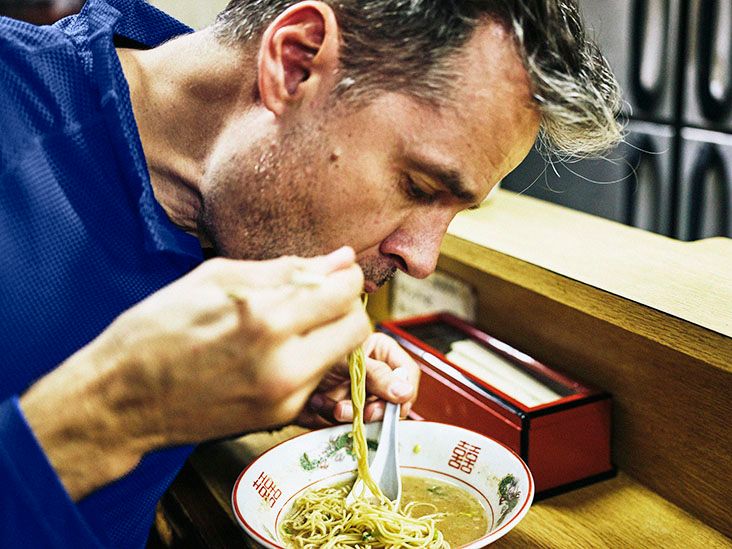
Psoriatic arthritis can affect more than fingers, knees, toes, and the lower back. In some people, it can also involve the jaw joint, turning simple things like chewing a sandwich, yawning, laughing, or talking through a long meeting into a surprisingly dramatic event.
Understanding the Connection Between Psoriatic Arthritis and Jaw Pain
Psoriatic arthritis, often shortened to PsA, is a chronic inflammatory disease linked to psoriasis. It happens when the immune system becomes overactive and causes inflammation in joints, tendons, ligaments, and sometimes the spine. While many people associate psoriatic arthritis with swollen fingers, stiff knees, heel pain, or nail changes, the condition can affect almost any joint in the body. That includes the temporomandibular joint, better known as the TMJ.
The TMJ is the hinge-like joint that connects your lower jaw to your skull. You have one on each side of your face, just in front of the ears. These small joints work hard all day. They help you chew, speak, swallow, yawn, smile, and make the facial expression that says, “I definitely heard what you said, but I need a minute.” When inflammation develops in this area, jaw movement can become painful, stiff, noisy, or limited.
Jaw involvement in psoriatic arthritis is not always the first symptom people notice. It may appear after years of skin psoriasis or after joint symptoms in other parts of the body. In some cases, jaw discomfort may be mistaken for dental trouble, stress-related clenching, sinus pressure, ear problems, or a regular TMJ disorder. That is why persistent jaw pain in someone with psoriasis or psoriatic arthritis deserves attention from a healthcare professional.
What Happens When Psoriatic Arthritis Affects the Jaw?
When PsA affects the TMJ, inflammation can irritate the joint lining, surrounding tissues, and chewing muscles. Over time, ongoing inflammation may contribute to stiffness, changes in bite, reduced range of motion, or joint damage. The jaw is small, but it is not shy about complaining. A tiny inflamed joint near the ear can create pain that spreads across the face, temple, neck, teeth, or head.
Unlike a simple sore muscle from chewing tough steak or grinding teeth overnight, psoriatic arthritis jaw pain is connected to immune-driven inflammation. The discomfort may flare and settle, often following the up-and-down pattern common in PsA. Some days, opening the mouth feels normal. Other days, breakfast feels like a workout for a joint that never signed up for gym class.
Because the TMJ is involved in so many daily movements, jaw symptoms can affect eating, speaking, sleep, dental care, mood, and quality of life. People may avoid crunchy foods, take smaller bites, speak less during flares, or feel anxious about their jaw locking or popping in public. The good news is that jaw pain related to psoriatic arthritis can often be managed with a combination of medical treatment, jaw-friendly habits, and professional support.
Common Symptoms of Psoriatic Arthritis in the Jaw
Jaw Pain or Tenderness
Pain is one of the most common signs that PsA may be affecting the jaw. The discomfort may be felt directly in front of the ear, along the jawline, in the cheek, or around the temple. It may feel dull, aching, sharp, throbbing, or pressure-like. Chewing, talking, yawning, or opening the mouth wide can make it worse.
Morning Stiffness
Psoriatic arthritis often causes stiffness after rest, especially in the morning. When the jaw is involved, a person may wake up feeling as if the mouth does not want to open smoothly. The jaw may loosen after gentle movement, warm compresses, or time, but repeated morning stiffness should not be ignored.
Clicking, Popping, or Grinding Sounds
Some people notice clicking, popping, crunching, or grinding sensations when they open or close their mouth. A painless click is not always a medical emergency, but clicking with pain, stiffness, swelling, or limited movement should be evaluated. Your jaw should not sound like a tiny bowl of cereal every time you chew.
Difficulty Chewing or Speaking
Inflammation in the TMJ can make chewing tiring or painful. Tough meat, bagels, raw carrots, gum, and large sandwiches may become difficult. Speaking for long periods may also increase discomfort, especially during a flare. Some people notice that their jaw feels weak, tired, or unstable.
Limited Mouth Opening
PsA-related jaw inflammation can make it harder to open the mouth fully. This can affect eating, brushing teeth, dental visits, or even yawning. In more severe cases, the jaw may lock open or closed. Jaw locking should be discussed with a dentist, rheumatologist, or oral and maxillofacial specialist.
Swelling Near the Ear or Jaw
Some people experience tenderness or swelling near the TMJ. Because this area is close to the ear, jaw inflammation can sometimes feel like ear pain. If ear symptoms appear with jaw stiffness, chewing pain, or known psoriatic arthritis, the TMJ may be part of the puzzle.
Headaches, Neck Pain, or Facial Pain
The jaw does not work alone. Chewing muscles connect with the temples, neck, and face. When the TMJ is irritated, nearby muscles may tighten and create headaches, facial soreness, or neck discomfort. This is one reason jaw-related PsA can feel bigger than “just jaw pain.”
How to Tell If Jaw Pain Might Be Related to Psoriatic Arthritis
Jaw pain has many possible causes, including teeth grinding, dental infections, arthritis, injury, stress-related clenching, bite problems, and general temporomandibular disorders. Psoriatic arthritis becomes a stronger possibility when jaw symptoms appear along with other PsA clues.
These clues may include psoriasis plaques, nail pitting, nails separating from the nail bed, swollen fingers or toes, heel pain, morning stiffness, back pain, joint swelling, fatigue, or a family history of psoriasis. A flare pattern can also be important. If jaw pain worsens during periods when other joints are inflamed, PsA may be involved.
Still, self-diagnosis is risky. A sore jaw does not automatically mean psoriatic arthritis has moved into the TMJ. Dental problems, infections, and other conditions can mimic TMJ pain. A proper evaluation may involve a physical exam, dental exam, medical history, imaging such as X-rays, ultrasound, CT, or MRI, and review by a rheumatologist or dentist familiar with TMJ disorders.
When to Get Medical Help
Occasional mild jaw soreness after chewing something tough may improve with rest. But certain symptoms deserve medical attention, especially if you already have psoriasis or psoriatic arthritis.
Contact a healthcare professional if jaw pain lasts more than a few days, keeps returning, limits your ability to eat or speak, causes jaw locking, appears with swelling, or comes with a sudden change in your bite. You should also seek care if you have unexplained joint pain elsewhere, morning stiffness, swollen fingers or toes, or nail changes. Early treatment matters because uncontrolled PsA can lead to joint damage over time.
Urgent care may be needed for jaw pain after an injury, signs of infection, fever, severe swelling, chest pain, sudden facial weakness, or trouble breathing or swallowing. Those situations are not “wait and see” moments. They are “please do not ask the internet to be your emergency department” moments.
Pain Relief for Psoriatic Arthritis Jaw Symptoms
Use Heat or Cold Therapy
Cold packs may help calm sharp pain or swelling during a flare. Moist heat may help relax tight chewing muscles and reduce stiffness. Many people use cold for sudden inflammation and heat for muscle tension, but the best choice depends on the symptom. Wrap packs in a towel and avoid placing extreme temperatures directly on the skin.
Choose Soft, Jaw-Friendly Foods During Flares
When the jaw is irritated, make chewing easier. Try soups, smoothies, scrambled eggs, oatmeal, yogurt, soft pasta, steamed vegetables, fish, mashed potatoes, or rice bowls with tender ingredients. Avoid gum, hard candy, crusty bread, chewy meat, ice chewing, and oversized sandwiches. Yes, the sandwich may be majestic, but your jaw does not need to unhinge like a cartoon snake.
Take Smaller Bites
Large bites force the TMJ to open wider and work harder. Cutting food into smaller pieces can reduce strain. This simple habit may feel minor, but it can make meals much more comfortable during jaw flares.
Practice Gentle Jaw Relaxation
Try keeping the lips closed, teeth slightly apart, and tongue resting gently on the roof of the mouth. This relaxed position can reduce clenching. Avoid forcing the jaw open or doing aggressive exercises unless a professional has recommended them. With TMJ pain, “no pain, no gain” is not the motto. “No pain, please and thank you” is much better.
Consider Physical Therapy
A physical therapist with experience in TMJ disorders may teach gentle exercises, posture strategies, soft tissue techniques, and ways to reduce muscle tension. Posture matters because forward head position and neck strain can increase stress on the jaw. Your jaw and neck are basically coworkers; when one is overworked, the other starts filing complaints.
Ask About a Night Guard if You Grind or Clench
Teeth grinding and clenching can worsen jaw pain, even when inflammation is the main issue. A dentist may recommend a custom oral appliance or night guard. Store-bought guards are available, but they do not fit everyone properly and may worsen symptoms in some cases. A professional opinion is safer, especially if you have bite changes or significant TMJ pain.
Use Medication Carefully
Over-the-counter anti-inflammatory medicines may help some people with pain and swelling, but they are not safe for everyone. People with kidney disease, stomach ulcers, blood thinner use, heart disease, certain medication interactions, or pregnancy-related concerns should ask a clinician first. For ongoing PsA, doctors may prescribe disease-modifying antirheumatic drugs, biologics, targeted therapies, corticosteroid injections, or other treatments depending on disease severity and overall health.
Treat the Psoriatic Arthritis, Not Just the Jaw
If jaw pain is caused by active PsA, local jaw care may help symptoms, but the bigger goal is controlling inflammation throughout the body. A rheumatologist can evaluate whether the current treatment plan is working. Sometimes jaw symptoms are a sign that PsA needs better disease control, not just a softer pillow and a temporary soup era.
Medical Treatments That May Help
Treatment depends on the cause and severity of the jaw symptoms. Mild pain may improve with conservative care, short-term anti-inflammatory treatment, jaw rest, and physical therapy. More persistent symptoms may require a coordinated plan involving a rheumatologist, dentist, dermatologist, physical therapist, or oral and maxillofacial specialist.
For psoriatic arthritis itself, treatment may include NSAIDs for mild symptoms, conventional DMARDs, biologic medications, targeted synthetic DMARDs, or other prescription therapies. These treatments aim to reduce inflammation, protect joints, improve function, and manage both skin and joint symptoms. If the TMJ is severely inflamed, a specialist may consider imaging or injection-based treatment. Surgery is usually reserved for severe structural problems that do not respond to conservative approaches.
The best treatment plan is personalized. A person with mild clicking and occasional soreness will not need the same approach as someone with severe jaw limitation, active psoriasis, swollen fingers, and morning stiffness in multiple joints. Good care starts with identifying the real driver of pain.
Daily Habits That Can Reduce Jaw Stress
Small daily changes can help reduce pressure on the TMJ. Avoid chewing gum, biting nails, chewing pens, holding the phone between your shoulder and jaw, or using your teeth as tools. Do not crack nuts, open packages, or perform any other “my teeth are scissors now” activity. Your dentist would like a word.
Keep your computer screen at eye level, relax your shoulders, and take breaks if you work or study for long periods. Stress can increase jaw clenching, so relaxation techniques, breathing exercises, gentle stretching, and better sleep routines may help. Hydration and balanced meals can also support general health, although no single diet cures psoriatic arthritis.
During flares, give the jaw a lighter workload. Choose softer meals, limit long phone calls if talking worsens symptoms, and avoid wide yawning when possible. Support your jaw gently with your hand if you feel a big yawn coming. It may look dramatic, but so does jaw pain during dinner.
What to Discuss With Your Doctor or Dentist
Before your appointment, write down when the pain started, what makes it better or worse, whether the jaw clicks or locks, and whether you have symptoms in other joints. Mention psoriasis, nail changes, family history, fatigue, back pain, heel pain, swollen fingers or toes, and any current medications.
Useful questions include: Could this jaw pain be related to psoriatic arthritis? Do I need imaging? Should I see a rheumatologist, dentist, or TMJ specialist? Are my current PsA medications controlling inflammation well enough? Would physical therapy help? Should I use heat, cold, a night guard, or medication? Are there foods or habits I should avoid during flares?
Clear communication helps prevent jaw pain from being treated as a random dental complaint when it may be part of a larger inflammatory condition. It also helps avoid the opposite mistake: assuming every jaw problem is PsA when a dental or muscular issue may be responsible.
Experiences: What Psoriatic Arthritis Jaw Pain Can Feel Like in Real Life
For many people, psoriatic arthritis jaw symptoms do not arrive with a neon sign that says, “Hello, this is inflammation in your temporomandibular joint.” Instead, the experience can be confusing. Someone may first notice that chewing a bagel feels oddly tiring. Another person may feel pain near the ear and wonder if an ear infection is starting. Someone else may hear a click every time they open their mouth and blame stress, sleep position, or a heroic amount of coffee-fueled clenching.
A common experience is the “breakfast test.” The jaw feels tight in the morning, and the first few bites of food are uncomfortable. Oatmeal is fine, toast is suspicious, and a chewy breakfast sandwich feels like it was designed by a villain. After a while, the jaw may loosen, which can make the symptom easy to dismiss. But when morning stiffness keeps returning, especially in a person with psoriasis or other joint pain, it becomes an important clue.
Another real-life pattern is pain that travels. The jaw may ache, but so may the temple, cheek, neck, or teeth. This can send people down the dental rabbit hole. They may wonder if they have a cavity, cracked tooth, sinus issue, or ear problem. Dental evaluation is still important because tooth and gum problems need proper care. However, if dental exams do not explain the pain, the TMJ and inflammatory arthritis should be considered.
Eating habits often change quietly. People may stop ordering steak, avoid crusty bread, cut apples into tiny pieces, or choose soup because it feels safer. They may not call this “disability” or even “a symptom.” They may simply adapt. The problem is that constant adapting can hide how much the condition is affecting daily life. If jaw pain changes what you eat, how long you talk, or whether you enjoy meals, it is worth discussing with a clinician.
Social situations can also become awkward. Imagine laughing with friends and suddenly feeling the jaw catch. Or trying to speak during a presentation while one side of the face throbs. Or sitting at dinner, calculating whether the next bite is worth the jaw drama. These experiences can be frustrating, especially because jaw pain is not always visible. People may look fine while quietly negotiating with their own face.
Relief often comes from combining several small strategies rather than finding one magical fix. A person may use moist heat in the morning, switch to softer foods during flares, stop chewing gum, practice jaw relaxation, improve posture, and work with a rheumatologist to control PsA inflammation. Another person may benefit from a custom night guard, physical therapy, or a medication adjustment. The most helpful plan usually treats both the local jaw symptoms and the underlying inflammatory disease.
The emotional side matters too. Chronic jaw pain can make people feel impatient, tired, or worried. It can interrupt sleep and turn ordinary meals into planning sessions. That does not mean the situation is hopeless. It means the pain deserves to be taken seriously. With early evaluation, smart self-care, and the right medical support, many people can reduce flares, protect joint function, and get back to eating, speaking, and laughing with less hesitation.
Conclusion
Psoriatic arthritis can affect the jaw by causing inflammation in the temporomandibular joint, leading to pain, stiffness, clicking, swelling, headaches, chewing trouble, and limited mouth movement. Because jaw pain has many possible causes, a professional evaluation is important, especially for people with psoriasis, nail changes, swollen joints, morning stiffness, or known PsA.
Pain relief often starts with conservative steps: heat or cold therapy, soft foods, smaller bites, jaw relaxation, posture improvements, physical therapy, and avoiding habits that overload the TMJ. When PsA inflammation is the root cause, long-term relief may depend on better control of the disease through a personalized medical treatment plan. In other words, do not let your jaw suffer in silence. It has been doing a lot of unpaid labor, and it deserves proper care.