Advertising is not just a cheerful billboard yelling, “Buy this snack, human!” It is a highly researched system designed to influence what you notice, what you want, what you compare, and how quickly you open your wallet. Sometimes that influence is helpful: a good ad can introduce you to a product that actually solves a problem. Other times, it behaves like a tiny salesperson living rent-free in your brain, whispering, “You deserve this,” “Everyone else has it,” and “The sale ends in 11 minutes, 43 seconds, and your future happiness depends on a blender.”
The modern advertising machine blends consumer psychology, data tracking, influencer marketing, persuasive design, social proof, emotional storytelling, and digital “dark patterns.” The goal is simple: shape your choices before you realize a choice is being shaped. This article breaks down how advertising manipulates your spending habits, why these tactics work, and what you can do to protect your money without becoming the person who buys only plain oatmeal in bulk and distrusts every banner ad like it stole their lunch.
Why Advertising Works: It Targets Feelings Before Logic
Most people like to believe they shop rationally. We compare prices, read reviews, consider quality, and then make a thoughtful decision. Lovely story. Very inspiring. Unfortunately, our brains often make buying decisions faster than our spreadsheets can catch up.
Advertising works because it usually speaks to emotion first and logic second. A commercial does not just sell a car; it sells freedom, confidence, safety, success, or the fantasy that traffic will magically disappear while you drive through a mountain road at sunset. A clothing ad does not merely say, “This jacket has sleeves.” It says, “This jacket is the missing chapter in your personality.”
Emotional Triggers That Push Spending
Advertisers commonly use emotional triggers such as fear of missing out, social belonging, nostalgia, status, convenience, security, and self-improvement. These emotions can be powerful because they connect products to identity. You are no longer buying running shoes; you are buying the idea that you are becoming the type of person who wakes up early and says things like “I love cardio” without being legally forced.
This is why “treat yourself” messaging is so effective. It turns a purchase into a reward. After a long day, an ad for food delivery, skincare, gadgets, or streaming subscriptions may feel less like marketing and more like emotional first aid. The problem is that repeated emotional spending can quietly turn into a habit, especially when ads appear at the exact moment you are tired, bored, stressed, or scrolling without a mission.
The Psychology Behind Advertising Manipulation
Advertising manipulation rarely depends on one big trick. It usually works through many small nudges that make a purchase feel natural, urgent, popular, or low-risk. These nudges often rely on cognitive biases, which are mental shortcuts our brains use to make decisions quickly.
Scarcity: “Only 2 Left” and Other Panic Buttons
Scarcity makes people value things more when they seem limited. Online stores use phrases like “only 2 left,” “limited edition,” “selling fast,” or “sale ends tonight” to create pressure. Sometimes scarcity is real. Other times, it is theater with a checkout button.
The reason it works is simple: people hate losing opportunities. When a product seems scarce, the question changes from “Do I need this?” to “Will I regret not buying this?” That switch is where wallets go to get ambushed.
Social Proof: “Everyone Loves It, So You Should Too”
Social proof is the idea that people look to others when deciding what to do. Ads use ratings, testimonials, influencer posts, customer photos, bestseller labels, and phrases like “trusted by millions” to make a product feel safer and more desirable.
Reviews can be useful, but they can also be manipulated. Fake reviews, paid testimonials, review suppression, and undisclosed influencer partnerships can make ordinary products look like life-changing miracles. A five-star rating should not automatically mean “buy now.” Sometimes it means “read carefully, sort by recent reviews, and check whether every reviewer sounds like they were generated by the same enthusiastic toaster.”
Anchoring: The First Price Messes With Your Brain
Anchoring happens when the first number you see affects how you judge later numbers. If a jacket is shown as “$220, now $79,” the $79 price feels like a bargain because your brain is anchored to $220. The real question, however, is not “How much am I saving?” It is “Would I still want this at $79 if I had never seen the higher price?”
This tactic appears everywhere: software plans, furniture sales, online courses, electronics, beauty products, and restaurant menus. The expensive option makes the middle option feel reasonable. The “premium” plan makes the basic plan feel inadequate. Suddenly, you are paying more because a pricing table gave you stage fright.
Personalization: Ads That Know a Little Too Much
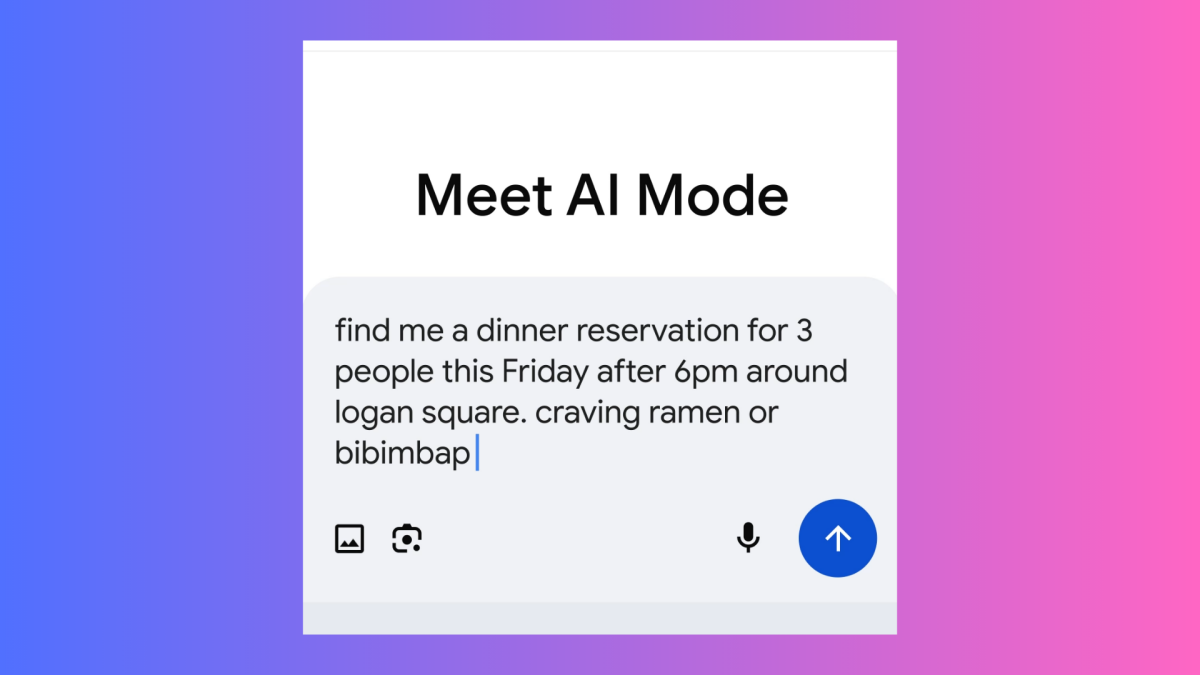
Targeted advertising uses data signals such as browsing behavior, search history, location patterns, app activity, interests, and demographic guesses to show ads that feel personally relevant. This can be convenient when you actually need something. It can also feel like the internet looked over your shoulder and said, “Nice anxiety. Would you like a weighted blanket?”
Personalized ads are powerful because they reduce friction. Instead of seeing random products, you see products connected to your current interests, insecurities, plans, or recent searches. A generic ad says, “Buy shoes.” A targeted ad says, “Buy the exact shoes you looked at yesterday, now with free shipping and emotional pressure.”
Digital Dark Patterns: When Design Becomes a Sales Trap
Dark patterns are deceptive or manipulative design choices that push users toward actions they may not have chosen clearly or freely. They appear in shopping carts, subscription pages, mobile apps, comparison tools, free trials, privacy settings, and cancellation flows.
Common Dark Patterns That Affect Spending
One common dark pattern is the hidden cost. You see a low price, begin checkout, and only near the end discover service fees, handling fees, convenience fees, mysterious “processing” fees, and possibly a fee for emotionally processing the fees.
Another is forced continuity. A free trial quietly turns into a paid subscription unless you cancel in time. The sign-up takes 14 seconds. The cancellation process requires six screens, a password reset, a chatbot, a phone call, and the patience of a lighthouse keeper.
Confirmshaming is another tactic. Instead of a simple “No thanks,” the opt-out button says something like, “No, I hate saving money.” This tries to make declining feel foolish or embarrassing. A good rule: if a button insults you, it probably wants your money.
Then there is visual hierarchy manipulation. The “Accept” button is large, bright, and friendly, while the “Decline” option is tiny, gray, hidden, or worded like a legal riddle. When design makes one choice easy and another choice annoying, it is not neutral. It is steering.
How Influencer Advertising Changes Buying Behavior
Influencer marketing works because it feels less like advertising and more like advice from someone you follow, admire, or trust. A traditional ad is obviously trying to sell. An influencer post can feel like a recommendation from a stylish friend who somehow owns perfect lighting and a suspicious number of discount codes.
The challenge is disclosure. When a creator is paid, gifted, sponsored, or connected to a brand, that relationship matters. Without clear disclosure, followers may mistake a paid promotion for an independent opinion. This is especially persuasive when the product is woven into everyday life: morning routines, room makeovers, fitness updates, school supplies, tech setups, or “things I’m obsessed with this month.”
The Parasocial Trust Effect
Many people develop parasocial relationships with creators, meaning they feel familiar with someone they do not personally know. That familiarity can make product recommendations feel more trustworthy. The more casual and authentic the post appears, the less it feels like marketingeven when it is carefully planned.
This does not mean influencers are always dishonest. Many genuinely like the products they promote. But as a consumer, it is smart to separate entertainment from evidence. A creator’s excitement is not the same as independent testing, long-term durability, or a realistic budget fit.
How Ads Encourage Impulse Buying
Impulse buying happens when you purchase quickly without much planning. Advertising encourages impulse buying by reducing the time between desire and checkout. One-click payment, saved cards, buy-now-pay-later options, countdown timers, personalized recommendations, and free shipping thresholds all make spending feel frictionless.
Free shipping thresholds are especially sneaky. You may add a $17 item you do not need to avoid paying $6 shipping. Congratulations, you have defeated shipping by spending nearly three times more. The math is wearing a fake mustache.
The Convenience Trap
Convenience is valuable, but it can weaken decision-making. When buying is too easy, there is less time for reflection. A purchase that once required driving to a store, comparing options, and standing in line now takes a thumbprint. That speed benefits sellers because hesitation is where many unnecessary purchases go to die.
Impulse buying is not always terrible. Buying a small treat within your budget can be harmless. The issue is repeated impulsive spending that quietly drains money from goals you care about more, such as savings, travel, education, debt repayment, hobbies, or financial stability.
Advertising and the Subscription Economy
Subscriptions are convenient when they are transparent and useful. They become a problem when ads highlight the low monthly price while hiding the long-term cost. “Only $9.99 a month” sounds tiny until you realize you are paying for seven services, three apps, two memberships, and one mystery subscription that appears on your bank statement like a ghost with billing privileges.
Subscription advertising often uses low entry prices, free trials, annual discounts, bundled plans, and exclusive content. The goal is to lower resistance at sign-up. Once you are enrolled, inertia does the rest. People forget, delay, or avoid cancellation because the process is annoying.
How to Fight Subscription Drift
Review your subscriptions once a month. Ask three questions: Do I use this? Would I sign up again today? Is there a cheaper or free alternative? If the answer is no, cancel it immediately. Do not create a “cancel later” list. That list is where good intentions go to wear pajamas forever.
Practical Ways to Stop Advertising From Controlling Your Spending
You do not need to live in a cave, delete every app, or hiss at billboards. The goal is not to avoid all advertising. The goal is to slow down the moment between wanting and buying.
Use the 24-Hour Rule
For non-essential purchases, wait 24 hours before buying. For expensive purchases, wait a week. This cooling-off period helps separate genuine need from ad-triggered excitement. If you still want the item later and it fits your budget, the purchase is more likely to be intentional.
Create a “Want List” Instead of a Cart
When you see something tempting, place it on a want list instead of adding it to your cart. Review the list weekly. You may be surprised how many “must-have” items become “why did I want a tiny waffle maker shaped like a dinosaur?” after a few days.
Turn Off Personalized Ads Where Possible
Many platforms offer ad personalization settings. Adjusting these settings will not remove all ads, but it can reduce the creepy precision. Also consider clearing browsing data, limiting app tracking, unsubscribing from promotional emails, and turning off push notifications from shopping apps.
Check the Real Total Cost
Before buying, calculate the full cost: shipping, taxes, fees, accessories, refills, maintenance, subscriptions, upgrades, and replacement parts. A cheap printer with expensive ink is not cheap. A low-cost app with endless add-ons is not simple. A “free” trial that requires a credit card is not exactly free; it is a timer wearing a party hat.
Compare Outside the Advertising Bubble
Do not rely only on the seller’s website. Search for independent reviews, long-term user feedback, product comparisons, and common complaints. Sort reviews by the most recent and the lowest rating. The one-star reviews often reveal problems the polished product page forgot to mention because, apparently, “battery dies after two weeks” is not great brochure material.
Set Spending Rules Before You Shop
Decide your budget before browsing. Advertising is most powerful when your rules are vague. A clear limit protects you from emotional upgrades. For example, “I can spend up to $80 on shoes” is stronger than “I’ll see what looks good,” because what looks good may have celebrity lighting and a payment plan.
Real-Life Experiences: What Advertising Pressure Feels Like in Everyday Spending
Most people do not experience advertising manipulation as one dramatic moment. It is usually a chain of small nudges. Imagine someone scrolling after a long school or workday. They are tired, a little bored, and not planning to shop. Then they see a short video showing a desk setup that looks peaceful, organized, and wildly more successful than their current desk, which contains a charger, three receipts, and a cup that should have been washed during a previous presidential administration.
The video does not simply show a lamp. It shows a lifestyle. The creator says the lamp “changed everything,” the comments say “link please,” and the store page says “selling fast.” The shopper clicks. The lamp is not too expensive, but the product page recommends a matching organizer. Then the cart suggests a cable tray to qualify for free shipping. In ten minutes, the person has moved from “I’m just relaxing” to “My future depends on a walnut-colored monitor stand.” That is how advertising often works: not by forcing a decision, but by creating a mood where spending feels like progress.
Another common experience happens with subscriptions. A streaming service offers a discounted first month. The ad highlights the low price, the exclusive shows, and the idea that everyone is watching. Signing up is effortless. Canceling later feels less urgent because the monthly amount seems small. But small amounts stack. A few forgotten subscriptions can quietly become a monthly bill large enough to deserve its own villain origin story.
Shopping apps create similar pressure through notifications. “Your favorites are on sale.” “Price drop.” “Only today.” “Someone just bought an item you viewed.” Even when you do not need anything, these messages reopen the decision. The app is not waiting for you to shop; it is inviting itself into your attention. Over time, this can train a habit of checking deals for entertainment. Bargain hunting starts to feel productive, even when it leads to buying things you would never have missed.
Food delivery ads offer another example. After a tiring day, an ad showing hot food arriving at your door can feel almost heroic. Convenience matters, and there is nothing wrong with ordering food sometimes. But advertising often appears when self-control is low: late evening, busy schedules, bad weather, stressful deadlines. The purchase feels like relief. If it becomes frequent, the cost adds up faster than expected.
The most useful personal defense is not guilt. Guilt usually leads to avoidance, and avoidance leads to surprise bank statements. A better approach is awareness. Notice your patterns. Are you more likely to buy when stressed? Do you shop after seeing influencers? Do countdown timers rush you? Do free shipping thresholds make you overspend? Once you know your triggers, you can design your own counter-system: waiting periods, budget limits, unsubscribing from promotional emails, removing saved cards, or creating a monthly “fun spending” amount.
Advertising becomes less powerful when you name what is happening. “This is scarcity.” “This is social proof.” “This is anchoring.” “This is a subscription trap.” Naming the tactic gives your rational brain a chance to re-enter the room, dust itself off, and ask the most underrated shopping question of all: “Do I actually want this, or did the internet just make a very dramatic presentation?”
Conclusion: You Can Enjoy Marketing Without Letting It Run Your Wallet
Advertising is not going away, and not all advertising is evil. Some ads are informative, creative, and genuinely useful. The problem begins when advertising hides its purpose, exploits emotional vulnerability, disguises paid promotion as honest opinion, or uses design tricks to make spending easier than thinking.
The best defense is intentional friction. Slow down. Compare carefully. Question urgency. Read the fine print. Track subscriptions. Check whether influencer recommendations are sponsored. Treat “limited time” offers as invitations to pause, not panic. Your money represents time, energy, and future options. Advertising wants quick reactions; your budget deserves better.
When you understand how advertising manipulates your choices and spending habits, you become harder to push around. You can still enjoy products, trends, deals, and good design. You simply stop letting every polished message become a purchase order. That is not being cheap. That is being awake.
Note: This article was written for web publication and synthesized from real U.S.-focused consumer protection guidance, behavioral research, digital advertising policy, and practical personal finance principles. Source links were intentionally excluded from the article body for clean publishing.