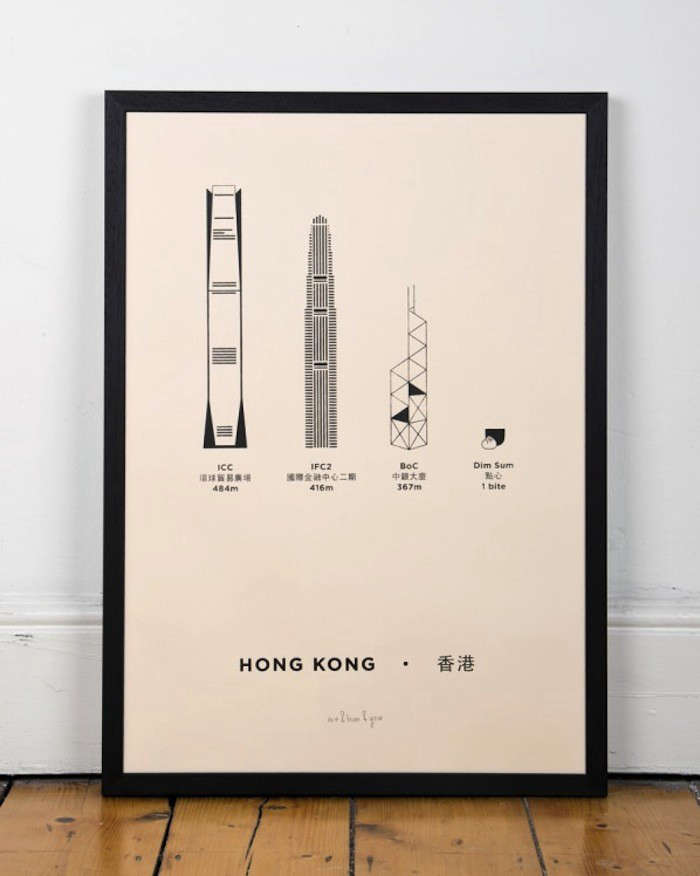
Say “Hong Kong screenprint” out loud and it practically arrives with its own soundtrack: tram bells, midnight traffic, a squeegee dragging ink across mesh, and a neon sign buzzing like it has strong opinions about dinner. A Hong Kong screenprint is not just a picture of a place. At its best, it is a layered, tactile, color-rich tribute to one of the world’s most visually electric cities.
Screenprinting, also called silkscreen or serigraphy, is a stencil-based printing method where ink is pushed through a prepared mesh screen onto paper, fabric, wood, metal, or another surface. That simple ideablock some areas, open others, push ink throughhas produced everything from fine-art editions to band posters, T-shirts, protest graphics, gallery prints, and collectible city art. When the subject is Hong Kong, the medium makes special sense. The city itself feels screenprinted: stacked buildings, flat planes of color, bold Chinese and English typography, glowing signs, ferry silhouettes, market awnings, and streets so dense they seem to have been pulled in perfect registration.
What Makes a Hong Kong Screenprint Different?
A Hong Kong screenprint usually refers to a handmade or editioned print inspired by Hong Kong’s cityscape, street culture, architecture, signage, food markets, transit, harbor views, and neon-lit nights. Unlike a standard digital poster, a screenprint has physical presence. Ink sits on the paper or fabric with a texture you can often feel. Colors can be layered one at a time, creating depth, slight imperfections, and the tiny human fingerprints that make collectors whisper, “Yes, I absolutely needed this,” even when their wall space says otherwise.
The visual language of Hong Kong is ideal for this process. Screenprinting favors bold shapes, high contrast, repeated forms, and strong color separations. Hong Kong offers all of that in abundance: red minibuses, green tramcars, blue street signs, yellow restaurant light, pink neon characters, concrete towers, tiled stairways, and the silver-black drama of Victoria Harbour after sunset.
A Quick Look at Screenprinting: From Mesh to Masterpiece
The basic screen printing process is surprisingly easy to understand and impressively difficult to master. A fine mesh is stretched tightly over a frame. A stencil blocks the areas where ink should not pass through. Ink is placed on the screen, then pulled across with a squeegee. Wherever the stencil is open, ink transfers to the surface below.
For a Hong Kong screen print with multiple colors, each color typically needs its own screen. A print with black linework, neon red signs, yellow shop lights, and blue evening shadows might require four separate screens. The printer must line up each layer carefully, a process known as registration. When it works, the result feels crisp and alive. When it does not, the print may look like it had three cups of milk tea and forgot where it parked.
Common Screenprint Methods
Artists and printers use several stencil techniques. A cut paper stencil is simple and direct, good for bold shapes. Drawing fluid and screen filler allow hand-drawn marks and expressive lines. Photo emulsion is the go-to method for detailed artwork because it can transfer fine line drawings, type, and photographic textures onto the screen. For Hong Kong imagery, photo emulsion is especially useful because the city is full of intricate details: window grids, shop signs, hanging cables, balcony rails, and tiny architectural rhythms.
Why Hong Kong Looks So Good in Screenprint
Hong Kong is a city of layers, and screenprinting is literally a process of layers. That is the magic match. A screenprint can separate the city into visual ingredients: one layer for shadow, one for light, one for typography, one for architectural structure, one for the glowing theatrical wink of neon.
Consider a print of Mong Kok at night. A digital photo might capture everything at once, but a screenprint can interpret the scene. The artist can flatten the buildings into graphic blocks, exaggerate the signs, simplify the crowds into silhouettes, and make one red character blaze from the paper like it just paid rent. Screenprinting does not have to reproduce Hong Kong exactly. It can translate the city into mood.
Neon Signs and Typography
Hong Kong’s neon signs are among its most recognizable visual icons. For decades, glowing signs projected over streets and announced restaurants, pawn shops, pharmacies, clubs, hotels, tailors, and tea houses. Many traditional neon signs have disappeared as businesses switch to LED systems and regulations reshape the streetscape. That has made neon imagery even more powerful in art. A Hong Kong neon screenprint can feel nostalgic without becoming dusty. It preserves the atmosphere of a street corner that may already be changing.
Typography is just as important. Hong Kong signage often combines Chinese characters, English words, numbers, logos, and pictograms. For screenprint artists, this mixture is gold. Big characters become graphic architecture. Small letters create rhythm. A sign is not just a label; it is part of the city’s face.
The Skyline and Victoria Harbour
The Hong Kong skyline is another favorite subject for screenprint artists. The skyline can be rendered as clean line art, dramatic blocks of color, or a cinematic night scene. A limited edition Hong Kong skyline print might show the Central business district, the Peak, the Star Ferry, or the view from Kowloon. The best versions avoid becoming generic souvenir art by focusing on composition: negative space, sharp silhouettes, unusual color choices, and a strong sense of atmosphere.
Street Food, Markets, and Everyday Details
Hong Kong screenprint art does not need a famous skyline to work. Some of the most charming pieces focus on everyday scenes: egg waffles, dai pai dong stools, stacked bamboo steamers, wet market lamps, old mailboxes, tiled apartment entrances, or the curve of a tram window. These details carry memory. They feel specific, lived-in, and wonderfully human.
Hong Kong Screenprint as Wall Art
For home decor, Hong Kong screenprint wall art has a different energy from a mass-produced poster. It feels crafted. A handmade print can anchor a room without shouting. In a minimalist apartment, a two-color Hong Kong street sign print adds personality. In a maximalist room, a neon-heavy silkscreen poster says, “Yes, we believe in visual caffeine here.”
Collectors often look for limited edition prints because scarcity adds value and character. A signed and numbered edition tells buyers how many prints exist. For example, “32/100” means the piece is the thirty-second print in an edition of one hundred. Artist proofs may also exist, sometimes marked “AP.” The lower the edition size, the more collectible the print may be, although quality, artist reputation, condition, and subject matter matter more than numbers alone.
Paper, Ink, and Finish: What to Look For
Good materials make a huge difference. Heavy cotton paper gives a screenprint a premium feel and handles ink beautifully. Smooth paper works well for crisp architectural lines, while slightly textured paper can add warmth to scenes with older streets, markets, or hand-drawn elements. Some artists use metallic ink for harbor reflections, fluorescent ink for neon signs, or opaque white ink on black paper for dramatic night scenes.
Ink choice affects both appearance and durability. Water-based inks can create a softer look and are popular for paper and textile printing. Plastisol inks, often used in apparel screen printing, sit on top of fabric and can produce bold, durable color. Specialty inks, including metallic, glow, puff, or transparent layers, can add surprisebut too many effects can make a print look like it raided a craft drawer unsupervised.
Hong Kong Screenprint on Apparel
Screenprinting is also a classic method for custom apparel. A Hong Kong screenprint T-shirt might feature a retro tram, a bilingual street sign, a skyline silhouette, or a stylized bowl of wonton noodles. The method works especially well for designs with a limited color palette and bold graphics. Because each color normally requires a separate screen, simple one-to-three-color designs are often more cost-effective for apparel than complex full-color artwork.
For clothing, the best results depend on the fabric, ink, curing temperature, and artwork design. Cotton shirts usually hold screen prints well. Dark garments may require an underbase layer so bright colors remain vibrant. Fine lines can work, but they need proper mesh count and careful exposure. In other words, if your design includes every window in every tower in Central, be kind to your printer. They are not a wizard, although on good days they may come close.
Designing a Strong Hong Kong Screenprint
A successful Hong Kong screenprint starts with a clear idea. The city has endless visual material, but trying to include everything can lead to chaos. Choose one focus: neon signs, the harbor, a tram, a market, a street corner, a district, a memory, or a mood. Then build the design around that idea.
1. Use a Limited Color Palette
Screenprints often become stronger when the palette is restrained. A Hong Kong night print might use deep navy, hot pink, bright red, and warm yellow. A nostalgic street scene might use cream, forest green, brick red, and black. Limiting the palette makes the print more graphic and easier to produce.
2. Think in Layers
Before printing, imagine each color as a separate layer. What happens if the red sits slightly over the black? Should the yellow glow under the sign? Can the blue shadow unify the buildings? Screenprinting rewards artists who think structurally.
3. Leave Room for Imperfection
Part of the beauty of screenprinting is that tiny differences may appear between prints. A slightly heavier ink pull, a minor shift in registration, or a subtle texture in the paper can make each piece feel alive. That does not mean sloppy printing is charming. It means controlled imperfection can be part of the appeal.
Buying a Hong Kong Screenprint: Practical Tips
When shopping for a Hong Kong screenprint, check the edition size, paper type, dimensions, artist signature, and printing method. Make sure “screenprint” is actually screenprint, not just a digital print using a screenprint-style filter. Digital prints can be beautiful, but they are not the same object.
Look closely at photos. Real screenprints often show ink texture, slight raised surfaces, or visible layering. Ask whether the print is signed, numbered, shipped flat or rolled, and printed with archival materials. If framing, use acid-free backing and avoid direct sunlight, especially with bright colors and fluorescent inks.
Why This Art Form Matters
Hong Kong is changing quickly. Streetscapes evolve, signs come down, family shops close, glass towers rise, and old visual details disappear before anyone remembers to photograph them properly. Hong Kong screenprint art can become a form of visual memory. It captures not only what the city looks like, but how it feels: compressed, luminous, fast, layered, practical, theatrical, and somehow elegant even when a delivery cart is blocking half the sidewalk.
That is why the medium matters. A screenprint is physical. It is made through pressure, ink, touch, timing, and repetition. Those qualities suit Hong Kong perfectly. The city itself is built from repetition and variation: apartment windows, tiled walls, signs, routes, routines, languages, and lights. A good Hong Kong screenprint turns that rhythm into art.
Experiences Related to Hong Kong Screenprint
The first experience many people have with a Hong Kong screenprint is visual recognition. They see a print across a room and instantly know the mood: dense streets, glowing signs, the harbor at night, the familiar geometry of high-rise living. Even if they have never been to Hong Kong, the image feels cinematic. If they have been there, the reaction is stronger. A small print can unlock a surprising amount of memory: the smell of roasted chestnuts, the humidity after rain, the sound of an Octopus card beep, the way neon reflects on wet pavement like the city is painting itself.
Working with a Hong Kong screenprint as an artist is a lesson in editing. The temptation is to include everything: skyscrapers, ferries, signs, crowds, food stalls, buses, mountains, and perhaps one heroic pigeon. But the best screenprints usually come from restraint. You learn to ask what the piece is really about. Is it about the romance of old neon? The vertical pressure of apartment towers? The rhythm of signs hanging over a street? Once the idea is clear, the process becomes sharper.
Printing the design adds another layer of experience. Pulling the first color feels calm enough. By the third or fourth layer, the stakes rise. The red sign must land in the correct spot. The yellow window lights must not drift into the sky. The black keyline has to hold the whole image together. When the registration works, there is a tiny studio miracle. When it fails, there is character-building, which is the polite artist phrase for “please do not speak to me for seven minutes.”
For buyers, living with a Hong Kong screenprint is different from owning a generic travel poster. The handmade quality invites closer looking. You notice the slight thickness of the ink, the edge of a color layer, the way a simplified sign suggests an entire street. Over time, the print becomes part of the room’s personality. It can make a small apartment feel worldly, a home office feel more creative, or a hallway feel like it has somewhere better to be.
For travelers, a Hong Kong screenprint can be a better souvenir than another object destined for a drawer. It is flat, displayable, and meaningful. For Hong Kong locals or members of the diaspora, it may carry emotional weight: a reminder of neighborhoods, languages, habits, and visual details that define home. For designers, it is a study in how place becomes graphic identity. For collectors, it is a chance to own a piece that combines craft, culture, and city memory.
In the end, the experience of Hong Kong screenprint is about connection. It connects hand and image, ink and paper, memory and design. It turns the speed of the city into something still enough to hang on a wall, but alive enough to keep glowing.
Conclusion
Hong Kong screenprint art succeeds because the medium and the subject understand each other. Screenprinting loves layers, contrast, repetition, and bold color. Hong Kong offers all of those things in glorious excess. From neon signs and street typography to harbor skylines and market scenes, the city gives artists a visual language that feels ready-made for ink and mesh.
Whether you are buying a limited edition print, designing a Hong Kong-inspired T-shirt, decorating a room, or learning the craft yourself, a Hong Kong screenprint offers more than a stylish image. It is a handmade interpretation of a city that refuses to be visually boring. And honestly, any art form that can make paper feel like it has nightlife deserves a little applause.