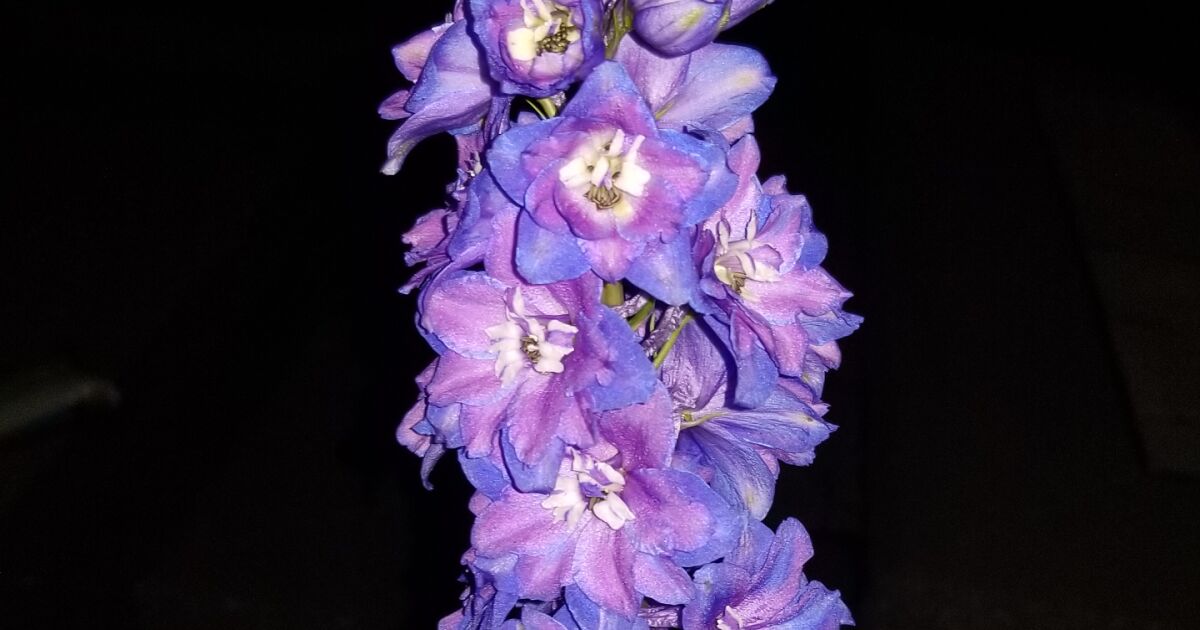
Somewhere in your garden, a flower is having its main-character moment. Perhaps it is a sunflower standing taller than the fence, a rose covered in raindrops, or one determined petunia growing through a crack where absolutely nobody invited it. Whatever is blooming, we want to see it.
The “Hey Pandas, Show Us A Photo Of A Flower In Your Garden” challenge is not about owning a professionally landscaped yard or an expensive camera. It is about noticing something beautiful, capturing it, and sharing the story behind it. A garden flower photo can introduce people to unfamiliar plants, inspire planting ideas, document seasonal changes, and remind us that nature routinely creates better color combinations than most interior designers.
Your photograph may feature a prized orchid, a cheerful marigold, a native wildflower, or the mysterious plant you bought three years ago and still call “the purple one.” Every bloom has a place in this virtual garden tour.
Why Garden Flower Photos Are Worth Sharing
A Single Bloom Can Tell a Complete Story
A flower photograph is rarely just a picture of petals. It may represent months of patient watering, a cutting inherited from a grandparent, a seed brought home from a memorable trip, or a plant that survived an enthusiastic puppy and two unexpected frosts.
Garden photography preserves these small stories. Flowers may bloom for only a few days, but a photograph lets you revisit the moment long after the petals have fallen. It can also help you compare how a plant changes from year to year. You may discover that your coneflower doubled in size, your hydrangea changed color, or your supposedly “compact” sunflower has started planning a takeover.
Flowers Connect Gardens to Larger Ecosystems
Many garden flowers provide nectar or pollen for bees, butterflies, beetles, flies, hummingbirds, and other pollinators. Pollination helps flowering plants produce seeds and fruit, making these visitors important to gardens, farms, and natural ecosystems. A photograph that includes a bee, butterfly, or hummingbird therefore captures more than beauty; it records a working ecological relationship.
Native flowers can be especially valuable because they are adapted to local conditions and often have long-standing relationships with regional wildlife. That does not mean every garden must become a wild meadow overnight. Even a few well-chosen flowering plants in a bed, balcony box, or container can provide useful resources.
How to Take a Beautiful Photo of a Garden Flower
You do not need a professional camera, a studio light, or an assistant whose only job is telling the wind to stop. A phone and a few basic techniques can produce a memorable garden flower photo.
Choose a Flower With Personality
Perfect flowers are attractive, but interesting flowers often make stronger photographs. Look for curled petals, unusual markings, dramatic shadows, visiting insects, or raindrops balanced on the edges. A slightly crooked stem may have more character than the most symmetrical bloom in the bed.
Before taking the picture, walk around the plant. View it from above, below, and at eye level. The first angle you see is not always the best one. A flower photographed from the side may reveal its structure, while a low angle can place the bloom against the sky instead of a busy background.
Use Soft Natural Light
Harsh midday sunlight can create bright highlights and deep shadows that hide delicate petal details. Early morning, late afternoon, and lightly overcast conditions generally provide softer illumination. Morning also brings the possibility of dew, although gardeners should resist the urge to spray a flower with half a garden hose and call it “natural moisture.”
Position yourself so the light falls across the bloom rather than directly behind you. Side lighting can emphasize texture, veins, and layered petals. Backlighting can make thin petals glow, especially on poppies, cosmos, and other translucent flowers.
Get Close, Then Check the Focus
Close-up photography can transform an ordinary garden bloom into an abstract landscape of color, texture, pollen, and repeating patterns. Many modern phones include macro or close-focus capabilities. When moving close, tap the most important part of the flower on the screen to set the focus, then hold the phone steady while taking the picture. Apple’s camera guidance similarly emphasizes selecting a precise focus point when making macro photographs.
Do not assume closer is always better. Take one detailed photograph and another that includes the stem, leaves, neighboring plants, or garden setting. The close-up shows the flower’s architecture; the wider frame tells viewers where it lives.
Simplify the Background
A gorgeous rose can lose the competition for attention when photographed in front of a garden hose, recycling bin, and mysterious upside-down wheelbarrow. Shift your position until the background becomes less distracting. Dark foliage, open sky, a fence, or a distant patch of greenery can make the flower stand out.
Portrait mode or a wide camera aperture can soften the background, but blur is not mandatory. A sharp environmental image may be more meaningful when the surrounding garden adds context. Flower photography benefits from thoughtful perspective, composition, and lighting rather than relying on equipment alone.
Protect the Flower While Photographing It
A photograph is not worth damaging the subject. Avoid bending stems, pulling neighboring plants, or stepping into flower beds for a better angle. When photographing wildflowers outside your own garden, remain on established paths and use composition to create the appearance of being surrounded by flowers without trampling them. The National Park Service specifically encourages photographers to use trails, junctions, and existing viewpoints when capturing wildflower scenes.
What to Include With Your Garden Flower Photo
A short caption can turn a pretty image into a conversation. You do not need to write a botanical dissertation. A few useful details are enough.
Name the Flower When Possible
Share the common or botanical name when you know it. When you do not, say so. “Can anyone identify this flower?” is an excellent way to invite knowledgeable gardeners into the discussion.
For identification requests, upload a clear image of the bloom along with photographs of the leaves, stem, and overall plant. Garden experts often request several high-quality images because a single close-up may not show enough identifying features.
Tell Us Where It Is Growing
Mention whether the flower grows in full sun, shade, a raised bed, a container, or the patch of soil everyone had declared hopeless. A general region or growing zone can also help readers understand why the plant thrives in your garden.
There is no need to publish your exact address. “Pacific Northwest,” “southern Arizona,” or “Zone 6 backyard” provides useful context without inviting strangers to arrive for an unauthorized botanical tour.
Share the Story Behind It
The most memorable captions often explain why the flower matters. Perhaps the plant came from a wedding bouquet, grew from seeds collected by your child, or finally bloomed after several seasons of doing absolutely nothing except occupying premium garden space.
You might also share a problem you solved. Did moving the pot create more blooms? Did a layer of mulch help during hot weather? Did the plant recover after being mistaken for a weed? Honest experiences make garden discussions more useful than captions that simply say, “Flower. Very floral.”
Garden Flowers That Always Look Great in Photos
Sunflowers
Sunflowers bring height, bold color, and an almost suspicious amount of confidence. Photograph the entire plant to show its scale, or move closer to capture the spiraling seed pattern. Dwarf and branching sunflower varieties can also work well in containers and produce multiple blooms that attract pollinators.
Coneflowers and Black-Eyed Susans
These daisy-shaped flowers have clearly defined centers and strong petal shapes, making them easy to photograph. Purple coneflower, in particular, may attract bees and butterflies that add movement and ecological context to the frame.
Bee Balm
Bee balm looks like a tiny firework decided to become a plant. Its shaggy flower heads can create dramatic close-ups, and its nectar attracts a variety of pollinators. Illinois Extension includes bee balm, coneflower, milkweed, asters, goldenrod, and other familiar plants among useful pollinator-garden choices.
Zinnias and Marigolds
Zinnias provide intense colors, layered petals, and long seasonal displays. Marigolds deliver warm yellow, orange, and red tones while tolerating the sort of gardening decisions made by people who occasionally forget watering exists. Both are approachable choices for beginning gardeners and photographers.
Roses
Roses can be photographed as elegant portraits, detailed macro studies, or wider scenes showing climbing stems and garden structures. Do not ignore aging flowers. Faded edges, opening centers, and falling petals can produce expressive images that feel more natural than a flawless florist-style bloom.
Hydrangeas
A hydrangea flower head is actually a community of many small flowers, making it ideal for pattern-based compositions. Photograph the entire cluster first, then move closer to isolate a few florets. Changes in bloom color and texture throughout the season can create an interesting photo series.
Flowering Herbs
Basil, oregano, rosemary, thyme, mint, dill, and other herbs can become surprisingly photogenic when allowed to flower. Their blossoms may be smaller than those of traditional ornamentals, but they can attract pollinators and add delicate texture to the garden. USDA guidance recommends combining diverse native plants, heirloom flowers, and herbs to provide varied flower forms and food resources.
How to Create a More Photogenic, Pollinator-Friendly Garden
Plant for More Than One Season
A garden that blooms only briefly offers a spectacular week followed by several months of mostly leaves and emotional recovery. Select plants with overlapping flowering periods so that something is blooming from spring through fall.
Early and late flowers are particularly useful because nectar and pollen may be less abundant during these seasonal transitions. Smithsonian Gardens recommends including plants that flower during these “shoulder” periods to support pollinators emerging in spring or preparing for winter and migration in fall.
Group Similar Plants Together
Planting several flowers of the same species in a group creates stronger visual impact and helps pollinators forage efficiently. Repeated colors and forms also make photographs feel more intentional. USDA Forest Service and Natural Resources Conservation Service guidance recommends planting flowers in clusters rather than scattering individual plants throughout a landscape.
Mix Flower Shapes, Heights, and Colors
Different pollinators are suited to different flower structures. Open, daisy-like blossoms offer accessible landing areas, while tubular blooms may appeal to long-tongued insects and hummingbirds. A mixture of tall spikes, rounded clusters, flat flower heads, and low-growing blooms creates both ecological variety and better photographic composition.
Consider combining tall sunflowers or Joe-Pye weed with medium-height coneflowers and low alyssum, thyme, or native groundcovers. Your garden will gain layers, and your photographs will have foregrounds, focal points, and backgrounds without requiring expensive landscaping props.
Use Containers When Space Is Limited
A balcony, porch, patio, or sunny windowsill can still host a share-worthy flower garden. Containers can provide nectar and pollen in areas without traditional garden beds. They also let you move plants to improve sunlight, shelter them from severe weather, or position them in front of a cleaner photographic background.
Reduce Unnecessary Pesticide Use
A flower covered in insects is not always a failed flower. Some visitors are pollinators, predators, or harmless temporary guests. Identify the insect and the actual level of damage before reaching for a treatment.
Broad pesticide use can harm beneficial insects as well as target pests. University of Maryland Extension and the Xerces Society advise gardeners to reduce pesticide use, tolerate minor cosmetic damage, and choose lower-risk or nonchemical controls when practical.
Allow a Little Imperfection
A pollinator-friendly garden does not need to resemble a catalog cover. Leaves may have holes. Stems may lean. Seed heads may remain through winter. A spider might build a web exactly where you wanted a clean photograph.
These details show that the garden is alive. Photograph them. A butterfly resting on a chewed leaf may tell a more compelling story than a perfect flower isolated from every other living thing.
Ideas for Joining the “Hey Pandas” Flower Challenge
Not sure which picture to post? Try one of these themes:
- Your first bloom of the season: Show the flower that officially announced winter was over.
- Your biggest garden surprise: Share a volunteer plant, unexpected color, or bloom that appeared where it was never planted.
- A pollinator in action: Capture a bee, butterfly, beetle, moth, or hummingbird visiting a flower.
- Your smallest flower: Get close to a tiny bloom that people might normally overlook.
- Your garden champion: Feature the plant that survived heat, cold, storms, neglect, or a family member with a lawn mower.
- A flower with a story: Share a plant connected to a person, place, celebration, or memory.
- Before and after: Post the bud beside the fully opened flower.
- Rainy-day beauty: Photograph petals holding natural droplets after a shower.
There is no competition for the most expensive plant or the grandest garden. A single flower growing in a recycled container can be just as fascinating as an entire rose arbor. What matters is the observation, image, and story.
Garden Experiences That Stay With You
The Flower That Was Almost Pulled Out
Many gardeners know the experience of discovering an unfamiliar seedling and facing a surprisingly serious decision: weed or future masterpiece? It is tempting to remove anything that does not match the planting plan, but curiosity occasionally wins.
Weeks later, the mystery plant may produce a brilliant sunflower, cosmos, poppy, or zinnia grown from a seed dropped the previous year. Photographing that first bloom feels like documenting a small act of garden rebellion. The plant was not purchased, labeled, measured, or carefully positioned. It simply appeared and succeeded.
Volunteer flowers often become favorites because they remind us that gardens are collaborations, not controlled stage sets. The gardener makes plans; wind, birds, insects, and last year’s seed heads submit revisions.
The Morning a Bee Entered the Frame
You may begin with a simple plan to photograph a flower and end up waiting quietly beside it for fifteen minutes. Then a bumblebee arrives, lands heavily on the center, and disappears into the petals like a shopper who knows exactly which aisle contains the snacks.
That visit changes the picture. The bloom suddenly has scale, movement, and purpose. Instead of photographing a decorative object, you are recording an interaction. The bee may emerge dusted with pollen, hover briefly, and move to the next blossom before you can take a second shot.
These moments teach patience. They also encourage gardeners to observe which plants receive the most visitors. A flower that seemed ordinary may become fascinating once you notice how many insects depend on it.
The Rose After the Storm
A storm can leave a garden looking as though every plant attended a party without supervision. Stems lean across paths, petals cover the ground, and the tallest flowers suddenly regret their career choices.
Yet the morning after a storm can produce remarkable photographs. Soft clouds reduce harsh shadows, leaves appear freshly washed, and droplets gather along petal edges. A rose that looked polished the previous afternoon may now appear dramatic and vulnerable.
Photographing weathered flowers reveals a different kind of beauty. The image is not about perfection; it is about endurance. Gardeners understand that survival can look a little untidy.
The Plant Connected to Someone You Love
Some flowers carry memories that cannot be measured by bloom size. A daylily divided from a parent’s garden, a peony planted by a previous homeowner, or a rose chosen for a wedding anniversary may become part of a family’s history.
Taking a photograph of that flower preserves more than its appearance. It records the season, the place, and the relationship attached to it. Sharing the image may encourage other people to remember plants associated with their own families.
Gardens are full of these quiet connections. A flower can outlive a celebration, move to a new home through cuttings or divisions, and bloom for another generation.
The First Photograph That Made You Look Closer
One of the best experiences in garden photography occurs after the picture is taken. Zooming in may reveal details you did not notice outside: grains of pollen, tiny hairs on a stem, symmetrical veins, a miniature insect, or subtle colors hidden near the flower’s center.
After that discovery, future walks through the garden become slower. You stop scanning the whole yard and begin examining individual blooms. Photography changes from a way of collecting images into a way of paying attention.
That may be the real point of this challenge. The photograph matters, but the moment of noticing comes first.
Conclusion: Your Garden Deserves Its Close-Up
Every garden contains something worth sharing. It might be a rare specimen cultivated with expert care, a common daisy glowing in evening light, or a tiny flower growing beside the driveway. Beauty does not require a large yard, perfect landscaping, or professional equipment.
Take a walk outside, crouch down, look closely, and find the bloom that catches your attention. Photograph its details, include its surroundings, or wait for a pollinator to visit. Then tell us what the flower is, where it grows, and why it matters to you.
So, Pandas, show us a photo of a flower in your garden. The internet has enough arguments, advertisements, and blurry restaurant menus. It can always use another flower.
Note: When posting garden photographs publicly, avoid sharing precise home-location information. Photograph flowers and visiting wildlife without damaging plants, disturbing nests, handling pollinators, or stepping into protected growing areas.
Research note: This article synthesizes practical information from U.S.-based horticultural, conservation, photography, and public-land resources, including USDA, the U.S. Forest Service, the Natural Resources Conservation Service, the National Park Service, Smithsonian Gardens, University of Minnesota Extension, University of Maryland Extension, Penn State Extension, Illinois Extension, the Xerces Society, Pollinator Partnership, Adobe, and Apple.