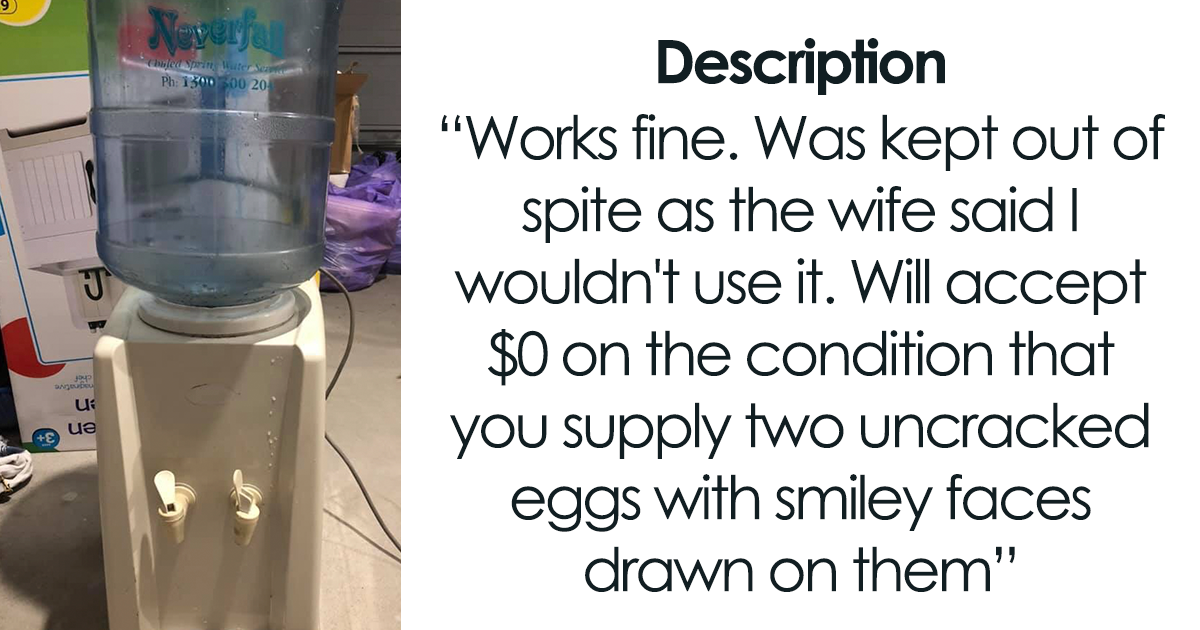
Every now and then, the internet delivers a story so delightfully ridiculous that it deserves its own tiny golden trophypreferably shaped like an egg. This is one of those stories. A man named Ben, known online as “Ben the Bloke,” listed a water cooler on a local online marketplace. But instead of asking for cash, he requested payment in eggs. Not fancy eggs. Not collectible eggs. Not eggs laid by a chicken with a verified blue check mark. Just regular eggswith a funny little twist.
What started as a simple attempt to give away a used water cooler became a full-blown bidding war between people offering eggs as currency. The internet, naturally, cracked up. The exchange had everything: unusual bartering, friendly competition, farm-fresh drama, egg puns, and the kind of wholesome absurdity that makes scrolling online feel less like a mistake and more like a public service.
The viral water cooler egg trade is more than a funny post. It says something about how people buy, sell, barter, negotiate, and entertain each other in the age of Facebook Marketplace, neighborhood groups, and secondhand selling platforms. Sometimes, the value of an item is not measured in dollars. Sometimes, it is measured in breakfast.
The Water Cooler Listing That Started It All
Ben’s listing was simple: he had a water cooler he no longer needed. In many local marketplace posts, that would be the entire story. A seller uploads a blurry photo, writes “works fine,” waits for 14 people to ask, “Is this still available?” and then questions every life choice that led to this moment.
But Ben added personality. Instead of listing the cooler for money, he asked for eggs. More specifically, he wanted eggs with smiley faces drawn on them. That small detail transformed the post from a basic used-item listing into a comedy sketch performed by strangers in real time.
The request was odd enough to catch attention but harmless enough to invite participation. It was not a scammy “trade me your car for exposure” situation. It was more like, “I have a water cooler. You have chickens. Let us see what civilization can accomplish.”
How a Simple Trade Turned Into a Bidding War
Ben reportedly expected little to no response. That is understandable. Most people do not wake up thinking, “Today is the day I shall acquire a water cooler through poultry-based currency.” Yet the messages started coming in. At first, there were several offers. Then the situation narrowed into a competitive battle between two interested buyers, Amber and Donna.
That is where the story became internet gold. Instead of quietly negotiating, the bidders escalated their offers. Eggs became a bargaining chip. Smiley faces became a premium feature. At one point, real money entered the conversation, but Ben remained committed to the original spirit of the deal. The man wanted eggs. The economy had spoken.
Amber had a major advantage: she was connected to chickens, which in this strange marketplace universe made her something like a billionaire. In a normal bidding war, a buyer might increase an offer by five dollars. In this one, the winning strategy was having reliable access to breakfast ingredients. Donna, however, stayed in the race, proving that determination can survive even when your competitor may have a backyard full of feathered suppliers.
Why the Story Went Viral
It Was Weird, But Not Mean
The internet is full of drama, arguments, and comment sections that make people want to move into the woods. This story worked because it was strange without being cruel. Nobody was being publicly humiliated. Nobody was trying to ruin anyone’s day. It was just a person turning an ordinary transaction into a playful challenge.
That matters. Viral humor often spreads fastest when people can enjoy it without feeling guilty. A water cooler exchanged for eggs is silly, clean, and easy to share. It is the kind of story you can send to a friend with the message, “The internet is not completely broken today.”
The Stakes Were Hilariously Low
Part of the comedy came from the mismatch between the seriousness of a bidding war and the actual prize. This was not a luxury car, a rare collectible, or the last concert ticket on Earth. It was a water cooler. Useful? Absolutely. Glamorous? Only if your office break room has a red carpet.
Yet the bidders treated the exchange with enough enthusiasm to make the situation feel dramatic. The result was a tiny marketplace opera: ambition, strategy, disappointment, victory, and eggs with faces.
Eggs Are Funny by Default
Some objects are naturally funnier than others. A stapler is mildly funny. A fax machine is historically funny. Eggs, however, are comedy royalty. They crack. They roll. They break at the worst possible moment. They are both food and fragile emotional support objects.
Add hand-drawn smiley faces, and suddenly the eggs become characters. They are no longer just payment. They are tiny oval ambassadors of goodwill.
The “Eggconomy”: Why Bartering Still Works Online
Although money is the standard tool for buying and selling, bartering never disappeared. It simply moved online. People trade furniture for help moving, plants for homemade jam, baby clothes for books, and old appliances for whatever the other person has available. The water cooler story is a funny example, but the habit is very real.
Modern local marketplaces make barter easier because they connect nearby people who may value items differently. To one person, a water cooler is clutter. To another, it is a useful appliance. To someone with chickens, eggs may be abundant. To someone without chickens, fresh eggs can feel like a luxury, especially during times when grocery prices rise.
That difference in value is what makes bartering interesting. It is not always about equal retail price. It is about usefulness, timing, convenience, and the joy of making a deal that feels memorable.
What This Viral Marketplace Story Says About Secondhand Selling
Personality Helps Listings Stand Out
The average online listing has the personality of a cardboard box in a waiting room. “Used table. Good condition. Pickup only.” Fine, but forgettable. Ben’s listing stood out because it had a hook. Asking for eggs turned the post into a conversation starter.
For sellers, this is a useful lesson. You do not need to turn every listing into a comedy festival, but a little personality can make people notice. Clear photos, honest descriptions, fair expectations, and a friendly tone can help items move faster. Humor works best when it supports the listing rather than hiding important details.
People Love a Good Local Treasure Hunt
Secondhand shopping has grown because it offers more than savings. It offers the thrill of discovery. A shopper might log in looking for a bookshelf and leave with a vintage lamp, a stack of board games, and an unexplained ceramic duck. Local marketplaces are unpredictable, which is exactly why people keep browsing.
The water cooler bidding war fits that culture perfectly. It is not just about getting an item. It is about the story attached to it. Anyone can buy a cooler. Not everyone can say, “I won it in an egg-based negotiation.”
Community Makes Transactions More Memorable
The best local exchanges often feel less like shopping and more like neighborly cooperation. People give away items they no longer need. Others pick them up and put them to use. In between, there may be jokes, small talk, and the occasional carton of decorated eggs.
This is why gift economies, neighborhood swap groups, and local resale communities continue to attract people. They reduce waste, save money, and create small human moments. A water cooler might be ordinary, but the interaction around it can become unforgettable.
The Role of Egg Prices in Making the Joke Even Better
Eggs have had a surprisingly dramatic public life in recent years. In the United States, egg prices have gone through sharp swings due to supply disruptions, avian influenza outbreaks, and changing production costs. For many shoppers, eggs have sometimes felt less like a grocery staple and more like a precious commodity guarded by dragons.
That context makes the viral story even funnier today. A trade involving eggs may have sounded silly at first, but during periods of high prices, a carton of eggs can feel genuinely valuable. The joke accidentally aged into economic commentary. Ben may not have been creating a serious financial model, but the “eggconomy” suddenly makes more sense when shoppers are watching egg prices like stock traders watching Wall Street.
Of course, the humor depends on the absurdity. Nobody is suggesting eggs should replace dollars. Try paying your electric bill with a dozen large grade A eggs and see how quickly customer service develops a migraine. But as a one-time local trade, it was perfect.
How the Bidding War Ended
In the end, Amber appeared to have the strongest egg-based position, thanks to her chicken connection. However, she was reportedly unable to collect the water cooler. That opened the door for Donna, who followed through and delivered the egg payment.
The eggs were not just ordinary eggs, either. They came with smiley faces, fulfilling the spirit of the original request. Some may have been slightly damaged along the way, but that only made the ending feel more authentic. This was not a polished corporate transaction. This was local marketplace theater, and the props were fragile.
Ben’s goal, by his own account, was not to become the king of egg trading. He wanted to give the water cooler to someone who could use it and enjoy a laugh in the process. On that score, the mission was a complete success. The cooler found a new home, the eggs found their way into internet history, and thousands of people got a reason to smile.
Marketplace Safety: Keep the Fun, Skip the Foolishness
Stories like this are charming, but online buying and selling still require common sense. If you are meeting someone for a local exchange, choose a public place when possible, communicate clearly, and avoid sharing unnecessary personal information. If an item is large and must be picked up from a home, consider having another person present and arranging the pickup during daylight hours.
For buyers, inspect items before agreeing to the trade. A water cooler should be checked for cleanliness, leaks, missing parts, and whether it actually works. For sellers, be clear about the condition of the item. If the cooler has scratches, say so. If it hums louder than a lawn mower with ambition, mention that too.
Barter deals also need clarity. If you ask for eggs, specify how many eggs. If you want smiley faces, say whether every egg needs a face or if a few cheerful representatives will do. Civilization depends on details.
Why Humor Is a Powerful Selling Tool
Humor reduces friction. When a seller sounds friendly, buyers are more likely to engage. A funny listing can make people feel comfortable asking questions and making offers. It also increases shareability. Someone may not need a water cooler, but they may still send the post to a friend because it is entertaining.
That extra attention can create competition. In normal selling, competition may raise the price. In Ben’s case, it raised the number of eggs. Either way, the principle is the same: attention creates demand.
Still, humor should not replace honesty. A funny listing that hides defects will backfire. The best approach is to be accurate first and amusing second. Think of humor as seasoning. A little makes the listing better. Too much, and suddenly nobody knows whether you are selling a chair or auditioning for a sitcom.
Lessons From the Water Cooler Egg Bidding War
1. A Creative Offer Can Attract More Attention Than a Regular Price
Most people scroll past ordinary listings quickly. A creative trade request interrupts the pattern. It makes people curious. Even those who are not interested in the item may engage because the listing feels fun.
2. Bartering Works Best When Both Sides Enjoy the Deal
The water cooler trade worked because the item had value to the buyer and the eggs had value to the seller. Nobody felt pressured. Nobody needed a complicated contract. It was a lighthearted exchange with a clear goal.
3. Local Marketplaces Are Social Spaces, Not Just Sales Platforms
People go to marketplaces to buy things, but they stay for the stories. A funny listing can become a neighborhood conversation. A strange trade can become a viral post. The social side is part of the appeal.
4. The Best Internet Stories Feel Human
This story became popular because it had a human center. Ben made a silly request. Strangers played along. The bidders got competitive without turning nasty. The result was a small reminder that people can still be wonderfully weird in harmless ways.
What Sellers Can Learn From Ben’s Egg-Based Strategy
If you want to sell or trade an item online, you do not need to request farm products as payment. But you can borrow the spirit of Ben’s approach. Make your listing clear, specific, and memorable. Use good photos. Mention the condition. Say whether pickup is required. If you are open to trades, list examples of what you would accept.
For instance, someone selling a bookshelf might write, “Open to cash or trade for healthy houseplants that are not actively plotting against me.” A person giving away moving boxes could say, “Free to anyone who can pick them up and promise not to judge my tape usage.” The goal is to sound human.
That said, keep your joke practical. If buyers cannot understand what you are offering, the listing will fail. Ben’s post worked because the core deal was easy: water cooler for eggs. The funny part added charm, not confusion.
The Internet Needed This Kind of Story
Viral stories often spread because they trigger strong emotions. Some make people angry. Some make people sad. This one made people laugh. It offered a break from the usual online noise and gave readers a tiny comedy with a beginning, middle, and egg-shaped ending.
There is also something refreshing about the scale. The story did not involve celebrities, billion-dollar companies, or dramatic scandals. It involved a used water cooler and people willing to negotiate in eggs. In a world obsessed with bigger, faster, and more expensive, this story became popular because it was small, local, and sincere.
Personal Experiences and Everyday Examples Related to the Topic
Anyone who has spent time on local marketplaces knows that the strangest transactions often become the best stories. You may list a simple item and suddenly find yourself negotiating with someone who wants to trade a bicycle helmet, three jars of homemade pickles, or a lamp shaped like a goose. The water cooler egg bidding war feels hilarious because it reflects a real experience many people have had: online selling rarely goes exactly as planned.
One common experience is the “unexpected trade offer.” A seller lists a small appliance for $25, and instead of money, someone offers a stack of firewood, a guitar pedal, or “a really nice chair, just needs one leg.” These offers can be annoying if the seller wants cash, but they can also be entertaining. Sometimes the trade is useful. Sometimes it is confusing. Sometimes it sounds like the beginning of a folk tale.
Another familiar experience is the buyer who becomes emotionally attached before the deal is complete. They ask questions, negotiate, plan pickup, and then disappear like a magician with poor communication skills. In the water cooler story, the twist was that the top bidder could not collect the item, so the next bidder got the prize. That happens often in local selling. The first “definitely interested” person is not always the final buyer. A reliable pickup can be worth more than a higher offer.
Many people also recognize the joy of giving away something they no longer need. A used water cooler, an old desk, extra moving boxes, a baby gate, or a stack of plant pots may be clutter to one household but extremely helpful to another. When the exchange includes humor, it feels even better. Instead of simply removing an item from your home, you create a tiny positive interaction.
There is also a lesson in accepting unconventional value. Money is convenient, but it is not the only thing people appreciate. Fresh eggs, garden vegetables, baked goods, plants, tools, or help carrying furniture can all be meaningful in the right situation. In neighborhood exchanges, value often depends on context. A dozen eggs from someone’s backyard chickens may feel more personal than a few dollars. Add smiley faces, and now you have breakfast with character development.
The story also reminds sellers to have patience and a sense of humor. Online marketplaces can be chaotic. People ask questions already answered in the listing. They offer half the asking price. They request delivery from 47 miles away. They say they are on their way and then vanish into the digital mist. But every so often, a transaction becomes genuinely funny or surprisingly kind. That is why people keep using these platforms despite the occasional headache.
Finally, the water cooler egg bidding war shows that ordinary objects can create extraordinary moments when people are willing to play along. The cooler itself was not remarkable. The trade made it memorable. The bidders made it funny. The eggs made it legendary. In daily life, these small stories matter. They give people something to laugh about, share with friends, and remember long after the item has changed hands.
Conclusion
The story of a guy wanting to sell his water cooler in exchange for eggs is funny because it is simple, strange, and surprisingly wholesome. A regular online listing became a bidding war not through expensive offers, but through creativity, humor, and the universal charm of eggs with smiley faces. It captured the best part of local marketplace culture: people can turn even the most ordinary exchange into a memorable moment.
Behind the jokes, the story also reveals why bartering, secondhand selling, and neighborhood trading remain popular. People like saving money, reducing waste, finding useful items, and connecting with others. Sometimes they also like winning a water cooler with poultry products. No judgment. In the grand marketplace of life, we all have our currency. For Ben, it was eggs.
Note: This article is written as original English web content based on the publicly reported viral water cooler egg-trade story and broader real-world context about online marketplaces, bartering, secondhand selling, and egg-price conversations.