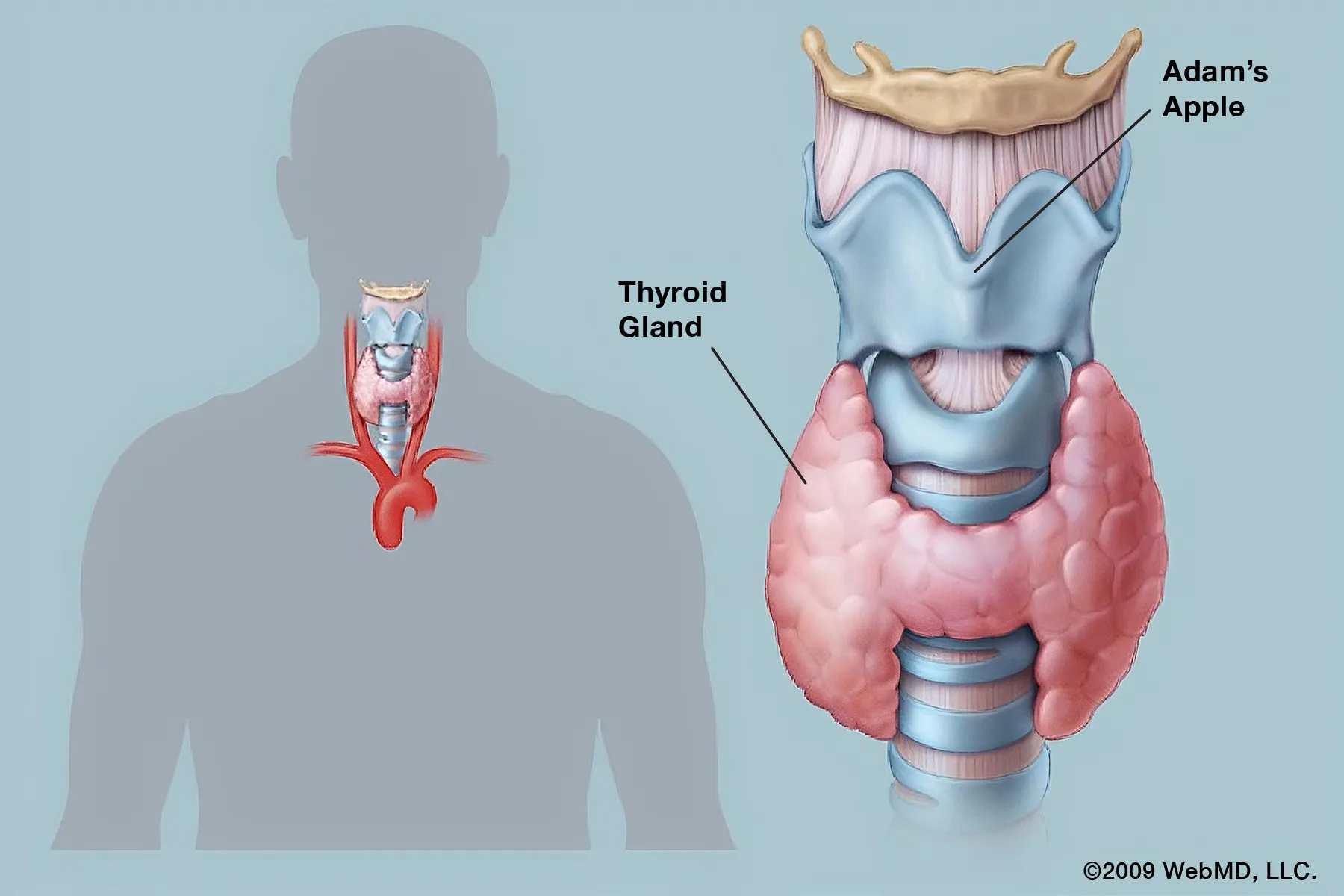
Graves’ disease sounds like something that should come with a haunted-house soundtrack, but it is not named after a cemetery and it is not a character flaw. It is an autoimmune thyroid disorder in which the immune system accidentally pushes the thyroid gland into overdrive. The result is usually hyperthyroidism, meaning the thyroid makes more hormone than the body needs. When that happens, your body can feel as if someone pressed the metabolic accelerator and then wandered off with the brakes.
The thyroid is a small, butterfly-shaped gland at the front of the neck, but do not let its size fool you. Thyroid hormones help regulate heart rate, body temperature, digestion, mood, weight, menstrual cycles, muscle strength, energy use, and much more. When Graves’ disease causes too much thyroid hormone to circulate, symptoms can show up in nearly every room of the body’s “house.” Some people notice weight loss, shaky hands, anxiety, or a racing heart. Others first notice eye changes, heat intolerance, sleep problems, or a swollen neck from an enlarged thyroid gland called a goiter.
This guide explains what Graves’ disease is, what causes it, who is more likely to develop it, how it is diagnosed, and what treatment options may look like. It is written for readers who want clear information without needing a medical dictionary, a lab coat, or three cups of coffee to stay awake.
What Is Graves’ Disease?
Graves’ disease is an autoimmune disease that most often causes an overactive thyroid. In autoimmune conditions, the immune system mistakenly targets the body’s own tissues. In Graves’ disease, the immune system produces antibodies that attach to thyroid cells and stimulate them too strongly. These antibodies are often called thyroid-stimulating immunoglobulins or TSH receptor antibodies.
Normally, the brain’s pituitary gland releases thyroid-stimulating hormone, or TSH, to tell the thyroid how much hormone to make. Think of TSH as a polite thermostat message: “A little more heat, please,” or “We have enough for now.” In Graves’ disease, the abnormal antibodies behave like a stuck doorbell. They keep signaling the thyroid to produce hormones even when the body already has plenty.
The thyroid mainly makes two hormones: thyroxine, known as T4, and triiodothyronine, known as T3. Too much T3 and T4 can speed up metabolism and strain the heart, bones, muscles, nervous system, digestive system, and reproductive system. Graves’ disease is one of the most common causes of hyperthyroidism, especially in adults.
What Causes Graves’ Disease?
The simple answer is: Graves’ disease is caused by an immune system mistake. The more complete answer is that researchers believe the disease develops when genetic susceptibility and environmental triggers overlap. In other words, a person may inherit a tendency toward autoimmune thyroid disease, but something else may help switch the condition on.
The Immune System Gets the Wrong Address
Your immune system is built to protect you from infections and other threats. In Graves’ disease, it misidentifies thyroid tissue as a target and produces antibodies that stimulate the thyroid. The thyroid then makes too much hormone, causing hyperthyroidism. This is not because the person did anything wrong. It is not caused by being “too stressed,” eating one wrong food, or forgetting to relax hard enough. The body is simply running a complicated immune program with a bug in the code.
Genetics and Family History
Graves’ disease often runs in families. A family history of thyroid disease or autoimmune conditions can increase risk, although no single “Graves’ disease gene” explains every case. Instead, many genes related to immune function and thyroid regulation may contribute. That means you can have relatives with thyroid disease and never develop Graves’ disease, or you can be the first person in your family to receive the diagnosis.
Environmental and Life Triggers
Several factors may increase the chance that Graves’ disease appears in someone who is already susceptible. These include smoking, major physical or emotional stress, recent pregnancy or the postpartum period, high iodine exposure, infections, and certain medications. These triggers do not guarantee the disease will happen, but they may help explain why symptoms sometimes begin after a major life change.
Smoking and Thyroid Eye Disease
Smoking deserves special attention because it is strongly linked with a higher risk of thyroid eye disease, also called Graves’ eye disease or thyroid-associated ophthalmopathy. This eye condition can cause bulging eyes, dryness, irritation, swelling, double vision, light sensitivity, or a feeling of pressure behind the eyes. Not everyone with Graves’ disease develops eye problems, but smoking can make them more likely and more severe.
Who Is More Likely to Get Graves’ Disease?
Graves’ disease can affect anyone, including men, women, teenagers, and older adults. However, it is more common in women and often appears during adulthood, especially between young adulthood and middle age. People with other autoimmune diseases, such as type 1 diabetes, rheumatoid arthritis, lupus, Addison’s disease, or pernicious anemia, may also have a higher risk.
Pregnancy and the months after childbirth can also be a time when thyroid problems become noticeable. This does not mean pregnancy “causes” Graves’ disease in a simple way. Rather, pregnancy changes the immune system, and the postpartum immune rebound may reveal or reactivate autoimmune thyroid disease in some people.
Common Symptoms of Graves’ Disease
Graves’ disease symptoms can vary from mild and sneaky to dramatic enough that the body feels like it has joined a speed-running competition. Some symptoms develop gradually and are easy to blame on stress, caffeine, hot weather, or “just being busy.” That is one reason Graves’ disease can go undiagnosed for a while.
Body and Energy Symptoms
Many people experience unexplained weight loss even when appetite increases. Others feel tired but wired, like their body wants to run a marathon while their brain wants a nap. Muscle weakness, especially in the upper arms and thighs, can make climbing stairs or lifting groceries feel harder than usual. Heat intolerance and excessive sweating are also common because the metabolism is running hot.
Heart and Nervous System Symptoms
A fast heartbeat, palpitations, trembling hands, nervousness, irritability, and anxiety can occur when thyroid hormone levels are high. Some people describe feeling as if they drank espresso through a fire hose, even when they have not touched caffeine. Sleep problems are common, and poor sleep can make mood symptoms worse.
Digestive, Skin, and Hair Changes
Frequent bowel movements, diarrhea, thinning hair, warm or moist skin, and brittle hair may occur. Some people notice changes in their menstrual cycle, including lighter or irregular periods. Graves’ disease may also cause a goiter, which can look like swelling at the front of the neck or create a feeling of pressure when swallowing.
Eye Symptoms
Graves’ disease can affect tissues around the eyes. Symptoms may include gritty or dry eyes, redness, eyelid swelling, watery eyes, sensitivity to light, bulging eyes, double vision, or pain with eye movement. Severe eye disease is less common, but it requires prompt medical attention because vision can be affected.
Skin Symptoms
A smaller number of people develop thickened, reddish skin, often over the shins or tops of the feet. This is called Graves’ dermopathy or pretibial myxedema. It is not the most common symptom, but it is one of the more distinctive clues that the immune system is involved.
How Graves’ Disease Is Diagnosed
Diagnosis usually begins with a medical history, physical exam, and blood tests. A healthcare provider may check the neck for thyroid enlargement, listen for a fast heart rate, ask about weight changes, look for tremor, and examine the eyes.
Blood Tests
The most common starting test is TSH. In Graves’ disease with hyperthyroidism, TSH is usually low because the pituitary gland is trying to tell the thyroid, “Please stop making so much hormone.” Blood tests may also measure free T4 and T3, which are often high. Antibody tests, especially TSH receptor antibodies or thyroid-stimulating immunoglobulin, can help confirm Graves’ disease as the cause.
Imaging and Uptake Tests
If the diagnosis is unclear, a radioactive iodine uptake test may be used to see how much iodine the thyroid absorbs. Graves’ disease typically causes the whole gland to take up iodine more actively. A thyroid ultrasound may be used in some cases, especially when nodules are suspected, when radioactive iodine testing is not appropriate, or during pregnancy.
Possible Complications If Graves’ Disease Is Untreated
Untreated or poorly controlled Graves’ disease can create serious health problems. Too much thyroid hormone can increase the risk of irregular heart rhythms, including atrial fibrillation, and may weaken bones over time, raising the risk of osteoporosis. Severe hyperthyroidism can strain the heart and, rarely, lead to a life-threatening emergency called thyroid storm.
Thyroid storm is uncommon, but it is a medical emergency. Warning signs can include very high fever, severe rapid heartbeat, confusion, agitation, vomiting, diarrhea, and extreme weakness. Anyone with these symptoms should seek emergency care immediately.
Treatment Options for Graves’ Disease
Graves’ disease is treatable, and many people feel much better once thyroid hormone levels are controlled. Treatment depends on age, symptom severity, pregnancy status, other medical conditions, eye involvement, personal preference, and how the thyroid responds over time.
Beta-Blockers for Symptom Relief
Beta-blockers such as propranolol or atenolol may be prescribed to reduce fast heartbeat, tremor, nervousness, and palpitations. These medicines do not fix the immune problem or stop thyroid hormone production, but they can calm the “revved engine” feeling while longer-term treatment begins to work.
Antithyroid Medications
Antithyroid drugs, most commonly methimazole, reduce the thyroid’s ability to make hormones. Propylthiouracil, often called PTU, may be used in specific situations, such as early pregnancy or when methimazole is not suitable. These medications require monitoring because thyroid levels can change and side effects, while uncommon, can be serious. A sore throat, fever, yellowing skin, dark urine, or unusual fatigue should be reported to a healthcare provider promptly while taking antithyroid medication.
Radioactive Iodine Therapy
Radioactive iodine is taken by mouth and absorbed by thyroid cells. It gradually damages overactive thyroid tissue, lowering hormone production. This treatment often leads to hypothyroidism, meaning the thyroid becomes underactive. That may sound like trading one thyroid problem for another, but hypothyroidism is usually easier to manage with daily thyroid hormone replacement.
Thyroid Surgery
Surgery to remove all or most of the thyroid, called thyroidectomy, may be recommended for some people. It may be considered when there is a large goiter, suspicious thyroid nodules, medication intolerance, pregnancy-related concerns, or a need for rapid and definitive control. After thyroid removal, lifelong thyroid hormone replacement is typically needed.
Can Graves’ Disease Be Prevented?
There is no guaranteed way to prevent Graves’ disease because genetics and immune system behavior play a major role. However, some risk-reducing habits may help overall thyroid and immune health. Not smoking is especially important because smoking increases the risk and severity of thyroid eye disease. Avoiding unnecessary high-dose iodine supplements, getting medical guidance before using thyroid-related supplements, and following up promptly on symptoms can also help.
It is also wise not to self-diagnose based on symptoms alone. Anxiety, weight loss, palpitations, and sleep problems can come from many causes. Blood tests are needed to understand what the thyroid is actually doing. The thyroid is tiny, but it does not appreciate guesswork.
Living With Graves’ Disease: Practical Daily Tips
Managing Graves’ disease is not only about lab numbers. It is also about getting life back to a comfortable rhythm. People may need regular blood tests, medication adjustments, eye exams, and discussions about long-term treatment. Keeping appointments matters because thyroid hormone levels can shift, especially during the first months of treatment.
Food cannot cure Graves’ disease, but balanced nutrition supports recovery. Because hyperthyroidism can affect bones and muscles, many people benefit from enough protein, calcium, vitamin D, and overall calories. Caffeine may worsen palpitations, tremor, and anxiety in some people, so cutting back can be helpful. Anyone considering iodine supplements, kelp, seaweed tablets, “thyroid support” pills, or high-dose vitamins should speak with a healthcare professional first.
Exercise can be helpful, but intense workouts may need to wait until the heart rate and thyroid hormone levels are controlled. During active hyperthyroidism, gentle movement may be safer than trying to crush a personal record. The goal is healing, not auditioning for a superhero movie while your thyroid is already doing stunts.
Experience Section: What Graves’ Disease Can Feel Like in Real Life
The experience of Graves’ disease often begins with confusion. A person may feel anxious, sweaty, restless, and exhausted all at once. Friends might say, “You look greatyou lost weight,” while the person privately wonders why their heart is pounding during ordinary tasks. This mismatch can be frustrating. Weight loss may sound positive from the outside, but when it comes with weakness, shakiness, insomnia, and fear, it does not feel like a wellness victory. It feels like the body has become unpredictable.
A common experience is the feeling of being misunderstood. Someone with Graves’ disease may be told they are “just stressed” or “too sensitive.” Stress can worsen how symptoms feel, but Graves’ disease is not simply stress. It is a measurable thyroid and immune condition. When blood tests finally show low TSH and high thyroid hormone levels, many people feel relief. Not because they want a diagnosis, but because the symptoms finally have a name.
Daily life can require adjustments. A person may switch from morning coffee to herbal tea because caffeine makes their heart race. They may keep a fan nearby, dress in layers, or avoid hot rooms because heat intolerance turns normal temperatures into a tropical vacation nobody booked. Sleep can become a project. Even when the body is tired, the nervous system may feel alert. Creating a bedtime routine, reducing screen time, and taking prescribed medication consistently can help, but improvement usually takes patience.
Eye symptoms can be emotionally difficult. Dryness, swelling, or bulging eyes may affect appearance and comfort. Some people feel self-conscious in photos or worry that others are staring. Artificial tears, sunglasses, sleeping with the head elevated, and seeing an eye specialist can help, but the emotional side matters too. Support from family, friends, or patient communities can make the condition feel less isolating.
Treatment can also bring mixed feelings. Antithyroid medicine may feel less intimidating than radioactive iodine or surgery, but it requires monitoring. Radioactive iodine or thyroidectomy may sound scary, yet for some people these options provide stable long-term control. There is no one perfect choice for everyone. The best treatment is usually the one that fits the person’s medical needs, risk factors, lifestyle, and preferences after a careful discussion with a qualified clinician.
Many people with Graves’ disease eventually regain energy, sleep better, and feel more like themselves once treatment is working. The process can take time, and there may be dosage changes, lab checks, and occasional setbacks. Still, Graves’ disease is manageable. With proper care, people can work, travel, exercise, raise families, and live full lives. The thyroid may be dramatic, but it does not get the final word.
Conclusion
Graves’ disease is an autoimmune condition that causes the thyroid to produce too much hormone. It can affect the heart, mood, weight, muscles, digestion, sleep, eyes, and skin. The exact cause is not fully understood, but immune system misfiring, genetic susceptibility, family history, smoking, pregnancy-related immune changes, iodine exposure, stress, and other triggers may contribute.
The good news is that Graves’ disease is treatable. Diagnosis usually involves blood tests for TSH, T3, T4, and thyroid antibodies, with imaging used when needed. Treatment may include beta-blockers, antithyroid medications, radioactive iodine, or surgery. Anyone with symptoms of hyperthyroidism should seek medical evaluation rather than guessing, waiting, or letting the internet become their unofficial endocrinologist.
Note: This article is for general educational purposes only and should not replace medical advice, diagnosis, or treatment from a licensed healthcare professional.