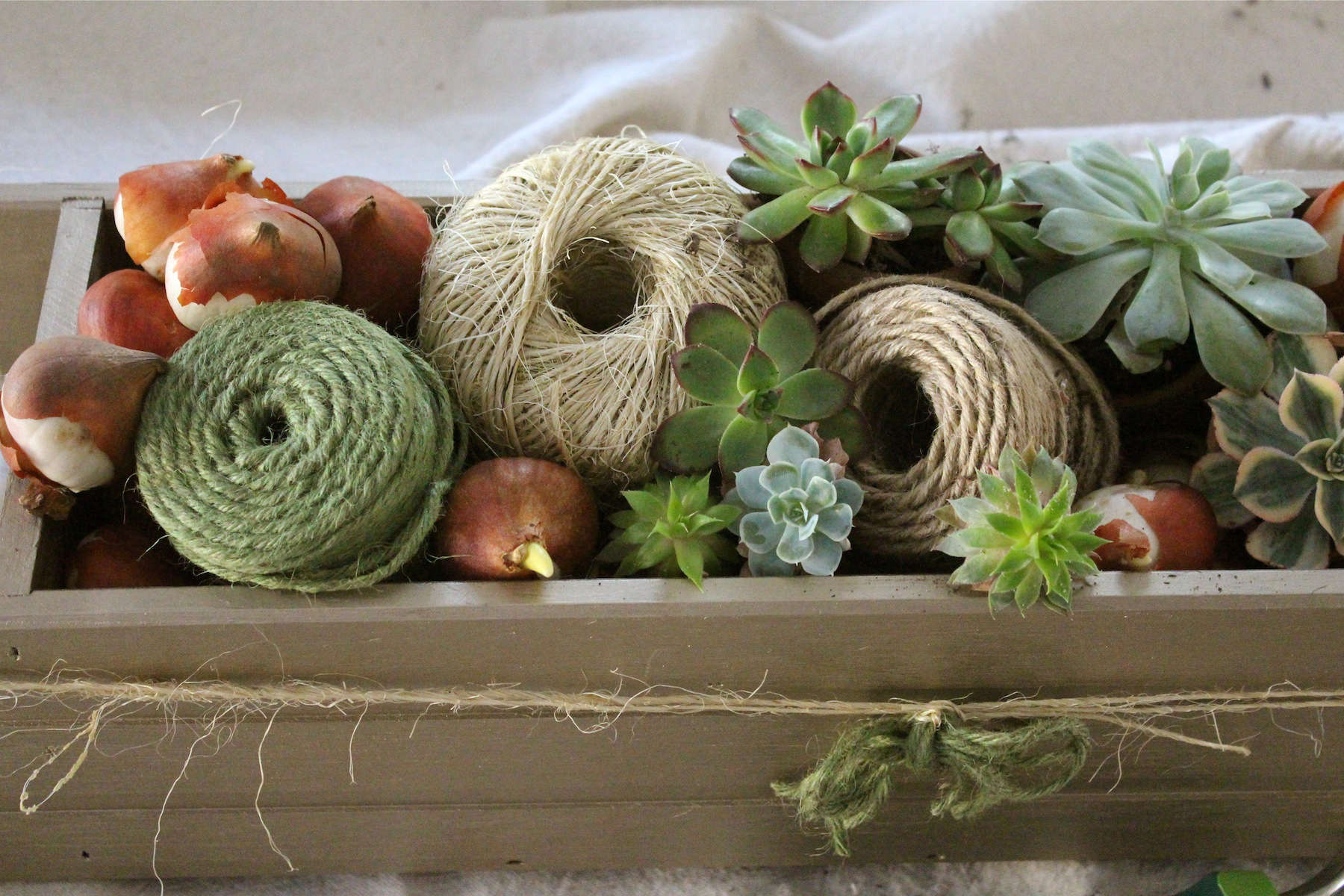
Giving a new gardener a random packet of seeds is sweet. Giving them a thoughtfully assembled starter gardener set is the horticultural equivalent of handing someone a treasure map, a compass, and snacks for the journey.
The best gardening gift set does not need to contain every shiny gadget in the garden center. In fact, too many specialized tools can overwhelm a beginner and occupy valuable garage space while waiting for a purpose that never arrives. A dream starter set should focus on reliable tools, simple growing supplies, and enough guidance to help the recipient enjoy an early success.
Whether your future gardener has a sunny balcony, a small backyard, or ambitious plans involving seventeen tomato varieties, this guide will help you create a useful, attractive, and encouraging gift.
What Makes a Starter Gardener Set Truly Useful?
A beginner gardening kit should solve the basic jobs every gardener encounters: digging, planting, watering, pruning, weeding, protecting hands, and keeping track of what was planted. It should also match the recipient’s available space.
A balcony gardener does not need a full-size digging fork. Someone preparing an in-ground vegetable plot probably needs more than a decorative mister and three tiny pots. Before shopping, quietly investigate three things:
- How much sunny growing space does the recipient have?
- Are they interested in flowers, herbs, vegetables, houseplants, or a combination?
- Will they garden in containers, raised beds, or native soil?
Most fruiting vegetables need substantial direct sunlight, while leafy greens and many herbs can tolerate somewhat less. Access to water also matters. A beautiful garden at the far end of a property becomes considerably less charming when every watering session involves dragging a rebellious hose across the lawn.
The Essential Tools for a Dream Gardening Gift Set
1. A Strong, Comfortable Hand Trowel
A hand trowel is the spoon of the gardening world, except nobody complains when it touches dirt. It is used for digging planting holes, moving potting mix, transplanting seedlings, and removing small weeds.
Look for a trowel with a solid connection between the blade and handle. A narrow, pointed blade works well in firm soil, while a wider blade moves compost and potting mix efficiently. Measurement markings on the blade are helpful for planting bulbs and seeds at the recommended depth, although they are not essential.
Comfort matters more than decorative packaging. Choose a handle that feels substantial without being bulky, particularly when buying for someone with small hands or limited grip strength.
2. Bypass Hand Pruners
Bypass pruners have two curved blades that move past one another like scissors, producing a cleaner cut on living stems than many anvil-style pruners. They are useful for harvesting herbs, deadheading flowers, trimming thin branches, and rescuing tomato plants from their own chaotic ambitions.
Select pruners that fit the recipient’s hand and include a secure locking mechanism. Replaceable blades and springs can extend the tool’s useful life. Beginners should also know that hand pruners are intended for relatively small stems; forcing them through a thick branch can damage both the tool and the plant.
3. Washable Gardening Gloves
A good pair of gardening gloves protects against blisters, splinters, rough stems, insects, and the mysterious sharp object that every bag of soil apparently contains.
For general planting, choose breathable, washable gloves with a flexible coating across the palms and fingers. The recipient should still be able to pick up a seed packet, pull a small weed, and operate pruners without removing them.
Heavy leather gloves are valuable for roses, woody shrubs, and rough materials, but they can feel clumsy during delicate planting. For an especially generous set, include one lightweight pair for everyday work and one tougher pair for thorny assignments.
4. A Watering Can or Adjustable Hose Nozzle
Choose the watering tool according to the garden’s scale. A compact watering can is ideal for a balcony, patio, or indoor seed-starting area. A hose nozzle or watering wand is more practical for raised beds and backyard gardens.
A removable rose attachment spreads water gently, protecting seeds and tender seedlings from a miniature flash flood. For larger plants, a wand helps direct water toward the soil instead of soaking the foliage.
Effective watering is not simply a matter of adding water whenever a plant looks dramatic. Container plants should be checked regularly because their limited soil volume can dry quickly. In beds, slower watering near the root zone helps moisture penetrate the soil. Watering during the cooler part of the day also reduces unnecessary evaporation.
5. A Hand Cultivator or Narrow Weeding Tool
A three-pronged hand cultivator loosens crusted soil, mixes in compost, and disturbs young weeds before they become established. A narrow forked weeder is better for removing tap-rooted weeds.
Either tool can be useful, but the starter set does not need five different devices for insulting dandelions. Choose one based on the recipient’s growing space. A cultivator is versatile in raised beds, while a slim weeder is easier to maneuver between closely spaced plants.
6. A Kneeling Pad
A cushioned kneeling pad is not glamorous until the gardener spends twenty minutes planting lettuce on hard ground. Then it becomes the greatest invention since pockets.
Look for a thick, water-resistant pad that is easy to wipe clean. A built-in handle makes it easier to carry or hang in a shed. For an older gardener or anyone with mobility limitations, consider a reversible garden kneeler with handles that can also function as a small seat.
7. Plant Labels and a Weatherproof Marker
New gardeners often believe they will remember exactly where every seed was planted. Two weeks later, every emerging leaf becomes either a cherished vegetable or a highly confident weed.
Reusable labels solve the mystery. Wood labels are inexpensive and attractive but may deteriorate over time. Metal, slate, or durable plastic labels can be reused for multiple seasons. Include a weather-resistant marker or grease pencil so the writing survives watering and rain.
8. A Tool Tote, Bucket, or Harvest Basket
Loose tools possess an astonishing ability to disappear under leaves, behind pots, or in whichever part of the yard the gardener has already checked twice.
A washable tool tote keeps smaller items organized. A sturdy bucket is less decorative but more versatile: it can carry tools, hold weeds, transport compost, or collect harvested produce. A flexible garden tub is another excellent option for a recipient with a larger garden.
9. A Soil Test Kit or Local Laboratory Voucher
A soil test is one of the smartest gifts in the entire set. It helps gardeners understand soil pH and nutrient levels before adding fertilizer. Without testing, beginners may apply products their soil does not need, wasting money and potentially creating nutrient imbalances.
Home kits can provide a basic introduction, but a test through a state university or local extension-associated laboratory usually offers more useful recommendations. Include simple instructions for collecting a representative sample from several areas rather than testing one suspicious spoonful of dirt beside the driveway.
10. A Small Garden Journal
A garden journal turns mistakes into useful information. The recipient can record planting dates, varieties, weather conditions, watering patterns, pest problems, and harvest results.
The journal does not need to become a scientific document. Notes such as “basil loved this pot” and “never plant six zucchini again” are perfectly valid research findings.
Add a local planting calendar or recommend a location-based planting tool. Frost dates and planting windows vary considerably across the United States, so generic advice printed on a gift tag may not match the gardener’s climate.
Add the Growing Supplies That Create Early Success
Beginner-Friendly Seeds or Starter Plants
Select a small number of forgiving plants rather than an envelope containing the entire vegetable kingdom. Herbs such as basil, parsley, chives, and dill can be satisfying choices. Leaf lettuce, radishes, bush beans, marigolds, nasturtiums, and zinnias can also provide visible progress without requiring advanced equipment.
Match every seed to the recipient’s climate, season, and available sunlight. For a gift presented outside the local planting season, include a note explaining when the seeds should be started rather than encouraging an immediate February cucumber experiment in Minnesota.
Starter plants deliver faster gratification, but they must be purchased near the time they will be planted. Seeds are easier to package and store.
Quality Potting Mix for Container Gardeners
Garden soil should not be used by itself in containers. It can become dense, drain poorly, and limit the air available to roots. A quality potting mix is formulated to balance moisture retention with drainage.
Every container should have functional drainage holes. Adding a layer of gravel inside the bottom does not fix a pot with inadequate drainage and may leave less usable room for roots.
Compost or an Appropriate Soil Amendment
For raised beds or in-ground gardens, a bag of finished compost can be more valuable than a brightly branded “miracle” product. Compost contributes organic matter and can improve soil structure, although it should still be used thoughtfully rather than piled around plants like chocolate frosting.
Avoid automatically including a high-powered fertilizer. The right fertilizer depends on the plants, existing soil nutrients, and growing method. Let the soil test guide that decision.
Mulch for Moisture and Weed Management
Organic mulch can reduce evaporation, moderate soil conditions, and suppress weeds. Shredded leaves, clean straw, untreated wood chips, and other materials may be appropriate depending on the garden.
Mulch should cover the soil without being pressed against plant stems or piled around tree trunks. Two or three inches may be suitable in many landscaped areas, but the correct depth and material depend on the crop and site.
Build the Set Around the Gardener’s Space
The Balcony Gardener Set
For a renter or apartment resident, combine a compact watering can, hand trowel, gloves, pruners, labels, potting mix, and two or three containers with drainage holes. Add compact herbs, leafy greens, or flowers suited to the available sunlight.
A self-watering container can reduce maintenance, but it is not permission to stop checking the plants. Even clever containers require occasional inspection, filling, and drainage awareness.
The Raised-Bed Gardener Set
Include a trowel, cultivator, pruners, gloves, kneeling pad, hose nozzle, labels, soil-test option, and garden journal. Add a sturdy bucket for carrying tools and collecting weeds.
A soaker hose or simple drip system can be a valuable upgrade because it applies water near the root zone and reduces unnecessary leaf wetting.
The Small Backyard Gardener Set
A backyard gardener may eventually need long-handled tools such as a shovel, garden fork, rake, or hoe. These are difficult to package in a basket unless your basket is unusually ambitious, so present them separately or provide a garden-center gift card.
Choose long-handled tools according to the recipient’s height and physical comfort. A bargain shovel with an uncomfortable handle is not a bargain when it spends its career leaning decoratively against a shed.
Thoughtful Extras That Make the Gift Feel Special
- Seed envelopes: Useful for saving and sharing seeds.
- Garden twine and soft plant ties: Helpful for peas, tomatoes, and climbing flowers.
- A small spray bottle: Convenient for moistening seed-starting mix, not for replacing proper watering.
- Harvest scissors: Excellent for herbs and delicate greens.
- Local native-flower seeds: A thoughtful choice when sourced for the recipient’s region.
- A beginner gardening book: Choose one suited to the local climate or intended growing method.
- Sunscreen and an insulated water bottle: Gardeners also require care, especially in hot weather.
Gardening can provide physical activity, time outdoors, stress relief, and access to fresh produce, but the gardener should work within personal limits, take breaks, and stay hydrated.
What Not to Put in a Beginner Gardening Kit
Avoid filling the basket with novelty tools that perform one obscure task. Beginners need confidence, not a stainless-steel device whose purpose requires a twelve-minute video.
Skip unlabeled seeds, invasive plants, products unsuitable for the recipient’s region, and large quantities of fertilizer. Pesticides also make poor surprise gifts because pest management should begin with correct identification and careful label-based decisions.
Do not buy oversized or heavy tools without considering the user. Tool fit matters. Pruners should open comfortably in the hand, gloves should allow dexterity, and watering cans should remain manageable when full.
Finally, resist giving twenty seed varieties to someone with three pots. Gardening enthusiasm expands naturally. There will be plenty of time for the recipient to become the person who owns four kinds of basil and discusses compost texture at dinner.
How to Present the Dream Starter Gardener Set
Use a practical container instead of a disposable gift box. Arrange the supplies inside a harvest basket, galvanized tub, tool tote, or clean five-gallon bucket. Place heavier items at the bottom and protect sharp pruner blades with their lock or packaging.
Add a simple card containing three first steps:
- Observe the growing space and count its hours of direct sunlight.
- Choose one easy project, such as a pot of herbs or a small salad garden.
- Check moisture before watering instead of watering automatically.
You can also include a “first harvest” recipe, such as basil pesto, herb butter, or a simple lettuce salad. This connects the tools to a rewarding outcome and makes the gift feel personal.
A Realistic First-Season Experience With a Starter Gardener Set
The best way to understand this gift is to imagine how it performs after the ribbon comes off. During the first weekend, the new gardener lays everything across a table and feels unusually prepared. The gloves fit. The trowel looks serious. The seed packets display photographs of vegetables that appear to have personal trainers.
The first project is intentionally modest: one container of basil, one of lettuce, and a pot of marigolds. The gardener fills each container with potting mix, leaving enough space below the rim for watering. Plant labels go in immediately, preventing the classic beginner game called “Is This Basil or Something the Wind Brought?”
The watering can’s gentle rose attachment proves its worth when the lettuce seeds remain in place instead of being blasted into one corner. During the next several days, the gardener checks the mix with a finger before adding water. Some days it is still moist. This becomes the first major lesson: plant care is based on observation, not guilt.
When the first seedlings appear, the journal receives an enthusiastic entry complete with date, weather, and several exclamation points. A week later, the seedlings lean toward the light. The container is rotated, and the gardener begins noticing how sunlight moves across the patio. That awareness is more valuable than another gadget.
Not everything succeeds. One basil seedling collapses after staying too wet. A squirrel investigates the lettuce with the confidence of a restaurant critic. The marigolds survive both excessive attention and a windy afternoon. Instead of making the gardener feel defeated, the small scale of the project keeps the mistakes manageable.
As the plants grow, the pruners are used to harvest basil cleanly. The cut encourages branching, producing a fuller plant and a second harvest later. The cultivator loosens the top layer of soil in a nearby bed, while the kneeling pad prevents a five-minute weeding task from becoming an argument with the driveway.
The soil test creates another useful surprise. Rather than adding a general fertilizer immediately, the gardener learns what the soil actually needs. This changes the mindset from “buy a product for every problem” to “understand the conditions first.” That is the beginning of genuine gardening skill.
By midsummer, the original tote contains a few additions: soft ties, saved seed envelopes, and an old kitchen spoon permanently reassigned to compost duty. The journal includes victories, failures, and a warning that one container dries faster than the others. Water is applied slowly near the soil, and mulch helps the bed remain moist longer during hot weather.
The first harvest is not enormous. It may consist of a bowl of lettuce, enough basil for dinner, and several flowers in a small jar. Yet the gardener grew it from a nearly invisible seed. That experience creates momentum. Next season’s plans begin immediately, usually before the current season is over.
This is why a dream starter gardener set is more than a collection of tools. It removes avoidable frustration while leaving room for discovery. The recipient still learns through observation, weather, insects, and occasional plant drama, but the right equipment makes those lessons easier to enjoy.
A successful gardening gift does not promise a flawless garden. It gives someone a comfortable, practical way to beginand perhaps a lifelong reason to become excited whenever compost goes on sale.
Conclusion: Give a Beginning, Not Just a Basket
A dream starter gardener set combines a few dependable tools with supplies suited to the recipient’s space. Begin with a hand trowel, bypass pruners, flexible gloves, a watering tool, labels, a cultivator, and a kneeling pad. Then add the correct potting mix or soil-testing option, several beginner-friendly plants, and a journal for recording discoveries.
Keep the gift focused. One thriving container can inspire more confidence than twelve complicated projects. When the recipient harvests the first handful of herbs or watches the first flower open, your gift will have accomplished something no decorative basket can do by itself: it will have helped create a gardener.