A Frigidaire dishwasher not draining is one of those kitchen problems that instantly turns a normal evening into a tiny plumbing mystery. You open the door expecting clean plates and instead find a sad little swamp at the bottom of the tub. Maybe it smells like yesterday’s lasagna. Maybe the dishes are gritty. Maybe the dishwasher is making a noise that sounds suspiciously like it is judging you. The good news: in many cases, you can fix the problem yourself without replacing the appliance, selling the house, or pretending paper plates are a lifestyle choice.
Most dishwasher drainage problems come from a few usual suspects: a clogged filter or glass trap, a kinked drain hose, a blocked sink connection, a garbage disposal plug that was never removed, a clogged air gap, or a tired drain pump. Frigidaire models vary, so your owner’s manual is still the boss. But the troubleshooting logic is usually the same: start with the easy, visible fixes, then move toward the parts that require tools and a little more courage.
Before touching anything, turn off power to the dishwasher at the breaker or unplug it if accessible. If you plan to disconnect hoses, place towels and a shallow pan nearby. Dishwasher water has a talent for appearing exactly where you do not want it.
Why Your Frigidaire Dishwasher Is Not Draining
A dishwasher drains by pumping dirty water from the bottom of the tub through a drain path that usually leads to the sink drain, garbage disposal, or air gap. When something blocks that path, water stays behind. Sometimes the dishwasher itself is fine, but the problem is under the sink. Other times, the clog is inside the filter area where food bits, labels, glass, toothpicks, and mystery crumbs gather for a very unpleasant reunion.
Common causes include:
- A clogged Frigidaire dishwasher filter or glass trap
- Food debris stuck in the sump or drain basket
- A kinked, pinched, or clogged drain hose
- A clogged sink drain or garbage disposal
- A garbage disposal knockout plug left in place after installation
- A blocked air gap on the sink or countertop
- An improperly positioned high loop drain hose
- A faulty drain pump, check valve, or electrical component
The trick is to troubleshoot in the right order. Do not start by ordering a drain pump when the filter is wearing a sweater made of pasta, grease, and coffee grounds. Begin with the simple checks. They fix more drainage issues than people expect.
Step 1: Make Sure the Cycle Actually Finished
This sounds almost too simple, but it matters. If the dishwasher door was opened mid-cycle, the machine may have paused before the drain phase. Some Frigidaire dishwashers may also hold a small amount of water in the sump area by design, which helps keep seals from drying out. A thin amount near the bottom is not always a disaster. Standing water covering the filter area or pooling across the tub is different.
Close the door firmly and run a cancel or drain cycle if your model has one. Listen for the drain pump. A healthy drain sequence usually makes a low humming or whirring sound as water moves out. If the dishwasher drains after a reset or cancel cycle, the issue may have been an interrupted cycle rather than a clog.
Step 2: Remove Standing Water Safely
If there is a lot of water in the tub, remove it before digging around inside the dishwasher. Use a cup, sponge, turkey baster, or wet/dry vacuum. Avoid using a household vacuum unless it is rated for wet pickup. That mistake can turn one appliance problem into two, which is not the kind of multitasking anyone needs.
Once the water level is low, remove the bottom rack. Now you can see the filter, glass trap, spray arm area, and drain basket. This is where many Frigidaire dishwasher drainage problems begin.
Step 3: Clean the Frigidaire Dishwasher Filter and Glass Trap
Many Frigidaire dishwashers have a filter system or glass trap near the center bottom of the tub. The exact design depends on the model. Some use a removable cylindrical filter. Others have a glass trap designed to catch hard debris such as glass, bones, pits, and small objects before they damage the pump.
How to clean it:
- Turn off power to the dishwasher.
- Remove the lower dish rack.
- Move or remove the lower spray arm if your model requires it.
- Twist or lift out the filter or glass trap according to your manual.
- Rinse the part under warm running water.
- Use a soft brush to remove grease, food particles, and soap film.
- Check the sump area for debris before reinstalling the filter.
- Lock the filter or trap firmly back into place.
Do not skip the reinstall step. A loose filter can let debris reach the pump, and then your dishwasher may start acting like it swallowed a gravel driveway. Also, never reach blindly into the sump area. Broken glass can hide there. Wear gloves and use a flashlight.
If the dishwasher drains normally after cleaning the filter, congratulations. You have defeated the most common villain. It was not glamorous, but neither is standing water full of macaroni confetti.
Step 4: Check the Garbage Disposal
If your Frigidaire dishwasher drains through a garbage disposal, the disposal connection is a prime suspect. Run the disposal with cold water for 20 to 30 seconds. A clogged disposal can slow or stop dishwasher drainage because both appliances share part of the drain path.
Now think back: was the garbage disposal recently installed or replaced? If yes, check the dishwasher inlet on the disposal. New disposals usually include a knockout plug inside the dishwasher drain connection. That plug must be removed before the dishwasher hose is attached. If it stays in place, the dishwasher has nowhere to send the water. It will pump bravely into a plastic wall, which is exactly as useful as it sounds.
Signs the knockout plug may still be installed:
- The dishwasher stopped draining right after a new disposal was installed.
- The drain hose is connected, but no water enters the disposal during drain mode.
- The dishwasher pump runs, but water remains in the tub.
Removing a knockout plug usually involves disconnecting the dishwasher hose from the disposal inlet and tapping out the plug with a screwdriver and hammer. If you are not comfortable doing that, call a plumber or appliance technician. It is a small job, but it sits in the messy intersection of plumbing, electricity, and under-sink yoga.
Step 5: Inspect the Air Gap
Some kitchens have an air gap: a small metal or plastic cylinder mounted near the sink faucet. Its job is to prevent dirty sink water from flowing backward into the dishwasher. If the air gap clogs, water may spill from the air gap or back up into the dishwasher.
How to clean an air gap:
- Remove the decorative cap.
- Lift or unscrew the inner cover, depending on the design.
- Clear visible debris with a small brush, bottle brush, or paper towel.
- Flush the air gap gently with water.
- Check the hose from the air gap to the disposal or sink drain for clogs.
If water shoots out of the air gap when the dishwasher drains, the blockage is often between the air gap and the disposal or sink drain. That hose can collect grease and food debris. Disconnecting and cleaning it may solve the issue.
Step 6: Look for a Kinked or Blocked Drain Hose
The drain hose carries water from the dishwasher to the sink drain, disposal, or air gap. If it is kinked, crushed, sagging, or clogged, your Frigidaire dishwasher may not drain completely.
Open the cabinet under the sink and follow the dishwasher drain hose. Make sure it is not pinched behind stored cleaning bottles, bent sharply, or trapped under something heavy. A hose can look innocent while secretly being folded just enough to restrict flow.
What to check:
- Is the hose bent or crushed?
- Is it clogged with grease or food debris?
- Is the hose attached securely at both ends?
- Does it rise into a high loop under the counter?
- Is the hose cracked, brittle, or leaking?
If the hose is kinked, straighten it and secure it so it does not collapse again. If it is clogged, disconnect it carefully and flush it with warm water. Have towels ready. There will almost certainly be leftover water inside, because hoses enjoy dramatic exits.
If the hose is damaged or repeatedly kinks in the same spot, replace it. Drain hoses are inexpensive compared with water damage, and a weak hose is not a hero. It is a future puddle.
Step 7: Confirm the High Loop Is Correct
A high loop is when the dishwasher drain hose is secured high under the countertop before it connects to the disposal or sink drain. This helps prevent wastewater from flowing back into the dishwasher. Many installations require either a high loop or an air gap, depending on local plumbing codes and the dishwasher instructions.
If the drain hose has fallen low inside the cabinet, dirty water can backflow into the appliance. Secure the hose high under the counter with a clamp, bracket, or zip tie. Do not crush the hose. The goal is a smooth uphill loop, not a plastic pretzel.
Step 8: Check the Drain Pump Area
If the filter, disposal, air gap, and drain hose look good, the next suspect is the drain pump. The drain pump uses an impeller to push water out of the dishwasher. A small piece of glass, bone, plastic wrap, or food debris can jam the impeller. In other cases, the pump motor may fail.
Accessing the pump varies by Frigidaire model. Some checks can be done from inside the tub after removing the filter and sump cover. Other repairs require removing the lower access panel or pulling the dishwasher out. If your manual does not clearly show the pump access point, do not guess. Guessing inside an appliance is how screws become “extra parts.”
Possible pump-related symptoms:
- The dishwasher hums but does not drain.
- The pump makes a grinding or rattling noise.
- The dishwasher is silent during the drain portion of the cycle.
- The filter and hose are clear, but water remains in the tub.
- The dishwasher drains sometimes but not consistently.
If debris is visible near the impeller, remove it carefully with needle-nose pliers. Never put your fingers near sharp debris or pump blades. If the pump receives power but does not run, or if it runs but cannot move water with a clear hose, replacement may be needed.
Step 9: Consider the Check Valve
Some Frigidaire dishwashers use a check valve or flapper that helps keep drained water from flowing backward into the tub. If the check valve sticks open, dirty water may return after the pump shuts off. If it sticks closed, water may not drain properly.
A bad check valve can look like a mysterious “it drained, then the water came back” problem. If the dishwasher drains during the cycle but standing water appears later, inspect the check valve and the sink connection. Backflow from a clogged sink drain can also mimic a dishwasher failure.
Step 10: Use the Right Detergent
Dishwasher detergent matters. Regular dish soap creates excessive suds, and suds can interfere with draining and trigger leaks. If someone used hand dishwashing liquid in the machine, stop the cycle, remove foam, and run rinse cycles until the suds are gone. Your dishwasher is designed for automatic dishwasher detergent only.
Too much detergent can also create buildup, especially in homes with softer water. Use the recommended amount and avoid treating detergent like seasoning. More is not always better. Sometimes more is just a bubbly regret.
Quick Troubleshooting Chart
| Symptom | Likely Cause | DIY Fix |
|---|---|---|
| Water remains after every cycle | Clogged filter, hose, disposal, or air gap | Clean filter, inspect hose, run disposal, clear air gap |
| Problem started after new disposal | Knockout plug still installed | Remove plug from disposal dishwasher inlet |
| Water drains slowly | Partial clog or kinked hose | Straighten or flush drain hose |
| Water comes from air gap | Clog between air gap and disposal | Clean air gap and connected hose |
| Grinding during drain | Debris in drain pump | Inspect pump area and remove obstruction |
| No drain sound at all | Failed pump, control issue, or wiring problem | Call a professional for electrical diagnosis |
When to Call a Professional
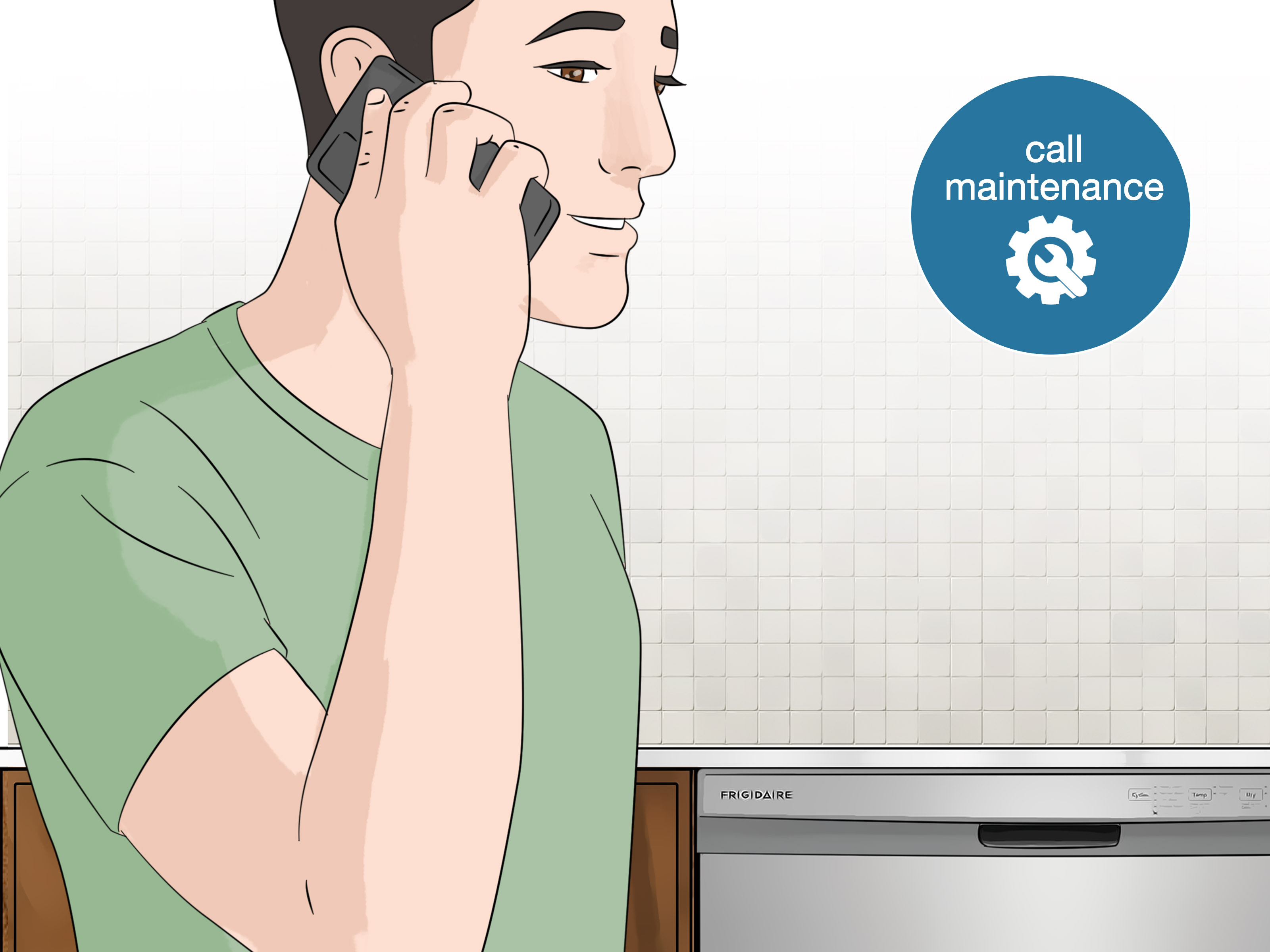
DIY is great until it becomes “why is the kitchen floor wet and why does the breaker keep tripping?” Call a professional if you find damaged wiring, a burned smell, repeated breaker trips, a leaking pump seal, a cracked tub, or a dishwasher that still will not drain after the basic checks. Also call for help if the dishwasher is built in tightly and you cannot safely move it.
If the appliance is still under warranty, contact Frigidaire support or the retailer before replacing parts yourself. Unauthorized repairs can sometimes affect warranty coverage. Keep your model number handy. It is usually located on a label around the dishwasher door frame.
How to Prevent Future Drainage Problems
Once your Frigidaire dishwasher drains again, a little maintenance can keep the swamp from returning. Scrape large food bits into the trash before loading dishes. You do not need to prewash everything like you are preparing plates for a museum, but chunks of rice, pasta, eggshells, and vegetable peels should not go in the machine.
Simple maintenance habits:
- Clean the filter or glass trap regularly.
- Run the garbage disposal before starting the dishwasher.
- Check the drain hose under the sink every few months.
- Keep the high loop secured in place.
- Use automatic dishwasher detergent only.
- Run a hot cleaning cycle occasionally to reduce grease buildup.
- Watch for slow sink drainage, which can affect dishwasher drainage.
Think of the dishwasher drain system like a tiny highway for dirty water. Food debris is traffic. Grease is construction. A kinked hose is a road closure. Keep the route clear, and the machine can do its job without staging a protest in your kitchen.
Real-World Experience: What Usually Works First
In many real kitchen situations, the fix for a Frigidaire dishwasher not draining is surprisingly ordinary. The first thing worth checking is almost always the filter or glass trap. It is not glamorous, but it is practical. People often assume the pump has failed because standing water feels like a serious mechanical problem. Then they remove the lower rack and discover a filter packed with rice, onion skins, paper labels from jars, lemon seeds, and one heroic piece of plastic that has been blocking water like a tiny dam.
A good example is the “after dinner party” drain failure. The dishwasher worked fine all week, then suddenly refused to drain after a big meal. That timing often points to debris. Large meals create more scraps, more grease, and more chances for small items to slip into the filter area. Cleaning the filter, wiping the sump, and running a drain cycle may bring the machine back immediately. The repair feels almost too easy, but easy is allowed. Appliances do not get bonus points for drama.
Another common experience happens after a kitchen update. Someone installs a new garbage disposal, reconnects the dishwasher hose, and everything looks perfect. Then the dishwasher will not drain. The hidden culprit is the disposal knockout plug. This tiny factory plug has caused an enormous amount of confusion. The hose can be attached correctly, the dishwasher can run normally, and the pump can sound fine, but the water cannot enter the disposal. If the drainage issue began right after a disposal installation, check that plug before blaming the dishwasher.
Under-sink storage is another sneaky troublemaker. A bottle of cleaner, a trash bag box, or a stack of supplies can push against the dishwasher drain hose. At first, the dishwasher may still drain, just slowly. Later, the hose bends more sharply and the tub starts holding water. The fix may be as simple as rearranging the cabinet and securing the hose in a smooth high loop. It is not fancy, but it is exactly the kind of household fix that saves a service call.
Air gaps also deserve attention, especially in homes where the dishwasher suddenly drains poorly and water appears around the sink. Many homeowners do not realize the little cylinder beside the faucet has anything to do with the dishwasher. When the air gap gets clogged, water may spray or spill from the cap during the drain cycle. Cleaning it can feel oddly satisfying, especially when a clump of debris comes out and the dishwasher finally drains like it remembered its purpose.
The cases that usually need professional help have a different pattern. If the filter is clean, the disposal is clear, the hose is open, the air gap is clean, and the dishwasher still does not drain, the drain pump may be jammed or failing. A humming pump may be stuck. A grinding pump may have debris inside. A silent pump may have an electrical or control problem. At that point, replacing random parts can get expensive fast. A technician can test voltage, inspect the pump, and confirm the actual failure before you spend money.
The best lesson from real-world dishwasher troubleshooting is simple: move from easiest to hardest. Do not start with the pump. Start with the filter. Do not pull the dishwasher out before checking the sink cabinet. Do not order parts before confirming the garbage disposal plug. A Frigidaire dishwasher that will not drain is annoying, yes, but it is often fixable with patience, towels, a flashlight, and the willingness to meet some truly unpleasant food debris face-to-face.
Conclusion
A Frigidaire dishwasher not draining can look like a major appliance failure, but the cause is often simple: a clogged filter, blocked drain hose, dirty air gap, disposal issue, or fallen high loop. Start with the visible parts, work carefully, and keep safety first. Clean the filter or glass trap, inspect the sink-side drain connection, check the garbage disposal, and make sure the drain hose is not kinked or clogged. If those steps do not solve the problem, the drain pump, check valve, or wiring may need professional attention.
The real win is not just fixing the dishwasher once. It is building a quick maintenance habit so the problem does not keep coming back. Clean the filter, scrape dishes, run the disposal, and give the drain hose an occasional look. Your dishwasher will drain better, smell fresher, and spend less time auditioning for the role of “indoor pond.”
Note: Always follow your specific Frigidaire owner’s manual and local plumbing codes. Turn off power before inspecting internal components, and call a qualified technician for electrical testing, pump replacement, leaks, or warranty-related repairs.