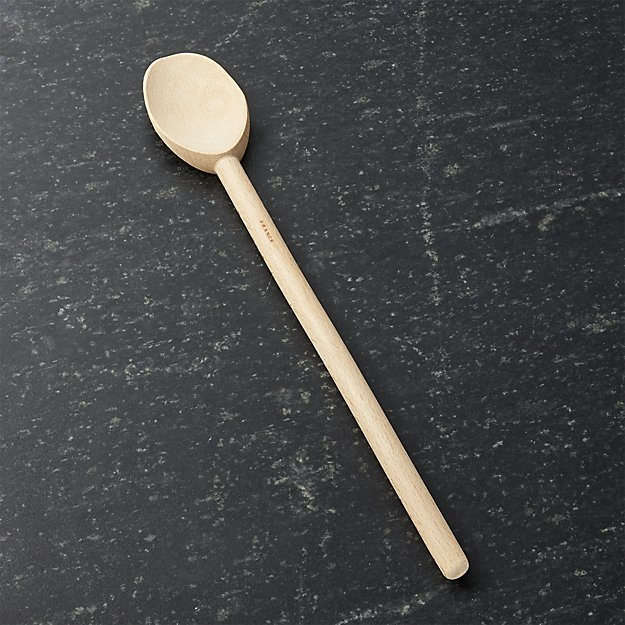
A French tasting spoon is one of those kitchen tools that looks almost too simple to deserve attentionuntil you use one while making soup, sauce, gumbo, gravy, or a slow-simmered stew. Then, suddenly, the little double-ended spoon becomes the most charmingly practical object in the utensil drawer. It is not a gadget that needs batteries, Bluetooth, an app, or a dramatic unboxing video. It simply lets you stir, collect a small sample, cool it slightly, and taste from the opposite end without double dipping. In other words, it is the spoon equivalent of good manners wearing a tiny chef hat.
The main keyword here is simple: French tasting spoon. But the story around it is richer than the name suggests. This tool sits at the intersection of French cooking habits, sauce-making precision, kitchen hygiene, handcrafted design, and the professional chef’s obsession with the perfect spoon. Whether made from wood, pewter, stainless steel, or another food-safe material, a French tasting spoon helps cooks do what great cooks do constantly: taste, adjust, taste again, and pretend they meant to add that much pepper all along.
What Is a French Tasting Spoon?
A French tasting spoon is typically a long, double-ended spoon designed for tasting hot liquids such as sauces, soups, reductions, stocks, gravies, and stews. The larger end is used to dip into the pot. When the spoon is tilted, the liquid travels along the handle or channel toward the smaller tasting end. By the time it reaches the mouth-side end, the sample has usually cooled enough to taste comfortably.
The clever part is that your mouth never touches the end that went into the food. That matters. In a home kitchen, it keeps the cook from creating the dreaded “family soup with bonus germs.” In a professional kitchen, it supports better hygiene and cleaner workflow. A French tasting spoon is not a replacement for proper sanitation, but it encourages one of the best habits in cooking: tasting without contaminating the batch.
Unlike a standard teaspoon, a French tasting spoon is purpose-built. It may be 9 to 12 inches long, depending on the maker, and often has a sculptural look. Wooden versions are especially popular as handmade gifts because they feel rustic, traditional, and slightly poeticas if they belong next to a copper pot, a linen apron, and someone named Jacques who knows exactly when a sauce has “come together.”
Why Chefs Care So Much About Spoons
Ask a professional chef about knives and you will get a serious answer. Ask about spoons and you may get an even more serious answer. In restaurant kitchens, spoons are used for tasting, basting, stirring, saucing, plating, spreading purées, lifting delicate ingredients, and checking seasoning. The humble spoon is not humble back there. It is a daily instrument of control.
That is why chef-style spoons such as the famous Gray Kunz sauce spoon became popular in professional kitchens. While the Gray Kunz spoon is different from a double-ended French tasting spoon, both tools share the same philosophy: a good spoon improves precision. The bowl depth, handle balance, edge shape, weight, and angle all affect how well a cook can taste, sauce, and serve food.
A French tasting spoon focuses more specifically on sampling liquids without double dipping. A chef sauce spoon focuses on versatility: plating, basting, serving, and saucing. The two are cousins in the same utensil family. One says, “Let’s taste this properly.” The other says, “Let’s make this plate look like it costs $38 before tax and tip.”
How a French Tasting Spoon Works
The design is beautifully low-tech. You dip the larger end into a sauce, soup, or stew. Then you gently tilt the spoon so the liquid moves toward the smaller end. The distance the liquid travels helps cool the sample slightly. Once it reaches the tasting end, you sip or taste from that side only.
The Basic Steps
First, stir the pot so the sample represents the whole dish, not just the top layer. Second, scoop a small amount with the larger end of the spoon. Third, lift the spoon away from the pot and tilt it carefully. Fourth, taste from the smaller end. Finally, decide whether the dish needs salt, acidity, sweetness, fat, spice, or a moment of silence because it is already perfect.
This process is especially useful for sauces that change quickly as they reduce. A pan sauce, for example, may taste flat at first, then suddenly become rich and salty as water evaporates. A French tasting spoon helps you check progress frequently without grabbing a new spoon every 30 seconds. It also makes tasting feel intentional rather than chaotic.
Why Tasting Matters in Cooking
Recipes are helpful, but they are not magic contracts. Tomatoes vary in acidity. Chicken stock varies in saltiness. Herbs vary in strength. Even butter can taste different depending on brand and salt level. That is why tasting is essential. A cook who does not taste is basically driving with fogged-up glasses and hoping dinner is somewhere ahead.
A French tasting spoon encourages the habit of checking flavor at several stages. Early tasting helps you understand the base. Midway tasting helps you correct direction. Final tasting helps you polish the dish before serving. The goal is not to snack from the potalthough the temptation is real. The goal is to build flavor with confidence.
Best Uses for a French Tasting Spoon
A French tasting spoon is most useful when cooking liquids or semi-liquids. Think of foods that need repeated seasoning adjustments and careful temperature awareness.
Sauces and Reductions
Classic French cooking relies heavily on sauces, from velouté and demi-glace to beurre blanc and pan reductions. A French tasting spoon is ideal for checking salt, acidity, thickness, and balance as a sauce simmers. It helps you notice when a sauce moves from “almost there” to “turn off the heat right now before we need emotional support.”
Soups, Stocks, and Broths
Soup is one of the most obvious uses. Whether you are making French onion soup, chicken broth, tomato bisque, seafood chowder, or vegetable soup, tasting is the difference between a bowl that comforts and a bowl that tastes like warm homework. A French tasting spoon lets you test seasoning cleanly throughout the cooking process.
Gumbo, Gravy, and Stews
Although the tool is called French, it is not limited to French food. It works beautifully for gumbo, chili, curry, braised dishes, gravy, and any long-cooked dish where flavor deepens over time. In fact, many handmade wooden tasting spoons are marketed to people who cook gumbo, roux-based dishes, and big-pot comfort foods.
Caramel, Custard, and Dessert Sauces
For sweet cooking, tasting can be trickier because sugar holds heat. A tasting spoon can help cool a tiny sample of crème anglaise, caramel sauce, fruit compote, or chocolate sauce before you judge it. Still, caution matters: melted sugar can be extremely hot, so small samples and patience are your friends.
Materials: Wood, Pewter, Stainless Steel, and More
The best French tasting spoon material depends on how you cook, how you clean, and how much charm you want hanging from your utensil rack.
Wooden French Tasting Spoons
Wooden tasting spoons are popular because they are beautiful, lightweight, and gentle on cookware. Maple, cherry, walnut, olivewood, and beech are common choices for kitchen utensils. Wood does not conduct heat like metal, so it stays comfortable in the hand. It also has a warm, natural feel that makes cooking seem more grounded and less like you are operating a small factory.
The downside is care. Wooden spoons should usually be hand-washed, dried well, and occasionally treated with food-safe mineral oil or board cream. Dishwashers can be harsh on wood, causing cracking, warping, or rough texture over time. A wooden French tasting spoon is best for cooks who enjoy tools with personality and do not mind giving them a little maintenance.
Pewter French Tasting Spoons
Pewter tasting spoons have a traditional look and can feel special, almost like heirloom tableware. Some pewter French tasting spoons are designed so the metal helps cool the sauce as it travels from one end to the other. When buying pewter, look for modern food-safe pewter made without lead. As with any specialty utensil, follow the maker’s care instructions carefully.
Stainless Steel Tasting and Sauce Spoons
Stainless steel is durable, easy to clean, and common in professional kitchens. A stainless tasting spoon or chef spoon may not always have the double-ended French design, but it can be excellent for tasting, saucing, basting, and plating. Stainless steel usually handles frequent washing better than wood and is often preferred in busy cooking environments.
French Tasting Spoon vs. Regular Spoon
A regular spoon can taste food. Nobody is denying the heroic service of the humble teaspoon. But it has limitations. If you dip a regular spoon into a sauce and taste directly from it, you should not put it back into the pot. That means you need a clean spoon every time. During a long sauce-making session, your sink can start looking like a spoon convention.
A French tasting spoon solves this by separating the dipping end from the tasting end. It is efficient, tidy, and elegant. It also cools the sample during transfer, which is helpful with hot liquids. The difference is not that a regular spoon cannot do the job; it is that the French tasting spoon does the job with better design.
French Tasting Spoon vs. Chef Sauce Spoon
A French tasting spoon is primarily about tasting. A chef sauce spoon is about control. The chef sauce spoon often has a deep, well-shaped bowl that can hold sauce, scoop ingredients, baste proteins, and create smooth lines or pools on a plate. It is a plating and cooking tool as much as a tasting tool.
If you cook mostly at home and want better hygiene while tasting soups and sauces, a French tasting spoon is a fun and useful choice. If you want one spoon for saucing plates, basting steak, serving vegetables, and feeling like a restaurant chef while wearing slippers, a stainless chef sauce spoon may be more versatile. Serious cooks may enjoy having both.
How to Choose the Best French Tasting Spoon
When choosing a French tasting spoon, focus on function first. A pretty spoon that does not transfer liquid smoothly is just a tiny canoe with branding issues.
Length
A good tasting spoon should be long enough to reach into pots without putting your hand too close to steam. Many models fall around 9 to 12 inches. Longer spoons are better for deep pots; shorter spoons may feel easier to control.
Channel or Flow Design
The spoon should allow liquid to move from the larger end toward the smaller tasting end without spilling everywhere. A shallow channel, carved handle, or smooth contour can help guide the liquid. The transition should feel natural.
Comfort
Hold matters. If the handle feels awkward, too thin, too heavy, or slippery, you will not reach for it often. A useful kitchen tool should invite use, not require negotiation.
Care Requirements
Choose wood if you love warmth and craftsmanship. Choose stainless steel if you want low-maintenance durability. Choose pewter if you want a traditional, decorative tool with a distinctive feel. Whatever you choose, make sure it is food-safe and suited to the way you cook.
Food Safety and the No Double-Dipping Rule
The biggest practical reason to use a French tasting spoon is hygiene. Double dipping is not just a party foul for chips and salsa. In cooking, tasting with a spoon and returning it to the pot can introduce saliva and bacteria. In a home kitchen, this is unappetizing. In a professional kitchen, it is unacceptable.
Good tasting habits are simple. Use a clean tasting spoon, taste from a side that does not touch the main food, or use disposable tasting spoons when appropriate. Wash and sanitize utensils properly. Keep raw and cooked foods separate. Avoid touching ready-to-eat foods with unwashed hands. These habits are not glamorous, but neither is giving everyone at dinner a stomachache.
How to Clean and Care for a French Tasting Spoon
Care depends on the material. Wooden spoons should be washed by hand with mild soap and warm water, then dried immediately. Do not soak them for long periods. If the wood starts to look dry, apply a small amount of food-safe mineral oil. Avoid vegetable oils because they can become sticky or rancid.
Stainless steel spoons are usually easier. Many can go in the dishwasher, though hand-washing may preserve finish and shine. Pewter spoons often need gentler cleaning and should not be treated like everyday stainless flatware unless the maker says it is safe. Always check product instructions, especially for handmade or specialty pieces.
Does Every Home Cook Need One?
Need is a strong word. You need a knife, a cutting board, a pan, and enough restraint not to buy every kitchen gadget that appears in a late-night ad. A French tasting spoon is more of a “small luxury with real purpose.” It is affordable compared with many kitchen tools, takes up little space, and makes tasting feel cleaner and more deliberate.
It is especially useful for people who cook soups, sauces, stocks, stews, gumbo, gravies, custards, or reductions often. It is also a thoughtful gift for someone who enjoys cooking but already owns the obvious tools. A French tasting spoon says, “I know you care about flavor,” which is a much better message than “Here is another mug.”
Specific Examples: When the Spoon Makes a Difference
Imagine making French onion soup. The onions have cooked down slowly, the stock is added, and the pot smells like a cozy bistro. You need to check salt, sweetness, and depth. A French tasting spoon lets you sample without using a pile of clean spoons. It also helps cool the broth enough so you can taste accurately instead of burning your tongue and declaring everything “hot flavored.”
Now picture a pan sauce after searing chicken. You add shallots, wine, stock, and butter. As the sauce reduces, its flavor changes minute by minute. Too thin, and it tastes weak. Too reduced, and it may become salty. With a tasting spoon nearby, you can catch the perfect moment.
Or consider gumbo. A deep pot, a dark roux, sausage, seafood, vegetables, and spices all need time to become one happy family. The flavor may need salt, heat, or brightness. Repeated tasting is essential, and the French tasting spoon makes that process cleaner and easier.
Common Mistakes to Avoid
The first mistake is using the spoon as an excuse to taste too much. A tasting spoon is for checking flavor, not for quietly eating half the sauce before dinner. The second mistake is assuming it sanitizes itself by being near hot food. It does not. Clean it properly.
The third mistake is buying only for looks. Handmade spoons can be gorgeous, but the design still needs to function. The liquid should transfer smoothly. The tasting end should be comfortable. The material should be food-safe. The spoon should feel like a tool, not just kitchen jewelry.
of Real-Life Style Experiences with a French Tasting Spoon
Using a French tasting spoon changes the rhythm of cooking in a surprisingly pleasant way. The first time you use one, you may feel slightly dramatic, like you should be standing in a countryside kitchen with herbs hanging from the ceiling and a pot of sauce bubbling under golden afternoon light. In reality, you may be wearing sweatpants and reheating soup. Still, the spoon adds ceremony, and ceremony can make cooking more thoughtful.
One of the best experiences is making a tomato sauce. At the beginning, canned tomatoes can taste sharp and separate. After simmering with garlic, onion, olive oil, basil, and a little salt, the flavor softens. A French tasting spoon lets you follow that transformation. You taste early and think, “Needs time.” You taste later and think, “Needs salt.” You taste near the end and think, “There it is.” That small moment of recognition is one of the quiet joys of cooking.
Another memorable use is during soup season. When making chicken noodle soup, potato leek soup, or lentil soup, the spoon becomes a small checkpoint. It helps you notice whether the broth is too bland, whether the herbs have opened up, or whether the soup needs acidity from lemon juice or vinegar. Without tasting, you may not catch those details until the bowl is already on the table. By then, everyone is polite, but the soup knows the truth.
The spoon also makes cooking for guests feel calmer. When people are talking in the kitchen, music is playing, and three things are happening on the stove, it is easy to lose track of seasoning. A dedicated tasting spoon becomes an anchor. You know exactly where it is. You know what it is for. You do not have to search through the drawer or create a mountain of used teaspoons by the sink.
With wooden French tasting spoons, there is also a tactile pleasure. The spoon feels warm in the hand, and over time it develops a patina from use. It becomes part of the kitchen’s memory. Maybe it was used for Thanksgiving gravy, Sunday gumbo, weeknight curry, and the experimental mushroom sauce that everyone agreed was “interesting,” which is family code for “please do not make this again.”
A pewter version feels differentcooler, heavier, more old-world. It can make tasting sauce feel almost ceremonial. A stainless version feels practical and professional, especially if you cook often and prefer easy cleaning. Each material creates a slightly different experience, but the core benefit remains the same: better tasting habits.
The biggest lesson from using a French tasting spoon is that cooking improves when you pay attention. The spoon does not season the food for you. It does not rescue burned onions or magically thicken gravy. What it does is invite you to pause, taste, think, and adjust. That is where better cooking beginsnot with fancy equipment, but with awareness. The French tasting spoon just makes awareness easier, cleaner, and a little more charming.
Conclusion
A French tasting spoon is a small tool with a surprisingly smart purpose. It helps cooks taste hot sauces, soups, stocks, stews, gravies, and reductions without double dipping, while also cooling the sample as it travels from the cooking end to the tasting end. It is practical, elegant, and useful for anyone who believes flavor should be checked, not guessed.
Whether you choose a handmade wooden spoon, a traditional pewter version, or a professional stainless steel tasting spoon, the value is the same: cleaner tasting, better seasoning, and a more intentional cooking process. In a world full of complicated kitchen gadgets, the French tasting spoon proves that great design can still be simple. It is just a spoon, yesbut in the right hands, it becomes a tiny bridge between “good enough” and “wow, who made this?”
Note: This article is written in original American English and synthesized from real culinary, kitchen-tool, chef practice, and food-safety information. Source links are intentionally omitted for clean web publishing as requested.