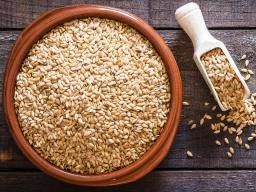
Flaxseed may be tiny, but it walks into the nutrition world like it owns the place. This small brown or golden seed has been sprinkled into oatmeal, blended into smoothies, baked into muffins, and quietly promoted by dietitians as a simple way to add fiber, plant-based omega-3 fatty acids, and antioxidant-like compounds to everyday meals. It is not magic dust, even if some wellness corners of the internet treat it like a fairy godmother for cholesterol, digestion, skin, hormones, and everything except your Wi-Fi signal.
So, what is flaxseed actually good for? The honest answer is better than the hype: flaxseed is a nutrient-dense food that may support heart health, digestive regularity, blood sugar management, and overall diet quality when eaten in sensible amounts. It is also inexpensive, versatile, and surprisingly easy to use. But like most foods with a health halo, flaxseed has limits. Eat too much too fast, and your digestive system may file a formal complaint. Use it incorrectly, and you may miss many of its benefits. For some people, especially those taking certain medications or dealing with specific digestive conditions, flaxseed deserves a quick conversation with a healthcare professional.
This guide breaks down the health benefits of flaxseed, its nutrition profile, how to eat it, who should be cautious, and what real-life flaxseed use actually looks like when breakfast is happening at 7:12 a.m. and everyone is already late.
What Is Flaxseed?
Flaxseed comes from the flax plant, Linum usitatissimum, a crop that has been used for both food and fiber for thousands of years. The seed is commonly sold in three forms: whole flaxseed, ground flaxseed, and flaxseed oil. Whole seeds have a hard outer shell, which helps protect their nutrients but can also pass through the body without being fully digested. Ground flaxseed, sometimes called flax meal, is usually the better choice for nutrient absorption because grinding breaks open the seed and makes its fats, fiber, and plant compounds more available.
Flaxseed oil is different. It provides alpha-linolenic acid, or ALA, a plant-based omega-3 fatty acid, but it does not contain the fiber found in whole or ground flaxseed. That means flaxseed oil may be useful for adding plant omega-3s, but it will not do much for bowel regularity. Fiber is the part of the flaxseed team that shows up with a clipboard and keeps digestion moving.
Flaxseed Nutrition: What Is Inside This Tiny Seed?
Flaxseed earns its reputation because it combines several valuable nutrients in a small serving. One tablespoon of ground flaxseed contains roughly 37 calories, about 2 grams of fiber, and around 2 grams of polyunsaturated fat, including omega-3 fatty acids. A typical one-ounce serving provides a larger nutritional boost, with fiber, healthy fats, plant protein, magnesium, thiamin, and other minerals.
Key Nutrients in Flaxseed
Fiber: Flaxseed contains both soluble and insoluble fiber. Soluble fiber can help slow digestion, support steadier blood sugar, and contribute to cholesterol management. Insoluble fiber adds bulk to stool and supports regular bowel movements.
ALA omega-3 fatty acids: ALA is an essential fatty acid, meaning the body cannot make it on its own. Flaxseed is one of the richest plant-based sources of ALA. The body can convert some ALA into EPA and DHA, the omega-3s found in fish, but the conversion is limited. In plain English: flaxseed is great, but it is not a salmon in disguise.
Lignans: Flaxseed is especially rich in lignans, plant compounds that act like antioxidants and have weak phytoestrogen activity. Researchers continue to study lignans for their possible roles in heart health, inflammation, hormone-related health, and cancer risk reduction.
Plant protein: Flaxseed offers a modest amount of plant-based protein. It will not replace lentils, tofu, eggs, fish, or chicken as a main protein source, but it does add a small nutrition bonus to meals.
Minerals and B vitamins: Flaxseed provides nutrients such as magnesium and thiamin, which help support energy metabolism, nerve function, and overall health.
Health Benefits of Flaxseed
1. Flaxseed May Support Heart Health
One of the strongest reasons people add flaxseed to their diet is heart health. The combination of ALA omega-3 fatty acids, fiber, and lignans may help support healthier cholesterol levels and blood pressure. Ground flaxseed has been studied for its potential to lower total cholesterol and LDL cholesterol, often called “bad” cholesterol. Soluble fiber can bind with cholesterol-rich bile acids in the digestive tract, helping the body remove them rather than recycle them.
Flaxseed may also play a role in blood pressure support. Some research suggests regular intake of flaxseed can modestly reduce blood pressure, especially in people with elevated readings. That does not mean flaxseed replaces medication, exercise, sleep, stress management, or a heart-healthy eating pattern. It means flaxseed can be one helpful supporting actor in the larger cardiovascular movie. It is not the superhero, but it does get a good scene.
2. It Can Help Improve Digestive Regularity
If digestion had a traffic report, flaxseed would be the person calmly saying, “Let’s keep things moving.” Its fiber content can help increase stool bulk and support regular bowel movements. This is one reason flaxseed is commonly used by people who struggle with occasional constipation.
However, there is a catch: flaxseed needs fluid. Adding fiber without enough water is like inviting guests to dinner and forgetting chairs. Too much flaxseed with too little liquid can worsen constipation and, rarely, contribute to blockage in vulnerable people. A smart approach is to start with one teaspoon to one tablespoon per day and drink enough water throughout the day.
3. Flaxseed May Help With Blood Sugar Management
Flaxseed’s soluble fiber slows digestion and may help reduce rapid spikes in blood glucose after meals. Some studies suggest flaxseed can support improved fasting glucose and insulin sensitivity, especially when used consistently as part of a balanced diet. This may be useful for people aiming to manage prediabetes, type 2 diabetes, or general metabolic health.
Still, flaxseed should be viewed as a food, not a glucose-control shortcut. A muffin with flaxseed is still a muffin, and your bloodstream knows the difference between a balanced meal and a dessert wearing a fiber hat. Pair flaxseed with protein, healthy fats, vegetables, and minimally processed carbohydrates for the best effect.
4. It May Support Weight Management
Flaxseed is not a weight-loss miracle. No seed, tea, powder, or mysterious “flat belly” potion gets that title. But flaxseed may support weight management because its fiber helps increase fullness. When meals are more satisfying, people may naturally snack less or choose more balanced portions.
For example, adding ground flaxseed to oatmeal, Greek yogurt, or a smoothie can make breakfast feel more substantial. The goal is not to sprinkle flaxseed on everything like edible confetti. The goal is to make meals more filling and nutrient-rich without adding large amounts of sugar or ultra-processed ingredients.
5. Flaxseed Provides Plant-Based Omega-3s
For people who do not eat fish, flaxseed can be a valuable source of ALA omega-3 fatty acids. ALA supports normal body functions and contributes to heart health. Plant-based omega-3 sources include flaxseed, chia seeds, walnuts, canola oil, and soybean products.
That said, ALA does not fully replace EPA and DHA from seafood. The body converts ALA into EPA and DHA inefficiently, so people who avoid fish may want to discuss omega-3 strategies with a healthcare professional, especially if they are pregnant, breastfeeding, or managing heart health concerns.
6. Lignans May Offer Antioxidant and Hormone-Related Benefits
Flaxseed is one of the richest dietary sources of lignans. These plant compounds are converted by gut bacteria into substances that may interact gently with estrogen pathways. Because of this, flaxseed has been studied for possible roles in breast health, menopausal symptoms, and hormone-related conditions.
The research is interesting, but it is not a permission slip to self-treat hormone-sensitive medical conditions with a seed jar. If someone has a history of hormone-sensitive cancer, is taking hormone therapy, or has major concerns about estrogen-related health, flaxseed should be discussed with a clinician. Food can be powerful, but it should not be asked to do the job of an oncologist, endocrinologist, and pharmacist all at once.
Ground Flaxseed vs. Whole Flaxseed vs. Flaxseed Oil
Ground Flaxseed
Ground flaxseed is usually the most practical option. It is easier for the body to digest and absorb than whole flaxseed. You can stir it into oatmeal, yogurt, smoothies, pancake batter, soups, sauces, meatballs, veggie burgers, or baked goods. Its mild, nutty flavor blends well with many foods.
Whole Flaxseed
Whole flaxseed has a longer shelf life because the protective shell helps guard the delicate fats inside. However, whole seeds may pass through the digestive tract without releasing all their nutrients. If you buy whole flaxseed, grind small amounts in a coffee grinder or blender as needed.
Flaxseed Oil
Flaxseed oil is concentrated in ALA but lacks fiber and lignans unless specifically processed to retain them. It should not be used for high-heat cooking because its fats are delicate. Use it in salad dressings, drizzle it over cooked vegetables after heating, or mix it into dips. Store it in the refrigerator and check for rancid odors. If it smells like old paint or regret, do not eat it.
How Much Flaxseed Should You Eat?
Many people do well with one to two tablespoons of ground flaxseed per day. Beginners should start lower, perhaps one teaspoon daily, then gradually increase. This gives the digestive system time to adjust and reduces the risk of gas, bloating, or urgent bathroom negotiations.
Because flaxseed is high in fiber, more is not always better. Large amounts may cause digestive discomfort, diarrhea, or constipation if fluid intake is too low. A practical daily routine might look like this:
- One tablespoon of ground flaxseed in oatmeal.
- One tablespoon blended into a smoothie.
- One tablespoon mixed into yogurt with berries.
- One tablespoon stirred into muffin, pancake, or quick bread batter.
Easy Ways to Add Flaxseed to Meals
Breakfast Ideas
Breakfast is the easiest place to use flaxseed. Stir ground flaxseed into warm oatmeal with cinnamon, banana, and walnuts. Mix it into Greek yogurt with blueberries and a drizzle of honey. Blend it into a smoothie with spinach, frozen berries, protein powder, and milk or a fortified plant milk.
Lunch and Dinner Ideas
Flaxseed can disappear nicely into savory foods. Add a spoonful to veggie burgers, turkey meatballs, lentil loaf, chili, or tomato sauce. It can also help bind ingredients in recipes, which is why many plant-based cooks use a “flax egg.” To make one, mix one tablespoon of ground flaxseed with three tablespoons of water, let it sit for several minutes, and use it as a binder in some baked goods.
Snack Ideas
Add ground flaxseed to homemade energy bites with oats, peanut butter, and dates. Stir it into cottage cheese with fruit. Sprinkle it over avocado toast. Just avoid dumping a huge scoop into a dry snack and calling it wellness. Your throat, stomach, and future self would prefer moisture.
Risks and Side Effects of Flaxseed
Digestive Discomfort
The most common flaxseed side effects are gas, bloating, diarrhea, or constipation. These usually happen when someone adds too much too quickly or does not drink enough water. Increase intake gradually and keep fluids steady.
Medication Interactions
Flaxseed may affect the absorption or action of some medications. Its fiber can slow absorption if taken at the same time as oral medicine. People taking blood thinners, antiplatelet drugs, diabetes medications, blood pressure medications, or hormone-related therapies should ask a healthcare professional how flaxseed fits into their routine.
Pregnancy and Breastfeeding Considerations
Food-level amounts of flaxseed may be acceptable for many adults, but pregnancy and breastfeeding are special situations. Because flaxseed contains phytoestrogens and concentrated supplements may have stronger effects, pregnant or breastfeeding individuals should speak with a healthcare professional before using flaxseed supplements or large daily amounts.
Raw or Unripe Flaxseed
Raw or unripe flaxseed may contain compounds that can be harmful in larger amounts. Commercially available ripe flaxseed used in normal food portions is generally considered safe for most adults, but eating raw or unripe seeds is not recommended.
Allergies
Flaxseed allergy is uncommon but possible. Symptoms may include itching, hives, swelling, vomiting, wheezing, or trouble breathing. Any serious allergic symptoms require urgent medical attention.
Who Should Be Careful With Flaxseed?
Flaxseed may not be ideal for everyone. People with bowel narrowing, a history of bowel obstruction, severe swallowing problems, or active digestive flare-ups should be cautious. Those with diverticulitis, inflammatory bowel disease, or irritable bowel syndrome may tolerate flaxseed differently depending on symptoms and fiber sensitivity.
Anyone taking prescription medications should avoid swallowing flaxseed at the exact same time unless a clinician says it is fine. A simple spacing strategy, such as taking medications separately from high-fiber supplements or foods, may help, but personalized advice is best.
How to Buy and Store Flaxseed
Buy flaxseed from a store with good product turnover. Whole flaxseed tends to stay fresh longer than pre-ground flaxseed. If convenience matters, ground flaxseed is fine, but choose a sealed package and store it in the refrigerator or freezer after opening. Heat, light, and oxygen can damage the delicate fats.
Fresh flaxseed should smell mild and nutty. If it smells bitter, sharp, stale, or chemical-like, throw it away. Rancid flaxseed is not a personality test; you do not need to be brave.
Flaxseed Myths: What It Can and Cannot Do
Myth: Flaxseed cures disease. Flaxseed may support health, but it does not cure heart disease, diabetes, cancer, constipation, or hormonal disorders.
Myth: More flaxseed means more benefits. Not necessarily. Too much can cause digestive problems and may interact with medications.
Myth: Whole flaxseed is just as useful as ground flaxseed. Whole flaxseed provides fiber, but ground flaxseed usually offers better nutrient absorption.
Myth: Flaxseed oil gives all the same benefits. Flaxseed oil provides ALA but lacks the fiber found in ground flaxseed.
Practical Experiences With Flaxseed: What Real Use Looks Like
Adding flaxseed to daily life is less about dramatic transformation and more about small, repeatable habits. The best flaxseed routine is the one that does not require a ceremonial robe, a 22-step breakfast ritual, or a kitchen that looks like a wellness influencer lives there. For most people, the easiest path is to choose one meal and attach flaxseed to something they already eat.
For example, oatmeal is a natural home for ground flaxseed. A tablespoon stirred into hot oats thickens the texture and adds a slightly nutty flavor. The first time you try it, you may notice the oatmeal becomes heartier. This is good if you like a satisfying breakfast. It is less good if you accidentally add three tablespoons and create something with the texture of spackle. Start small. Let breakfast remain breakfast, not a home renovation material.
Smoothies are another friendly option. Ground flaxseed blends well with banana, berries, spinach, peanut butter, cocoa powder, or protein powder. The key is to include enough liquid. A smoothie with flaxseed should be creamy, not chewable. If your blender starts making noises like it is filing a complaint, add more milk, water, or kefir.
Some people find that flaxseed helps them feel fuller between meals. A yogurt bowl with berries, nuts, and a tablespoon of flaxseed can feel more satisfying than yogurt alone. This does not happen in a magical “I forgot lunch exists” way, but it may reduce the urge to hunt for cookies at 10:30 a.m. The fiber and fat slow things down a bit, giving your stomach something useful to do besides send dramatic snack alerts.
In baking, flaxseed can be helpful but slightly sneaky. Add a tablespoon or two to muffins, banana bread, pancakes, or waffles, and most people will barely notice. Add too much, and the final product may become dense. Ground flaxseed absorbs moisture, so recipes may need a little extra liquid. The famous flax egg works well in many muffins, pancakes, and quick breads, but it will not behave exactly like an egg in every recipe. It is a helpful binder, not a breakfast wizard.
People using flaxseed for digestion should be especially patient. The goal is regularity, not a gastrointestinal surprise party. Start with one teaspoon daily for several days, then increase gradually. Drink water. Notice how your body responds. If bloating appears, reduce the amount and try again later. Fiber tolerance is personal. Some digestive systems welcome flaxseed like an old friend; others need a slower introduction and possibly a written invitation.
Storage habits also matter in real life. Many people buy a large bag of ground flaxseed, use it twice, and then let it sit in a warm cabinet until it becomes ancient pantry confetti. A better method is to store ground flaxseed in the refrigerator or freezer and keep a small spoon nearby. If it is visible and easy, you are more likely to use it. If it is hidden behind holiday sprinkles and a mysterious jar from 2019, it is basically gone.
The most realistic benefit of flaxseed is that it improves ordinary meals without much effort. It will not replace vegetables, exercise, sleep, medication, or regular checkups. But it can make a decent breakfast better, add fiber to a low-fiber day, and support a heart-conscious eating pattern. That is not flashy, but health is often built from unflashy things done repeatedly. Flaxseed is tiny, affordable, and quiet. Honestly, that may be its superpower.
Conclusion
Flaxseed is a small seed with a strong nutrition résumé. It provides fiber, ALA omega-3 fatty acids, lignans, plant protein, and important micronutrients. When eaten regularly in reasonable amounts, especially in ground form, it may support heart health, digestion, blood sugar balance, and fullness. It is easy to add to oatmeal, smoothies, yogurt, baked goods, and savory recipes.
Still, flaxseed is not risk-free for everyone. Too much can cause digestive discomfort, and it may interact with certain medications. People who are pregnant, breastfeeding, managing hormone-sensitive conditions, taking blood thinners, or dealing with digestive disorders should get professional guidance before using large amounts or supplements.
The best way to use flaxseed is simple: start small, choose ground flaxseed for better absorption, drink enough water, store it properly, and let it support an already balanced diet. No drama, no miracle claims, no seed worship required.