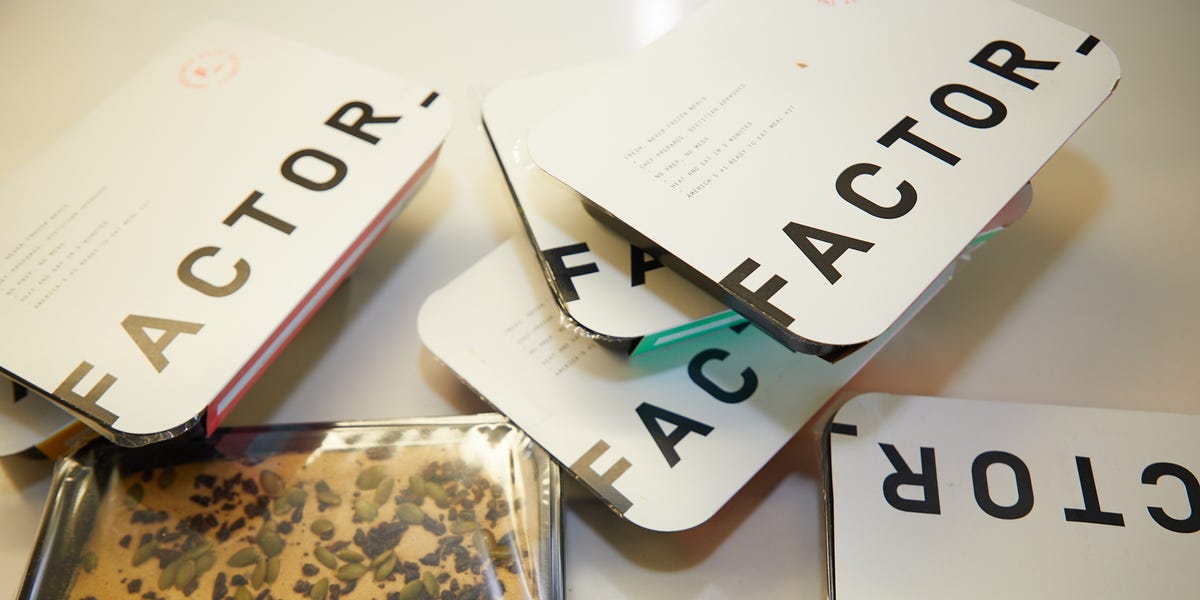
Factor Meals has become one of the most recognizable names in the ready-to-eat meal delivery world, promising fresh, chef-prepared, dietitian-approved meals that go from fridge to fork in about two minutes. That is a bold claim in a country where many people are trying to eat better, spend less time cooking, avoid another sad desk salad, and still have enough energy left at night to remember where they put the TV remote.
But convenience is rarely free. Factor meals are not priced like grocery-store frozen dinners, and they are not meant to be. They sit in that middle lane between home cooking and takeout: healthier and easier than a drive-thru run, more expensive than making chicken, rice, and vegetables yourself, and much less labor-intensive than chopping onions while pretending you enjoy chopping onions.
So, is Factor worth the cost in 2026? The honest answer is: yes for some people, no for others. If you are busy, live alone or with one other person, follow a high-protein, keto, low-carb, calorie-conscious, or GLP-1-friendly eating style, and frequently spend money on takeout, Factor can be a smart upgrade. If you are feeding a family, watching sodium closely, love big portions, or enjoy cooking from scratch, the value may feel less impressive.
What Is Factor?
Factor, formerly known as Factor 75, is a prepared meal delivery service owned by the same parent company behind HelloFresh. Unlike traditional meal kits, Factor does not send raw ingredients and recipe cards. There is no chopping, no sautéing, no “Oops, I burned the garlic again” moment. The meals arrive fully cooked, chilled, sealed in individual trays, and ready to heat.
The service is designed around weekly subscriptions. Customers choose a meal plan, select meals from a rotating menu, add optional extras if desired, and receive a box delivered to their door. The meals are fresh, not frozen, and are meant to be stored in the refrigerator. Most are single-serving entrées, making Factor especially appealing for solo diners, couples with different schedules, office lunches, and anyone trying to avoid the dinner-time staring contest with the fridge.
How Factor Works in 2026
1. Choose Your Plan
At sign-up, Factor typically offers meal plan sizes such as 6, 8, 10, 12, 14, or 18 meals per week. Larger orders usually bring the per-meal price down, although final costs can vary based on promotions, location, add-ons, and shipping fees.
2. Pick Your Meals
Factor’s menu changes weekly and includes a wide range of ready-made meals. Popular categories include:
- Chef’s Choice
- Keto
- Protein Plus
- Calorie Smart
- Low Carb
- Vegan and Veggie
- Flexitarian
- Fiber Filled
- GLP-1 Balance
Each meal listing generally includes calories, protein, carbs, fat, ingredients, and allergen details. This makes Factor useful for people tracking macros, eating high protein, reducing carbs, or simply trying to make a smarter choice than ordering a burger and fries again because “Monday was emotionally complex.”
3. Heat and Eat
Most Factor meals can be heated in the microwave in about two to three minutes. Oven instructions are usually available too, and many reviewers prefer the oven or air fryer for better texture. The microwave is faster, but the oven can help vegetables and proteins feel less like they just survived a tiny steam sauna.
How Much Does Factor Cost?
Factor is not the cheapest prepared meal delivery service, but it is not the most expensive either. In 2026, regular prices commonly fall around $11 to $14 per meal, depending on the number of meals ordered and current offers. Shipping is often added separately and may run roughly $11 to $14 per box, depending on location and promotion terms.
New customers often see large introductory discounts, such as a percentage off the first box or savings spread across several boxes. These deals make Factor much easier to try, but the real question is not whether the first discounted box is worth it. The real question is whether Factor still makes sense when the promo confetti is gone and your credit card is staring at the full price.
Factor Cost Example
Let’s say you order 10 meals per week at about $12.50 each. That puts the food cost around $125 before shipping and add-ons. Add shipping, and the weekly total may land closer to $138 or more. That is cheaper than ordering restaurant delivery 10 times, but it is much more expensive than cooking bulk meals at home.
For someone who regularly spends $15 to $25 on takeout lunches, Factor can actually save money. For someone who already meal preps with groceries, Factor will likely feel expensive. In other words, Factor is not competing with a $2 serving of homemade rice and beans. It is competing with “I’m tired, I’m hungry, and delivery apps know my address by heart.”
Factor Meal Quality: How Does the Food Taste?
For a heat-and-eat meal service, Factor performs well on taste. Many meals feature juicy chicken, flavorful sauces, generous protein, and sides that feel more complete than the average freezer-aisle tray. The best dishes tend to be those with bold seasonings, creamy sauces, taco-bowl-style builds, pasta, meatballs, curries, and high-protein chicken entrées.
That said, Factor is still prepared food shipped in trays. Some vegetables hold up beautifully; others can become soft after reheating. Green beans, broccoli, cauliflower rice, and zucchini can vary from pleasantly tender to “well, they tried.” Sauces are usually the MVP, especially in chicken, beef, and keto-friendly dishes. The proteins are often the strongest part of the meal.
If you plate the food instead of eating from the plastic tray, the experience improves immediately. This is not science, but it is emotionally true. A Factor meal on a real plate feels like dinner. A Factor meal in the tray feels like you are eating lunch during a very polite airport delay.
Nutrition Review: Is Factor Healthy?
Factor meals can be healthy, especially compared with frequent takeout, oversized restaurant portions, and many frozen dinners. The menu includes many meals built around lean protein, vegetables, controlled portions, and specific nutrition goals. High-protein meals often provide 30 grams of protein or more, and some Protein Plus options may go higher.
The Calorie Smart meals are typically designed for lower-calorie eating, while keto and low-carb meals focus on reduced carbohydrates and higher fat. GLP-1 Balance meals are aimed at people who want smaller, protein-forward, nutrient-conscious portions that may fit better with reduced appetite.
However, “healthy” depends on the specific meal. Some Factor meals can be high in sodium, saturated fat, or calories. If you have high blood pressure, heart disease, kidney disease, or another condition that requires careful nutrition management, check each nutrition label before ordering. The FDA’s general Daily Value for sodium is 2,300 milligrams per day, and some prepared meals can take up a large portion of that amount in one sitting.
The smartest way to use Factor is to choose meals the same way you would shop: compare labels, rotate options, and balance your day. If lunch is a higher-sodium Factor meal, make breakfast and dinner simpler. If a dinner is rich and creamy, choose a lighter lunch. Factor can support healthy eating, but it is not a magic nutrition fairy in a cardboard box.
Best Things About Factor Meals
Convenience Is the Star
The biggest benefit is obvious: Factor saves time. No grocery run. No meal prep. No cleanup beyond tossing packaging and washing a fork. For busy professionals, students, parents, shift workers, and people who simply do not enjoy cooking, that convenience has real value.
Good High-Protein Options
Factor is especially strong for people looking for high-protein meals. Many entrées include chicken, beef, turkey, pork, seafood, or plant-based protein, with macros listed clearly. This is useful for fitness goals, weight management, or anyone who wants meals that keep them fuller longer.
Fresh, Not Frozen
The meals arrive chilled rather than frozen, which helps them taste fresher than many supermarket microwave meals. Textures are not perfect across the board, but the overall quality feels closer to prepared deli meals than traditional frozen dinners.
Helpful for Diet Structure
Factor removes a lot of decision fatigue. If your plan is to eat more protein, reduce carbs, control calories, or stop turning dinner into a nightly negotiation with pizza, Factor gives you structure. Sometimes the healthiest meal is the one you actually eat instead of skipping dinner and discovering crackers at 10:47 p.m.
Biggest Drawbacks of Factor Meals
The Price Adds Up
Factor is convenient, but convenience has a receipt. At around $11 to $14 per meal before shipping, it can become expensive as a daily habit. A few meals per week may feel reasonable; replacing most lunches and dinners can quickly become a major food budget line.
Shipping and Add-Ons Increase the Total
Shipping is often separate, and add-ons such as breakfasts, smoothies, juices, desserts, shakes, and extra proteins can raise the weekly total. The extras are tempting, but this is where a reasonable meal plan can turn into a luxury snack parade.
Not Ideal for Families
Factor meals are single-serving. That works beautifully for one person, but feeding a household of four can get expensive fast. Families may get better value from meal kits, grocery meal prep, warehouse-store prepared foods, or batch cooking.
Limited Customization
You can choose meals, but you generally cannot customize ingredients inside each dish. If you dislike mushrooms, avoid dairy, need low sodium, or have severe allergies, your options may be limited. Factor provides allergen information, but meals are prepared in facilities that handle common allergens, so it may not be suitable for people with serious allergy concerns.
Some Meals Are High in Sodium
Sodium is one of the most important nutrition details to watch. Many prepared foods rely on salt for flavor and preservation, and Factor is no exception. Some meals fit easily into a balanced day, while others require more planning.
Who Should Try Factor?
Factor is a strong fit for:
- Busy professionals who want fast lunches or dinners
- People who order takeout too often and want a healthier alternative
- Single-person households
- Couples with different schedules or nutrition goals
- People following high-protein, keto, low-carb, or calorie-conscious diets
- Gym-goers who want easy protein-focused meals
- People using GLP-1 medications who want smaller, structured meals
- Anyone who hates meal prep with the fire of a thousand overcooked chicken breasts
Who Should Skip Factor?
Factor may not be the best choice for:
- Large families on a tight grocery budget
- People who need strict low-sodium meals
- Those with severe food allergies
- Very hungry eaters who need larger portions
- People who prefer fully organic ingredients
- Home cooks who enjoy preparing fresh meals
- Anyone who forgets subscription deadlines easily
Factor vs. Takeout, Frozen Meals, and Meal Kits
Factor vs. Takeout
Factor is usually cheaper than restaurant delivery and often more nutritionally balanced. It also avoids delivery fees, tips, and the mysterious service charge that appears at checkout like a raccoon in the pantry. Compared with takeout, Factor is often the better choice for portion control, protein, and predictable nutrition.
Factor vs. Frozen Meals
Frozen meals are cheaper and last longer, but Factor usually wins on freshness, flavor, and protein quality. If your priority is budget, frozen meals may make more sense. If your priority is taste and convenience with better nutrition labels, Factor has the edge.
Factor vs. Meal Kits
Meal kits such as HelloFresh or Home Chef are better for people who enjoy cooking and want multiple servings. Factor is better for people who want no cooking at all. Meal kits give you more of a homemade dinner experience; Factor gives you back your evening.
Tips to Get the Most Value From Factor
Start With a Discount
Use a new-customer promotion if available. Factor often runs large introductory offers, and the first box is the best time to test whether the meals fit your taste, appetite, and schedule.
Order Fewer Meals First
Do not fill your fridge with 18 meals before you know what you like. Start smaller, test different categories, and build a favorites list.
Watch the Subscription Cutoff
Factor is a subscription service, so pay attention to order deadlines. If you forget to skip, pause, or cancel before the cutoff, you may receive another box. Set a calendar reminder. Your future self will send emotional thank-you flowers.
Check Sodium and Saturated Fat
Look at the nutrition facts before adding meals to your box. Choose a mix of lighter meals and richer meals so your week stays balanced.
Plate the Meal
This sounds small, but it matters. Put the food on a real plate, add fresh herbs, squeeze lemon over chicken or fish, or pair the meal with a simple salad. Tiny upgrades can make Factor feel less like a convenience product and more like an actual dinner.
Final Verdict: Is Factor Worth the Cost in 2026?
Factor is worth the cost if convenience, protein, portion control, and time savings matter more to you than getting the lowest possible price per meal. It is one of the better ready-to-eat meal delivery services for busy adults who want fresh, flavorful, diet-friendly meals without cooking.
It is not a perfect service. The meals are expensive compared with groceries, shipping adds to the total, some dishes are high in sodium, and the single-serving format is not great for families. But compared with frequent takeout, random snacking, or skipping meals, Factor can be a practical and healthier routine-builder.
The sweet spot is using Factor strategically: a few lunches, busy-night dinners, post-workout meals, or backup options for chaotic weeks. It does not need to replace every meal to be useful. Sometimes the best value is not just saving money. It is saving time, stress, cleanup, and the mental energy required to decide what to eat when your brain has already closed for business.
Real-Life Experience: What Using Factor Feels Like Week After Week
The first thing you notice about Factor is the relief. A box shows up, you unpack neat little trays into the fridge, and suddenly the week feels slightly more under control. It is the food version of clearing your email inboxtemporary, beautiful, and probably not going to last forever, but still deeply satisfying.
For someone with a busy schedule, Factor can change the rhythm of the day. Lunch no longer requires a delivery app, a sad vending machine decision, or a last-minute scramble involving peanut butter and optimism. You grab a meal, heat it, eat it, and move on. That simplicity is Factor’s biggest strength. It reduces friction. When the healthy choice is already in the fridge, fully cooked, and faster than ordering fries, it becomes much easier to make that choice.
The meals also help with portion awareness. Restaurant meals can be enormous, and home cooking can accidentally turn into “I made pasta for four and became four.” Factor’s single-serving trays create natural boundaries. For people trying to manage calories or eat more intentionally, that can be helpful. You know what you are eating, and the nutrition label is right there. No guessing, no measuring cups, no pretending the extra cheese does not count because it was sprinkled with love.
However, the experience is not flawless. After a few weeks, some meals may start to feel similar. Many follow the same formula: protein, vegetable, sauce, and a carb or low-carb side. That structure is useful, but it can become repetitive if you rely on Factor for most meals. The solution is variety. Mix cuisines, rotate proteins, try new dishes, and do not order six versions of creamy chicken unless you are emotionally prepared to become creamy chicken.
Texture is another real-world factor. Some meals reheat beautifully, especially saucy chicken dishes, taco bowls, pasta, meatballs, and curry-inspired entrées. Others are more average. Vegetables can soften, seafood can be hit or miss, and lean meats may benefit from oven reheating instead of the microwave. If you have time, using the oven or air fryer can make certain meals taste fresher. If you do not have time, the microwave is still perfectly acceptable. This is Factor, not a final exam.
The subscription system is convenient when you manage it well and annoying when you forget. The weekly cutoff matters. If you travel, change plans, or simply forget to select meals, you may receive meals you did not really want. Anyone trying Factor should immediately set a phone reminder for the weekly edit deadline. It is not glamorous, but neither is paying for surprise entrées.
From a budget perspective, Factor feels best when replacing takeout, not groceries. If your normal lunch costs $18 after taxes, tip, delivery fee, and emotional damage, a Factor meal looks reasonable. If your normal lunch is homemade leftovers for $4, Factor looks expensive. That is why the “worth it” question depends so much on your current habits.
The best use case is practical: keep Factor meals for the moments when you are most likely to make a less helpful food choice. Maybe that is weekday lunch, late work nights, post-gym dinners, or the first few days after grocery shopping has failed to happen. Used that way, Factor can act like a nutritional safety net. It will not replace the joy of a home-cooked meal, but it can absolutely rescue a hectic Tuesday.
Overall, the Factor experience is convenient, surprisingly tasty, and most valuable when used with intention. It is not cheap, but it can be worthwhile for people who are buying back time, reducing takeout, and trying to keep meals aligned with health goals. Think of it as a shortcut, not a lifestyle requirement. And honestly, some weeks a good shortcut is exactly what dinner needs.
Editor’s note: Factor prices, promotions, shipping fees, menu options, and plan availability can change by ZIP code and over time. Before publishing or purchasing, verify current details directly during checkout.