Some fabrics enter a room politely. Others arrive wearing bangles, carrying a tray of cardamom tea, and asking why your sofa looks so lonely. Borderline’s British Raj-inspired prints fall into the second category. They are lively, layered, historic, and just dramatic enough to make a plain cushion feel like it needs to update its résumé.
The phrase “British Raj prints” can sound like a shortcut to a romantic decorating mood: sun-washed verandas, carved wood, punkahs, rattan chairs, and linen curtains moving in a lazy breeze. But the best way to appreciate these fabrics is not as costume drama décor. It is to see them as part of a much larger textile conversation: Indian floral design, chintz, kalamkari, archival pattern, English interiors, natural linen, and the modern desire for rooms that feel collected rather than assembled by a barcode scanner.
Borderline Fabrics, founded by Sally Baring and known for archive-inspired prints and weaves, has long appealed to designers who like textiles with memory. The company’s Rajasthan collection includes patterns such as Jaisalmer, Kalamkari, Leela, Udaipur, Cochin, Araminta, and Tiger’s Eyenames that instantly suggest travel, craft, color, and a little decorative mischief. These are not background fabrics in the “beige but make it expensive” category. They are fabrics that bring pulse.
What Makes Borderline’s British Raj Prints So Appealing?
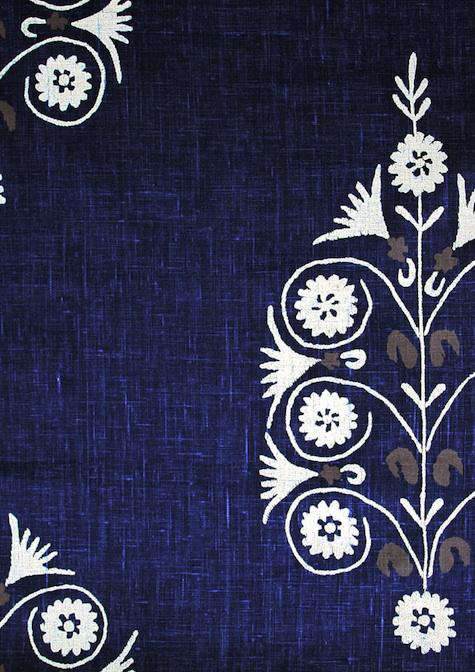
The magic of these prints begins with scale and rhythm. A fabric such as Jaisalmer has the confident spacing of a design made for interiors, not just for a small swatch that behaves nicely in a showroom drawer. It has enough pattern to hold its own on curtains, cushions, lampshades, or a statement chair, yet it does not scream across the room like a wallpaper sample with caffeine issues.
Borderline’s appeal also comes from its use of natural materials. Jaisalmer, for example, is listed as 100 percent linen, with a generous width and a repeat that gives decorators room to work. Linen matters because it softens strong pattern. A floral or Indian-inspired motif printed on a natural linen ground gains texture, slub, shadow, and an easy drape. It says “old-world charm,” but it does not say “please do not sit here.”
There is also a pleasing tension in the designs. The prints feel historic but usable, decorative but not fussy, global but still suitable for a New England living room, a California bungalow, or a Southern sunroom with a dog who believes every chair belongs to him. This is why Borderline works so well for layered interiors: it gives a room a story without forcing the room to become a museum exhibit.
The Textile History Behind the Look
To understand British Raj-inspired prints, we need to step back into the longer story of Indian textiles. India’s printed and painted cottons were admired for centuries because they combined technical brilliance with visual delight. Chintz, calico, gingham, khaki, and other familiar words all point to the powerful influence of Indian textile production on global design.
Traditional chintz was not just “floral fabric.” It was a complex art form involving painting, printing, resist dyeing, mordants, natural dyes, and patient craftsmanship. Kalamkari, often translated as “pen work,” used drawn outlines and layered dye processes to create detailed patterns. These textiles traveled through trade routes, entered European homes, and helped shape the way Western interiors used color, botanical imagery, and patterned cloth.
By the 17th and 18th centuries, Indian cottons had become wildly desirable in Europe. Their colors were vibrant, their surfaces washable, and their patterns more exciting than many locally produced textiles of the period. In other words, they were the interior design equivalent of a guest who arrives late to dinner and immediately becomes the most interesting person at the table.
The British Raj period, from the mid-19th century into the 20th century, added another layer to this design exchange. British colonial life in India produced a hybrid visual language: Indian motifs, English furniture forms, tropical living, campaign pieces, botanical prints, woven mats, cane chairs, tented rooms, and airy linens. Today, designers should approach that history with context, not nostalgia alone. The beauty of the textiles comes from Indian artistry and centuries of craft, not from colonial fantasy.
Why Linen Is the Perfect Partner for These Prints
Printed linen has a relaxed elegance that makes even a bold pattern feel breathable. Cotton can look crisp and cheerful; silk can look formal and precious; velvet can look like it has strong opinions about opera. Linen, meanwhile, looks like it has read a few novels, cooked dinner barefoot, and still knows how to host.
For interiors, linen offers several practical advantages. It has texture, absorbs dye beautifully, and hangs with a natural looseness that suits curtains and relaxed upholstery. It also ages gracefully. A linen cushion with a Borderline print does not need to remain perfectly pressed to look good. In fact, a few creases can make it look more honest, as if the room is lived in by people rather than photographed by robots.
That said, linen is not indestructible. It can wrinkle, fade in strong sunlight, and may need professional cleaning depending on the application. For drapery, lining is usually wise. For upholstery, consider the level of daily wear. A decorative chair in a reading corner? Lovely. A breakfast banquette attacked each morning by toast crumbs, orange juice, and a toddler with artistic ambitions? Proceed carefully.
Key Borderline Patterns to Know
Jaisalmer
Jaisalmer is one of the standout patterns associated with this British Raj-inspired mood. Named after the golden desert city in Rajasthan, the print works especially well when you want a fabric with architectural presence and decorative warmth. In denim, natural, or other colorways, it can read as exotic, traditional, or surprisingly fresh depending on what you pair with it.
Use Jaisalmer for curtains in a study, cushions on a plain linen sofa, or a gathered skirt under a console table. It is particularly effective when balanced with wood, brass, rattan, plaster walls, or quiet ticking stripes.
Kalamkari
Kalamkari-inspired prints bring a stronger link to Indian painted textile traditions. These patterns tend to feel botanical, detailed, and artisanal. They are ideal for rooms that already lean collected: bookshelves, antique rugs, ceramic lamps, framed prints, and a healthy disregard for the “everything must match” rule.
A Kalamkari print can be used on a headboard, a pair of pillows, or a Roman shade. The trick is to give it breathing room. Let the pattern be seen, not swallowed by seventeen competing florals unless your personal style is “English country house after a garden party,” in which case, carry on bravely.
Leela, Udaipur, and Cochin
These names suggest the broader richness of the Rajasthan collection: jewel tones, faded grounds, floral movement, and a sense of traveled elegance. They can work as accents or as anchors. A small-scale print can line the inside of curtains or cover dining chair seats. A larger print can become the hero fabric in a bedroom scheme.
The best rooms do not use these textiles as isolated souvenirs. They repeat colors, echo shapes, and create relationships. A red in the print might appear again in a lacquer tray. A blue might return in a ceramic lamp. A botanical motif might converse with real plants on the windowsill. This is decorating as matchmaking.
How to Decorate with British Raj-Inspired Prints Today
Modern interiors need balance. A British Raj-inspired print can look beautiful, but if you combine too many colonial clichés at oncecampaign chests, elephant statues, palm wallpaper, carved screens, brass everythingthe room may start to resemble a theme restaurant with excellent cushions. The goal is influence, not imitation.
Start Small with Cushions
If you are pattern-shy, begin with cushions. Two Jaisalmer pillows on a plain sofa can change the entire mood of a room. Add one stripe, one solid, and one small-scale floral for a layered but controlled mix. The sofa will look relieved. It has been waiting for personality.
Use Curtains for Drama
Full-length curtains in a Borderline linen print can make a room feel finished instantly. Choose this route in spaces with simple walls and furniture. Let the curtains be the architecture. This works especially well in bedrooms, libraries, garden rooms, and dining rooms where softness matters.
Try a Statement Chair
An occasional chair covered in a British Raj-inspired print can become the visual star of the room. Pair it with a neutral sofa, a woven rug, and a side table in dark wood or aged brass. The chair will look intentional rather than random, which is the difference between “curated” and “I bought fabric at 2 a.m.”
Mix with Stripes and Checks
One of the easiest ways to modernize an Indian-inspired floral is to pair it with disciplined geometry. Stripes, checks, ticking, and small woven patterns keep the scheme grounded. They act like the sensible friend who holds your purse while you dance on the table.
Choose Color Carefully
For a calmer space, pick up the background color of the fabric and repeat it on walls or larger upholstery. For a richer space, pull out one accent colorindigo, garnet, turmeric, moss, terracottaand use it in small moments around the room. The result feels layered, not loud.
Where These Prints Work Best
Borderline’s British Raj-inspired linens are especially suited to rooms that benefit from warmth and character. In a living room, they soften modern furniture and make a space feel less showroom-perfect. In a bedroom, they add romance without requiring a canopy bed, though nobody will stop you if a canopy bed is already sending you signals.
In a dining room, patterned linen can make meals feel more intimate. Imagine curtains in a Jaisalmer-style print, candlelight, dark wood chairs, and a tablecloth in natural linen. Suddenly Tuesday soup has main-character energy.
These prints also shine in small doses: a lampshade, a framed textile panel, a cushion on a reading chair, or a fabric-covered bulletin board in a home office. Pattern does not always need square footage. Sometimes it only needs confidence.
Care and Practical Considerations
Before ordering any fabric, request a sample. Photographs rarely tell the whole truth about color, scale, weave, and hand. A print that looks gentle online may arrive with the confidence of a marching band. A color that appears blue on screen may lean teal, denim, or storm-cloud gray in real daylight.
Check the fabric composition, width, repeat, and recommended use. For curtains, confirm whether the fabric needs lining or interlining. For upholstery, ask about rub count or suitability, especially if the piece will receive daily use. For cushions, consider removable covers because life includes coffee, pets, and people who eat crackers with unnecessary enthusiasm.
Keep printed linens away from prolonged direct sunlight when possible. Rotate cushions occasionally. Vacuum upholstery gently. Follow professional cleaning advice when in doubt. Beautiful fabric is an investment, and it deserves more respect than the mystery towel in the back of the laundry room.
Why These Prints Still Feel Fresh
The renewed interest in chintz, block prints, archival textiles, and layered interiors has made Borderline’s style feel especially relevant. After years of minimal rooms dominated by gray walls and furniture shaped like polite rectangles, many homeowners want personality again. They want rooms that look collected, comfortable, and slightly unpredictable.
British Raj-inspired prints from Borderline fit this moment because they offer history without stiffness. They are decorative but not sugary. They can move between traditional, bohemian, English country, coastal, and eclectic interiors. They work with antiques and modern pieces. They look good with wicker, walnut, painted furniture, stone floors, sisal rugs, and books that have actually been read.
Most importantly, they reward slow decorating. These fabrics are not fast-fashion décor. They invite you to build a room over time: one chair, one curtain panel, one cushion, one beautiful mistake that somehow becomes the best part of the space.
Experience Notes: Living with Pattern, Linen, and a Little Decorative Courage
The best experience with British Raj-inspired prints begins before the fabric is even cut. It begins with the sample. Hold it in morning light, afternoon light, and evening lamplight. Place it beside your wall color, your sofa, your rug, and the wooden table you keep meaning to polish. A good textile will change throughout the day. It may look crisp at breakfast, mellow at sunset, and deeply cozy under warm lamps. That shifting quality is part of the pleasure.
One memorable way to use a Borderline-style print is in a room that already has quiet bones: white walls, old floors, simple upholstery, and maybe one slightly battered antique. Add printed linen curtains and the room wakes up immediately. The fabric does not just decorate the window; it changes the air. It makes the space feel warmer, older, and more personal. It is the design equivalent of adding good spices to a simple stew.
Cushions are another low-risk, high-reward experiment. A pair of patterned linen pillows can rescue a plain sofa from terminal dullness. Mix them with a stripe and a solid, and suddenly the sofa looks intentional. The secret is not to match everything perfectly. Perfect matching can feel stiff. Harmony is better. Let one color repeat, let another contrast, and let the pattern do a little talking.
For bedrooms, these prints can be especially charming. A fabric-covered headboard in an Indian-inspired linen adds softness and structure at the same time. Pair it with white sheets, a woven throw, and bedside lamps with simple shades. The result feels restful but not empty. It says someone thoughtful lives here, and that person probably owns at least one excellent ceramic mug.
The biggest lesson from working with richly patterned fabrics is this: do not panic halfway through. Pattern often looks loud when it is alone on a table, but calmer once it is part of a full room. A swatch can shout. Curtains, cushions, and furniture help it sing in tune. Add natural texturesrattan, wood, linen, cane, jute, clayand the print settles beautifully.
These fabrics also teach patience. A room layered with archival-style prints should not feel ordered in one afternoon. It should feel discovered. Start with one textile you genuinely love, then build around it slowly. Let the fabric suggest wall colors, lampshades, trims, and accessories. When a room grows from a strong textile, it usually feels more coherent than a room built from a shopping list.
And finally, enjoy the humor of it. A serious fabric does not require a serious room. Let the dog nap on the printed chair. Let the linen wrinkle a bit. Let guests ask where the curtains came from. Pattern is meant to be lived with, not worshipped from a safe distance. Borderline’s British Raj-inspired prints are at their best when they bring history, color, craft, and comfort into daily lifepreferably with tea, books, and a cushion that looks far more sophisticated than anyone expected.
Conclusion
Fabrics & Linens: British Raj Prints from Borderline is more than a pretty decorating phrase. It is a gateway into the layered world of Indian textile influence, British interior tradition, natural linen, archival pattern, and modern rooms with soul. Borderline’s prints succeed because they feel alive. They carry references to travel, craft, floral design, and historical exchange, but they remain practical enough for curtains, cushions, upholstery, and everyday beauty.
Used thoughtfully, these fabrics can transform a room without turning it into a stage set. The key is balance: honor the textile history, choose natural materials, mix patterns with restraint, and let the print become part of a lived-in home. Whether you start with a single cushion or commit to full-length linen curtains, Borderline’s British Raj-inspired prints offer a stylish reminder that rooms do not need to be loud to be memorable. Sometimes they just need one excellent fabric with a very good story.