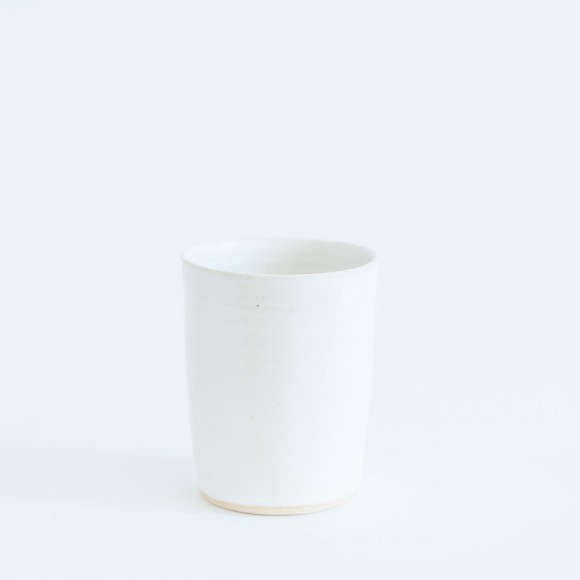
Some drinkware shouts for attention. It arrives glossy, loud, and desperate to become the main character of your kitchen shelf. Eric Bonnin White Tumblers do the opposite. They sit quietly, looking handmade, useful, and slightly more sophisticated than everyone else at the breakfast table. And somehow, that is exactly their charm.
These white ceramic tumblers belong to the world of handmade stoneware: objects made to be used daily, not locked behind glass like museum pieces with commitment issues. Eric Bonnin’s ceramics are known for clean lines, gentle imperfections, functional shapes, and an understated aesthetic that works just as well beside a linen napkin as it does next to a half-eaten croissant on a Monday morning.
The appeal is simple: Eric Bonnin White Tumblers combine artisan craftsmanship with everyday practicality. They are not trying to reinvent the cup. They are trying to make the cup feel better in your hand, better on your table, and better in the small rituals that make a home feel lived in.
Who Is Eric Bonnin?
Eric Bonnin is a ceramic artist whose work blends French decorative influence with modern, functional tableware. His background includes decorative arts and contemporary furniture, which helps explain why his ceramics often feel architectural without becoming stiff. His pieces are handmade using traditional ceramic techniques such as wheel-turning and hand-building, giving each item a shape that feels considered rather than manufactured.
Bonnin’s work has been associated with New York’s design and maker scene, including Brooklyn and Long Island City, and has also been described by retailers as connected to a studio practice in Voulême, France. That cross-Atlantic story makes sense when you look at the tumblers: they have a French sense of restraint, a New York sense of usefulness, and the kind of personality that says, “Yes, I drink espresso, but I also pay my bills on time.”
Each handmade piece is commonly described as signed with the maker’s mark and city of origin. That detail matters. A maker’s mark turns a cup from “thing I bought” into “object someone made.” It gives the tumbler a sense of identity, which is one reason handmade ceramics have become so popular among home cooks, designers, and people who want their shelves to look curated without pretending they live inside a lifestyle catalog.
What Makes Eric Bonnin White Tumblers Special?
The Eric Bonnin White Tumblers are usually discussed as handmade stoneware pieces. Product references describe them as made in black or white stoneware, food safe, dishwasher safe, and microwave safe. Earlier listings noted dimensions around 3 to 3.5 inches wide and about 4 inches tall, while related Eric Bonnin Kam cup listings describe hand-thrown pieces that may vary slightly in size. In other words: no two are robotic twins, and that is the point.
The white finish is especially important. White ceramic drinkware can look plain when it is mass-produced, but in handmade stoneware, white becomes expressive. It catches small curves, soft shadows, glaze movement, and the tiny irregularities that prove a human hand was involved. Think of it as minimalism with fingerprints.
1. Handmade Character
Hand-thrown ceramics often show subtle variations in diameter, height, wall thickness, and glaze finish. These are not flaws. They are the ceramic equivalent of a good laugh line. Eric Bonnin White Tumblers feel personal because they are not perfectly identical. One might lean slightly more organic, another might have a slightly softer glaze break near the rim, and a third might feel a touch heavier in the hand.
2. Functional Stoneware
Stoneware is a strong ceramic material commonly used for everyday dinnerware because it is generally more durable than earthenware and more casual than fine porcelain. Good-quality stoneware is often microwave and dishwasher friendly, although owners should always follow the specific maker or retailer’s care instructions. For the Eric Bonnin White Tumblers, product listings describe them as practical enough for daily use, which is exactly what makes them appealing.
3. A Clean, Quiet Aesthetic
The white color gives these tumblers flexibility. They can sit beside rustic wooden boards, modern marble counters, stainless-steel appliances, or a stack of linen napkins that cost more than you expected but somehow felt necessary. White stoneware does not fight your table setting. It lets food, flowers, coffee, wine, and conversation do the dramatic work.
Design Analysis: Why the White Tumbler Works
The best handmade tumblers succeed because they balance three things: proportion, surface, and weight. A tumbler that is too narrow feels fussy. One that is too wide feels like it wants to become a flower pot. One that is too light can feel cheap, while one that is too heavy makes your morning coffee feel like arm day at the gym.
Eric Bonnin White Tumblers sit in the sweet spot: compact enough for daily drinking, substantial enough to feel crafted, and simple enough to mix with other tableware. The form is not over-decorated. There are no cartoonish handles, no loud slogans, no “But First Coffee” energy. Instead, the design relies on shape, glaze, and touch.
This restraint is what makes them versatile. They can function as water tumblers, small coffee cups, tea vessels, wine cups, or even little containers for snacks, olives, herbs, or dessert spoons. A good tumbler is never just a cup. It is a tiny utility player wearing a very tasteful uniform.
How to Use Eric Bonnin White Tumblers at Home
One reason artisan drinkware has become more desirable is that people are spending more time thinking about everyday rituals. The cup you use for water at dinner, tea in the afternoon, or espresso after dessert changes the feeling of the moment. That may sound dramatic, but try drinking a carefully brewed coffee out of a flimsy promotional mug from a trade show. Suddenly, drama feels justified.
For Coffee and Espresso
Eric Bonnin White Tumblers pair beautifully with coffee because the white stoneware highlights the color of the drink. A short pour of black coffee, a cortado, or a small latte looks elegant against a handmade white interior. The tactile quality of stoneware also makes the cup feel warmer and more grounded than glass.
For Tea
Tea benefits from calm presentation. Green tea, chamomile, mint, black tea, and herbal blends all feel more intentional in a handmade tumbler. Because the form is simple, the focus stays on the color, aroma, and steam. Also, holding a handmade ceramic tumbler makes you look like the kind of person who owns a poetry book, even if your actual reading list is mostly restaurant menus.
For Water, Wine, and Casual Hosting
White tumblers are excellent for casual hosting because they avoid the stiffness of stemware. They make a table feel relaxed but still polished. Use them for sparkling water with lemon, chilled white wine, cider, or a nonalcoholic spritz. Their neutral color lets them mix easily with colored plates, patterned napkins, and seasonal centerpieces.
For Small Bites and Styling
Do not limit these tumblers to drinks. They can hold breadsticks, teaspoons, berries, nuts, dipping sauces, or tiny flower stems. On an open shelf, a row of white stoneware tumblers adds rhythm and texture. In a kitchen photo, they deliver that “effortless” look that usually takes twenty minutes, three rearrangements, and one person asking, “Why are there flowers next to the sink?”
Eric Bonnin White Tumblers vs. Mass-Produced Cups
Mass-produced cups are not the villain. They are affordable, consistent, and easy to replace. But handmade stoneware offers something different: character. With Eric Bonnin White Tumblers, the value is not only in function but in the feeling of using something made slowly and intentionally.
A factory cup may be perfect in the technical sense. The same height. The same weight. The same glaze. The same everything. Handmade tumblers introduce small variations, and those variations make the object feel alive. When you pick one up, you are not simply grabbing drinkware. You are interacting with a craft tradition.
The difference becomes most obvious over time. Handmade ceramics tend to become favorites because they create attachment. You reach for “the good cup.” You know how it feels in your hand. You notice how the rim meets your lip. You forgive it for taking up slightly more shelf space because, frankly, it has earned the real estate.
Care Tips for White Stoneware Tumblers
Although product listings describe Eric Bonnin White Tumblers and related cups as dishwasher and microwave safe, handmade ceramics still deserve thoughtful care. Dishwasher safe does not mean indestructible. It means the piece can tolerate normal dishwasher use, not that it wants to be thrown into a lower rack battle royale with cast iron, steak knives, and a rogue blender blade.
Wash Gently
Handwashing is the safest option for long-term preservation, especially if you own rare or discontinued pieces. Use mild dish soap, warm water, and a soft sponge. Avoid abrasive scrubbers that can dull the glaze over time.
Load Carefully
If you use the dishwasher, place tumblers where they will not knock against plates or other mugs. The rim is usually the most vulnerable area. A small chip at the rim can turn a favorite cup into a pencil holder, which is useful but emotionally disappointing.
Avoid Thermal Shock
Stoneware is sturdy, but sudden temperature changes can stress ceramics. Avoid taking a cold tumbler and immediately filling it with boiling liquid, or removing a hot cup and placing it on a freezing surface. Ceramics enjoy drama in glaze, not in temperature.
Prevent Staining
White tumblers can show coffee or tea stains more visibly than darker pieces. A baking soda paste can help with mild staining, but always scrub gently. The goal is to clean the tumbler, not audition for a power-washing commercial.
Styling Eric Bonnin White Tumblers
White stoneware is the little black dress of tableware, except it is white, made of clay, and much better at holding coffee. It works with nearly every interior style, from farmhouse to Scandinavian, modern organic, French country, coastal, and minimalist urban kitchens.
Minimalist Table
Pair the tumblers with white plates, natural linen, matte flatware, and a simple branch or single flower stem. The result feels calm, clean, and expensive in a whispery way.
Warm Rustic Table
Use them with wood boards, oatmeal-colored bowls, black stoneware plates, and beeswax candles. The white tumbler creates contrast and keeps the setting from feeling too heavy.
Modern Mix-and-Match Table
Combine the tumblers with colorful salad plates, patterned napkins, and vintage glassware. Handmade white ceramics are excellent anchors when the rest of the table has more personality than a group chat.
Are Eric Bonnin White Tumblers Worth It?
For people who only need a cup to hold liquid, any basic tumbler can do the job. But for people who appreciate handmade objects, thoughtful design, and tableware that improves daily rituals, Eric Bonnin White Tumblers make sense. They are especially appealing if you enjoy artisan ceramics, minimalist kitchen design, or collectible functional objects.
Their value comes from craft, not flash. You are paying for the hand-thrown process, the glaze, the maker’s eye, and the fact that each piece has a little individuality. In a world full of identical products, that individuality feels refreshing.
They also make excellent gifts. A single handmade tumbler can feel more personal than a generic set of six factory mugs. A pair makes a charming housewarming gift. A set can transform an everyday table. Just be warned: once someone starts using handmade stoneware, they may become the type of person who says things like, “I’m looking for a bowl with a better foot.” This is normal. There is no known cure.
Buying Tips: What to Check Before You Purchase
Because Eric Bonnin ceramics can appear through boutiques, design shops, archived listings, and limited collections, availability may vary. Before buying, check the product name, material, size, color, condition, and care instructions carefully.
Confirm the Size
Older white tumbler listings describe a compact size of around 3 to 3.5 inches wide and 4 inches tall. Related Kam cup listings may differ in height, handle width, or volume. Read the measurements before ordering so you know whether you are getting a true tumbler, a handled cup, or another piece from the Kam collection.
Look for Handmade Variation
Small differences are expected. If you want every cup to be exactly identical, handmade ceramics may test your inner control freak. If you like natural variation, those differences are part of the joy.
Check Condition on Vintage or Resale Pieces
For discontinued or resale tumblers, ask about chips, cracks, crazing, repairs, and glaze wear. Request photos of the rim, base, and interior. The bottom of a ceramic piece often tells you a lot, including whether it has been loved gently or survived three apartment moves and one chaotic roommate.
Experience Notes: Living With Eric Bonnin White Tumblers
The best way to understand Eric Bonnin White Tumblers is not to stare at them online with sixteen browser tabs open, although that is a perfectly respectable modern hobby. The best way is to imagine them inside real daily routines.
In the morning, a white stoneware tumbler changes the mood of coffee. It makes the first sip feel slower, even if your inbox is already behaving like a raccoon in a pantry. The cup has weight, but not too much. The surface feels handmade, not slippery and anonymous. You notice the rim. You notice the way the glaze catches light. You may even pause before drinking, which is impressive because most people greet morning coffee with the emotional subtlety of a rescue mission.
At lunch, the tumbler works as a water cup beside a simple plate of soup, salad, or leftovers. This is where the white color shines. It does not compete with food. It cleans up the table visually. Even a very normal lunch, like toast and eggs, looks slightly more intentional. The tumbler whispers, “This meal has a concept,” even when the concept is “I had five minutes.”
During afternoon tea, the handmade character becomes more noticeable. A factory mug can feel like office equipment. A hand-thrown tumbler feels like a small pause. The lack of a handle may encourage both hands around the cup, especially with warm tea. That little gesture makes the drink feel calmer. It is not magic, but it is close enough for a Tuesday.
For entertaining, the tumblers are surprisingly flexible. They can hold water at a dinner party, wine at a casual gathering, or small snacks on a grazing board. A few placed down the center of a table with herbs or tiny flowers can become part of the decor. Because they are white, they match almost everything. Because they are handmade, they keep the table from feeling like a showroom.
The experience is also practical. White stoneware makes it easy to see whether a cup is clean. The size is manageable for shelves. The shape feels versatile enough to use often, not just when guests come over and you suddenly pretend your kitchen is always this organized. If the tumblers are dishwasher safe according to the seller, that adds convenience, but many owners will still prefer handwashing to protect the rim and glaze.
There is also an emotional side to using handmade tumblers. Over time, one cup becomes your favorite. You may not know why. Maybe it is the weight. Maybe it is the curve. Maybe it just looks better next to your coffee maker. This is how handmade objects win. They do not demand affection immediately. They earn it quietly, one use at a time.
That is the real appeal of Eric Bonnin White Tumblers. They are not trendy in the disposable sense. They are the kind of pieces that can live with you through changing kitchens, changing tables, changing recipes, and changing morning routines. They make ordinary drinks feel slightly more considered. They bring texture to a shelf. They add a human note to the daily act of drinking water, coffee, tea, or whatever beverage is helping you remain civil.
Conclusion
Eric Bonnin White Tumblers are more than simple white cups. They represent the beauty of handmade stoneware: useful, tactile, imperfect, and quietly elegant. Their minimalist look makes them easy to style, while their artisan construction gives them depth and personality. Whether used for coffee, tea, water, wine, or small table accents, these tumblers bring a crafted feeling to everyday life.
For anyone who loves handmade ceramics, minimalist tableware, or functional objects with soul, Eric Bonnin White Tumblers are worth knowing. They prove that a cup does not need loud colors, clever slogans, or complicated shapes to be memorable. Sometimes the most beautiful object on the table is simply the one that feels best in your hand.