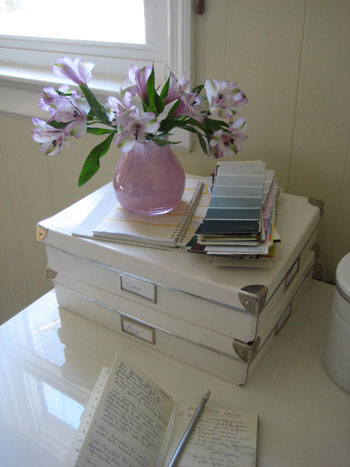
Fresh flowers have a sneaky little superpower: they can make a room feel cleaner, brighter, and somehow more “I have my life together” in about twelve seconds. The problem? A gorgeous bouquet can sometimes cost as much as a respectable dinner, and unlike dinner, you cannot eat it when the petals start looking dramatic.
Good news: enjoying fresh flowers every month does not require a luxury florist budget, a greenhouse, or a mysterious aunt who owns a rose farm. With smart shopping, seasonal timing, simple flower care, and a few creative habits, you can keep blooms in your home regularly without making your wallet wilt faster than a tulip in July.
This guide shows how to enjoy affordable fresh flowers all year long, from grocery store bouquets and farmers market finds to DIY arrangements, cutting gardens, potted blooms, and monthly flower routines that feel fancy but behave sensibly.
Why Fresh Flowers Are Worth the Small Monthly Splurge
Fresh flowers are not just decoration. They change the mood of a space. A jar of daisies on a kitchen table can make leftovers feel like brunch. A few stems of eucalyptus in the bathroom can make the room feel spa-adjacent, even if the laundry basket is quietly staging a rebellion.
Flowers also help mark time. Tulips say spring has arrived. Sunflowers bring summer confidence. Mums and dahlias feel like fall in a vase. Amaryllis, paperwhites, and evergreen clippings bring winter indoors when the world outside looks like it forgot color existed.
The trick is not buying the biggest bouquet once in a while. The trick is building a repeatable, affordable flower habit that gives you fresh beauty every month.
Start With a Monthly Flower Budget
If you want fresh flowers every month without breaking the bank, begin with a number. Not a dreamy number. A real one. A monthly flower budget of $10, $20, or $30 can go surprisingly far when you plan ahead.
Choose a Budget That Feels Easy
A flower habit should feel joyful, not financially suspicious. If $15 per month is comfortable, make that your limit. If you want flowers twice a month, divide the budget. For example, two small $8 bunches can bring more ongoing happiness than one expensive bouquet that performs beautifully for four days and then exits stage left.
Track What Actually Lasts
Not all flowers are equal when it comes to value. A delicate bouquet that lasts three days may be lovely, but a sturdy bunch of carnations, alstroemeria, chrysanthemums, or zinnias can often last longer with proper care. Value is not only the price tag; it is price divided by days of joy. That is math even flower people can get behind.
Buy Seasonal Flowers Whenever Possible
Seasonal flowers are often a better deal because they are more abundant, easier to source, and naturally at their best. Buying peonies in spring makes sense. Buying peonies in the wrong season can make your receipt look like it needs emotional support.
Affordable Flowers by Season
Spring: Tulips, daffodils, hyacinths, ranunculus, iris, and lilacs can bring soft color and fragrance. Grocery stores often sell tulips in simple bunches, and they look elegant even in a plain glass pitcher.
Summer: Sunflowers, zinnias, cosmos, snapdragons, and dahlias are bold, cheerful, and often available from local growers. Summer is also the best time to explore farmers markets for bunches that feel freshly gathered instead of factory-styled.
Fall: Mums, marigolds, celosia, asters, ornamental grasses, and dahlias offer rich color. Fall bouquets can look abundant even when they are inexpensive because texture does half the decorating work.
Winter: Carnations, roses, alstroemeria, amaryllis, paperwhites, evergreen branches, and eucalyptus can keep things lively. A few stems mixed with greenery may look more expensive than a large bouquet of tired blooms.
Make Grocery Store Flowers Look Expensive
Grocery store flowers are the quiet heroes of budget decorating. They are convenient, usually affordable, and often fresher than people assume. The secret is not buying the bouquet and plopping it into a vase exactly as packaged. That is the floral equivalent of wearing a suit with the price tag still attached.
Separate the Bouquet
Many mixed bouquets look crowded because every stem is forced into one wrapper like a tiny botanical bus. Take the bouquet apart. Group flowers by type or color. Remove filler that looks tired. You may discover that one grocery bouquet can become two or three smaller arrangements.
Use the Right Vase
A short vase can make inexpensive flowers look lush. Trim stems shorter and arrange them close together. This creates a fuller look and hides thin stems. Mason jars, thrifted pitchers, water glasses, and ceramic mugs can all work beautifully.
Create a Tape Grid
For wide-mouth vases, place clear tape across the opening in a simple grid pattern. The tape holds stems in place and helps even a small bouquet look intentional. This is a florist-style trick that costs almost nothing and makes you feel like you have secret credentials.
Shop Farmers Markets and Local Flower Stands
Local flowers can be a great value because they often spend less time in transit. That can mean fresher stems, unusual varieties, and better vase life. Farmers markets are also excellent places to find seasonal bunches with personality: zinnias that look like confetti, sunflowers with attitude, and dahlias that appear to be auditioning for royalty.
To save money, shop near closing time when some vendors may offer deals on remaining bunches. Be polite, of course. Do not hover like a bargain-hunting hawk. Simply ask if there are any end-of-market specials.
You can also ask growers which flowers last longest in a vase. Local growers know their stems well and can often recommend the best value for the week.
Try a Flower CSA or Mini Subscription
A flower CSA, or community-supported agriculture share, lets customers buy a seasonal share from a local flower farm. Depending on the farm, you may receive weekly, biweekly, or monthly bouquets during the growing season.
This is not always the cheapest option upfront, but it can be a strong value if you love fresh, local, seasonal flowers and want predictable blooms. Some farms offer smaller shares, pickup discounts, or flexible bouquet cards. Before signing up, compare the total cost, pickup location, season length, and number of bouquets.
Online flower subscriptions can also be convenient, but read the fine print. Look for shipping fees, vase add-ons, automatic renewals, skipped-delivery options, and satisfaction policies. Convenience is wonderful; surprise fees are not. Surprise fees are the weeds of online shopping.
Choose Long-Lasting Flowers for Better Value
If your goal is monthly fresh flowers on a budget, vase life matters. Some flowers are naturally more durable than others. Choosing long-lasting varieties gives you more days of beauty per dollar.
Budget-Friendly Flowers That Often Last Well
Alstroemeria: Colorful, widely available, and often long-lasting. It is one of the best grocery store flower buys.
Carnations: Underrated, affordable, and surprisingly stylish when grouped in one color. Forget the outdated reputation; carnations have been quietly carrying the budget bouquet team for years.
Chrysanthemums: Hardy and full, especially in fall arrangements. They add volume without demanding royal treatment.
Zinnias: Bright, cheerful, and excellent in summer, especially from local growers or a home cutting garden.
Sunflowers: Bold and simple. A few stems can fill a vase and make the whole room feel happier.
Eucalyptus and greenery: Greenery can stretch a bouquet, add fragrance, and sometimes outlast the flowers themselves.
Learn Basic Flower Care to Stretch Every Dollar
Buying affordable flowers is only half the strategy. Caring for them properly is the other half. A bouquet that lasts nine days instead of four is nearly twice the value. No coupon required.
Use a Clean Vase
Start with a clean vase every time. Bacteria in dirty water can clog stems and shorten vase life. Wash the vase with soap and warm water before adding flowers. If the vase has mysterious cloudy rings, treat it like a warning sign from the floral universe.
Trim the Stems
Cut stems before placing them in water. Use sharp, clean clippers or a knife, and cut at an angle to help water uptake. Trim about half an inch to one inch from the bottom. Recut stems every few days when you change the water.
Remove Leaves Below the Waterline
Leaves sitting in water decay quickly and encourage bacterial growth. Strip any foliage that would fall below the waterline. This one step makes arrangements look cleaner and last longer.
Use Flower Food Correctly
Those little packets are not decorative confetti. Flower food typically contains ingredients that help nourish flowers and limit bacterial growth. Mix it according to directions. More is not always better; overdoing it can backfire.
Change the Water Regularly
Fresh water is one of the simplest ways to extend bouquet life. Change the water every day or two, especially if it becomes cloudy. Top it off when stems drink quickly.
Keep Flowers Away From Heat and Fruit
Place arrangements away from direct sunlight, heating vents, stoves, and ripening fruit. Heat speeds aging, and ripening fruit releases ethylene gas, which can shorten the life of many flowers. In other words, your bouquet and your banana bowl should not be roommates.
Grow a Small Cutting Garden
If you have a yard, patio, balcony, or even a few containers, growing cut flowers can dramatically reduce your monthly flower costs. You do not need a cottage garden worthy of a movie montage. A few pots can produce enough blooms for small arrangements.
Easy Flowers to Grow From Seed
Zinnias, cosmos, calendula, bachelor’s buttons, marigolds, and sunflowers are friendly choices for beginners. Many grow quickly from seed and produce plenty of stems. Seed packets are usually inexpensive, and one successful season can supply flowers for months.
Cut Often for More Blooms
Many annual flowers produce more when you cut them regularly. Harvesting blooms prevents the plant from focusing only on seed production. It feels almost rude at first, but cutting flowers can encourage more flowers. Plants are strange and generous like that.
Grow Foliage Too
Do not ignore greenery. Basil, mint, rosemary, dusty miller, coleus, ornamental grasses, and eucalyptus in warmer climates can add texture and fragrance. A few homegrown greenery stems can make a store-bought bouquet look fuller and more custom.
Use Potted Flowers for Longer Enjoyment
Potted flowering plants can be an excellent alternative to cut flowers. They often last longer and may rebloom with proper care. Mini roses, orchids, African violets, kalanchoe, cyclamen, begonias, and seasonal bulbs can bring color for weeks.
For the best value, compare the cost of a cut bouquet with a flowering plant. A $12 plant that blooms for a month may outperform a bouquet that lasts a week. Just be honest about your plant-care personality. If you forget to water things, choose forgiving plants instead of delicate divas.
Dry or Repurpose Flowers Before They Fade
Some flowers can keep giving even after their fresh phase ends. Roses, lavender, statice, strawflowers, globe amaranth, celosia, and eucalyptus dry well. Hang small bundles upside down in a dry, dark place, or let sturdy stems dry naturally in an empty vase.
Dried flowers can be used in small wreaths, gift wrapping, bookmarks, framed art, or simple bud vases. This stretches the value of each bouquet and gives your home a softer, lived-in style.
Create a Monthly Flower Routine
The easiest way to enjoy fresh flowers every month is to make it a routine. Pick a flower day: the first Saturday of the month, payday, grocery day, or the day after you clean the house. Flowers are especially satisfying when the counters are clear. They look around and think, “Yes, this is my kingdom.”
A Simple Monthly Plan
Week 1: Buy one affordable bouquet or farmers market bunch.
Week 2: Refresh the arrangement by removing tired stems and moving survivors into a smaller vase.
Week 3: Use greenery, potted flowers, or a few single stems in bud vases.
Week 4: Dry favorite stems or plan next month’s seasonal buy.
This approach keeps flowers present without requiring a new purchase every week.
Smart Ways to Save on Fresh Flowers
Saving money on flowers is not about being cheap. It is about being clever. A few small habits can make monthly flowers feel easy and sustainable.
Buy One Type of Flower
Single-variety bouquets often look more elegant than mixed bouquets. Ten white carnations, five sunflowers, or a bunch of pink tulips can look chic because repetition feels intentional.
Use Smaller Arrangements
You do not need a grand centerpiece every month. A bud vase on a nightstand, a small jar by the sink, or three stems on a desk can deliver the same emotional lift for less money.
Shop Discount Sections Carefully
Some stores mark down flowers near the end of their shelf life. Inspect them closely. Avoid slimy stems, browning petals, mold, and drooping heads. Choose markdown flowers only when they still have enough life left to enjoy.
Split Bouquets With a Friend
If a large market bouquet is too much, split it. One bouquet can become two smaller arrangements, and both people save money. Friendship plus flowers equals excellent adulting.
Reuse Vases and Containers
Skip paid vase upgrades unless you truly need them. Save jars, thrift small vases, and reuse containers. A charming vessel can make simple flowers look special.
Personal Experience: How to Enjoy Fresh Flowers Monthly on a Real-Life Budget
The most practical way to enjoy fresh flowers every month is to stop thinking of them as a luxury event and start treating them like a small home ritual. In my experience, the best bouquets are not always the biggest or most expensive. They are the ones you actually notice during ordinary moments: while making coffee, opening your laptop, washing dishes, or walking past the entryway with your arms full of groceries and questionable life choices.
A good monthly routine begins at the grocery store. Instead of grabbing the largest mixed bouquet, look for one bunch with strong stems and healthy petals. Tulips in spring, alstroemeria almost any time, carnations when you want serious staying power, and sunflowers in summer are reliable choices. A single-color bunch often looks cleaner and more expensive than a busy bouquet with too many competing colors. If the bouquet looks like a parade float had a nervous breakdown, keep walking.
At home, the real magic happens during preparation. Do not just unwrap the flowers and drop them into water. Give them a mini spa day. Wash the vase, trim the stems, remove the lower leaves, add flower food, and place the arrangement somewhere cool and visible. This takes five minutes, but it can add days to the bouquet. That means your $12 bunch feels less like a temporary decoration and more like a smart little investment in your daily mood.
One helpful habit is the “shrinking bouquet” method. Start with the full arrangement on the dining table or kitchen counter. After several days, remove any tired stems. Move the remaining flowers into a smaller vase. A few days later, rescue the last good blooms and place them in a bud vase, jar, or teacup. This makes one bouquet feel like three different arrangements. It also prevents that sad stage where a bouquet is technically still there but emotionally already gone.
Another budget-friendly experience is mixing store-bought flowers with free or low-cost greenery. A few sprigs of herbs, branches from safe-to-cut shrubs, or garden foliage can make a basic bouquet look fuller. Even one stem of eucalyptus or a handful of ornamental grass can change the whole arrangement. The goal is not perfection. The goal is freshness, color, and a little “oh, look at me, I live beautifully” energy.
For people with even a tiny outdoor space, growing a few cut flowers is worth trying. Zinnias and cosmos are especially satisfying because they grow from seed, bloom generously, and do not demand constant drama. A container of zinnias can supply small bouquets for weeks. Cutting them regularly encourages more blooms, which feels like discovering a legal cheat code in gardening.
Finally, the biggest lesson is this: fresh flowers do not need to be saved for guests, holidays, apologies, or romantic movie scenes. Buy them for Tuesday. Buy them because the kitchen looks boring. Buy them because you stayed within your grocery budget and deserve a tiny parade in a vase. When you keep the habit simple, seasonal, and affordable, fresh flowers become less of a splurge and more of a monthly reminder that beauty does not have to be expensive to be meaningful.
Conclusion
Enjoying fresh flowers every month without breaking the bank is completely possible when you shop seasonally, choose long-lasting blooms, care for stems properly, and think creatively. Grocery store flowers, farmers market bunches, small cutting gardens, potted blooms, and dried arrangements can all help you keep your home cheerful on a realistic budget.
The best flower habit is not the fanciest one. It is the one you can repeat. Start small, learn what lasts, reuse what you have, and let each month have its own bloom. Your home will feel brighter, your rooms will feel fresher, and your bank account will not need to clutch its pearls.
Note: This article is written for web publishing in standard American English and synthesizes practical flower-buying, arranging, and care guidance from reputable U.S. gardening, consumer, florist, and extension-based sources.