If your doctor says you need a pacemaker, your first question is usually about your heart. Your second question is often about your wallet. That is completely fair. The good news is that Medicare usually does cover pacemakers when they are considered medically necessary. The less-fun news is that the details depend on why you need the device, where the procedure happens, and which type of Medicare coverage you have.
In plain English: Medicare is not out here ghosting people who truly need a pacemaker. But it also does not hand out coverage like candy at a parade. Documentation matters. Diagnosis matters. Whether the procedure is inpatient or outpatient matters. And yes, the difference between Original Medicare, Medicare Advantage, Medigap, and Part D can make your out-of-pocket costs look very different.
This guide breaks down what Medicare usually pays for, what it may not pay for, how costs work in 2026, and what real patients often experience before and after pacemaker surgery.
What is a pacemaker, exactly?
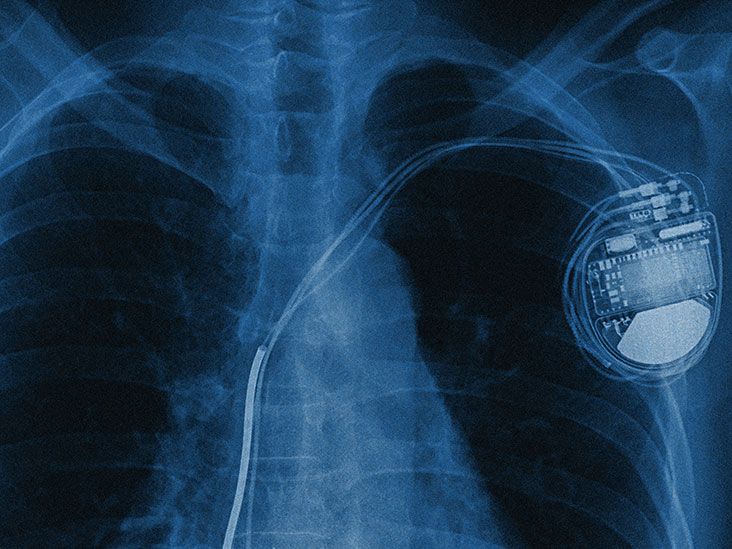
A pacemaker is a small battery-powered device that helps keep your heartbeat regular. Traditional pacemakers usually include a generator, leads, and sensors. They are commonly implanted under the skin near the collarbone. Some newer models are leadless pacemakers, which are placed inside the heart through a catheter instead of using a chest pocket and wires.
Doctors typically recommend pacemakers for certain rhythm problems, especially when the heart beats too slowly, pauses, or has conduction issues that can cause dizziness, fainting, fatigue, confusion, shortness of breath, or heart failure symptoms. In some cases, pacemakers are also used for certain forms of heart failure to help the chambers beat in better sync.
The short answer: Yes, Medicare usually covers pacemakers
For most people, the answer is yes. Medicare generally covers pacemaker implantation when the device is reasonable and medically necessary for treating a covered heart condition. That includes many patients with documented, non-reversible symptomatic bradycardia, sinus node dysfunction, or second- or third-degree atrioventricular block.
That said, Medicare does not automatically cover every situation that sounds remotely pacemaker-adjacent. Coverage can be denied when the medical record does not support a covered indication. For example, purely asymptomatic slow heart rhythms, reversible causes of bradycardia, or vague unexplained fainting without enough supporting evidence can create trouble. In other words, Medicare likes pacemakers just fine. It simply likes paperwork with a pulse even more.
When Medicare is most likely to pay
Covered situations often include:
Medicare is generally most comfortable paying when there is clear documentation of a serious rhythm problem that is not expected to go away on its own. Common examples include symptomatic sinus node dysfunction, second-degree heart block, third-degree heart block, or bradycardia caused by necessary long-term medication when there is no good alternative.
Situations that can trigger denials:
Coverage can become shaky when the condition is reversible or not causing symptoms. Think electrolyte problems, medication effects that can be corrected, hypothermia, asymptomatic sinus bradycardia, or certain mild conduction abnormalities without symptoms. Medicare’s basic logic is simple: if the body may correct the issue or the rhythm problem is not clearly harming the patient, the device may not qualify as medically necessary.
Which part of Medicare covers a pacemaker?
Medicare Part A
Part A usually helps cover the costs when pacemaker implantation happens during an inpatient hospital stay. So if you are formally admitted to the hospital and receive the pacemaker there, Part A is typically the main bucket of coverage.
Medicare Part B
Part B usually helps cover pacemaker-related care when the procedure is done on an outpatient basis or when the charges involve doctors’ services, outpatient hospital care, follow-up visits, testing, programming, monitoring, and device checks. If your pacemaker is placed without an inpatient admission, Part B is often the star of the show.
Medicare Advantage (Part C)
Medicare Advantage plans must cover all medically necessary services that Original Medicare covers. So if Original Medicare would cover the pacemaker, a Medicare Advantage plan generally must cover it too. However, the plan may have its own network rules, copays, and prior authorization requirements. Translation: yes, the benefit is there, but the path to it may have more doors to open.
Medicare Part D
Part D does not cover the pacemaker device itself. But it may help pay for outpatient prescription drugs you need around the procedure, such as certain pain medicines, antibiotics, or heart medications, depending on your plan’s formulary.
Medigap
If you have Original Medicare, a Medigap policy can help pay your share of out-of-pocket costs, such as deductibles, copayments, and coinsurance. This can matter a lot with pacemaker care because the surgery may be covered, but your portion of the bill can still sting if you are paying everything yourself.
How much could you pay in 2026?
Medicare coverage is not the same thing as “free.” It is more like “financially less terrifying than it could have been.”
If the procedure is inpatient under Part A
In 2026, the Part A inpatient hospital deductible is $1,736 per benefit period. After that deductible, you generally pay $0 for the first 60 inpatient hospital days in that benefit period. If your pacemaker surgery requires admission, this deductible can be the big initial cost.
If the procedure is outpatient under Part B
In 2026, the Part B deductible is $283 for the year. After you meet it, you typically pay 20% of the Medicare-approved amount for covered Part B services, assuming your doctor or provider accepts Medicare assignment. That 20% can apply to physician services, outpatient facility charges, and related follow-up care.
So yes, Medicare often covers pacemakers, but your personal bill can still vary quite a bit depending on whether you are inpatient or outpatient, whether you have Medigap, and whether you are in a Medicare Advantage plan with set copays.
Does Medicare cover the device, the surgery, and follow-up care?
Usually, yes. In many standard cases, Medicare coverage includes the pacemaker device, the implantation procedure, and related medically necessary care tied to that procedure. That can include hospital care, physician services, and eligible follow-up visits used to check the device and adjust settings.
Even anesthesia can be covered when it is medically necessary during pacemaker surgery. Follow-up care is important because pacemakers are not magical “install once and forget forever” gadgets. They need monitoring, programming, and occasional troubleshooting.
What about battery replacement or generator replacement?
This is where the story gets a little less tidy. Pacemaker batteries do not get changed like TV remote batteries. When the battery runs low, the generator usually needs to be replaced through a procedure that is generally simpler than the first implant. Many patients need replacement years later, often after a long stretch of smooth sailing.
In practice, medically necessary replacement procedures are often covered, but generator replacement and certain other device-related services may be handled under separate billing rules and contractor guidance rather than the same simple national coverage language used for initial single- and dual-chamber implants. The smart move is to verify coverage with your provider’s billing office and your plan before the procedure.
What about leadless pacemakers?
Leadless pacemakers are the sleek, modern cousins in the pacemaker family. They skip the chest pocket and leads, which can reduce some complications tied to traditional systems. However, Medicare coverage for leadless pacemakers is more specialized. CMS has a separate national coverage determination for them, and coverage has specific study-related conditions under Coverage with Evidence Development.
That does not mean a leadless pacemaker is impossible under Medicare. It means you should not assume it works exactly like standard pacemaker coverage. Ask the cardiologist whether the device is being furnished under Medicare-compliant coverage conditions and whether the hospital has experience handling the billing.
Original Medicare vs. Medicare Advantage for pacemakers
Original Medicare
With Original Medicare, you generally have broad provider access, and in most cases you do not need prior authorization for covered services. That can make the process feel less bureaucratic when your cardiologist recommends treatment.
Medicare Advantage
With Medicare Advantage, coverage must be at least as broad for medically necessary services, but the plan may require you to use a network hospital or specialist. It may also require prior authorization before certain procedures or services. The upside is that some plans have structured copays and annual out-of-pocket maximums, which may help some beneficiaries budget more predictably.
So which is better? That depends on your doctors, your plan network, your Medigap status, and how much paperwork drama you are willing to tolerate before your coffee gets cold.
How to improve the odds of smooth coverage
1. Make sure the diagnosis is clearly documented
The cardiologist’s notes should clearly show the symptoms, test results, and why the pacemaker is medically necessary.
2. Confirm whether you are inpatient or outpatient
This affects whether Part A or Part B is the main payer and can change what you owe.
3. Use Medicare-approved providers
Ask whether the hospital, electrophysiologist, and any related providers accept Medicare assignment or are in-network for your Medicare Advantage plan.
4. Check prior authorization rules
If you have Medicare Advantage, ask your plan whether approval is needed before surgery, imaging, monitoring, or follow-up services.
5. Ask for a cost estimate
Do not be shy. Ask the hospital billing office and the plan for an estimate of your expected out-of-pocket costs. Your future self will appreciate this deeply.
What recovery usually looks like
Pacemaker surgery often takes a few hours. Some people go home the same day, while others stay in the hospital overnight or longer depending on their condition and the type of procedure. After surgery, patients are often told to avoid heavy lifting and to be careful with arm movement on the side of the implant for a period of time.
Follow-up matters. Providers typically check the device regularly, sometimes with remote monitoring and sometimes in the office. Batteries can last many years, and follow-up visits help confirm that everything is working properly. In short, the implant is the headline, but the maintenance chapter is where long-term success lives.
A simple example
Imagine a Medicare beneficiary who faints repeatedly and is diagnosed with symptomatic complete heart block. The cardiologist documents the condition, the patient is admitted to the hospital, and a permanent pacemaker is implanted. In that case, Medicare is usually very likely to cover the medically necessary procedure, with the patient responsible for the usual deductibles and cost-sharing based on their Medicare setup.
Now imagine a different patient with mild, asymptomatic slow heart rate found incidentally on testing, with no meaningful symptoms and no covered indication in the chart. That is the kind of case where Medicare coverage may be denied or at least heavily questioned.
Final verdict
Yes, Medicare usually provides cover for pacemakers when they are medically necessary. Original Medicare typically covers inpatient implantation under Part A and outpatient implantation, physician services, and follow-up care under Part B. Medicare Advantage plans must also cover medically necessary pacemaker care, but they may use networks and prior authorization. Medigap can help with leftover costs, and Part D may help with related outpatient medications.
The biggest takeaway is this: pacemaker coverage is usually available, but the smoothness of the journey depends on documentation, setting, and plan details. When the diagnosis is clear and the providers know how to bill it correctly, Medicare coverage is often solid. When the paperwork is thin or the situation falls into a gray area, things can get messier.
If you or a loved one may need a pacemaker, ask three questions early: Is it medically necessary? Is this inpatient or outpatient? What will my exact plan require me to pay? Those three questions can save a lot of confusion, phone calls, and dramatic sighing later.
Experiences people often have with Medicare and pacemakers
For many people, the experience starts with symptoms that seem random at first. They feel unusually tired. They get dizzy standing up. They may faint once and brush it off, then faint again and realize this is no longer just “one of those days.” By the time a cardiologist mentions a pacemaker, the word itself can sound bigger and scarier than expected. Many beneficiaries say the emotional swing is intense: first fear, then relief, then a sudden practical question that lands like a thud“Wait, how much is this going to cost me?”
One of the most common experiences is discovering that Medicare does help, but that the details are not always obvious. Patients are often surprised by how much depends on whether the hospital lists the procedure as inpatient or outpatient. Two people can both say, “I had pacemaker surgery,” but their bills can look very different because one was admitted and one was treated under outpatient status. That is why many families end up spending almost as much time talking to billing offices as they do talking about recovery instructions.
Another frequent experience is realizing how important documentation is. Patients may assume that if a doctor recommends a pacemaker, Medicare will instantly salute and pay the bill. In reality, coverage tends to go most smoothly when the chart clearly shows symptoms, test findings, and the reason the pacemaker is medically necessary. This is especially true for people with complicated histories, multiple specialists, or unusual rhythm problems. A clean, detailed medical record can make the difference between a straightforward claim and a maddening back-and-forth.
People also describe a strange mix of physical and emotional recovery after implantation. Physically, many say they feel better faster than expected. Some notice less dizziness or more stamina within days or weeks. Emotionally, though, there can be an adjustment period. Having a device in your chest is not nothing. Even when the procedure goes well, some people need time to get used to the idea that their heartbeat now has a tiny mechanical backup singer. Follow-up visits often help because the device can be checked, adjusted, and explained in a way that makes patients feel more in control.
Medicare Advantage enrollees often report a slightly different experience. Their coverage may be solid, but the process can feel more managed. They may need prior authorization, they may need to stay in-network, and they often become very aware of which hospital or specialist their plan prefers. Some patients do not mind this structure at all. Others find it frustrating, especially when they are dealing with a heart condition and would rather not moonlight as their own administrative assistant.
Long-term, many pacemaker patients say life becomes surprisingly normal. They attend routine device checks, learn a few practical precautions, and eventually stop thinking about the pacemaker every hour of the day. Years later, when the battery begins to run low, the conversation starts againusually with much less panic and much more confidence. By then, many patients know the system better, know the right questions to ask, and know that Medicare coverage is usually manageable when the care team and billing details are lined up correctly.