De-extinction sounds like the kind of science that should arrive with dramatic music, a fog machine, and someone whispering, “Life finds a way.” But outside Hollywood, the real question is less theatrical and more complicated: does de-extinction actually work?
The honest answer is: yes, no, and sort of. Yes, scientists can now recover ancient DNA, compare it with living relatives, edit genomes, clone animals, and create organisms with traits inspired by extinct species. No, they cannot magically rewind time and produce a perfect, carbon-copy mammoth, dodo, or dire wolf exactly as it lived thousands of years ago. And “sort of” is where the science gets fascinating.
Modern de-extinction is not really a resurrection spell. It is a set of biotechnology tools designed to create a living proxy: an organism that resembles an extinct species genetically, physically, or ecologically. That proxy may look like the lost animal, carry some of its traits, and possibly fill part of its former ecological role. But it is not the original species returning from vacation with a suitcase full of fossils.
So, does de-extinction work? It depends on what we expect it to do. If the goal is to create a museum-perfect copy of a vanished animal, the answer is mostly no. If the goal is to develop powerful genetic tools that could help conservation, restore lost traits, and make endangered species more resilient, the answer is increasingly yes.
What Is De-Extinction?
De-extinction is the effort to bring back traits, genomes, or ecological functions of extinct species through science. The main approaches are cloning, genome editing, and back-breeding. Each method has strengths, limitations, and a few awkward family-reunion problems.
Cloning
Cloning is the most direct path in theory. Scientists take preserved cells from an extinct animal, place the nucleus into an egg cell from a close living relative, and develop an embryo. The catch is enormous: you need high-quality, intact cells. Most extinct animals do not leave behind freezer-ready tissue samples. Fossils are impressive, but they are not exactly a biological USB drive.
The most famous de-extinction cloning attempt involved the Pyrenean ibex, also called the bucardo. Scientists cloned it using preserved cells after the subspecies had gone extinct. A kid was born, making it the first extinct animal ever cloned into existence. Sadly, it died within minutes because of lung defects. That case proved something historic: a lost animal could briefly be brought back. It also proved how far the science still had to go.
Genome Editing
Genome editing is the method behind many current de-extinction headlines. Instead of rebuilding an extinct animal from scratch, researchers compare ancient DNA with the genome of a living relative. Then they edit the living species’ DNA to include selected traits from the extinct one.
For example, a mammoth project does not begin with a mammoth egg, because those are not sitting neatly in Arctic ice next to a “please clone responsibly” label. Instead, scientists look to the Asian elephant, the mammoth’s closest living relative. The goal is to create an elephant-like animal with mammoth-inspired traits such as cold tolerance, dense hair, extra fat storage, and other adaptations that could help it survive in colder ecosystems.
Back-Breeding
Back-breeding uses selective breeding to recreate traits of an extinct ancestor from living descendants. This is often discussed with animals such as the aurochs, the wild ancestor of domestic cattle. Back-breeding can produce an animal that looks and behaves somewhat like the extinct form, but it does not restore the original genome. It is more like reconstructing a vintage car using modern parts and old photographs. Cool? Yes. Original? Not exactly.
The Big Problem: Extinct DNA Is Usually a Mess
DNA breaks down after death. Heat, sunlight, water, bacteria, oxygen, and time all damage genetic material. That is why Jurassic Park remains fiction. Dinosaurs went extinct around 66 million years ago, and usable dinosaur DNA is not expected to survive that long. Sorry, T. rex fans. Your backyard remains safe, at least from scientifically accurate dinosaurs.
De-extinction works best with recently extinct species, especially those preserved in cold environments, museum collections, or frozen tissue banks. Mammoths, thylacines, passenger pigeons, dodos, and the Pyrenean ibex are more realistic candidates than dinosaurs because their remains are much younger and sometimes contain recoverable genetic information.
Even then, ancient DNA usually comes in damaged fragments. Scientists can sequence those fragments and compare them with genomes from living relatives, but gaps remain. The final product is often an informed reconstruction, not a flawless original blueprint.
Case Study: The Woolly Mammoth
The woolly mammoth is the celebrity of de-extinction. It has everything: shaggy hair, Ice Age drama, climate-change relevance, and the marketability of a prehistoric plush toy. But the actual scientific goal is not to revive a mammoth exactly. It is to engineer an Asian elephant with mammoth-like traits.
Supporters argue that mammoth-like elephants could one day help restore Arctic grasslands. The theory is that large grazers may compact snow, disturb shrubs, spread nutrients, and encourage grassland ecosystems that reflect more sunlight and store carbon-rich permafrost more effectively. It is a bold idea, although not everyone is convinced the effect would be large enough to matter at climate scale.
The mammoth project also raises serious animal welfare questions. Asian elephants are endangered, intelligent, social animals. Using them as surrogates would be ethically difficult. That is one reason researchers have explored artificial wombs and advanced reproductive technologies. But even if an embryo can be created, the next challenge is raising a healthy, social, long-lived animal that knows how to behave. A mammoth-like calf would not come preloaded with Ice Age survival software.
In practical terms, mammoth de-extinction has not yet produced a living mammoth. What it has produced is a wave of research into elephant stem cells, gene editing, ancient DNA, reproductive biology, and conservation technology. That may be the project’s most realistic near-term value.
Case Study: The Dire Wolf Debate
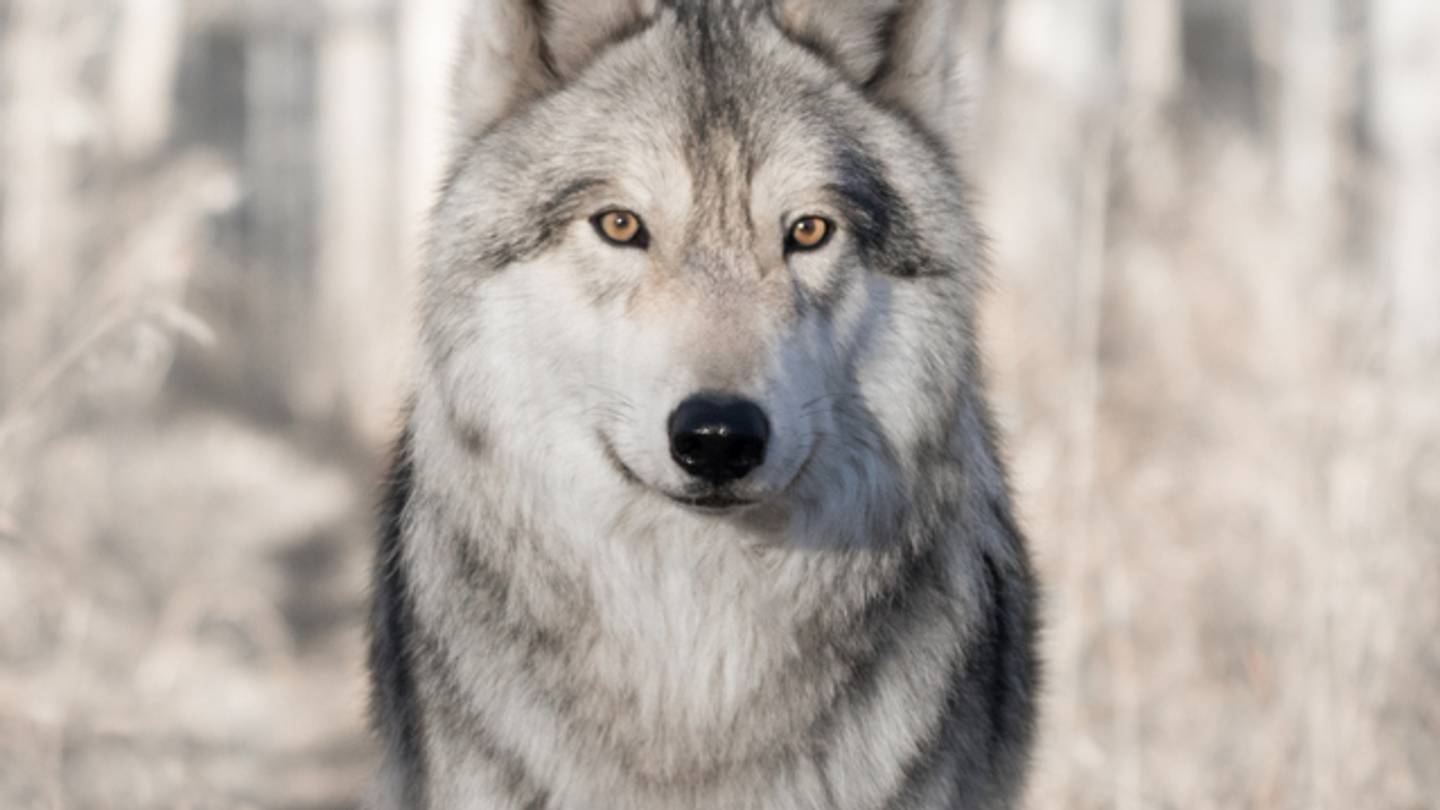
The dire wolf became a major de-extinction talking point when genetically edited wolves were presented as a breakthrough. The animals were created by editing gray wolf cells to express selected traits associated with dire wolves, including appearance-related features. That is technically impressive. It is also where the definition of “de-extinction” starts doing gymnastics.
Many scientists argue that such animals are not true dire wolves. They are genetically modified gray wolves with some dire-wolf-like traits. This distinction matters. A species is more than a handful of visible features. It includes its full genome, evolutionary history, behavior, ecological relationships, and reproductive population.
Still, the dire wolf project shows that de-extinction technology can do something real: it can use ancient DNA as a guide for editing living animals. Whether that counts as bringing back a species depends on your definition. If your standard is “perfect biological resurrection,” it falls short. If your standard is “creating a living proxy with selected extinct traits,” then it worksat least in a limited sense.
Case Study: The Passenger Pigeon
The passenger pigeon once filled North American skies in staggering numbers. Its extinction in the early 20th century became one of the clearest warnings about overhunting, habitat destruction, and the assumption that abundance equals safety.
Passenger pigeon de-extinction projects focus on the band-tailed pigeon, a close living relative. The idea is to identify key genetic differences and gradually engineer birds with passenger-pigeon-like traits. But birds add extra complexity because avian reproduction is not as straightforward for cloning as mammal reproduction. Scientists must work with germ cells, embryos, and surrogate species in a much more delicate way.
Even if passenger-pigeon-like birds were created, the ecological question would remain: where would they live, and in what numbers? Passenger pigeons were famous for massive flocks. A few dozen birds in a protected facility would be scientifically interesting, but not an ecological comeback. De-extinction at population scale is a much bigger challenge than producing one living animal.
Case Study: The Dodo and Thylacine
The dodo and the thylacine, also known as the Tasmanian tiger, are two other high-profile candidates. The dodo is symbolically powerful because it represents human-caused extinction on islands. The thylacine is emotionally powerful because it disappeared recently enough that photographs and film footage still exist.
Both projects face major hurdles. For the dodo, scientists need to work through avian reproductive biology and identify a suitable living relative, such as pigeons. For the thylacine, researchers must navigate marsupial development, fragmented DNA, and the challenge of using a living marsupial relative as a biological starting point.
These projects are not impossible in the same way dinosaur resurrection is impossible, but they are not simple. Creating a living animal is only the first act. The harder sequel is creating a healthy population that can behave normally, reproduce, avoid suffering, and fit into a modern ecosystem that has changed since the species disappeared.
So, What Would “Working” Actually Mean?
To decide whether de-extinction works, we need a better scorecard. A single birth is not enough. A fuzzy animal on camera may impress the internet, but conservation has higher standards than going viral.
Scientific Success
At the scientific level, de-extinction works when researchers can recover ancient DNA, identify important traits, edit living cells, create embryos, and produce viable animals. This is where the field has made genuine progress. Gene editing is more precise than ever, genome sequencing is faster, and reproductive technologies are improving.
Biological Success
At the biological level, success means the animal is healthy, fertile, and able to live a normal life. This is much harder. Cloning and editing can introduce developmental problems. A newborn animal may look right but still suffer from hidden defects, immune problems, or reproductive failure.
Ecological Success
At the ecological level, success means the animal contributes positively to an ecosystem. This is the hardest test of all. The ecosystem that once supported an extinct species may no longer exist. Climate, plants, predators, prey, diseases, and human land use may all have changed. Releasing a de-extinct species without careful planning could harm existing wildlife or create a very expensive conservation headache.
The Conservation Argument: Help or Distraction?
Supporters of de-extinction say the technology could help conservation in several ways. It can improve genetic rescue, develop better reproductive tools, support biobanking, and attract public interest. The cloning of endangered black-footed ferrets, for example, is not de-extinction, because the species still exists. But it shows how preserved cells can restore lost genetic diversity to a struggling population.
This may be the strongest argument for de-extinction research: not that it will fill the world with mammoths next Tuesday, but that the tools developed along the way may help endangered species today. Cryopreserved cells, cloning, stem-cell methods, and gene editing could help animals with tiny gene pools, disease vulnerability, or reproductive bottlenecks.
Critics counter that conservation money, attention, and political will are limited. If donors become obsessed with bringing back charismatic extinct animals, less glamorous living species may lose support. A frog, mussel, bat, or prairie plant might not trend on social media, but it may be far more urgent ecologically.
This concern is real. Conservation is already underfunded. Protecting habitat, reducing pollution, fighting invasive species, enforcing wildlife laws, and working with local communities are proven strategies. De-extinction should not become a shiny excuse to ignore the boring, necessary work of keeping living species alive.
The Ethics: Just Because We Can, Should We?
De-extinction forces us to ask uncomfortable questions. Who gets to decide which species return? What happens if a revived animal suffers? Should humans bring back species we helped destroy? Is de-extinction an act of repair, or just another example of humans treating nature like a lab project?
Animal welfare is especially important. Creating embryos that fail, surrogate pregnancies with risks, and animals that may not fit comfortably into the world are not small concerns. A de-extinct animal is not a symbol. It is a living creature with needs, stress, social behavior, and the capacity to suffer.
There are also cultural and ecological questions. Indigenous communities, local residents, conservation groups, and governments should have a voice before any species is released. A mammoth-like elephant in Arctic landscapes, a thylacine-like predator in Tasmania, or a passenger-pigeon-like bird in American forests would not be just a scientific achievement. It would be a public ecological decision.
The Marketing Problem
One challenge with de-extinction is language. “We created a genetically edited proxy organism with selected traits from an extinct lineage” is accurate, but it will not fit nicely on a movie poster. “We brought back the dire wolf” is much catchier, but it can mislead people.
Good science communication matters because public trust matters. If companies or media outlets oversell what has been achieved, people may become cynical when they learn the details. The field should be exciting enough without exaggeration. Editing ancient traits into living genomes is already extraordinary. It does not need a cape and a lightning storm.
Does De-Extinction Actually Work?
De-extinction works as a technology for creating proxies, restoring selected traits, and advancing conservation genetics. It does not yet work as a complete resurrection of extinct species in the purest sense. The best way to understand it is not as a time machine, but as a toolkit.
The toolkit is powerful. It can read ancient DNA, edit modern genomes, clone endangered animals, and preserve genetic diversity. It may help prevent extinctions before they happen. That is a huge deal. In fact, the most important future of de-extinction may not be bringing back the dead, but saving the living.
However, the field must clear several tests before it can claim true conservation success. It must produce healthy animals, establish viable populations, protect animal welfare, restore ecological function, and avoid draining resources from species currently at risk. Until then, de-extinction is promising, controversial, and not quite the miracle its name suggests.
Real-World Experiences and Lessons From the De-Extinction Debate
One of the most useful ways to understand de-extinction is to imagine the experience of different people standing around the same scientific breakthrough. A geneticist may see a technical milestone. A conservation biologist may see a complicated management problem. A zoo veterinarian may see potential welfare risks. A student may see the coolest science story of the year. A local community may ask, very reasonably, “You want to release what near our home?”
In real-world conservation, the excitement of discovery often meets the slow pace of responsibility. A lab result can happen in months; ecosystem recovery can take generations. That difference creates tension. De-extinction headlines move fast, but forests, grasslands, wetlands, and animal populations do not operate on press-release time.
Consider the experience of a museum researcher working with old specimens. A toe pad, bone fragment, feather, or preserved skin may look small and dusty, but it can contain genetic clues from a vanished world. The work is careful, quiet, and not glamorous. Ancient DNA must be handled with extreme caution because contamination from modern DNA can distort the results. This is not a mad scientist laughing in a castle. It is more like a forensic investigation conducted with gloves, patience, and a lot of coffee.
Now consider the experience of a field conservationist. Their daily work may involve tracking endangered animals, restoring habitat, removing invasive species, monitoring disease, or negotiating land-use conflicts. To them, de-extinction can feel both inspiring and frustrating. Inspiring because new tools may help species with shrinking gene pools. Frustrating because many extinctions could still be prevented with existing tools if society invested enough money, attention, and political courage.
There is also the public experience. People love comeback stories. The idea of seeing a mammoth-like animal walking through snow or a thylacine-like animal moving through Tasmanian scrublands is emotionally powerful. That emotional pull can be useful. It can bring new audiences into conservation. A teenager who first clicks on a mammoth story might later learn about habitat protection, genetic diversity, and endangered elephants. Curiosity is a gateway species.
But public excitement can also create unrealistic expectations. If people think extinction can simply be reversed later, they may underestimate the urgency of protecting species now. That would be a dangerous lesson. De-extinction is difficult, expensive, uncertain, and incomplete. Preventing extinction is almost always better than trying to repair it afterward.
The experience of animal care teams is another reality check. A de-extinct or proxy animal would need food, space, medical care, social learning, and behavioral enrichment. If it is a herd animal, it needs a herd. If it is a predator, it needs safe management. If it is released, it needs habitat and long-term monitoring. Creating an animal is not the finish line. It is the beginning of a lifetime of responsibility.
The biggest lesson from real-world de-extinction work is that biology is not a copy-and-paste document. Genes matter, but so do development, behavior, microbiomes, parents, climate, landscape, and culture. An animal is not just DNA wearing fur. It is a living relationship between a genome and a world.
That is why the future of de-extinction should be humble. The field can be ambitious without pretending to be magic. It can produce valuable conservation tools without claiming to erase extinction. It can inspire the public while reminding everyone that the best extinction strategy is still prevention.
So, does de-extinction actually work? It works best when we stop treating it as a resurrection machine and start treating it as an advanced conservation toolbox. Used wisely, it may help protect biodiversity. Used carelessly, it could become an expensive distraction with great branding and poor ecological results. The science is real. The hype needs a leash.
Conclusion
De-extinction is one of the most exciting and misunderstood ideas in modern biology. It can recover genetic clues from the past, edit living cells, clone endangered animals, and create proxies that resemble extinct species. But it cannot perfectly restore lost worlds. A mammoth-like elephant is not the same as a Pleistocene mammoth. A genetically edited wolf with dire-wolf-like traits is not automatically the same as the vanished dire wolf lineage.
The smartest view is balanced: de-extinction is not fake, but it is not full resurrection either. Its greatest value may be in preventing future extinctions by improving genetic rescue, reproductive science, and public interest in conservation. If it supports habitat protection, animal welfare, and endangered species recovery, it could become a meaningful tool. If it becomes a shiny distraction from saving living species, it will fail the most important test.
Extinction is still serious. De-extinction may help us repair some damage, but it should never give humanity permission to keep breaking things.