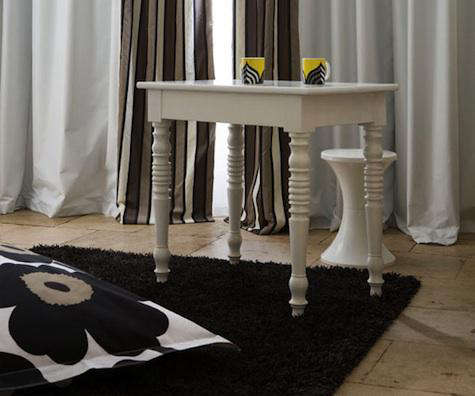
Some furniture politely enters a room. The Fatboy Marimekko Bean Bag does not. It arrives like a confetti cannon wearing a Finnish flower crown, throws itself across the floor, and announces that comfort can have a personality. This is not the shy bean bag of a basement rec room, the lumpy vinyl blob that lived beside a stack of video games and suspicious snack crumbs. This is a designer bean bag chair with pedigree: part Dutch lounge culture, part Finnish textile art, part oversized invitation to stop pretending that stiff chairs are always more sophisticated.
The charm of the Fatboy Marimekko Bean Bag comes from a delicious design contradiction. It is casual but iconic, playful but practical, soft but visually bold. Fatboy’s famous Original bean bag form gives it scale and lounge-worthy ease, while Marimekko’s graphic patterns give it the visual confidence of a gallery poster. Put one in a living room, reading nook, dorm, studio apartment, family room, or sunroom, and suddenly the space has a wink. Not a tiny wink, either. More like a 55-by-71-inch wink with polystyrene beads inside.
What Is the Fatboy Marimekko Bean Bag?
The Fatboy Marimekko Bean Bag is a special design crossover that pairs Fatboy’s oversized Original-style lounge bean bag with Marimekko’s unmistakable textile prints. Archived design listings described the piece as available in several prints, including the beloved black Unikko pattern, and priced around $329 at the time of publication. The exact selection has varied by retailer and era, but the concept remains wonderfully simple: take a modern bean bag built for serious lounging, then dress it in prints that refuse to whisper.
Fatboy’s Original bean bag is known for its generous rectangular scale, commonly listed around 55 inches wide by 71 inches long, or approximately 140 by 180 centimeters. Instead of a small round pouf, it behaves more like a flexible lounge mat, floor chair, daybed, and nap accomplice. You can sit upright, sprawl diagonally, fold it into a supportive backrest, or collapse into it after a long day of pretending your office chair has lumbar support.
The Marimekko collaboration adds the emotional punch. Marimekko, the Finnish design house founded in 1951, is famous for bold colors, expressive patterns, and a philosophy that treats everyday life as a canvas. The result is a bean bag that looks less like “extra seating” and more like “design decision made by someone who owns good coffee mugs.”
The Design Story: Finnish Lines Meet Dutch Lounging
To understand why the Fatboy Marimekko Bean Bag works, it helps to look at the two design worlds it brings together. Fatboy’s story begins with the Original bean bag, designed by Finnish interior architect Jukka Setälä. The design later grew into a Dutch lifestyle brand known for oversized comfort, durable materials, and a mischievous sense of fun. Fatboy furniture rarely looks like it is trying to impress a museum committee, which is exactly why it often does.
Marimekko brings a different kind of boldness. Its prints are not background decoration; they are the main character. The company’s patterns have long been associated with optimism, self-expression, and graphic clarity. They were made for dresses, curtains, tableware, bags, bedding, and homes where beige has been gently asked to leave the premises.
Together, Fatboy and Marimekko create a piece that balances structure and softness. Fatboy provides the physical platform: big, flexible, lounge-ready. Marimekko provides the visual spark: flowers, geometry, contrast, movement. It is a Scandinavian-inspired home decor piece with Dutch ease and Finnish attitude. Think “Saturday nap,” but make it design literate.
Why the Unikko Print Matters
No discussion of a Marimekko bean bag is complete without Unikko. Designed in 1964 by Maija Isola, Unikko is one of Marimekko’s most famous patterns. Its large poppy-like flowers are instantly recognizable: rounded, imperfect, bold, and cheerful without becoming sugary. The story behind Unikko is also too good not to repeat. Marimekko founder Armi Ratia reportedly did not want floral prints in the collection, believing flowers were too traditional. Maija Isola responded by designing flowers so modern and fearless that the “no flowers” rule became a footnote in design history. That is the kind of elegant rebellion we can support.
On a bean bag, Unikko changes scale in a delightful way. A pattern that already loves being big becomes even bolder across a lounge-sized surface. The black Unikko version, in particular, has a graphic punch that works well in modern interiors. It can sit beside white walls, pale wood, black metal, concrete floors, vintage rugs, or colorful art without looking confused. It is floral, yes, but not precious. It is more pop-art bloom than garden-party teacup.
Materials, Comfort, and Everyday Practicality
The best design objects earn their keep. The Fatboy Original-style bean bag is typically built with a durable synthetic cover and filled with EPS or polystyrene beads that shift with the body. That filling is what gives the chair its sink-in quality. Unlike a rigid chair, it does not demand one official posture approved by a committee of chiropractors. It adapts. Sit, lounge, lean, fold, nap, read, scroll, or have a small existential crisis while staring at the ceiling. The bean bag will not judge.
Many Fatboy Original listings highlight water- and dirt-repellent qualities, wipe-clean surfaces, and strong covers designed for everyday use. Some Marimekko versions have been described with PVC-coated fabric, making them moisture- and stain-resistant and easier to spot clean. That matters because a bean bag is not the kind of furniture people admire from a distance. They use it. Kids jump on it. Pets claim it. Guests mysteriously choose it even when there is a perfectly good sofa nearby. A practical surface helps keep the fantasy alive.
Best Uses Around the Home
The Fatboy Marimekko Bean Bag shines in spaces that need comfort without heavy furniture. In a small apartment, it can replace a bulky lounge chair while still offering generous seating. In a family room, it gives kids and adults a shared landing pad for movies, games, and lazy Sundays. In a home office, it can create a reading corner that says, “I am productive, but I also understand the importance of horizontal thinking.”
It also works beautifully in creative studios. Designers, writers, photographers, and artists often need flexible seating that does not interrupt the room’s energy. A patterned bean bag can function as furniture and visual inspiration. It can soften hard floors, break up boxy layouts, and add a graphic focal point without requiring a full redecorating budget.
How to Style a Fatboy Marimekko Bean Bag
Because this bean bag has presence, the styling trick is to let it speak while giving it good conversation partners. You do not need to match every object in the room to the print. In fact, please do not. A room that matches too perfectly can start to feel like it was assembled by a very anxious catalog.
1. Pair It With Neutrals
If the bean bag features Unikko or another bold Marimekko print, surrounding it with warm whites, soft grays, natural oak, rattan, linen, or black accents allows the pattern to stand out. A neutral room benefits from one joyful statement piece, and this one is basically a floor-level exclamation mark.
2. Add One Echo Color
Choose a color from the print and repeat it once or twice elsewhere. For example, a black-and-white Unikko bean bag might pair with a black floor lamp or framed print. A red floral version could echo in a small pillow, art book, or ceramic bowl. The goal is rhythm, not a hostage negotiation with the color wheel.
3. Use Texture to Balance the Graphic Pattern
Marimekko prints are visually crisp, so they look especially good with tactile materials: wool rugs, boucle throws, unfinished wood, matte ceramics, woven baskets, and linen curtains. These textures keep the room warm and human. Without them, a high-contrast print can feel a little too “design showroom where nobody has ever dropped a cracker.”
4. Give It Breathing Room
This is not a tiny accent pillow. The Fatboy Original footprint is generous, so leave space around it. Place it near a bookshelf, under a window, beside a low table, or at an angle in a corner. The angled placement is especially effective because it makes the bean bag look intentionally relaxed rather than accidentally abandoned.
Who Should Buy It?
The Fatboy Marimekko Bean Bag is ideal for anyone who wants furniture that is comfortable, flexible, and visually memorable. It is especially good for design lovers who admire Marimekko but want something more immersive than a mug or pillowcase. It also suits people who entertain casually, live in compact spaces, or want a lounge piece that can move around without rearranging the entire room.
It may not be the best choice for someone who wants formal, upright seating or a chair that visually disappears. This bean bag has opinions. It wants to be seen. It wants to host your reading habit. It wants to become the preferred seat of everyone in the household, including the cat, who will pretend not to like it and then sleep on it for six hours.
Design Analysis: Why It Still Feels Fresh
The reason this piece remains interesting is that it challenges the old hierarchy of furniture. Traditionally, “serious” design meant chairs with legs, frames, joinery, and maybe a Danish surname. Bean bags were treated as casual, temporary, or juvenile. Fatboy helped change that by enlarging and refining the bean bag into a modern lounge object. Marimekko’s prints then pushed it from functional comfort into expressive decor.
This is where the design becomes clever. The form is simple, almost primitive: a large filled rectangle. The print is sophisticated, with decades of textile history behind it. The contrast makes the piece feel relaxed but not random. It is a low-slung lounge chair with cultural memory stitched into its surface.
In interior design, pieces like this are valuable because they prevent rooms from becoming too stiff. A beautiful sofa, a clean-lined coffee table, and a tasteful rug are all wonderful. But add one oversized patterned bean bag, and suddenly the room has a pulse. It says people live here. People read here. People spill popcorn here and survive.
Care and Maintenance Tips
Because finishes can vary by model and production year, always check the care label first. In general, coated Fatboy-style bean bags are often maintained with a damp cloth, lukewarm water, and mild or neutral soap. Avoid harsh scrubbing, bleach, abrasive cleaners, and the bold confidence of someone who says, “I’m sure this chemical is fine.” It probably is not fine.
To keep the bean bag looking good, rotate it occasionally so one side does not take all the wear. Fluff and reshape it after heavy use. Keep it away from sharp corners, rough surfaces, and direct long-term sunlight if the fabric is not intended for outdoor exposure. If it begins to feel flatter over time, some Fatboy models can be refreshed with additional filling rather than replaced entirely, which is a more sustainable and budget-friendly approach.
Shopping Notes: Vintage, Resale, and Availability
The Fatboy Marimekko Bean Bag has appeared through design retailers, archived product pages, and resale platforms over the years. Because special prints can come and go, availability may be inconsistent. That scarcity is part of the appeal. Finding one can feel like discovering a rare vinyl record, except the record is large enough to nap on.
When shopping secondhand, check the print name, dimensions, fabric condition, seams, label, filling volume, odor, and cleaning history. A used designer bean bag can be a fantastic find, but condition matters. Look closely at corners and high-friction areas. Ask whether the cover has stains, fading, cracking, or repairs. If buying online, request clear photos in natural light. A blurry photo of a bean bag in a dark room is not “mysterious”; it is a red flag wearing socks.
Experience Notes: Living With a Fatboy Marimekko Bean Bag
Living with a Fatboy Marimekko Bean Bag is different from simply owning a chair. A chair tends to wait politely for instructions. A bean bag invites improvisation. The first thing you notice is the scale. It is larger than expected, especially if your mental image of a bean bag is still trapped in the 1990s. This one spreads out with confidence. In a compact room, that can be surprising at first, but once it finds the right corner, the scale becomes the whole point. It creates a destination.
The second thing you notice is how quickly people gravitate toward it. Guests may compliment the sofa, admire the bookshelves, and then immediately collapse into the bean bag as if pulled by a magnetic field made of snacks and good intentions. Children treat it like a private island. Adults pretend they are only testing it for ergonomic reasons, then remain there through an entire conversation. Pets, naturally, assume it was purchased for them. This is one of the bean bag’s great social powers: it lowers the emotional temperature of a room. People become less formal when they sit close to the floor. Conversation gets easier. Shoes come off. Someone asks for tea. Civilization improves by 12 percent.
The Marimekko print changes the experience, too. A plain bean bag is useful, but a patterned one becomes part of the room’s mood. The Unikko pattern, for example, adds a playful graphic rhythm that can make even a quiet corner feel designed. It photographs well, which matters more than many of us admit. Place it near a window with a stack of books and a small side table, and suddenly you have a reading nook that looks accidental in the most carefully planned way.
From a practical standpoint, the bean bag is easiest to live with when you treat it as flexible furniture rather than fixed furniture. Move it when you vacuum. Drag it closer to the television on movie night. Push it near the window on a rainy afternoon. Use it as a lounge chair, a floor cushion, a nap mat, or overflow seating. Its lightness is part of its charm. Unlike a heavy armchair, it does not require a personal trainer and three apologies to reposition.
The biggest lesson is to give it space. If wedged too tightly between furniture pieces, it can look messy. If allowed to breathe, it looks intentional and generous. Pair it with a low table for books or drinks, but avoid placing anything too delicate nearby. Bean bags encourage movement, and movement has never respected a fragile vase.
After a few weeks, the Fatboy Marimekko Bean Bag often becomes less of an object and more of a routine. It is where morning coffee happens before the day becomes complicated. It is where a child reads one page and then somehow builds a fort. It is where an adult plans to answer emails and instead takes a heroic nap. That is good design: not just something that looks clever, but something that quietly improves the way a room is used.
Conclusion
The Fatboy Marimekko Bean Bag succeeds because it understands that comfort and character do not need to be enemies. It combines the generous, body-friendly ease of Fatboy’s Original bean bag with the graphic joy of Marimekko textile design. The result is a modern lounge chair alternative that is casual enough for everyday life and bold enough to anchor a room.
For design lovers, it offers a rare mix: functional seating, textile history, Scandinavian-inspired color, Dutch playfulness, and enough personality to rescue a room from blandness. It is not quiet furniture. It is not invisible furniture. It is furniture that says, “Come sit down, but do it with style.” Honestly, the bean bag has a point.
Note: This article is original editorial content written for web publication and synthesized from verified product, design-history, and retailer information without copying source text.