If your home has reached that awkward stage where one junk drawer has turned into a junk franchise, welcome. You are among friends. The good news is that decluttering does not have to mean pulling everything you own into the middle of the room and dramatically questioning your relationship with a waffle maker you used once in 2019. Sometimes the fastest way to make a space feel lighter is to get rid of the obvious stuff first.
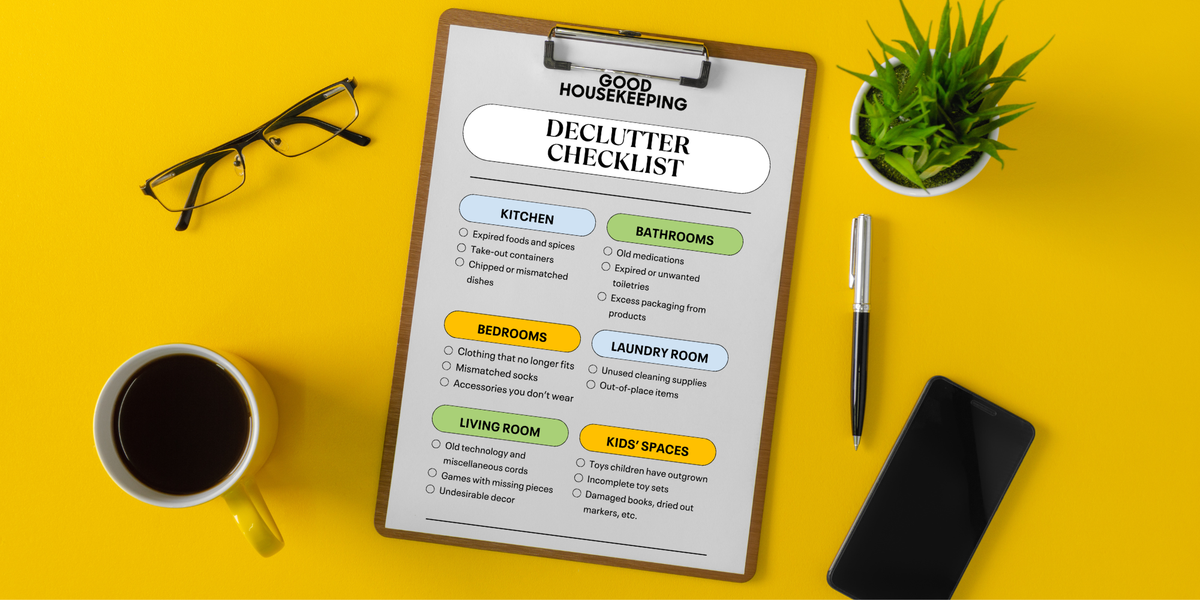
This declutter checklist is built for real life: crowded counters, mystery cords, expired sunscreen, and that one cabinet full of reusable containers that apparently reproduce at night. The goal is simple. Remove the things that are broken, expired, duplicated, outdated, or actively making your home harder to use. Some items belong in the trash, some should be recycled, some should be donated, and a few need special disposal. Either way, they do not need to keep living rent-free in your house.
If you want to declutter fast, start with the easiest wins. Decision fatigue is real, and nothing kills momentum like staring at a sentimental concert ticket from a band you barely remember. Begin with low-emotion clutter and obvious trash. Once the space starts to open up, the rest gets easier. It is the home-organization version of eating one potato chip and suddenly believing in yourself again.
The Fast Rule: Don’t Just “Toss” Everything the Same Way
Before you begin, use this simple sorting rule:
- Trash: Broken, stained, expired, dried-out, or unusable items.
- Recycle: Paper, cardboard, glass, metal, and eligible plastics, plus electronics through approved programs.
- Donate: Clean, working items you no longer use but someone else can.
- Shred: Papers with personal or financial information.
- Special disposal: Unused medication, paint, pesticides, solvents, recalled lithium-ion batteries, and other household hazardous waste.
That last category matters. Decluttering should make your home safer, not turn your garage into a chemistry experiment. So yes, let go of the old paint thinner and mystery cleaner under the sink, but do it the right way.
Declutter Checklist: What You Can Remove Right Now
1) Entryway and Paper Piles
The entryway is where clutter goes to form alliances. It starts with a flyer, then two receipts, then a grocery bag of random things you meant to deal with later. Later, of course, never arrives.
- Junk mail, old catalogs, and expired coupons
- Event flyers and school notices that are no longer relevant
- Receipts for items you cannot return and do not need for taxes or warranties
- Old newspapers and stale magazines
- Duplicate reusable shopping bags
- Takeout menus you can access online
- Owner’s manuals for appliances you no longer own or can easily find online
- Business cards from people you are never calling, and deep down, you know it
Paper clutter is sneaky because it looks temporary while behaving like a permanent resident. The trick is to keep only what requires action or legal backup. Everything else is just visual noise. If a pile contains account numbers, medical details, or personal information, shred it instead of tossing it loose in the trash.
2) Kitchen Clutter That Has Officially Overstayed Its Welcome
If the kitchen is the heart of the home, it is also the birthplace of many tiny useless things. Condiment packets, chipped mugs, lonely plastic lids, novelty gadgets, and spices so old they could qualify for historical preservation all tend to gather here.
- Expired pantry goods
- Ancient spices with no aroma left
- Duplicate tools you never reach for
- Mismatched storage containers without matching lids
- Cracked or chipped dishes and glasses
- Warped cutting boards
- Worn dish towels and stained table linens
- Unused water bottles and extra coffee mugs
- Single-purpose gadgets you never use
- Old takeout sauce packets and plastic cutlery mountains
A great declutter checklist always includes the kitchen because clutter here steals usable space fast. Every duplicate can opener, dull peeler, and novelty egg slicer makes it harder to find the tools you actually need. Keep the best version, donate the duplicates, and throw away anything damaged.
Be ruthless with food, too. Expired dry goods, stale snacks, and open packages of “maybe someday quinoa” are not pantry staples. They are pantry squatters. And while spices do not always become unsafe the second they get old, they absolutely become flavor wallpaper. If cinnamon smells like dust, it is time for retirement.
3) Bathroom Cabinet Chaos
The bathroom may be small, but it is a heavyweight champion in clutter generation. This is where half-used lotions, expired medications, hotel freebies, and cosmetics from three hair colors ago gather to form a sticky little kingdom.
- Expired or unused medications
- Old makeup you no longer use
- Mascara and liquid eye products that are well past their prime
- Expired sunscreen
- Dried-out nail polish and old grooming products
- Leaking bottles and almost-empty products you are realistically not finishing
- Stretched hair ties, dull razors, and worn loofahs
- Hotel toiletries you have been “saving” since another presidential administration
This is also the room where safety matters most. Unused or expired medicine should leave the cabinet, but not every bottle should go straight into the household trash. Use a drug take-back option when available. For makeup and skincare, expiration matters more than many people think, especially around the eyes and on the skin. If a product smells odd, separates strangely, or has clearly passed its useful life, let it go.
Sunscreen deserves special mention. If it is expired, unlabeled, or has been baking in a hot car for half the summer, do not trust it with your face, shoulders, or vacation photos. Replace it and move on like the organized adult you were always meant to become.
4) Bedroom and Closet Clutter
Closets are where optimism goes to hang. The jeans that never fit quite right, the shoes that bite back, the cardigan you keep because it was expensive even though it makes you look like a substitute librarian in a made-for-TV mystery. You can let these go.
- Socks without mates
- Underwear and bras that are stretched, uncomfortable, or worn out
- Stained, torn, or pilled clothing beyond repair
- Shoes that hurt, wobble, or never leave the shelf
- Free event T-shirts you do not wear
- Old Halloween costumes and random dress-up pieces
- Accessories with missing parts or broken clasps
- Duplicate basics you do not actually need multiples of
A good home decluttering session is not about creating a magazine-perfect capsule wardrobe unless that is your thing. It is about removing friction. When half your closet is filled with clothes you do not wear, the getting-dressed process becomes needlessly chaotic. Keep what fits, feels good, and matches your real life. Release the rest.
And yes, “but it was expensive” is not a good reason to keep something that makes you miserable every time you put it on. That money is already gone. Do not let it continue charging emotional interest.
5) Living Room and Family Space
This is the zone where clutter tends to disguise itself as “just stuff.” But too many little things can make the whole room feel crowded, even when nothing giant is technically wrong.
- Broken decor and dusty filler items you do not love
- Dead candles and dried floral arrangements
- Old magazines, puzzle boxes with missing pieces, and damaged board games
- Toys with broken parts or outgrown appeal
- Throw pillows that are flat, stained, or too many in number for any reasonable couch
- DVD cases, remote controls, and accessories for devices you no longer own
- Random cords with no known purpose
Decluttering here has a big visual payoff. The living room is where people rest, gather, and pretend they are definitely going to fold laundry during the next commercial break. Clearing surfaces, shelves, and floor clutter makes the entire home feel calmer almost immediately.
6) Home Office and Desk Drawers
Desk clutter is special because it is both physical and psychological. A drawer full of dead pens and old charging cables somehow whispers, “You are behind on everything,” even when you are not.
- Dried-out pens and markers
- Notebooks with only two pages used that you will never return to
- Stacks of sticky notes with outdated reminders
- Old receipts and random paper scraps
- Cables and chargers for devices you no longer have
- Defunct flash drives and outdated tech accessories
- Instruction booklets you can easily find online
- Office supplies that no longer work
If you are decluttering for productivity, this area deserves attention. The best desk setup is not the one with the most containers. It is the one where every item has a clear purpose. If a cable has been sitting there for three years and nobody in the household knows what it belongs to, that cord has entered witness protection. It can go.
7) Laundry Room, Under-the-Sink Spaces, Garage, and Basement
This is where clutter becomes more than annoying. It can become unsafe. These zones collect half-used cleaners, mystery products, dead batteries, rusted tools, and leftovers from projects no one wants to finish.
- Empty cleaning bottles and products you hate using
- Leaking containers and unlabeled mystery liquids
- Dried paint, solvents, pesticides, and harsh chemicals you no longer need
- Dead batteries and damaged rechargeable batteries
- Obsolete electronics, cables, routers, and accessories
- Rusty tools beyond repair
- Moldy storage bins or fabric items
- Broken seasonal decor and damaged outdoor gear
- Cardboard boxes saved “just in case” that are now just in the way
This is the moment for an important reality check: not everything in this area belongs in the trash. Paint, pesticides, solvents, motor oil, some batteries, and certain cleaning chemicals often require special disposal. Electronics should usually be recycled or donated, not thrown into the regular trash. And if you have a recalled or damaged lithium-ion battery, do not toss it in the garbage or curbside recycling. That is not decluttering. That is flirting with a fire hazard.
What You Should Not Toss Blindly
Even with a bold title like “everything you can toss immediately,” a smart declutter checklist needs a little restraint. Pause before discarding:
- Tax records and legal paperwork you may still need
- Vital documents like birth certificates, passports, titles, and wills
- Family photos and genuinely meaningful keepsakes
- Working items in good condition that could be donated
- Valuable vintage or collectible pieces you have not researched
- Anything hazardous, recalled, or electronic that requires special handling
The best decluttering tips are not about throwing out everything in sight. They are about removing what no longer supports your life. Fast decluttering works when you pair speed with common sense.
A Simple Way to Use This Checklist in One Afternoon
If you want maximum progress with minimal drama, try this method:
- Set a timer for 20 minutes per area.
- Bring five bags or bins: trash, recycle, donate, shred, special disposal.
- Start with the easiest room, not the most emotional one.
- Touch each item once and decide immediately.
- Remove the bags from your home the same day.
That last step matters. A donation pile that lives in your hallway for two months is not a solution. It is just a more organized form of clutter.
What Decluttering Actually Feels Like in Real Life
I have seen the same pattern play out again and again with home decluttering. At first, people think the problem is space. They want bigger closets, deeper drawers, more shelves, prettier bins, maybe a magical pantry that organizes itself when the lights go out. But once they begin using a real declutter checklist, they discover the issue usually is not a storage shortage. It is delayed decisions.
The first 15 minutes are almost always funny. You find four tape measures, seven expired coupons, a charging cable from a long-dead phone, and enough reusable tote bags to open a small farmers market. There is usually one object that becomes the mascot of the mess: a broken mug no one likes, a single mystery key, or a kitchen gadget that was supposed to make zucchini noodles and instead made resentment. Once that item gets tossed, the whole mood changes. Suddenly the room feels less like a problem and more like a project you can actually finish.
Then comes the middle stage, which I privately call the “wow, I really do keep weird stuff” phase. This is where people start pulling expired sunscreen from beach bags, dried markers from desk drawers, and ancient spices from the back of a cabinet. It is also where the momentum builds. Every quick decision gives you a little hit of relief. Every cleared shelf makes the next shelf easier. You stop negotiating with junk and start noticing patterns. You realize you do not need six black cardigans, 14 plastic food containers with no lids, or a drawer devoted entirely to takeout sauce packets from restaurants you no longer even order from.
The most surprising part is how emotional the practical clutter can be. Not because every object is sentimental, but because clutter quietly drains attention. A pile of paper on the counter is not just a pile of paper. It is a tiny unfinished task staring at you while you make coffee. A crowded bathroom drawer is not just inconvenient. It is one more decision you have to make when you are already tired. When those things leave, people often say the same thing: the house feels easier. Not bigger, not fancier, not perfect. Just easier.
And that is really the magic of getting rid of items you can toss immediately. You are not trying to become a minimalist influencer with three forks and a beige sofa. You are trying to make daily life smoother. You want to open a cabinet and find what you need. You want to shut a drawer without using your hip as a battering ram. You want your closet to contain clothes you actually wear, not a museum of questionable purchases and guilt.
The experience also teaches a useful lesson: clutter is rarely one dramatic event. It is usually a thousand tiny delays. One manual you keep just in case. One broken charger you might identify later. One nearly empty bottle of lotion you swear you will finish. Decluttering reverses that process with a thousand tiny decisions in the other direction. Not someday. Now. Recycle it, donate it, shred it, toss it, or schedule proper disposal. The reward is immediate: more space, less friction, and a home that feels like it belongs to your current life instead of every version of you from the past ten years.
Final Thoughts
The fastest way to declutter your home is not to start with your hardest decisions. Start with the obvious. Trash the broken stuff. Recycle the dead paper. Donate the duplicates. Safely dispose of the hazardous items. Once the easy clutter is gone, your home feels lighter, cleaner, and much easier to maintain. That is the beauty of a smart declutter checklist: it turns a giant overwhelming job into a series of quick wins.
So grab a bag, pick a room, and start with the low-hanging clutter. Your future self would like to stop digging through 11 random cords to find a charger that actually works.