Late August has its own soundtrack. It is the hum of an open window, the scrape of a wooden chair across the floor, the clink of ice in a glass, and the faint internal alarm reminding you that summer is slipping away. “Current Obsessions: August Song” captures that in-between mood through design, craft, food, creative workspaces, and objects that make everyday life feel a little more intentional.
The title originated with a Remodelista roundup published on August 16, 2014. Rather than focusing on an actual song, the feature collected ideas that were on the editors’ radar: modular table legs, vintage Brooklyn photography, a major design trade show, beautifully organized chefs, minimalist homes, independent studios, and the work of architect-turned-woodworker Silvia Song. The name reads like both a seasonal phrase and a playful nod to Song herself.
A decade later, the roundup still feels surprisingly current. Its central themesflexible furniture, handmade objects, thoughtful organization, adaptable workspaces, and less disposable consumptionhave only become more relevant. Apparently, good design ages better than a fruit bowl full of avocados.
What Is the “August Song” Design Mood?
The August Song aesthetic is not a strict decorating style. You will not find an official color card, mandatory throw pillow, or committee-approved scented candle. It is better understood as a seasonal attitude: relaxed but not careless, minimal but not empty, and practical without looking like an office supply catalog.
August interiors often carry evidence of summer living. A linen towel hangs slightly crooked. Tomatoes occupy half the kitchen counter. Books migrate from shelves to chairs. Sand appears in places that have never been within 50 miles of a beach. The goal is not perfection. It is creating a home that supports real activity while preserving a sense of calm.
A Palette Borrowed From the End of Summer
The natural August palette combines sun-faded neutrals with deeper, earthier accents. Think chalky white, warm oak, flax linen, terracotta, dusty blue, indigo, olive green, and the muted gray of an afternoon thunderstorm. These colors work because they feel grounded rather than trend-driven.
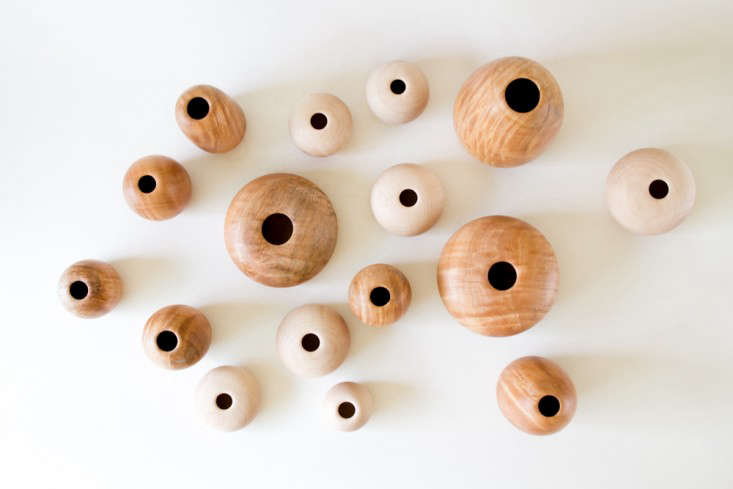
Indigo is especially appropriate. Silvia Song became known for simple wooden vessels, including indigo-dyed bowls that emphasized grain, shape, and hand-finished surfaces. Originally trained as an architect, she moved toward woodturning to explore form through direct, tactile work. Her objects demonstrate that a functional bowl can also carry the presence of sculpture.
Materials That Become Better With Use
Wood, ceramic, steel, linen, jute, paper, and aged leather suit the August Song mood because they record daily life gracefully. A small mark on a wooden table can become part of its story. A wrinkle in linen looks relaxed. A handmade bowl may have tiny variations that prove it was not stamped out by a machine having a particularly uninspired Tuesday.
This appreciation for material honesty connects with the broader revival of American craft. Contemporary makers often combine traditional skills with modern forms, producing objects that are useful, personal, and designed to last. Craft is not merely nostalgia for a slower era; it can also be a practical response to mass production and throwaway consumption.
Flexible Furniture Is the Quiet Hero
One of the original roundup’s standout objects was the Floyd Leg, a set of clamp-style steel legs designed to transform a flat surface into a table. Floyd began in Detroit in 2013 when Kyle Hoff and Alex O’Dell launched the product through Kickstarter. The idea was refreshingly direct: instead of buying an entire table, users could attach reusable legs to a suitable board, slab, or other flat material.
The concept challenged disposable furniture by separating the supporting structure from the tabletop. A person could move apartments, replace a damaged surface, or change the table’s size without discarding the complete object. That adaptability helped turn a seemingly simple hardware component into the foundation of a larger furniture company.
Why Modular Design Still Matters
Modern homes frequently need one room to perform several jobs. A dining table becomes a desk by morning, a homework station by afternoon, and a dinner table after someone removes the laptop and the mysterious collection of charging cables. Flexible furniture makes these transitions easier.
Modular pieces can also adapt when residents move or their needs change. A compact shelving system may expand. A sectional can be rearranged. A bench can provide dining seats, casual lounging, and storage. Designers continue to recommend multifunctional and modular furniture because it helps smaller spaces work efficiently without surrendering style.
The most useful lesson is not that everyone needs a particular product. It is that furniture should earn its floor space. Before buying a new piece, ask whether it can serve more than one purpose, move easily, be repaired, or continue working in a future home.
The Rise of the Independent Maker
The original August Song roundup appeared during a period when independent designers, woodworkers, ceramicists, illustrators, and small lifestyle brands were gaining wider visibility. Online shops and crowdfunding platforms helped makers reach customers directly, while trade events gave retailers a chance to discover emerging work in person.
NY NOW, mentioned in the original article, remains a major New York wholesale market for gift, home, and lifestyle brands. The event brings makers, designers, established companies, and buyers together at the Javits Center. Its scale illustrates the commercial side of craft: beautiful objects still need pricing, packaging, distribution, storytelling, and someone willing to explain why a hand-thrown cup costs more than the mug mysteriously included with your office printer.
Why Handmade Objects Feel Different
A handmade object often reveals the sequence of its creation. You can see where a tool shaped the wood, where glaze pooled on ceramic, or where fibers changed direction in woven cloth. These details create visual interest without requiring decorative excess.
They also encourage slower purchasing. Instead of filling a room immediately, homeowners can collect useful objects over time. One memorable bowl, lamp, stool, or textile may contribute more character than a cart full of accessories purchased during a late-night bout of “free shipping” optimism.
Minimalism That Still Feels Human
Amanda Jane Jones, the founding designer and art director associated with Kinfolk, was another creative figure highlighted in the August roundup. Her widely photographed homes have reflected a restrained visual language built around simple furniture, graphic artwork, natural light, and space for family life. Her approach demonstrates that minimalism does not need to feel cold or prohibit children, books, toys, or evidence that breakfast happened.
Human minimalism is not about owning the fewest possible objects. It is about reducing visual competition so meaningful things can be noticed. A blank section of wall gives artwork room to breathe. A mostly clear table makes a ceramic vessel more visible. Closed storage handles the less poetic necessities, such as spare batteries, extension cords, and manuals for appliances no one remembers purchasing.
Editing Rather Than Emptying
To create this feeling, begin by editing one surface instead of attacking the entire house with the intensity of a reality television makeover. Remove everything from a console, shelf, or kitchen counter. Return only the objects that are useful, beautiful, or emotionally significant.
Then vary height, texture, and shape. A lamp, a small stack of books, and one handmade object may be enough. Leaving empty space is not a decorating failure. Empty space is performing a job: it creates contrast and allows the eye to rest.
Creative Studios Should Encourage Work
The August Song roundup also admired Heidi Swanson’s Quitokeeto studio in San Francisco. Swanson described a work-in-progress space near Chinatown where shelves had finally been installed, although dust and an antiquated bathroom still required attention. The studio was not presented as a flawless showroom. It was a living workspace gradually becoming functional.
That distinction matters. Productive creative spaces are rarely spotless all day. They provide accessible tools, clear work surfaces, useful storage, comfortable light, and enough order to begin without spending 40 minutes searching for scissors.
Create a Studio Corner Anywhere
A dedicated room is helpful but unnecessary. A studio corner can occupy part of a bedroom, dining room, hallway, or kitchen. The basic ingredients are simple:
- A stable work surface with enough room for the activity.
- Task lighting that reduces shadows and eye strain.
- Open storage for frequently used tools.
- Closed storage for supplies that create visual clutter.
- A tray or container for unfinished work.
The unfinished-work container is especially valuable. It allows a project to pause without spreading across every available surface like an ambitious but poorly managed empire.
Organize the Home Like a Professional Kitchen
One of the original roundup’s most practical references concerned the organization habits of chefs. Professional kitchens rely on mise en place, commonly translated as putting everything in its place. Ingredients, equipment, timing, and workstations are prepared before service so cooks can move efficiently when orders arrive.
The system includes more than arranging tiny bowls for an attractive cooking video. Chefs plan their movements, clean as they work, label ingredients, return tools to consistent locations, and prepare components before the busiest period begins. These habits reduce wasted motion and prevent small problems from multiplying under pressure.
Use Mise en Place Beyond Cooking
The same principle can improve household routines. Place keys in one location. Store cleaning supplies near the rooms where they are used. Prepare tomorrow’s bag before bed. Keep outgoing packages beside the door instead of allowing them to tour the house for three weeks.
Good organization should make desirable behavior easier. If making coffee requires moving six appliances, finding filters in another room, and negotiating with a cabinet full of plastic containers, the system needs revision. Arrange objects according to actual routines, not an imaginary version of yourself who alphabetizes spices for recreation.
August Nostalgia and the Beauty of Ordinary Life
Vintage photographs of Brooklyn in the summer of 1974 were another item on the original editors’ radar. Photographer Danny Lyon’s images captured residents, streets, children, storefronts, cars, and the physical texture of the city during a hot summer. Their appeal comes partly from history, but also from their attention to ordinary life.
This kind of observation belongs naturally within the August Song mood. Late summer encourages noticing details that seemed ordinary in June: the angle of evening light, towels drying outdoors, neighborhood basketball games, half-empty market stands, or the sound of a screen door closing.
A home can preserve these small memories without becoming overly themed. Display a few printed photographs, place vacation shells in a simple dish, frame a child’s drawing, or keep a seasonal notebook. The goal is not to build a shrine to August. It is to recognize that everyday experiences often become meaningful only after they are gone.
How to Bring the August Song Look Home
-
Choose One Adaptable Piece
Introduce a table, stool, bench, cart, or shelf that can perform multiple roles. Test its usefulness before adding more furniture.
-
Add One Handmade Object
Select something functional, such as a wooden bowl, ceramic cup, woven basket, or linen towel. Use it regularly instead of treating it like a museum artifact.
-
Clear a Working Surface
Give one table or counter a defined purpose. Remove unrelated items and store the tools required for that activity nearby.
-
Introduce an Indigo or Earth-Toned Accent
A textile, piece of art, painted stool, or glazed vessel can establish a late-summer palette without requiring a complete room makeover.
-
Practice Household Mise en Place
Prepare the items needed for one recurring routine. Morning coffee, school departure, dinner preparation, and laundry are excellent candidates.
-
Document the Season
Photograph ordinary scenes rather than waiting for a grand event. A bowl of peaches in afternoon light may eventually carry more emotional weight than a carefully staged vacation pose.
A 500-Word August Song Experience
To experience the August Song philosophy rather than merely admire it, try a seven-day late-summer reset. The project requires no major renovation, expensive shopping trip, or dramatic announcement to your household. It begins on a quiet morning with one cleared table.
On the first day, remove everything from that surface and clean it thoroughly. The table may be a desk, kitchen counter, console, or dining table currently supporting mail, sunglasses, cables, and one object that no family member will admit belongs to them. Return only what the table needs for its primary purpose. The immediate sense of relief can be surprisingly strong. A usable surface feels like finding an extra room.
On the second day, create a small mise en place station for a daily ritual. For coffee, gather the beans, filters, scoop, cups, and machine within easy reach. For breakfast, group bowls, cereal, napkins, and frequently used utensils. The routine becomes faster, but the more noticeable change is mental. You stop beginning the day with a scavenger hunt.
Day three is devoted to one flexible object. Instead of buying something new, look for an underused stool, tray, basket, or side table. Move it to a place where it can solve a real problem. A stool might become a plant stand, bedside table, or seat for removing shoes. A tray can convert an ottoman into a temporary table. The experiment demonstrates that adaptability often comes from imagination rather than specialized furniture.
On day four, visit a local craft market, independent shop, gallery, or studio. Do not make purchasing the primary goal. Study materials and construction. Notice the weight of a handmade cup, the irregular edge of a bowl, or the joinery in a wooden stool. Speaking with a maker can change the way you evaluate objects because the finished product is connected to tools, time, mistakes, and practiced skill.
Day five introduces seasonal observation. Take a walk near sunset without treating it as exercise that needs to be measured, optimized, or turned into a competitive event. Photograph five ordinary details: a garden fence, a fading sign, light on brick, bicycles near a porch, or fruit displayed outside a market. The exercise trains attention, which is one of the least expensive ways to make life feel richer.
On day six, prepare a simple meal using kitchen mise en place. Read the recipe completely, gather the equipment, chop ingredients, and clean as you work. The process feels calmer because decisions happen before the stove becomes hot. Dinner may not emerge with restaurant-level drama, but at least the garlic will not burn while you search for the can opener.
On the final day, place one seasonal arrangement on the cleared table. Use what is available: branches, garden herbs, late-summer flowers, tomatoes, peaches, shells, a wooden bowl, or a small stack of photographs. Keep the composition loose and functional. Then sit nearby for a few minutes without adjusting it.
By the end of the week, the home may not look radically different. That is the point. August Song is not about manufacturing a new identity through décor. It is about making small choices that support attention, flexibility, craft, and ease. The reward is a home that feels more responsive to the way life is actually being lived.
Conclusion
“Current Obsessions: August Song” remains compelling because it connects design with behavior. Modular furniture encourages adaptability. Handmade objects reward attention. Organized kitchens reduce stress. Creative studios make work easier to begin. Seasonal photographs remind us that ordinary days deserve to be noticed.
The larger lesson is simple: a thoughtful home does not require constant renovation or endless consumption. It develops through editing, using, repairing, rearranging, and collecting slowly. August may be temporary, but the best parts of its songwarm materials, open windows, useful objects, and unhurried observationcan continue playing long after summer ends.