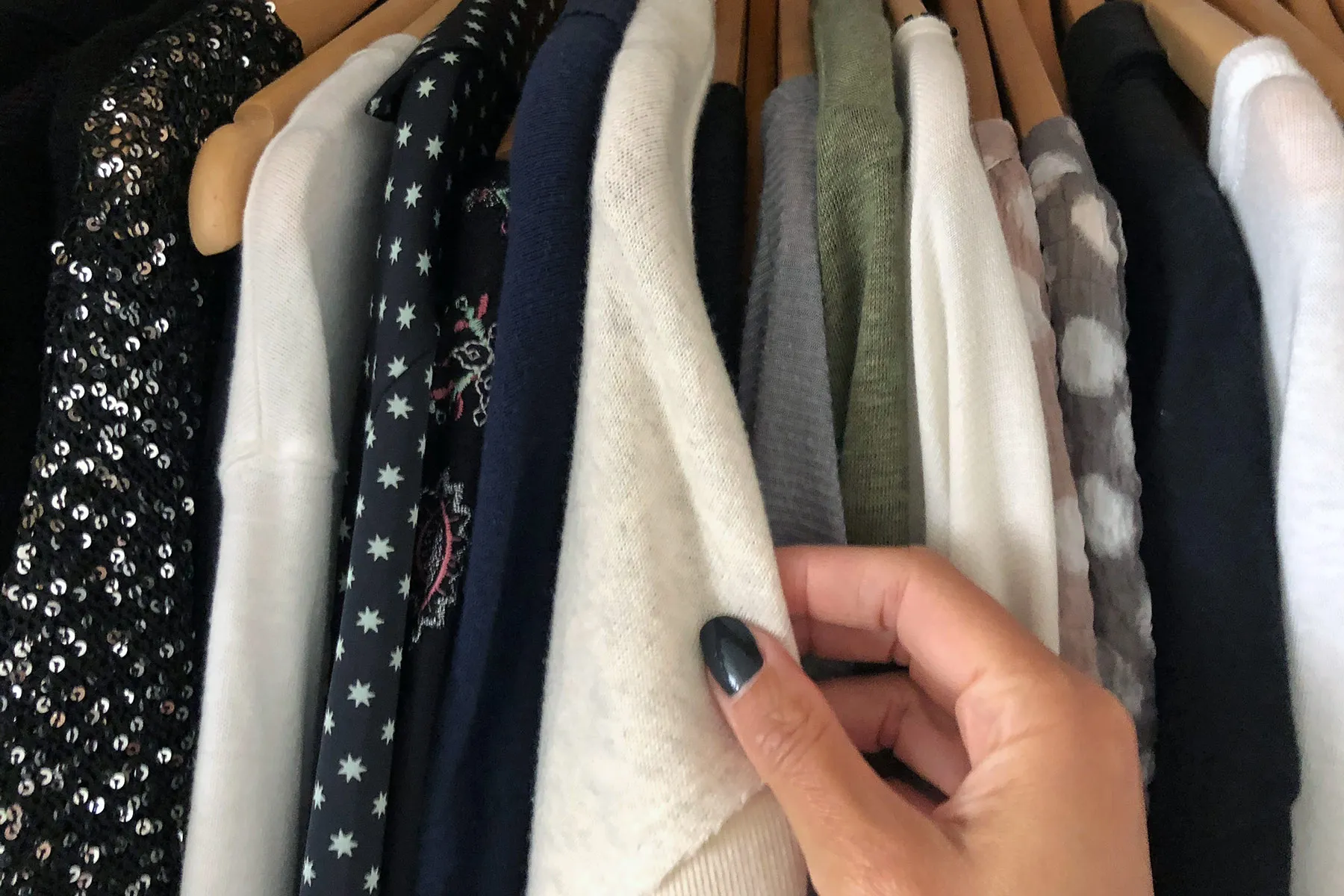
If you have CSU (chronic spontaneous urticaria), your closet can start to feel like a secret enemy. One shirt is soft and angelic. Another looks harmless but somehow turns your skin into a protest sign. If that sounds familiar, welcome. You are not imagining it. With CSU, certain fabrics, fits, temperatures, and even purse straps can help stir up itching, rubbing, and flare-ups.
The good news is that getting dressed does not have to feel like preparing for battle. While clothing will not “cure” chronic hives, the right choices can reduce friction, pressure, overheating, and irritation. In other words, your wardrobe may not be medicine, but it can absolutely stop acting like the villain.
This guide breaks down what to wear, what to avoid, and how to build a more CSU-friendly wardrobe without looking like you gave up on style. Spoiler: comfort and decent taste can coexist. Miracles do happen.
What Is CSU, Exactly?
Chronic spontaneous urticaria is a form of chronic hives that causes itchy welts, swelling, or both for six weeks or longer. “Spontaneous” means the hives can show up without a clear, consistent cause. That is part of what makes CSU so frustrating. You can do the exact same thing on Monday and Tuesday, and only Tuesday decides to be dramatic.
Some people also have angioedema, which is swelling deeper under the skin, often around the lips, eyelids, hands, or feet. And while CSU is not usually caused by a classic food allergy, many people still notice that certain conditions make flare-ups worse. These can include heat, sweating, pressure, sunlight, stress, and rough or tight clothing.
That is why the “what to wear” question matters so much. The wrong outfit can add pressure, rubbing, heat, and trapped sweat to already sensitive skin. The right outfit can help you get through the day with less itching, fewer distractions, and a better chance of forgetting about your skin for a few blessed hours.
Why Clothing Matters So Much With CSU
For people without chronic hives, a waistband is just a waistband. For someone with CSU, it can be a tiny, persistent instigator. Tight sleeves, scratchy collars, stiff seams, bras with digging straps, socks with aggressive elastic, and leggings that behave like shrink-wrap can all create friction or pressure.
And then there is heat. Many people with chronic hives notice that being too warm makes itching worse. Add synthetic fabrics that trap heat, a humid day, a crowded commute, or a workout class that feels like a sauna with branding, and your skin may decide it has had enough.
In short, clothing influences four common CSU troublemakers:
- Pressure from tight clothes, straps, or waistbands
- Friction from rough fabrics and seams
- Heat from heavy layers or non-breathable textiles
- Sweat and irritation from trapped moisture and fragranced laundry residue
What to Wear With CSU
1. Loose-fitting clothes that do not cling, pinch, or squeeze
If you remember one rule, make it this one: looser is usually kinder. You do not need to dress like you borrowed curtains from a cottagecore aunt, but clothing that skims rather than compresses the skin is often better tolerated.
Think easy-fit T-shirts, relaxed button-downs, soft joggers, wide-leg pants, loose dresses, breathable shorts, and sleepwear that does not leave an imprint worthy of forensic documentation. If a piece of clothing creates lines, pressure marks, or constant rubbing, it may not be your skin’s best friend.
2. Soft, smooth, breathable fabrics
For many people with CSU, cotton is the safest starting point. It is breathable, soft, and less likely to feel prickly or trap heat. Lightweight cotton, cotton blends with a soft finish, and other smooth natural-feeling fabrics often work well.
Silky or smooth textures may also feel better than coarse ones. The goal is to reduce rubbing and keep the skin cool. Fabrics that feel fine in the store but get scratchy after an hour of wear usually deserve a quiet retirement.
3. Lightweight layers
Temperature swings are a classic nuisance with CSU. That is why lightweight layering can be smarter than one bulky piece. A soft tee under a light cardigan or breathable overshirt lets you adjust before overheating starts a flare.
Layers are especially helpful for offices, classrooms, travel, and restaurants where indoor temperatures are controlled by someone who appears to be either a polar bear or a volcano.
4. Tag-free or low-irritation basics
Small details matter. Tags, exposed seams, scratchy lace, stiff waistbands, rough bra closures, and decorative trims can become surprisingly annoying when your skin is reactive. Many people with chronic hives do better with tagless underwear, seamless basics, soft socks, and simple undergarments.
Minimalist basics may not sound glamorous, but neither is scratching your shoulder because a shirt label is acting like a tiny sandpaper bookmark.
5. Breathable shoes and non-binding socks
If your CSU affects your feet or lower legs, tight shoes and hard sock elastic can add pressure and rubbing. Choose breathable shoes, cushioned socks that do not dig in, and enough room for your feet to stay comfortable. A shoe should not feel like a test of character.
6. Sun-protective clothing when sunlight is a trigger
Some people notice that sun exposure makes their hives worse. If that sounds like you, look for lightweight long sleeves, wide-brim hats, and UPF clothing when you will be outdoors. Pair that with sunscreen if your skin tolerates it well. Sun protection is not just a beach thing; it is a comfort strategy.
7. Fragrance-free laundry care
The clothing itself matters, but so does what is left on it. Detergents, fabric softeners, scent boosters, and dryer sheets can irritate already sensitive skin. Wash your clothes with fragrance-free, dye-free detergent, use an extra rinse if needed, and skip the heavily perfumed extras. Your hoodie does not need to smell like “mountain waterfall lavender thunder” to be clean.
What to Avoid With CSU
1. Tight waistbands, straps, and compression-style fits
Pressure is a common issue for people with hives. Belts, tight bras, snug sports bras, skinny waistbands, compression leggings, shapewear, and heavy bag straps can all irritate the skin. Even if they look great for photos, your skin may vote no within minutes.
2. Scratchy or rough fabrics
Wool is a frequent offender, especially when worn directly against the skin. Rough knits, stiff denim, itchy sweaters, and textured materials can also become irritating. If a fabric feels “a little uncomfortable” in the dressing room, translate that to “absolutely not after lunch.”
3. Heat-trapping fabrics and overdressing
Heavy fabrics, thick layers, and outfits that trap sweat can make itching worse. Some people also react badly to certain manufactured fabrics, especially when those fabrics create heat and friction. If you tend to flare when warm, avoid outfits that turn your body into a portable steam room.
4. Fragranced products on or around clothing
Perfumed detergent, dryer sheets, scented body sprays, and heavily fragranced lotions can add another layer of irritation. This does not mean you must live a joyless scent-free life forever. It just means that when your skin is flaring, subtle beats suspiciously tropical every time.
5. Outfit choices that ignore your personal triggers
Some people flare with sun. Some with sweat. Some with friction from a backpack. Some after hot showers or intense exercise. CSU is annoyingly individual. So if you know your skin hates a certain fabric, fit, or routine, believe it. Do not let a sale convince you to buy a problem.
The Best Everyday Outfit Formula for CSU
If you want a practical formula, here it is:
- Soft cotton or smooth breathable top
- Relaxed pants, skirt, or shorts with a forgiving waistband
- Layer you can remove easily
- Supportive, breathable shoes
- Non-irritating socks and underwear
- Minimal rubbing from bags, straps, and accessories
For workouts, choose gear that feels cool and non-restrictive. For sleep, prioritize loose pajamas and breathable bedding. For work, build around polished basics in soft fabrics instead of stiff, structured pieces that look like they were designed by a committee that hates skin.
What Else to Avoid Beyond Clothing
Because CSU is not only about clothes, it helps to watch for other common aggravators too. Many people notice flares with heat, hot showers, intense sweating, stress, sunlight, NSAID pain relievers like ibuprofen, and sometimes alcohol. That does not mean every person with CSU must avoid all of these forever. It means patterns matter.
Keep a symptom diary if your hives seem unpredictable. Note what you wore, the weather, stress level, exercise, food, medications, and whether you were carrying anything heavy on your shoulder or waist. Over time, your skin may reveal patterns your memory politely forgot.
When Clothing Changes Are Not Enough
A better wardrobe can reduce irritation, but CSU often needs medical care too. If your hives keep coming back for more than six weeks, it is a good idea to see a dermatologist or allergist. Treatment commonly starts with non-drowsy, second-generation antihistamines. If symptoms continue, your clinician may adjust the dose or discuss additional treatments, including biologic options for stubborn cases.
Seek urgent medical help right away if hives come with trouble breathing, throat swelling, fainting, or severe facial swelling. That is not the moment to crowdsource advice from your group chat.
Quick Closet Checklist for CSU
Wear More Often
- Loose cotton tops
- Relaxed waistbands
- Smooth, breathable fabrics
- Light layers
- Soft underwear and socks
- UPF clothing if sun is a trigger
- Fragrance-free washed clothes
Avoid More Often
- Tight leggings or shapewear
- Wool and scratchy knits
- Heavy, heat-trapping outfits
- Stiff seams and irritating tags
- Belts and bag straps that press hard into skin
- Scented detergents and dryer sheets
- Anything you already know makes you flare
Final Thoughts
Living with CSU can make everyday decisions weirdly strategic. You are not just choosing clothes; you are negotiating with your skin. But small changes matter. Looser fits, softer fabrics, lighter layers, and fewer irritating products can make a real difference in comfort and confidence.
The best wardrobe for chronic spontaneous urticaria is not about perfection. It is about patterns. Learn what your skin tolerates, reduce friction and heat, and give yourself permission to pick comfort without apology. Fashion is nice. Not itching through a staff meeting is nicer.
Experiences People Commonly Have With CSU, Clothing, and Daily Life
People living with CSU often describe a very specific kind of frustration: on the outside, getting dressed looks normal, but on the inside, it can feel like a strategy game. A person may start the day in a perfectly good mood, pull on a fitted top, and then spend the next two hours wondering why their shoulder straps suddenly feel like they are made of barbed opinions. What makes CSU exhausting is that it is not always dramatic. Sometimes it is a low-grade itch that chips away at concentration. Sometimes it is a waistband that becomes unbearable halfway through lunch.
Many people say they began noticing patterns only after repeated trial and error. One common experience is realizing that an outfit that looks polished for work may not be practical for a full day. A crisp blouse might seem fine while standing in front of the mirror, then become irritating during a long commute, a warm office afternoon, or a stressful meeting. Another person may discover that weekend clothes are actually better for symptom control than formalwear, simply because soft fabrics and relaxed fits create less pressure and heat.
Exercise is another area people talk about often. Someone may love being active but find that heat, sweat, tight waistbands, or compressive sports gear seem to set off flares. Over time, they may shift toward looser workout clothes, cooler environments, shorter sessions, or workouts that allow easier temperature control. That change can feel surprisingly emotional. It is not just about clothing. It is about adapting routines without feeling like CSU is running the entire show.
Sleep can also become part of the clothing story. Many people report that nighttime is when they notice irritation most. Pajamas that once seemed cute may suddenly feel too warm or too clingy. Soft sleepwear, lighter blankets, and breathable bedding often become less of a preference and more of a peace treaty with the skin.
Then there is the social side. Some people feel self-conscious when hives appear on visible areas like the neck, arms, or legs. Others get tired of answering questions or hearing well-meaning but unhelpful suggestions. That is why practical clothing changes can do more than reduce itching. They can restore a sense of control. When people find fabrics and outfit formulas that reliably feel better, they often report feeling calmer, more confident, and less preoccupied throughout the day.
In the end, the lived experience of CSU is rarely about one miracle shirt or one forbidden sweater. It is more about learning your patterns, respecting your limits, and building a routine that makes your skin less reactive and your life less interrupted. That kind of progress may not sound glamorous, but ask anyone who has made it through a whole day without itching through dinner, and they will tell you it feels pretty close to luxury.