If you have ever stared at a plain cake, donut, loaf, or pan of brownies and thought, “You know what this needs? A dramatic entrance,” then a chocolate powdered sugar glaze recipe is your new best friend. It is quick, glossy, deeply chocolatey, and far less fussy than a full buttercream situation. No stand mixer. No culinary degree. No emotional support spatula required.
This kind of glaze sits in the sweet spot between frosting and sauce. It is richer than a basic vanilla drizzle, lighter than a ganache, and easier than anything involving the phrase “double boiler” unless you enjoy making dessert feel like a science fair. Best of all, it uses ingredients many home bakers already have on hand: powdered sugar, cocoa powder, a little liquid, and a few flavor boosters that make everything taste more polished.
In this guide, you will learn how to make an easy chocolate glaze with powdered sugar, how to adjust the consistency for different desserts, which ingredients matter most, what mistakes to avoid, and how to make the glaze taste like it came from a bakery instead of a rushed Tuesday evening. Spoiler: warm liquid, sifted sugar, and a tiny pinch of salt do a lot of heavy lifting.
Why This Chocolate Glaze Works So Well
A classic chocolate powdered sugar glaze is popular because it is simple and flexible. Powdered sugar dissolves easily and creates that smooth, pourable texture. Cocoa powder brings bold chocolate flavor without needing melted chocolate, though you can absolutely add melted chocolate for a deeper finish. A little milk or water loosens the mixture, vanilla rounds out the flavor, and butter gives the glaze a softer sheen and slightly richer mouthfeel.
The real beauty of this recipe is control. Want a thin drizzle for scones or loaf cake? Add a splash more liquid. Need a thicker topping for donuts or cookies? Use less liquid and let the glaze sit for a minute or two before spreading. It is one of those rare baking recipes that actually wants to cooperate with your schedule.
The Best Chocolate Powdered Sugar Glaze Recipe
Ingredients
- 2 cups powdered sugar, sifted
- 1/4 cup unsweetened cocoa powder, sifted
- 2 tablespoons unsalted butter, softened or melted
- 3 to 4 tablespoons warm milk or warm water
- 1 teaspoon vanilla extract
- Pinch of fine salt
Instructions
- In a medium bowl, whisk together the sifted powdered sugar and cocoa powder.
- Add the butter, vanilla, salt, and 3 tablespoons of warm milk or water.
- Whisk until smooth. If the glaze looks too thick, add more liquid 1 teaspoon at a time until it reaches a pourable consistency.
- Use immediately over cooled cakes, donuts, muffins, quick breads, brownies, or cookies.
- Let the glaze set for 10 to 20 minutes at room temperature before serving, depending on how thickly it was applied.
This recipe makes enough glaze for one Bundt cake, one loaf cake, a batch of donuts, or a generous drizzle over a tray of brownies. If you are glazing a layer cake, you may want to double it unless you enjoy the thrill of running out halfway through.
Ingredient Breakdown: What Each One Actually Does
Powdered Sugar
Powdered sugar is the structural base of the glaze. It dissolves quickly and gives the mixture body, sweetness, and that familiar shiny finish. Sifting matters here. If your powdered sugar has compacted in the bag or developed little lumps the size of pebbles, your glaze will show it.
Cocoa Powder
Use unsweetened cocoa powder for a balanced chocolate flavor. Natural cocoa works beautifully, while Dutch-process cocoa can create a darker, smoother, slightly more mellow flavor. If you love a more intense, grown-up chocolate taste, Dutch-process is a smart choice. If you want that classic home-baked chocolate note, natural cocoa is excellent.
Milk vs. Water
Milk gives the glaze a slightly creamier taste and softer finish. Water works too and lets the chocolate flavor come through a bit more directly. If you are glazing a breakfast bread or snack cake, milk is usually the cozier option. If you want a clean, straightforward drizzle, water is perfectly fine.
Butter
Butter is optional but highly recommended. It adds gloss, richness, and a softer bite once the glaze sets. Without it, the glaze can still be good, but it tends to feel a little more like a strict office memo than a dessert topping.
Vanilla and Salt
Vanilla softens the sharp edges of cocoa and makes the glaze taste fuller. A tiny pinch of salt keeps the sweetness from getting bossy. These two small ingredients often separate a decent glaze from one that earns suspiciously enthusiastic compliments.
How to Get the Perfect Consistency
The biggest difference between a lovely chocolate glaze and a messy chocolate puddle is consistency. Start thick, then thin it gradually. This is the golden rule. It is easier to add more liquid than to rescue a glaze that now behaves like chocolate soup.
For Drizzling
Use enough liquid so the glaze flows slowly off a spoon in a ribbon. This is perfect for pound cake, loaf cake, scones, cinnamon rolls, or muffins.
For Dipping
Keep the glaze slightly thicker so it clings to donuts, cookies, or cupcakes. A thicker glaze creates more dramatic coverage and sets with a nice finish.
For Spreading
Use the least liquid possible while still keeping the mixture smooth. This works well for brownies or snack cakes when you want a glossy top that feels somewhere between frosting and icing.
If the glaze thickens as it sits, whisk in a teaspoon of warm liquid. If it becomes too thin, add a tablespoon of sifted powdered sugar at a time. Baking often looks glamorous on the internet, but in real kitchens it is mostly tiny adjustments and quiet determination.
Tips for a Better Chocolate Powdered Sugar Glaze
Sift First, Celebrate Later
Sifting the powdered sugar and cocoa powder is the easiest way to avoid lumps. If you skip this step, you may spend extra time whisking, pressing, muttering, and wondering why your glaze looks slightly rebellious.
Use Warm Liquid
Warm milk or water helps the cocoa blend more easily and encourages a smoother, silkier texture. It does not need to be hot, just pleasantly warm.
Glaze Cooled Desserts
Pouring glaze over a hot cake sounds efficient, but it usually melts too quickly and slides right off. Let your dessert cool first so the glaze has something to hold onto.
Whisk, Don’t Overbeat
A simple whisk is usually enough. Overmixing is not a huge disaster here, but you do not need to whip air into a glaze. This is not buttercream. It is a smooth operator, not a foam party.
Delicious Ways to Use Chocolate Glaze
This easy chocolate powdered sugar glaze recipe plays well with all kinds of desserts. Here are some of the best matches:
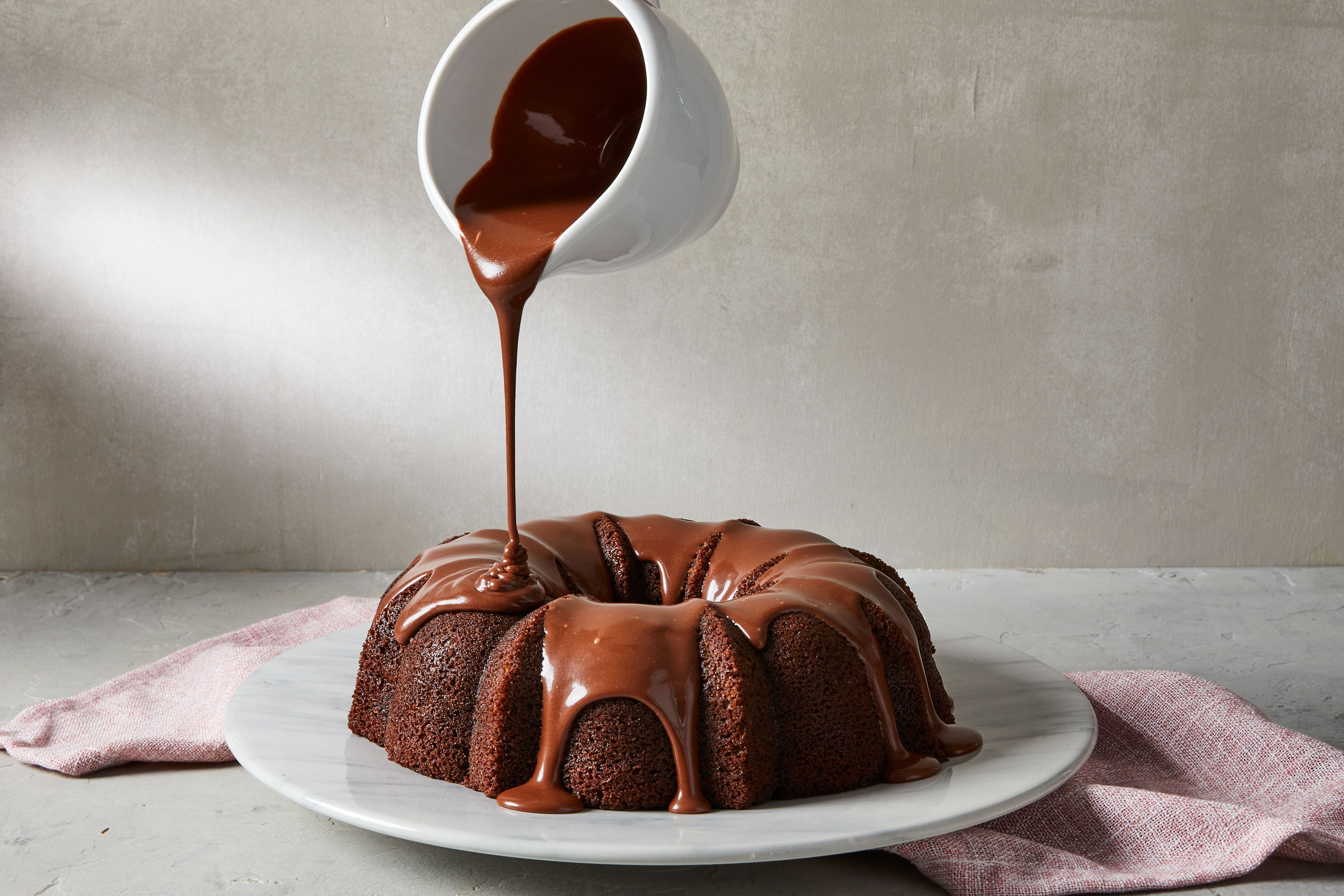
- Bundt cake: The glaze runs beautifully down the ridges and looks impressively fancy with very little effort.
- Pound cake: Especially good with vanilla, orange, or sour cream pound cake.
- Donuts: Thick enough for dipping, shiny enough for bakery-style bragging rights.
- Brownies: Spread a slightly thicker version on top for a glossy finish.
- Quick breads: Banana bread, zucchini bread, or pumpkin loaf all benefit from a little chocolate drama.
- Cookies: Drizzle over shortbread, sugar cookies, or peanut butter cookies.
- Cinnamon rolls: For days when vanilla icing simply feels too emotionally stable.
Easy Variations to Try
Extra Dark Chocolate Glaze
Use Dutch-process cocoa and a pinch of espresso powder. The coffee flavor will not shout, but it will make the chocolate sound smarter.
Chocolate Vanilla Swirl Glaze
Make a second small bowl of plain powdered sugar glaze and drizzle both glazes together over the dessert for a bakery-style look.
Chocolate Orange Glaze
Add a little orange zest and use orange juice for part of the liquid. This is especially good on loaf cakes and holiday cookies.
Chocolate Mint Glaze
Add a drop or two of peppermint extract. Go lightly. Peppermint has the confidence of someone who always hits “reply all.”
Chocolate Ganache-Style Shortcut
Replace some of the liquid with warm cream and stir in a little melted chocolate for a richer, shinier finish. This version feels a little more elegant but is still easy enough for a weeknight bake.
Common Problems and How to Fix Them
The Glaze Is Lumpy
Most likely cause: unsifted sugar or cocoa. Fix it by whisking vigorously, pressing through a fine-mesh sieve, or blending in a little more warm liquid.
The Glaze Is Too Thin
Add more sifted powdered sugar, one tablespoon at a time, until it thickens. Do not dump in half the bag unless you are in the mood for chaos.
The Glaze Is Too Thick
Add warm milk or water, one teaspoon at a time, whisking after each addition.
The Glaze Looks Dull
Try a little butter, use warm liquid, and make sure the sugar is fully dissolved. A touch of corn syrup can add shine too, though it is not necessary for most home bakers.
The Flavor Is Too Sweet
Add a pinch more salt, a bit more cocoa powder, or a tiny amount of espresso powder. Chocolate likes a little contrast.
Storage and Make-Ahead Tips
You can make this glaze ahead of time and store it in an airtight container in the refrigerator for several days. Before using, let it come closer to room temperature and whisk again. If it seems too thick, add a teaspoon or two of warm liquid to loosen it back up.
Once poured over a dessert, the glaze usually sets at room temperature and holds well for casual serving. For best texture, store glazed baked goods covered so they do not dry out. In especially warm kitchens, the glaze may stay a little softer, which is not a tragedy. In fact, it is often delicious.
Chocolate Powdered Sugar Glaze Recipe: Final Thoughts
A great chocolate powdered sugar glaze recipe does not need a mile-long ingredient list or a dramatic backstory. It just needs the right balance of sweetness, cocoa flavor, and texture. That is why this style of glaze keeps showing up in home kitchens year after year. It is dependable, fast, and versatile enough to dress up almost any baked good without hijacking your entire afternoon.
If you are a beginner baker, this is a wonderful recipe to master because it teaches one of the most important baking skills of all: adjusting by feel. If you are an experienced baker, it is the kind of back-pocket recipe you will keep using because it simply works. Whether you are finishing a loaf cake for brunch, glazing donuts for a weekend treat, or rescuing a plain pan of brownies from mediocrity, this chocolate glaze delivers. And unlike some dessert projects, it does so without requiring three mixing bowls, two thermometers, and a prayer.
Kitchen Experiences With This Chocolate Powdered Sugar Glaze Recipe
The first time I made a chocolate powdered sugar glaze, I treated it like a side note. I had baked a plain vanilla loaf cake, and it looked nice enough, but it also looked like it had given up on being memorable. I whisked together powdered sugar, cocoa, a little warm milk, and vanilla, then poured it over the top. Suddenly the loaf went from “perfectly acceptable” to “who brought this from a bakery?” That is the magic of this recipe. It does not ask for much, but it changes the whole mood of the dessert.
One thing I learned quickly is that glaze has a personality. On some days, it behaves beautifully and slides in elegant ribbons over a cake. On other days, it sits in the bowl like a stubborn houseguest and refuses to move unless you offer another teaspoon of liquid. That is why I always tell people not to obsess over exact texture at the beginning. Start thick. Adjust slowly. The glaze will tell you what it needs if you are paying attention.
I have used this recipe on chocolate donuts, banana bread, brownies, and even on a batch of slightly overbaked muffins that needed a little cosmetic assistance. It never disappoints. On donuts, I like the glaze a bit thicker so it clings and sets with that glossy, bakery-style finish. On quick breads, I loosen it slightly so it runs down the sides in dramatic little streaks. On brownies, I split the difference and spread it while it is still smooth but not runny. Each version feels a little different, and that is part of the fun.
The warm liquid tip made a noticeable difference in my kitchen. The glaze came together faster, the cocoa blended more smoothly, and the final texture looked a little more polished. It was one of those small upgrades that did not make me feel like I was trying too hard, which is honestly my favorite category of baking improvement.
I also learned to respect the cooling process. More than once, I poured glaze over a cake that was still too warm because I lacked patience and believed in miracles. The glaze melted, soaked in, and lost all visual drama. Was it still tasty? Absolutely. Did it look like the elegant dessert I had imagined? Not even a little. Now I let cakes cool properly before glazing, and the result is much prettier.
If you like to bake for other people, this recipe is especially useful because it makes homemade desserts look finished. You can bake the simplest loaf cake in the world, add a chocolate glaze, and people suddenly assume you had a plan all along. It is the culinary equivalent of putting on a blazer over a T-shirt and hoping no one notices.
What I appreciate most is how forgiving it is. You do not need to be precious about it. You can make it richer, thinner, darker, sweeter, or more dramatic depending on the dessert in front of you. That kind of flexibility makes a recipe worth keeping. A chocolate powdered sugar glaze is not just a topping. It is a rescue tool, a flavor boost, and occasionally the reason a very ordinary bake becomes the first thing to disappear from the table.
Conclusion
If you want a quick chocolate topping that is easy, adaptable, and genuinely useful, this chocolate powdered sugar glaze recipe deserves a permanent place in your kitchen. It is simple enough for beginners, flexible enough for experienced bakers, and delicious on everything from donuts to Bundt cake. Master this one glaze and you will have a fast way to add flavor, shine, and just the right amount of dessert swagger whenever a baked good needs a little help crossing the finish line.