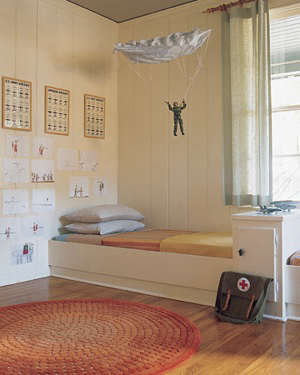
There are two kinds of children’s rooms: the ones where every toy has a home, every book sits upright, and every sock lives peacefully with its matching partnerand the ones where stepping on a tiny plastic dinosaur at 7:12 a.m. becomes a full spiritual experience. Built-in beds and bunks belong to the first category. Or, at the very least, they give parents a fighting chance.
Built-in beds and bunk beds have moved far beyond the old camp-cabin setup of wobbly ladders and mystery wood. Today’s children’s bedrooms are smarter, cozier, and more customized than ever. A well-designed built-in bed can turn a small bedroom into a sleeping nook, reading hideaway, storage hub, sleepover headquarters, and tiny kingdom of imagination. For families dealing with shared rooms, awkward corners, sloped ceilings, or limited floor space, built-in bunks can feel like interior design wizardryminus the wand, plus a very good carpenter.
This guide explores how to design children’s rooms with built-in beds and bunks that are beautiful, practical, safe, and flexible enough to survive changing tastes, growth spurts, and the sudden announcement that dinosaurs are “for babies” now.
Why Built-in Beds and Bunks Work So Well in Children’s Rooms
The biggest reason built-in beds and bunks are popular is simple: they make better use of space. A traditional bed often takes up the center of a room like it owns the place. A built-in bed, by contrast, can tuck into a wall, corner, alcove, attic slope, or window niche. Bunks stack sleeping zones vertically, freeing the floor for play, homework, storage, or the world’s most serious stuffed-animal meeting.
For small children’s rooms, vertical design is a superpower. When the bed moves up, storage can move underneath. When beds are built into a wall, shelves, drawers, lighting, and privacy curtains can be added without crowding the room. Instead of buying several separate furniture pieces, families can create one integrated unit that works harder and looks cleaner.
They Create a Cozy “Room Within a Room”
Children love spaces that feel slightly tucked away. A built-in bed nook gives them that cozy cocoon feeling without turning the closet into a secret clubhouse. Framed openings, arched cutouts, curtains, paneling, soft sconces, and built-in shelves can make each sleeping space feel personal. For siblings sharing a room, this matters. A bunk can provide togetherness, while small detailsindividual lights, cubbies, name plaques, or different beddinggive each child a sense of ownership.
They Help Control Clutter
Built-in beds are not magic, but they are close. Drawers under the lower bunk can hold pajamas, seasonal clothes, blankets, or toys. Stairs can become storage drawers. A side wall can become a bookshelf. A headboard can become a charging shelf for older kids. Suddenly, the room has fewer loose baskets, bins, and “temporary piles” that somehow become permanent residents.
Popular Built-in Bed and Bunk Styles
There is no single right way to design a built-in bed. The best option depends on the room size, ceiling height, number of children, budget, and how long the family wants the design to last. Here are the most useful styles to consider.
Classic Twin-over-Twin Built-in Bunks
The classic twin-over-twin bunk is ideal for shared children’s bedrooms and sleepover-friendly spaces. Built into a wall or framed with millwork, this setup feels more polished than a freestanding bunk bed. It can include guardrails, a fixed ladder, wall sconces, and under-bed drawers. For narrow rooms, placing the bunks along one wall keeps the middle of the room open.
L-Shaped Built-in Bunks
An L-shaped bunk arrangement places one bed perpendicular to the other. This works beautifully in corner rooms because it creates a more open layout and reduces the stacked feeling of traditional bunks. The lower bed can feel more like a daybed, especially when dressed with pillows. The corner space can also hold a shared shelf, reading light, or display nook.
Loft Beds with Study or Play Space
A loft bed raises the sleeping area and leaves usable space underneath. For younger children, the lower area might become a play zone, reading tent, or toy storage area. For older kids, it can become a compact desk setup with shelves and task lighting. This is especially helpful in small bedrooms where a separate bed and desk would make the room feel like a furniture traffic jam.
Built-in Bed Nooks
A bed nook is a single built-in bed surrounded by walls, cabinetry, or paneling. It works well for only children, guest rooms, attic bedrooms, and rooms with odd layouts. Add curtains, wallpaper, beadboard, or a painted interior, and the bed becomes a charming feature rather than just a place to sleep. Bed nooks are also easier to access than upper bunks, making them practical for younger children.
Triple or Quad Bunk Rooms
For vacation homes, large families, or homes that frequently host cousins and friends, triple or quad bunk rooms can maximize sleeping capacity. These designs often place two bunks on each side of a room or arrange beds in a row along one wall. The key is to keep circulation clear, avoid overcrowding, and make each bunk feel intentional with lighting, storage, and ventilation.
Safety Comes First: What Parents Should Consider
Built-in beds and bunks can be wonderful, but safety should lead every design decision. Bunk beds are generally better suited for children over six years old, especially when it comes to the upper bunk. Younger children may not have the coordination or judgment needed to climb safely during the night.
Guardrails are essential on the top bunk. The ladder should be sturdy, fixed in place, and easy for a child to climb without stretching awkwardly. Avoid placing ceiling fans near upper bunks, and make sure the top bunk has enough head clearance so children do not bump their heads when sitting up. Mattress size also matters: a mattress that is too thick can reduce the effectiveness of guardrails.
Parents should also set clear rules. No jumping from bunks. No hanging scarves, ropes, belts, or cords from the bed. No using the ladder as a jungle gym, even if it looks suspiciously like one. Built-in beds should be designed with rounded edges where possible, strong railings, secure construction, and age-appropriate access.
Smart Storage Ideas for Built-in Beds and Bunks
Storage is where built-in beds really shine. A standard bunk gives children a place to sleep. A well-designed built-in bunk gives them a place to sleep, store, read, hide treasures, and maybe even put their laundry somewhere other than the floor. Miracles happen.
Drawers Under the Lower Bed
Under-bed drawers are perfect for bulky items. In children’s rooms, they can hold extra bedding, out-of-season clothing, sports gear, puzzles, or toys. Drawers are often easier for children to use than deep bins because everything slides out where they can see it.
Storage Stairs Instead of Ladders
Stairs require more space than ladders, but they can be safer and more functional. Each step can become a drawer or cabinet. This is a great solution for younger school-age children who are ready for bunks but still benefit from easier climbing access.
Built-in Shelves and Cubbies
Every bunk should have a small place for bedtime essentials. A narrow shelf or cubby can hold a book, water bottle, small clock, favorite stuffed animal, or nightlight. Built-in shelves also reduce the need for separate nightstands, which can crowd a small room.
Closet Integration
In rooms with limited closet space, built-in bunks can be paired with wardrobes, drawers, or hanging storage. A wall of cabinetry around the bed creates a custom look and keeps clothing organized. For a cleaner appearance, use simple cabinet fronts and repeat the same hardware throughout the room.
Design Details That Make Built-in Beds Feel Special
The difference between a basic bunk and a memorable built-in bed often comes down to details. Children may not use the phrase “architectural millwork,” but they absolutely notice when a bed feels like a treehouse, ship cabin, reading cave, or tiny private apartment.
Color and Paint
Paint is one of the easiest ways to give built-in beds personality. Soft green, powder blue, warm white, dusty rose, navy, clay, or muted yellow can create a cozy backdrop without overwhelming the room. Painting the bed frame and surrounding walls the same color can make the design feel seamless. For a bolder look, paint the bunk interior a contrasting shade.
Wallpaper Inside the Nook
Wallpaper adds instant charm to built-in beds. A small-scale print works well inside each bunk or bed nook because it creates visual interest without taking over the whole room. Stars, stripes, botanicals, animals, clouds, gingham, or simple geometric patterns can make bedtime feel more magical.
Lighting for Each Bed
Individual lighting is a must. Wall-mounted reading lights, recessed lights, or low-heat LED strips can help each child read without lighting up the entire room. Make sure switches are easy to reach from the bed. For younger children, soft nightlights can make the sleeping area feel secure.
Privacy Curtains
Curtains turn bunks into little retreats. They are especially helpful in shared rooms where children have different sleep habits. Choose washable fabrics, avoid long dangling cords, and use simple rods or tracks. Curtains can also soften the look of built-in beds and make the room feel more layered.
Materials That Can Handle Real Childhood
Children’s rooms are not museums. They are laboratories for blanket forts, pillow negotiations, sticker experiments, and the occasional juice-related incident. Materials should be attractive, but they also need to survive daily life.
Painted wood, plywood with a durable finish, beadboard, shiplap, and high-quality MDF are common choices for built-in beds. For high-touch areas, choose washable paint in a satin or semi-gloss finish. Avoid overly delicate finishes that show every fingerprint. For flooring near bunks, soft rugs can add comfort, but low-pile designs are easier to clean and less likely to become crumb storage systems.
How to Plan a Built-in Bed or Bunk Project
Before calling a carpenter or ordering materials, measure everything. Measure the room width, ceiling height, window placement, door swing, closet access, outlets, vents, and baseboards. Built-ins are less forgiving than freestanding furniture, so planning matters.
Think About the Future
A great children’s room should grow with the child. Avoid designs that feel too babyish unless the built-in can be easily repainted or updated. A whimsical cutout may be adorable at age five, but a simpler shape may age better into the teen years. Built-in desks, shelves, and charging stations can make the design useful for longer.
Plan for Bedding Changes
Here is the glamorous truth: bunk beds can be annoying to make. Built-in bunks can be even trickier because walls may surround the mattress. Choose bedding that is easy to manage, such as fitted sheets with a simple duvet or washable comforter. Leave enough clearance around the mattress so adults can change sheets without performing advanced yoga.
Budget Realistically
Custom built-in beds can cost more than freestanding bunks because they require design, materials, skilled labor, and installation. However, they can also replace several pieces of furniture: beds, dressers, shelves, nightstands, and storage benches. For families planning to stay in a home for several years, the investment may be worthwhile. For renters or short-term living situations, modular bunks or loft beds may be more practical.
Built-in Bunks for Shared Bedrooms
Shared rooms can be sweet, chaotic, and occasionally diplomatic. Built-in bunks help by giving each child a defined zone. The trick is to create fairness. If one child gets the top bunk, the lower bunk should still feel special. Add individual lights, shelves, artwork, and bedding choices for both spaces.
For siblings with different ages, consider a lower full-size bed and an upper twin. The lower bed can accommodate a parent during bedtime reading, a growing older child, or guests. Another option is a twin-over-twin bunk with a trundle underneath for sleepovers.
Noise and bedtime routines matter too. If one child reads late and another falls asleep early, curtains and individual lights can help. Storage should also be clearly divided. Shared drawers sound efficient until someone accuses someone else of sock theft. Labeling baskets or assigning specific cubbies can prevent tiny domestic courtroom dramas.
Built-in Beds for Small Rooms
Small rooms benefit most from built-in solutions. A bed tucked against one wall can make the room feel larger. A loft bed can open space below for a desk or play area. Built-in drawers can reduce the need for a dresser. The goal is not to fill every inch with cabinetry, but to make every inch useful.
Light colors, simple lines, and hidden storage can keep the room from feeling cramped. Mirrors, wall-mounted shelves, and slim lighting help too. If the room has a window, avoid blocking natural light with a heavy structure. Instead, frame the bed beside the window or create a reading nook nearby.
Style Ideas for Different Personalities
Children’s rooms should reflect the child, not just the algorithm’s idea of a perfect bedroom. Built-in beds are wonderfully adaptable.
For the Adventurer
Use warm wood tones, map prints, rope-style details, and earthy bedding. A bunk can feel like a cabin, treehouse, or explorer’s hideout without becoming a theme park.
For the Reader
Add shelves, sconces, soft pillows, and a curtain. A bed nook becomes a private reading cave where books can be devoured and bedtime can be politely negotiated for “just one more chapter.”
For the Minimalist
Choose clean lines, neutral paint, hidden drawers, and simple bedding. Built-ins do not have to be ornate. A quiet, uncluttered design can feel calm and timeless.
For the Color Lover
Paint the bunk interior a bold color, use patterned wallpaper, or mix bright bedding with a neutral frame. This approach lets the room feel playful while keeping the built-in structure flexible.
Common Mistakes to Avoid
One common mistake is designing only for the photo, not real life. A beautiful bunk without enough guardrail height, storage, lighting, or sheet-changing access will quickly become frustrating. Another mistake is ignoring ceiling height. The top bunk should not feel like a pancake press.
Families should also avoid over-theming. A pirate ship bed may thrill a six-year-old today, but a simpler built-in with removable decor will last longer. Finally, do not forget ventilation and comfort. Built-in sleeping spaces should not feel stuffy. Openings, breathable bedding, and thoughtful placement help keep the bed comfortable year-round.
of Real-Life Experience: What Built-in Beds and Bunks Teach You
Living with built-in beds and bunks teaches you a few things very quickly. First, children love them more than adults expect. A built-in bed is not just a bed to a child. It is a fort, stage, library, spaceship, snack-free zone that somehow still collects snack crumbs, and personal headquarters. The moment a child climbs into a bunk with their own light and shelf, the room feels more exciting.
Second, storage must be designed for how kids actually behave. A beautiful deep drawer is useful only if a child can open it easily and understand what belongs inside. Small cubbies near the bed are surprisingly powerful because they give children a natural place to put their bedtime things. Books stop piling on the floor. Water bottles stop rolling under the bed. Tiny treasures finally have a parking spot.
Third, bedding matters more than people think. Traditional tucked sheets can become a wrestling match in a built-in bunk. Simple bedding is better. A fitted sheet, washable duvet, and a few pillows are easier to manage than complicated layers. Parents who choose easy bedding tend to stay happier. Children, who are not famous for caring about hospital corners, remain completely unbothered either way.
Fourth, built-ins make children’s rooms feel calmer when the design includes limits. Too many open shelves can become clutter galleries. Too many colors can make bedtime feel like a carnival. The best rooms usually balance playful details with visual order. A painted bunk, a few shelves, soft bedding, and good lighting often work better than trying to include every idea from every inspiration photo ever saved at midnight.
Fifth, built-in bunks are excellent for sleepovers, but rules are non-negotiable. Children see a ladder and immediately wonder if it can be used in a way no engineer intended. Clear expectations help: climb slowly, no jumping, no pushing, no hanging things from rails, and no dramatic top-bunk launches. The design should support safety, but the household rules complete the system.
Finally, the best built-in beds are not just cute. They solve a real problem. Maybe the room is small. Maybe siblings need privacy. Maybe toys are taking over. Maybe a guest room needs to sleep cousins during holidays. When the design starts with a real family need, the result feels natural and useful. A built-in bed should make daily life easier, not just make guests say, “Wow, that’s adorable,” although that part is nice too.
Conclusion
Children’s rooms with built-in beds and bunks combine smart space planning with a little everyday magic. They can turn awkward corners into cozy sleeping nooks, small rooms into flexible living spaces, and shared bedrooms into organized zones where each child has a place to call their own. The strongest designs balance beauty, safety, storage, and future flexibility.
Whether you choose a classic twin-over-twin bunk, a loft bed with a desk below, a charming bed nook, or a full bunk room for sleepovers, the goal is the same: create a room that works hard, feels warm, and can handle real childhood. Because childhood is messy, loud, imaginative, and full of surprisesand the best bedrooms are ready for all of it.
Note: This article is based on current U.S. design practices, child-room planning ideas, and widely recognized bunk-bed safety recommendations. It is written for web publication and does not include source links by request.