Chemotherapy has a reputation bigger than a hospital parking garage: powerful, intimidating, confusing, and somehow always surrounded by paperwork. But at its core, chemotherapy is simply cancer treatment that uses medicines to kill cancer cells, slow their growth, shrink tumors, or help other treatments work better. The tricky part is that “chemotherapy” is not one single drug. It is a whole toolbox of cancer-fighting medicines, and each tool works a little differently.
Some chemotherapy drugs damage DNA. Some block cancer cells from copying their genetic instructions. Some interrupt cell division like a referee blowing the whistle in the middle of a very illegal play. Because cancer cells often grow and divide quickly, chemotherapy targets processes that fast-growing cells rely on. Unfortunately, a few healthy cells also grow quickly, including cells in the hair follicles, digestive tract, mouth, bone marrow, and reproductive system. That is why side effects happen.
This guide explains the major chemotherapy types, how they work, common side effects, and the cancers they are often used to treat. It is written for readers who want clear information without feeling as if they accidentally enrolled in medical school.
What Is Chemotherapy?
Chemotherapy, often called “chemo,” is a systemic cancer treatment. That means the medicine can travel through the bloodstream and affect cancer cells in many parts of the body. This is different from surgery, which usually removes a local tumor, or radiation therapy, which targets a specific area.
Chemotherapy may be used in several ways. It can be given before surgery to shrink a tumor, after surgery to lower the risk of recurrence, with radiation to make cancer cells more sensitive to treatment, or as the main treatment for cancers that respond well to drug therapy. In advanced cancer, chemotherapy may also help control symptoms, slow progression, and improve quality of life.
How Chemotherapy Is Given
Chemotherapy can be delivered in different forms depending on the cancer type, drug, treatment goal, and patient’s overall health.
Intravenous Chemotherapy
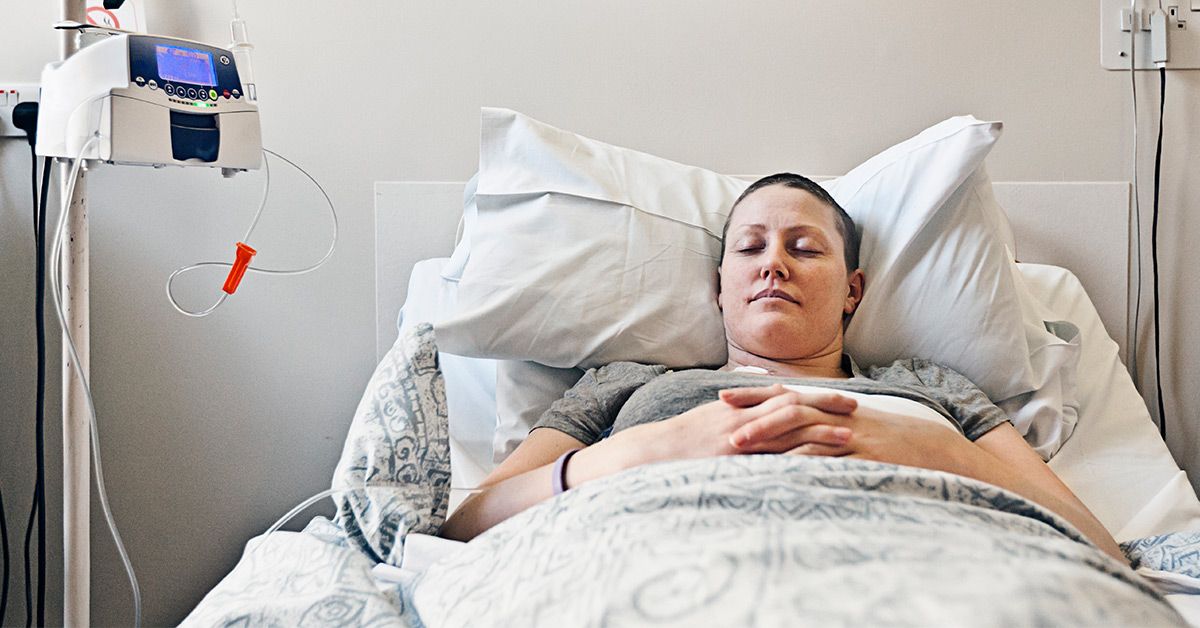
Many chemotherapy drugs are given through an IV line, port, or catheter. This is common for drugs that need careful dosing or direct bloodstream delivery. Treatment may happen in an infusion center, hospital, or clinic.
Oral Chemotherapy
Some chemotherapy comes as pills, capsules, or liquids taken by mouth. Oral chemo can be convenient, but it still requires careful scheduling. It is not “chemo lite.” Missing doses or taking extra doses can affect safety and results.
Injected, Topical, or Regional Chemotherapy
Certain drugs may be injected into a muscle, under the skin, into spinal fluid, into a body cavity, or applied to the skin for specific cancers. Regional chemotherapy may deliver medicine directly to an area such as the abdomen or bladder.
Main Types of Chemotherapy Drugs
Chemotherapy drugs are often grouped by how they attack cancer cells. Doctors may combine different types so the cancer is hit from more than one angle. Think of it as a group project where, thankfully, everyone actually does their job.
1. Alkylating Agents
Alkylating agents damage cancer cell DNA. When DNA is damaged badly enough, the cell cannot divide properly and may die. These drugs can work during different phases of the cell cycle, which makes them useful across several cancers.
Common examples: cyclophosphamide, ifosfamide, melphalan, busulfan, chlorambucil, dacarbazine, and temozolomide.
Cancers they may be used for: leukemia, lymphoma, multiple myeloma, breast cancer, ovarian cancer, lung cancer, sarcoma, brain tumors, and some pediatric cancers.
Possible side effects: low blood counts, nausea, vomiting, fatigue, mouth sores, hair loss, fertility problems, bladder irritation with certain drugs, and increased risk of later blood cancers in some cases. The risk depends on the specific drug and total dose.
2. Platinum Compounds
Platinum drugs are often grouped with alkylating-like agents because they also damage DNA. They are especially important in several solid tumors and have changed outcomes for cancers such as testicular cancer and ovarian cancer.
Common examples: cisplatin, carboplatin, and oxaliplatin.
Cancers they may be used for: ovarian cancer, testicular cancer, lung cancer, bladder cancer, head and neck cancer, colorectal cancer, stomach cancer, and some gynecologic cancers.
Possible side effects: nausea, vomiting, kidney effects, hearing changes, nerve damage, low blood counts, fatigue, taste changes, and cold sensitivity with oxaliplatin. Cisplatin is famous for being effective, but it can be rough enough that doctors monitor hydration, kidneys, and hearing closely.
3. Antimetabolites
Antimetabolites imitate building blocks that cancer cells need to make DNA and RNA. When cancer cells try to use these fake ingredients, the process breaks down. It is the cellular version of following a recipe and discovering someone replaced the flour with powdered chalk.
Common examples: 5-fluorouracil, capecitabine, gemcitabine, methotrexate, pemetrexed, cytarabine, fludarabine, and 6-mercaptopurine.
Cancers they may be used for: colorectal cancer, breast cancer, pancreatic cancer, stomach cancer, lung cancer, leukemia, lymphoma, bladder cancer, and some head and neck cancers.
Possible side effects: mouth sores, diarrhea, low blood counts, fatigue, nausea, skin changes, hand-foot syndrome with some drugs, liver enzyme changes, and increased infection risk. Side effects vary widely by drug. For example, capecitabine is oral and can cause hand-foot syndrome, while cytarabine is commonly used in leukemia treatment.
4. Anti-Tumor Antibiotics and Anthracyclines
Despite the name, anti-tumor antibiotics are not the same as antibiotics used for infections. These drugs interfere with DNA and enzymes that cancer cells need to divide. Anthracyclines are a well-known subgroup.
Common examples: doxorubicin, daunorubicin, epirubicin, idarubicin, bleomycin, mitomycin, and dactinomycin.
Cancers they may be used for: breast cancer, lymphoma, leukemia, sarcoma, bladder cancer, testicular cancer, ovarian cancer, and some childhood cancers.
Possible side effects: low blood counts, mouth sores, nausea, hair loss, fatigue, skin and nail changes, and heart effects with some anthracyclines. Because of possible heart toxicity, doctors may check heart function before and during treatment, especially when higher lifetime doses are expected.
5. Topoisomerase Inhibitors
Topoisomerase inhibitors block enzymes that help DNA unwind and rewind during cell division. Without those enzymes, DNA becomes damaged, and cancer cells struggle to multiply.
Common examples: irinotecan, topotecan, etoposide, and teniposide.
Cancers they may be used for: colorectal cancer, ovarian cancer, small cell lung cancer, testicular cancer, leukemia, lymphoma, and some gastrointestinal cancers.
Possible side effects: diarrhea, low blood counts, nausea, vomiting, fatigue, hair loss, mouth sores, and infection risk. Irinotecan is especially known for diarrhea, which can be serious if not managed early.
6. Mitotic Inhibitors
Mitotic inhibitors interfere with mitosis, the process cells use to divide. If a cancer cell cannot divide, it cannot keep multiplying. These drugs often affect structures called microtubules, which act like tiny internal rails inside the cell.
Common examples: paclitaxel, docetaxel, cabazitaxel, vincristine, vinblastine, vinorelbine, and eribulin.
Cancers they may be used for: breast cancer, ovarian cancer, lung cancer, prostate cancer, lymphoma, leukemia, Kaposi sarcoma, and some bladder, stomach, and head and neck cancers.
Possible side effects: numbness or tingling in hands and feet, constipation, muscle aches, low blood counts, hair loss, fatigue, nail changes, and infusion reactions. Neuropathy is one of the big side effects doctors watch closely with this group.
7. Corticosteroids Used in Cancer Treatment
Corticosteroids are not always considered traditional chemotherapy, but they are often part of chemotherapy regimens. They can help treat certain blood cancers and reduce nausea, inflammation, allergic reactions, and swelling.
Common examples: prednisone, dexamethasone, and methylprednisolone.
Cancers they may be used for: leukemia, lymphoma, multiple myeloma, and supportive care during many chemotherapy plans.
Possible side effects: increased appetite, mood changes, sleep problems, higher blood sugar, fluid retention, indigestion, and infection risk with longer use.
Common Chemotherapy Side Effects
Chemotherapy side effects depend on the drug, dose, schedule, cancer type, and individual health. Two people can receive similar treatment and have different experiences. One person may feel mostly tired; another may feel like their digestive system filed a complaint with management.
Fatigue
Fatigue is one of the most common chemotherapy side effects. It can feel different from ordinary tiredness and may not improve completely with sleep. It may be related to anemia, inflammation, poor appetite, stress, sleep disruption, or the body repairing healthy tissues.
Nausea and Vomiting
Many chemotherapy drugs can cause nausea, but modern anti-nausea medicines have made this much more manageable than it used to be. Patients should tell their care team if nausea breaks through medication, because treatment plans can often be adjusted.
Low Blood Counts
Chemotherapy can affect bone marrow, where blood cells are made. Low white blood cells can raise infection risk. Low red blood cells can cause anemia and shortness of breath. Low platelets can increase bruising or bleeding. This is why blood tests are a regular part of chemotherapy care.
Hair Loss
Not every chemotherapy drug causes hair loss, and the amount can vary from thinning to complete hair loss. Hair often grows back after treatment, although texture or color may temporarily change. Cancer may be serious, but hair follicles apparently enjoy adding plot twists.
Mouth Sores and Taste Changes
Fast-growing cells in the mouth can be affected by chemo, leading to soreness, ulcers, dry mouth, or taste changes. Gentle oral care, avoiding irritating foods, and reporting symptoms early can help prevent complications.
Digestive Problems
Diarrhea, constipation, appetite changes, and weight changes may occur. Some drugs are more likely to cause specific digestive effects. Persistent diarrhea, dehydration, or inability to eat should be reported quickly.
Neuropathy
Some chemotherapy drugs can damage nerves, causing numbness, tingling, burning, weakness, or balance issues. This is especially associated with platinum drugs, taxanes, and vinca alkaloids. Early reporting matters because dose changes may reduce long-term nerve problems.
Fertility and Sexual Health Changes
Some chemotherapy can affect fertility, menstrual cycles, sperm production, hormone levels, and sexual function. Patients who may want children in the future should ask about fertility preservation before treatment begins whenever possible.
Late Effects
Some side effects can appear months or years later, including heart problems, nerve damage, early menopause, infertility, kidney problems, lung effects, cognitive changes, or rare second cancers. The exact risk depends on the treatment plan.
Which Cancers Are Commonly Treated With Chemotherapy?
Chemotherapy may be used for many cancers, but its role varies. Some cancers are highly chemo-sensitive, while others rely more heavily on surgery, radiation, immunotherapy, targeted therapy, hormone therapy, or a combination.
Breast Cancer
Chemotherapy may be used before surgery to shrink tumors or after surgery to reduce recurrence risk. Common drug classes include anthracyclines, taxanes, alkylating agents, and antimetabolites. Treatment depends on cancer stage, hormone receptor status, HER2 status, grade, genetics, and recurrence risk.
Lung Cancer
Both non-small cell and small cell lung cancers may involve chemotherapy. Platinum combinations are common. Small cell lung cancer often responds to chemotherapy, though it can also return aggressively. Today, chemotherapy may be combined with immunotherapy for certain lung cancers.
Colorectal Cancer
Common chemotherapy drugs for colorectal cancer include fluoropyrimidines such as 5-FU or capecitabine, oxaliplatin, and irinotecan. Chemo may be used after surgery, for metastatic disease, or with radiation in rectal cancer.
Ovarian Cancer
Ovarian cancer is often treated with surgery and platinum-based chemotherapy, commonly with a taxane. Some patients may also receive maintenance therapy afterward, depending on tumor features and genetic testing.
Leukemia and Lymphoma
Blood cancers often use multi-drug chemotherapy regimens. Acute leukemias may require intensive treatment phases, while lymphomas may use combinations that include alkylating agents, anthracyclines, steroids, and other drugs.
Testicular Cancer
Testicular cancer is one of the major success stories of chemotherapy. Platinum-based regimens can be highly effective, even in some advanced cases. Treatment is carefully monitored because cure is often the goal.
Pancreatic, Stomach, Bladder, Brain, and Sarcoma Cancers
Chemotherapy may also be used for pancreatic cancer, stomach cancer, bladder cancer, brain tumors, and sarcomas. For example, temozolomide is used in certain brain tumors, gemcitabine-based therapy may be used in pancreatic cancer, and cisplatin-based combinations may be used in bladder cancer.
How Doctors Choose a Chemotherapy Plan
Doctors do not pick chemotherapy drugs by throwing darts at a wall labeled “spicy medicine.” They consider cancer type, stage, tumor biology, previous treatments, kidney and liver function, heart health, blood counts, age, performance status, treatment goals, and patient preferences.
They also consider whether chemotherapy should be combined with other treatments. Modern cancer care is increasingly personalized. A patient with breast cancer, for example, may have a completely different treatment plan from another patient with breast cancer because their tumor markers are different.
Managing Chemotherapy Side Effects
Side effect management is a major part of cancer care. Patients should never assume they must simply “tough it out.” Supportive medicines, dose adjustments, nutrition help, hydration, exercise guidance, mouth care routines, infection precautions, and symptom tracking can make treatment safer and more tolerable.
Patients should contact their cancer care team urgently for fever, signs of infection, uncontrolled vomiting or diarrhea, shortness of breath, chest pain, unusual bleeding, severe weakness, confusion, dehydration, or symptoms that feel sudden or alarming. When in doubt, call. Oncology teams would rather answer a cautious question than fix a preventable emergency later.
Experiences Related to Chemotherapy Types, Side Effects, and Cancer Treatment
Although every chemotherapy experience is personal, many patients describe a similar emotional pattern: first confusion, then information overload, then a gradual sense of routine. The first appointment may feel like walking into a new airport where every gate is labeled with a medical abbreviation. AC, TC, FOLFOX, BEP, CHOP, carboplatin-paclitaxelthe names can sound like robot passwords. Over time, patients often learn what each drug is supposed to do, what side effects to watch for, and which symptoms deserve a phone call.
One common experience is discovering that chemotherapy is not always as dramatic as movies make it look. Some people continue working part-time, driving themselves to appointments, caring for family, or taking short walks. Others need more rest and support. Both experiences are valid. The body is not auditioning for a productivity commercial. Some days are normal-ish; other days require pajamas, crackers, and a deep respect for anti-nausea medication.
Patients often say the side effects arrive in patterns. For example, the infusion day may be easier than expected because premedications help prevent nausea and allergic reactions. A few days later, fatigue may settle in. Taste changes may make favorite foods suddenly seem suspicious. Coffee might taste metallic. Water might taste “wrong,” which feels unfair because water has one job. Some people find that small meals, bland foods, ginger candies, cold drinks, or plastic utensils help. Others need prescription support from their care team.
Hair loss can be emotionally complicated. Even when patients know it may happen, seeing hair on a pillow or in the shower can feel personal. Some choose wigs, scarves, hats, or shaved heads. Others prefer no covering at all. There is no correct costume for cancer treatment. The best choice is the one that helps the patient feel most like themselves.
Another frequent experience is learning how important blood counts are. Before chemotherapy, many people have never thought about neutrophils, platelets, or hemoglobin. During treatment, these numbers become weekly characters in the story. Low white blood cells may delay treatment or require infection precautions. Low red blood cells can make stairs feel like mountains. Low platelets may mean extra care around bruising or bleeding.
Neuropathy is another side effect patients often wish they had reported earlier. Tingling fingers, numb toes, trouble buttoning shirts, or feeling unsteady may seem minor at first. But because nerve symptoms can become long-lasting, oncology teams usually want to know quickly. Reporting side effects is not complaining; it is data collection with better shoes.
The emotional side matters too. Chemotherapy can affect routines, relationships, school, work, body image, sleep, appetite, and mood. Patients may feel grateful for treatment and still hate treatment days. They may feel strong and scared at the same time. Caregivers may also feel helpless, especially when they want to fix everything and cannot. Practical help often matters most: rides, meals, childcare, note-taking at appointments, pharmacy pickups, and quiet company.
Many patients also describe a strange new relationship with time. Life becomes organized around cycles: infusion day, recovery days, lab day, scan day, repeat. A calendar that once held birthdays and dentist appointments now has blood tests and oncology visits. Yet within that structure, people often find small ways to reclaim normal life: a favorite show during infusion, a walk on better-energy days, a soft blanket, a playlist, a group chat, or a post-treatment meal that tastes almost like victory.
The biggest lesson from patient experiences is that chemotherapy is not one story. It is many stories shaped by cancer type, drug class, dose, support, biology, and personality. Some people tolerate treatment better than expected. Some struggle and need changes. Some side effects are temporary; others need long-term follow-up. The most useful approach is honest communication with the care team, early symptom reporting, realistic expectations, and compassion for the body doing difficult work.
Conclusion
Chemotherapy is not a single treatment but a family of powerful cancer medicines. Alkylating agents, platinum compounds, antimetabolites, anthracyclines, topoisomerase inhibitors, mitotic inhibitors, and supportive corticosteroids all work in different ways. They may be used for breast cancer, lung cancer, colorectal cancer, ovarian cancer, leukemia, lymphoma, testicular cancer, bladder cancer, pancreatic cancer, brain tumors, sarcomas, and more.
Side effects are real, but they are not always predictable and not always permanent. Many can be prevented, reduced, or treated with good supportive care. The smartest move is to understand the treatment plan, ask questions, track symptoms, and stay in close contact with the oncology team. Chemotherapy may be tough, but patients do not have to walk through it uninformedor alone.
Medical note: This article is for educational purposes only and does not replace professional medical advice. Cancer treatment decisions should always be made with a qualified oncology team.