Chemotherapy has a reputation for being the blunt instrument of cancer treatment: powerful, intimidating, and not especially interested in subtlety. That description is only partly fair. “Chemo” is not one medicine but a large family of drugs, each designed to disrupt a particular process that cancer cells need to survive, copy themselves, or spread. Some damage DNA. Others impersonate the raw materials cells use to build DNA. Still others jam the microscopic machinery that pulls one cell apart into two.
The common theme is vulnerability. Cancer cells often divide rapidly and with damaged quality-control systems. Some healthy tissues also renew quickly, which explains many familiar side effects. Modern oncology therefore uses the right drugs, dose, sequence, and recovery time rather than simply reaching for “the strongest chemo.”
What Chemotherapy Actually Is
In everyday conversation, people sometimes use “chemotherapy” to mean any drug given for cancer. Clinically, traditional chemotherapy usually refers to cytotoxic drugsmedicines that kill cells or prevent them from reproducing. Targeted therapy, immunotherapy, hormone therapy, and antibody-drug conjugates may also be delivered in an infusion center, but they do not work in exactly the same way.
Most chemotherapy is systemic: once it enters the bloodstream, it can reach cancer cells far from the original tumor. That makes it useful for blood cancers, metastatic disease, and microscopic deposits too small to see on a scan. Some drugs are instead delivered directly to the spinal fluid, bladder, abdominal cavity, an artery, or the skin.
Why Cancer Cells Are Vulnerable
To divide, a cell must copy its DNA, produce proteins, organize chromosomes, and split cleanly. Cancer cells often run this cellular copy shop at high speed while carrying damaged checkpoints that should pause faulty division. Chemotherapy exploits those weaknesses by damaging DNA, withholding genetic building blocks, blocking essential enzymes, or freezing the machinery of mitosis. Fast-growing cancers are often sensitive, but genetics, repair ability, drug access, and prior treatment also shape the response.
The Major Chemotherapy Drug Classes
Alkylating Agents and Platinum Drugs: Damaging the Instruction Manual
Alkylating agents damage DNA so the cell cannot copy it correctly. Platinum drugs such as cisplatin, carboplatin, and oxaliplatin are not technically classic alkylators, but they are often grouped with them because they create DNA cross-links. Picture a zipper whose teeth have been glued together: the DNA strands cannot separate normally for replication or repair.
They are used in many solid tumors and blood cancers. Toxicities differ by drug: cisplatin can affect kidneys, hearing, and nerves, while carboplatin often suppresses bone marrow. Some DNA-damaging agents also carry a small, dose-related risk of a later blood cancer.
Antimetabolites: Handing the Cell Counterfeit Building Blocks
Antimetabolites resemble substances that cells normally use to make DNA or RNA. Once the impostors enter the production line, replication stalls or faulty genetic material is produced. Examples include methotrexate, 5-fluorouracil, capecitabine, cytarabine, gemcitabine, and pemetrexed.
They are used in leukemias and many solid tumors. Some work mainly during DNA synthesis, so timing and repeated exposure matter. Capecitabine is taken by mouth and converted into 5-fluorouracil; the convenient package does not make it a casual pill. Oral chemotherapy can be as potent as an infusion.
Antitumor Antibiotics and Anthracyclines: Tangling DNA
Despite the name, antitumor antibiotics do not treat bacterial infections. Anthracyclines such as doxorubicin and daunorubicin insert themselves into DNA and interfere with enzymes involved in copying and repairing it. Doxorubicin is famously nicknamed the “red devil” because of its color and intensitya nickname that is memorable, if not exactly the branding campaign anyone requested.
Anthracyclines treat breast cancers, lymphomas, leukemias, sarcomas, and other malignancies. Because cumulative exposure can damage heart muscle, clinicians track lifetime dose and may test heart function.
Topoisomerase Inhibitors: Blocking DNA’s Untangling Crew
DNA must unwind and relax before it can be copied. Topoisomerase enzymes cut, untwist, and reconnect DNA strands so replication can proceed without creating a molecular knot worthy of a junk drawer. Drugs such as irinotecan and topotecan inhibit topoisomerase I, while etoposide inhibits topoisomerase II. Blocking these enzymes leaves DNA breaks unrepaired and can kill the cell.
These agents treat several solid tumors and blood cancers. Toxicities vary: irinotecan is associated with diarrhea, while etoposide commonly lowers blood counts and carries a small risk of treatment-related leukemia.
Mitotic Inhibitors: Sabotaging Cell Division
To divide, a cell builds microtubules that organize and separate chromosomes. Taxanes such as paclitaxel and docetaxel lock microtubules in place, while vinca alkaloids such as vincristine prevent them from assembling properly. Different tactic, same result: the cell cannot complete mitosis.
Mitotic inhibitors are widely used in breast, lung, ovarian, prostate, blood, and other cancers. Peripheral neuropathynumbness, tingling, burning, or weakness in the hands and feetcan become dose-limiting. Reporting symptoms early matters because a pause, dose adjustment, or drug change may reduce the risk of lasting nerve damage.
Why Chemotherapy Drugs Are Often Combined
A tumor is not a tidy army of identical cells. Some divide quickly, some slowly, and some carry mutations that help them survive one drug. Combination chemotherapy attacks through several mechanisms and can reduce the chance that resistant cells take over. Regimens such as FOLFOX or ABVD are selected according to clinical evidence, cancer subtype and stage, biomarkers, treatment goal, prior therapy, medications, and organ function. In oncology, “close enough” is not a dosing philosophy.
Why Treatment Comes in Cycles
Chemotherapy is commonly given in cycles: treatment followed by rest. Repetition catches more cancer cells as they enter vulnerable phases, while the break lets bone marrow and digestive tissues recover. Before another cycle, the team may review symptoms and check blood counts and organ function. A delay or dose change can be a safety adjustment, not evidence that treatment has failed.
What Chemotherapy Is Trying to Accomplish
The purpose of chemotherapy depends on the cancer and situation. It may be used as the main treatment with the goal of cure, especially for certain leukemias, lymphomas, testicular cancers, and other chemotherapy-sensitive diseases. It may be given before surgery or radiation to shrink a tumor, called neoadjuvant chemotherapy. After local treatment, adjuvant chemotherapy aims to destroy microscopic cells that might remain and reduce recurrence risk.
For advanced cancer, chemotherapy may slow growth, shrink tumors, prolong life, or relieve symptoms such as pain or pressure. This is often called palliative chemotherapy. “Palliative” describes the treatment goal; it does not mean the care team has stopped treating the cancer or stopped caring about time.
How Chemotherapy Is Given
Chemotherapy may be infused through an IV or port, swallowed, injected, applied to skin, or delivered into spinal fluid, the bladder, an artery, or a body cavity. HIPEC is a specialized regional approach that circulates heated chemotherapy in the abdomen after surgery in selected patients. Route does not determine seriousness: oral drugs may require exact timing, interaction checks, safe storage, and careful handling. Never double a missed dose or crush a tablet unless the oncology team instructs you to do so.
Why Side Effects Happenand Why Everyone’s List Is Different
Traditional chemotherapy cannot perfectly distinguish a fast-dividing cancer cell from every fast-renewing healthy cell. Bone marrow, hair follicles, and the lining of the mouth and digestive tract are frequent bystanders. The result may include fatigue, nausea, mouth sores, diarrhea or constipation, hair loss, low red blood cells, low platelets, and low infection-fighting white blood cells.
Not every drug causes every side effect, and not every person reacts the same way. Hair loss may be dramatic with one regimen and unlikely with another. Modern anti-nausea medicines prevent or control symptoms for many patients. Some toxicities are organ-specific, such as neuropathy, kidney injury, hearing changes, heart damage, or lung inflammation. Many effects improve after treatment, while a smaller number can persist or appear later.
Low neutrophil counts deserve special attention because infection can become dangerous quickly. During chemotherapy, a temperature of 100.4°F (38°C) or higher is commonly treated as an urgent reason to call the cancer team immediately, although each patient should follow the threshold and instructions provided by their own clinic. Taking acetaminophen first and hoping the problem clocks out early can hide a fever and delay care.
Measuring Response and Managing Resistance
Doctors assess response with symptoms, exams, blood tests, tumor markers when useful, bone marrow testing, or scans. Side effects are not a scoreboard: hair loss does not prove success, and keeping one’s hair does not prove failure. Some cancer cells resist treatment by pumping out a drug, repairing its damage, changing the target, or bypassing the blocked process. The team may respond with a new combination, a different treatment class, biomarker-guided therapy, or a clinical trial.
A Realistic Chemotherapy Experience: A Composite Journey
The following is a composite scenario based on common treatment routines and patient concerns. It is not one person’s medical story, and actual experiences vary widely by cancer, drug, dose, and health status.
The first treatment day often begins before the first drop of chemotherapy enters the IV. There may be a blood draw, vital signs, a medication review, and a conversation about sleep, appetite, bowel habits, pain, and symptoms that might seem too minor to mention. They are not minor to the oncology team. A new tingling in two fingertips or three days of diarrhea can change the safest plan.
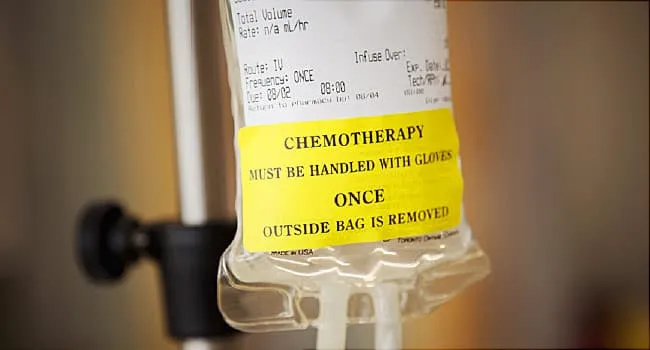
After laboratory results are cleared, premedications may include anti-nausea drugs, steroids, fluids, or medicines that reduce infusion reactions. Then comes the chemotherapy bag, checked carefully by trained staff. Many infusions feel physically uneventful, while the emotional volume is much louder than the pump: relief that treatment has started, fear of what comes next, and the realization that everyone else already knows how the recliner works.
That evening may be surprisingly normal. Steroids can create energy, insomnia, a bigger appetite, or an oddly ambitious desire to reorganize a closet at midnight. The next few days may bring fatigue, nausea, taste changes, constipation, diarrhea, or no major symptoms at all. A notebook or phone log becomes useful: when nausea started, which medicine helped, how much fluid was tolerated, and whether numbness appeared. This is not obsessive bookkeeping. It gives the care team data they can use.
Food can become unpredictable. A favorite coffee may suddenly taste metallic, while a plain cracker achieves celebrity status. Small meals, adequate protein and calories, and fluids often matter more than winning a nutrition perfection contest. The oncology dietitian can help when weight, swallowing, mouth sores, or persistent gastrointestinal symptoms become concerns.
Several days after treatment, blood counts may fall. The exact low point, or nadir, depends on the regimen. This is when the thermometer earns a place of honor. Chills, shortness of breath, confusion, uncontrolled vomiting, severe diarrhea, bleeding, dehydration, or a fever at the team’s emergency threshold should trigger a callnot a debate about whether it would be rude to bother the doctor after hours. Cancer programs have after-hours numbers because cancer does not observe office etiquette.
As the cycle continues, energy may return. Then the calendar loops back to another blood draw and another treatment. Later cycles can feel easier because the routine is familiar, or harder because fatigue accumulates. Plans may change: an extra anti-nausea drug, a dose reduction, growth-factor support, a treatment delay, or a scan. These changes can feel discouraging, but they often reflect responsive care rather than defeat.
The experience is also social. Patients may need rides, meals, flexibility at work, or permission to say, “Today I do not want advice; I want company.” Some use a cold cap, some shave their hair, and some never lose it. There is no prize for performing chemotherapy cheerfully. The practical goal is to report symptoms honestly, accept useful support, and keep treatment aligned with the patient’s priorities.
Questions Worth Asking the Cancer Care Team
- What is the exact name of the regimen, and what is each drug supposed to do?
- Is the goal cure, recurrence-risk reduction, disease control, or symptom relief?
- Which side effects require an immediate call, and what number should I use after hours?
- Which short- and long-term effects are most relevant to my drugs?
- How and when will response be measured?
- Which medicines, supplements, or foods could interact with treatment?
- What should I do about a delayed, missed, or vomited oral dose?
Conclusion
Chemotherapy works by exploiting the machinery cancer cells use to grow. One drug damages DNA; another substitutes counterfeit ingredients; another blocks an enzyme; another jams cell division. The science is precise even when the effects can feel broad. Because tumors contain diverse cell populations and healthy tissues need protection, oncologists use carefully tested combinations, schedules, monitoring, and supportive medicines rather than simply prescribing “the strongest chemo.”
The most useful understanding is neither “chemotherapy is poison” nor “chemotherapy is magic.” It is a powerful, imperfect, continually refined tool that can cure some cancers, reduce recurrence risk, control advanced disease, and relieve symptoms. The exact benefits and risks depend on the individual diagnosis and regimen, which is why the best explanations always include the full drug names, treatment goal, expected timeline, and a clear plan for handling side effects.
Medical and editorial note: This article is educational and cannot replace advice from an oncology team. It synthesizes current patient information and clinical guidance from the National Cancer Institute, American Cancer Society, U.S. Food and Drug Administration, MedlinePlus, Mayo Clinic, Cleveland Clinic, Johns Hopkins Medicine, Memorial Sloan Kettering Cancer Center, Cancer.Net/ASCO, MD Anderson Cancer Center, Dana-Farber Cancer Institute, Centers for Disease Control and Prevention, and Oncology Nursing Society.