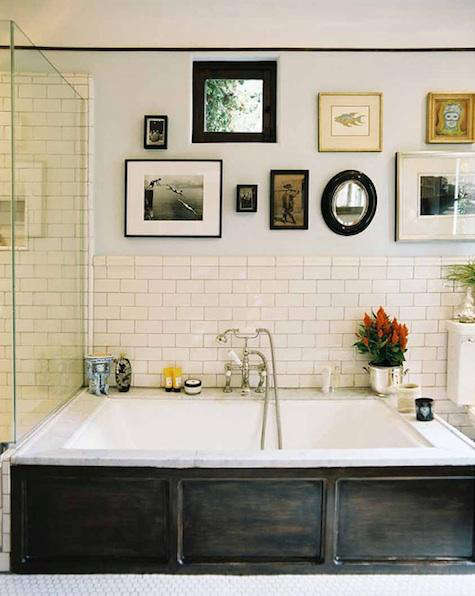
A bathroom without art is like a hotel lobby with fluorescent lighting: functional, sure, but emotionally suspicious. The bath may be the smallest room in the house, but it is also one of the most visited, most personal, and most design-rewarding spaces. A thoughtful bathroom art wall can transform a plain powder room, a basic guest bath, or a steamy primary suite into something that feels layered, intentional, and delightfully human.
The best part? Bathroom wall art does not require a gut renovation, a contractor, or a dramatic speech to your bank account. With the right mix of framed prints, vintage finds, waterproof materials, gallery wall layouts, mirrors, shelves, tile accents, and moisture-smart placement, you can give your bath a magazine-worthy refresh without touching the plumbing. That alone deserves applause.
This bath art wall roundup explores practical, stylish, and humidity-aware ideas for decorating bathroom walls. Whether your style leans coastal, modern, vintage, maximalist, minimalist, or “I found this frame at a flea market and now it owns my personality,” these ideas will help you create a bathroom wall that looks beautiful and survives real life.
Why Bathroom Wall Art Matters More Than You Think
Bathrooms are often treated as utility zones: sink, toilet, towel, soap, done. But modern interior design has moved far beyond that basic checklist. Today, homeowners are treating bathrooms as small sanctuaries, mood-setting spaces, and mini design laboratories. Because bathrooms are usually compact, even one piece of art can have a big visual impact.
Art adds personality where tile and fixtures can feel cold. A landscape print softens sharp marble. A bold abstract painting brings energy to a neutral vanity wall. A vintage botanical sketch can make a powder room feel charming instead of forgotten. The right art wall also creates a focal point, especially in bathrooms where the mirror, vanity, or tub needs visual balance.
Think of bathroom art as the room’s conversation starter. Yes, it may be a conversation happening silently while someone washes their hands, but stilldesign is design.
Before You Hang Anything: Bathroom Art and Moisture
Bathrooms are tricky because they are not just rooms; they are tiny weather systems. Steam, humidity, splashes, poor ventilation, and temperature changes can damage paper, wood frames, canvas, and adhesives over time. That does not mean art is forbidden. It simply means bathroom wall decor needs a little more strategy.
Choose Moisture-Friendly Materials
For bathrooms, the safest choices include framed prints behind glass or acrylic, metal wall art, ceramic wall pieces, sealed canvas, acrylic prints, waterproof decals, tile murals, and laminated artwork. These materials handle moisture better than unprotected paper prints or raw wood pieces.
If you love framed art, choose sealed backing when possible. Acrylic glazing is lightweight and less prone to shattering than glass, while glass offers a classic finish and easy cleaning. Either way, the goal is to keep moisture from creeping inside the frame like an uninvited guest who “just needs to use the sink.”
Avoid Direct Splash Zones
Art should not hang where it will be hit repeatedly by water. Avoid placing delicate prints right beside the shower opening, directly above a tub where condensation collects heavily, or immediately next to a sink used by enthusiastic hand-washers. Powder rooms are especially friendly to art because they usually have less steam than full bathrooms.
Ventilation Is Your Best Friend
A good exhaust fan, operable window, or habit of leaving the door open after showers can extend the life of bathroom wall art. If your bathroom turns into a rainforest after every shower, save valuable paper art for another room and choose metal, ceramic, or acrylic pieces instead.
Bathroom Art Wall Ideas That Actually Work
The best bathroom art wall is not just pretty; it fits the room’s size, moisture level, color palette, and daily use. Here are stylish ideas worth considering for different types of baths.
1. The Classic Framed Print Above the Toilet
The wall above the toilet is one of the most underused decorating spots in the home. It is also a perfect place for one framed print, a pair of stacked artworks, or a small gallery arrangement. A botanical print, abstract composition, coastal photograph, or vintage sketch can instantly make the space feel finished.
For a polished look, choose art that is about two-thirds the width of the toilet tank or nearby shelving. If you use two stacked frames, keep them aligned and evenly spaced. This creates a clean vertical line, which can make a small bathroom feel taller.
2. A Mini Gallery Wall for a Powder Room
Powder rooms are ideal for bold art because guests only spend a short time there. That means you can take more risks. Mix small framed prints, black-and-white photos, quirky typography, vintage portraits, and tiny sculptural pieces for a collected gallery wall.
To keep the arrangement from looking chaotic, repeat one element. Use similar frame colors, a shared color palette, consistent matting, or one theme such as travel, nature, portraits, or abstract shapes. A little repetition gives the eye a road map. Without it, your gallery wall may look like it lost a fight with a yard sale.
3. Oversized Art for a Spa-Like Bath
One large artwork can feel calmer and more luxurious than several small pieces. In a primary bathroom, oversized wall art above a freestanding tub, towel bench, or blank wall can create a spa-like focal point. Soft landscapes, minimalist line drawings, ocean photography, and neutral abstracts are especially effective.
Large art works best when it has breathing room. Avoid crowding it with towel hooks, cabinets, and busy shelves. Let the artwork create a pause. A bathroom already has enough tiny objects: cotton swabs, lip balm, mystery bottles, and that one hair tie nobody claims.
4. Vintage Art for Character
Vintage artwork brings warmth and story to a bathroom. Antique-style landscapes, old botanical studies, framed postcards, retro advertisements, and thrifted oil paintings can soften new tile and modern fixtures. This is especially helpful in builder-grade bathrooms, where everything can look a bit too fresh-from-the-box.
For a high-end look, pair vintage art with brass hardware, an aged mirror, beadboard, picture molding, or traditional sconces. The mix creates depth and makes the bathroom feel decorated over time rather than assembled in one stressful weekend.
5. Coastal Art Without the Clichés
Coastal bathroom art is popular for a reason: water belongs near water. But beach decor can easily drift into seashell overload. To keep it elevated, choose subtle coastal references such as abstract wave prints, soft blue photography, weathered wood frames, sandy neutrals, or black-and-white shoreline images.
You do not need a sign that says “Relax” above the toilet. In fact, the toilet already understands the assignment.
6. Black-and-White Bathroom Art
Black-and-white art works beautifully in bathrooms because it feels crisp, clean, and timeless. It pairs well with white tile, black fixtures, marble counters, chrome faucets, and natural wood vanities. Try black-and-white photography, charcoal sketches, architectural prints, or simple typography.
This approach is especially useful in small bathrooms where too much color may feel busy. Black-and-white art adds contrast without overwhelming the space.
7. Sculptural Wall Decor
Not all bathroom wall art has to be flat. Sculptural pieces such as ceramic wall flowers, woven baskets, metal medallions, decorative plates, carved panels, and small wall-mounted objects add dimension. These pieces are often more moisture-resistant than paper prints and can make a bathroom feel custom.
Three-dimensional decor works well above the toilet, beside a vanity mirror, or on a narrow wall that feels too awkward for framed art. Just make sure pieces are securely mounted. Nobody wants a decorative plate performing a dramatic dive at 2 a.m.
8. Wallpaper as an Art Wall
Wallpaper can act like a full-room mural, especially in powder rooms. Bold botanical prints, geometric patterns, chinoiserie scenes, stripes, and abstract designs can turn the walls into art without requiring separate frames. Peel-and-stick wallpaper is convenient for renters or cautious decorators, while traditional wallpaper often gives a more polished finish.
In full bathrooms, use wallpaper carefully. Choose products suited for humid spaces and avoid placing wallpaper where it will receive direct water exposure. Good ventilation is essential. For a dramatic but safer option, wallpaper only the wall behind the vanity or above wainscoting.
9. Art Shelves and Ledges
A narrow picture ledge allows you to layer framed art without committing to multiple nail holes. This is a smart option for people who like to change decor seasonally or rearrange pieces whenever inspiration strikes. Small prints, candles, tiny plants, and decorative jars can share the shelf, creating a relaxed, styled look.
Keep shelf styling simple in bathrooms. Too many objects can collect dust and moisture. A ledge should look intentional, not like your bathroom counter gave up and moved to the wall.
10. Tile as Permanent Wall Art
Decorative tile can be the most durable bathroom art of all. Patterned cement tile, handmade ceramic tile, mosaic accents, and colorful zellige-style surfaces create texture and visual interest while standing up to moisture. A tiled niche, backsplash, shower wall, or vanity accent can function as art and architecture at the same time.
This option costs more than framed prints, but it delivers long-term impact. If you are renovating, consider one statement tile area rather than covering every surface. A focused art wall usually feels more refined than a room where every tile is shouting for attention.
How to Choose the Right Art for Your Bathroom Style
Bathroom wall art should connect with the room’s existing materials. Look at your tile, vanity, mirror, lighting, hardware, towels, and paint color before choosing art. The goal is not to match everything perfectly. The goal is to create a conversation between elements.
For a Modern Bathroom
Choose abstract prints, line drawings, geometric art, oversized photography, or monochrome pieces. Slim black, white, or natural wood frames work well. Keep the layout clean and avoid overcrowding.
For a Traditional Bathroom
Try landscapes, botanical studies, vintage portraits, framed textiles, or antique-style sketches. Gold, brass, dark wood, or painted frames can complement classic fixtures and millwork.
For a Bohemian Bathroom
Mix woven wall hangings, colorful prints, handmade ceramics, plant-themed art, and warm wood frames. Layering is welcome, but keep moisture in mind. Natural fibers should stay in well-ventilated powder rooms rather than steamy shower spaces.
For a Minimalist Bathroom
Select one strong piece instead of a busy collection. A calm landscape, simple abstract, or textured neutral artwork can bring warmth without visual clutter.
For a Maximalist Bathroom
Go bold with patterned wallpaper, a salon-style gallery wall, ornate frames, unexpected colors, and playful subject matter. Powder rooms are perfect for this approach because they can handle drama without exhausting the entire house.
Bathroom Art Placement Tips
Good placement can make inexpensive art look custom. Poor placement can make expensive art look like it is waiting for a bus. Here are a few practical rules.
Hang Art at Eye Level
In most rooms, art centers around 57 to 60 inches from the floor. In bathrooms, you may need to adjust based on tile lines, towel bars, toilets, mirrors, and vanities. When hanging above furniture or fixtures, leave enough space so the art feels connected but not cramped.
Balance Art With the Mirror
The vanity mirror is usually the strongest visual element in a bathroom. If you add art nearby, consider scale and shape. A round mirror pairs well with rectangular art. A rectangular mirror can look great beside organic or sculptural wall decor.
Use Odd Numbers for Small Groupings
Groups of three or five often feel natural in casual arrangements. For a formal look, pairs and grids work beautifully. The best choice depends on whether you want relaxed charm or crisp symmetry.
Test Before You Commit
Use painter’s tape or paper templates to test your layout before hammering nails. This helps you check spacing, height, and balance. It also reduces the risk of turning your wall into Swiss cheese.
Budget-Friendly Bathroom Art Ideas
A stylish bathroom art wall does not need to be expensive. Some of the best pieces come from affordable, unexpected places.
Frame Printable Art
Digital downloads can be printed affordably and framed in standard-size frames. Choose high-resolution files and moisture-protective framing. This is a great way to build a gallery wall on a budget.
Use Thrifted Frames
Thrift stores, estate sales, flea markets, and antique malls are full of frames with potential. Paint mismatched frames one color for cohesion, or keep the mix for a collected look.
Display Personal Photography
Family travel photos, nature shots, or black-and-white snapshots can feel meaningful and stylish. Bathrooms are not always the best place for irreplaceable originals, so use copies rather than precious prints.
Try Postcards and Small Prints
Postcards, museum cards, old book pages, and small art prints are perfect for powder rooms. Group them in simple frames for a charming mini gallery.
Common Bathroom Art Mistakes to Avoid
Bathroom art is easy to get right, but there are a few design traps worth avoiding.
Hanging Valuable Originals in Humid Rooms
Original paintings, signed prints, rare photographs, and sentimental paper pieces should not live in steamy bathrooms. Save those for dry rooms and use reproductions in the bath.
Choosing Art That Is Too Small
Tiny art on a large blank wall can look accidental. When in doubt, go larger or group several small pieces together.
Ignoring the Frame
The frame matters as much as the art. A flimsy frame can cheapen a beautiful print, while a strong frame can elevate simple artwork. In bathrooms, the frame also protects the piece.
Overdecorating Every Wall
Bathrooms need breathing room. Let tile, mirrors, lighting, and negative space do some of the work. A single art wall often has more impact than art on every surface.
Experiences and Practical Lessons From Styling Bathroom Art Walls
After looking at enough bathroom makeovers, design projects, and real-life decorating experiments, one lesson becomes clear: the most successful bath art walls feel personal, not perfect. The bathroom is a wonderful place to take small creative risks because the square footage is limited and the commitment is manageable. If a gallery wall does not work, you can rearrange it. If a print feels too quiet, you can swap it. If your first layout looks like a family of frames got separated at the mall, painter’s tape and patience can fix it.
One of the most useful experiences is starting with a single anchor piece. This might be a large framed landscape above the tub, a vintage portrait over the toilet, or a colorful abstract print beside the vanity. Once that anchor is in place, the rest of the design becomes easier. You can pull colors from the artwork into towels, soap dispensers, rugs, or small accessories. Suddenly the room feels connected instead of randomly decorated.
Another lesson is that powder rooms love drama. A tiny half bath can handle bold wallpaper, dark paint, quirky art, and ornate frames better than a large primary bathroom sometimes can. Because guests experience the room briefly, the design can be playful. A powder room is a great place for unusual art: a vintage dog portrait, a surreal botanical print, a cheeky typography piece, or a tiny gallery wall of travel postcards. The small scale makes the risk feel charming rather than overwhelming.
Full bathrooms require more caution. In a bathroom with daily showers, moisture is the boss. Even beautiful art can suffer if the room has weak ventilation. In these spaces, it is smart to use framed prints behind protective glazing, metal art, ceramic decor, or acrylic pieces. It is also wise to avoid hanging anything precious. A reproduction of a favorite painting is perfect. Grandma’s original watercolor? Give it a safer home.
Scale is another practical lesson. Many people choose bathroom art that is too small because the room itself is small. But small room does not always mean small art. A medium or large piece can make a bathroom feel more designed. Above a toilet, two stacked frames often look better than one tiny floating print. Above a tub, one oversized artwork can create a calm, hotel-like feeling. Beside a vanity, a narrow vertical piece can make the wall feel taller.
Color also matters. Bathroom surfaces are often hard and reflective: tile, glass, mirrors, porcelain, stone, and chrome. Art can warm those materials. Soft landscapes bring calm to bright white bathrooms. Black-and-white photos sharpen a modern space. Vintage art can make new fixtures feel less sterile. Warm-toned prints can balance cool gray tile. In other words, bathroom art is not just decoration; it is mood control.
The most satisfying bathroom art walls usually include a mix of planning and surprise. Plan the scale, moisture protection, and placement. Then allow room for personality. Maybe the perfect piece is not from a luxury decor store but from a thrift shop, a local artist, a museum gift shop, or your own camera roll. Bathrooms are intimate spaces, and they benefit from art that feels chosen rather than generic.
Finally, do not underestimate maintenance. Wipe frames occasionally, check for condensation, and keep the exhaust fan running after showers. If you notice warping, fogging under glass, or mildew on the back of a frame, move the piece to a drier location. Good bathroom design should be beautiful, but it should also survive Tuesday morning showers, toothpaste splatter, and the occasional humidity attack. Glamour is great; durability pays rent.
Conclusion: Make Your Bath Art Wall Beautiful and Smart
A bathroom art wall is one of the easiest ways to make a bath feel finished, personal, and stylish. Whether you choose a single oversized print, a bold powder room gallery wall, vintage artwork, sculptural decor, wallpaper, tile, or a simple framed piece above the toilet, the key is balancing beauty with practicality.
Choose moisture-friendly materials, avoid splash zones, consider scale, and let your art reflect the mood you want the bathroom to create. Calm spa retreat? Go soft and minimal. Playful powder room? Bring on the quirky gallery wall. Classic bath? Vintage landscapes and brass frames are ready for their close-up.
The bathroom may be small, but its design potential is surprisingly mighty. Treat the walls with care, creativity, and a little courage, and your bath can become one of the most memorable rooms in the house.
Note: This article was written as original, publish-ready content based on widely accepted U.S. interior design, home decor, bathroom styling, and moisture-safe wall art practices.