“`
Artificial sweeteners and diabetes have a complicated relationship. On one hand, sugar substitutes can help people enjoy sweet foods and drinks without the same carbohydrate load as regular sugar. On the other hand, the internet has turned this topic into a nutritional soap opera: one headline says diet soda is a lifesaver, the next says your coffee sweetener is secretly plotting against your pancreas.
So, what is the truth? For most people with diabetes, FDA-approved artificial sweeteners can be used safely in moderation. They usually have little or no immediate effect on blood glucose because they contain few or no digestible carbohydrates. That makes them useful for reducing added sugar, cutting calories, and managing post-meal blood sugar spikes. But “safe” does not mean “magic,” and “sugar-free” does not automatically mean “healthy.” A cookie made with a sugar substitute is still a cookie; it just found a better public relations team.
This guide explains what artificial sweeteners are, how they affect blood sugar, which options are commonly used, what the research says, and how people with diabetes can use them wisely without turning every meal into a chemistry exam.
What Are Artificial Sweeteners?
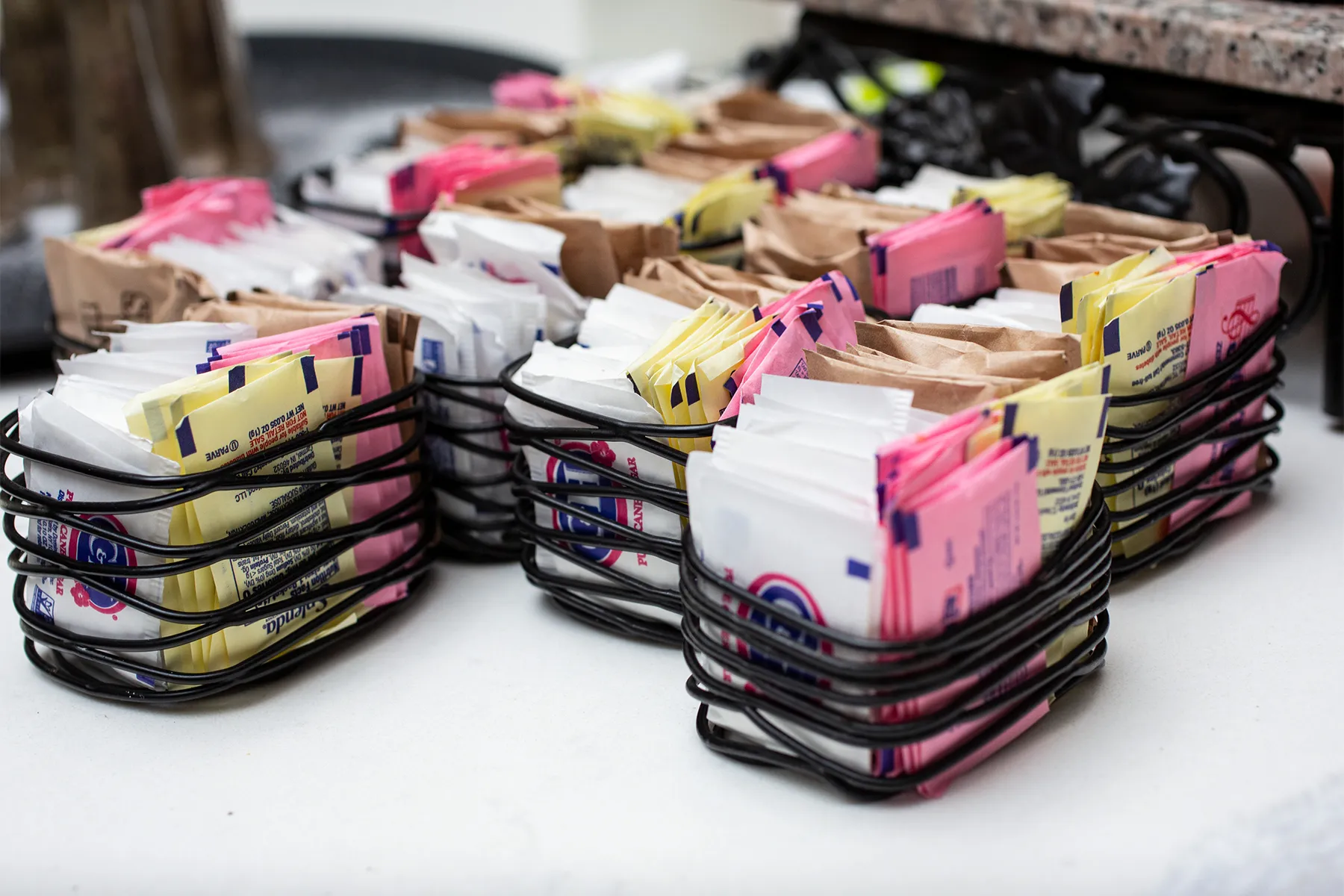
Artificial sweeteners are sugar substitutes that provide intense sweetness with few or no calories. They are also called nonnutritive sweeteners, low-calorie sweeteners, non-caloric sweeteners, or high-intensity sweeteners. They are much sweeter than table sugar, so only a tiny amount is needed to sweeten foods and beverages.
Common artificial sweeteners and low-calorie sweeteners include:
- Aspartame, often found in diet sodas, sugar-free gum, and tabletop packets.
- Sucralose, commonly used in beverages, baking products, and packaged foods.
- Saccharin, one of the oldest artificial sweeteners.
- Acesulfame potassium, also called Ace-K, often blended with other sweeteners.
- Neotame and advantame, very high-intensity sweeteners used in some processed foods.
- Stevia and monk fruit extracts, plant-derived sweeteners often marketed as natural options.
- Sugar alcohols, such as erythritol, xylitol, sorbitol, and maltitol, which are lower-calorie sweeteners but not always calorie-free.
Technically, stevia, monk fruit, and sugar alcohols are not all “artificial” in the same way as aspartame or sucralose. Still, many shoppers group them together because they serve the same purpose: making food taste sweet without adding the same amount of sugar.
Why People With Diabetes Use Artificial Sweeteners
Diabetes management often involves paying close attention to carbohydrates because carbohydrates break down into glucose. Regular sugar, honey, agave, syrups, and many sweetened drinks can raise blood sugar quickly. Artificial sweeteners offer sweetness without the same fast-acting carbohydrate hit.
For someone with diabetes, this can be helpful in several everyday situations. Replacing regular soda with a diet drink may reduce sugar intake. Using a nonnutritive sweetener in coffee may prevent a small daily habit from becoming a blood sugar roller coaster. Choosing a sugar-free sports drink may be useful when hydration is needed without extra glucose, although athletes and people at risk of low blood sugar should follow individualized advice.
The key phrase is replacing sugar. Artificial sweeteners are most useful when they take the place of added sugar, not when they give a food a health halo it has not earned. A sugar-free brownie can still contain refined flour, saturated fat, and enough calories to make your meal plan sigh dramatically.
Do Artificial Sweeteners Raise Blood Sugar?
Most artificial sweeteners do not directly raise blood glucose in the same way table sugar does. That is why they are commonly used in diabetes-friendly meal planning. They contain little or no carbohydrate, and the body does not break them down into glucose like it does with sugar.
However, the answer is not perfectly simple. Some research suggests that certain sweeteners may affect insulin response, appetite, gut bacteria, or glucose regulation in some people. These effects appear to vary depending on the sweetener, the amount consumed, the person’s metabolism, and the overall diet.
In plain English: a packet of sweetener in your iced tea is unlikely to behave like a spoonful of sugar. But drinking several large diet beverages every day while eating a highly processed diet is not exactly a wellness strategy carved into stone tablets.
Are Artificial Sweeteners Safe for People With Diabetes?
For most people with diabetes, approved artificial sweeteners are considered safe when used within recommended limits. The FDA reviews high-intensity sweeteners before they are allowed in foods and sets an acceptable daily intake, or ADI, for many of them. The ADI is an estimate of how much a person can consume daily over a lifetime without expected harm.
That does not mean everyone should consume as much as possible. Safety limits are not goals. They are guardrails. Think of them like the maximum speed limit, not a personal challenge from your car.
Professional diabetes nutrition guidance generally supports the idea that sugar substitutes can help reduce added sugar and carbohydrate intake. But the best diabetes eating pattern still focuses on vegetables, lean proteins, high-fiber carbohydrates, healthy fats, water, and minimally processed foods. Artificial sweeteners can fit into that pattern, but they should not become the foundation of it.
The Benefits of Artificial Sweeteners for Diabetes
They Can Reduce Added Sugar Intake
Added sugar is easy to overconsume, especially in soda, sweet tea, flavored coffee drinks, desserts, breakfast cereals, sauces, and packaged snacks. Replacing some of that sugar with low-calorie sweeteners can reduce total sugar intake. For people with diabetes, this may help with blood sugar management and meal planning.
They May Help Lower Calorie Intake
Some people use artificial sweeteners to reduce calories, especially when switching from sugar-sweetened beverages to diet or zero-sugar drinks. This can support weight management when it is part of a broader eating pattern. The catch is that the benefit disappears if the saved calories are “spent” elsewhere. Ordering a diet soda with a giant dessert is not illegal, but your metabolism is allowed to file a complaint.
They Offer Flexibility
Diabetes management can feel restrictive. Sugar substitutes may help people enjoy familiar flavors while keeping carbohydrates in check. A sweetened cup of coffee, a low-sugar yogurt, or a sugar-free gelatin dessert can make a meal plan feel more realistic and less like a punishment invented by a broccoli lobbyist.
Possible Concerns and What the Research Says
Long-Term Metabolic Effects Are Still Being Studied
Short-term blood sugar effects are only one part of the story. Researchers continue to study whether frequent artificial sweetener use may influence insulin sensitivity, appetite, weight, gut microbiome changes, or diabetes risk over time. Some observational studies have found associations between high intake of diet drinks or artificial sweeteners and metabolic problems. But association does not prove cause and effect.
People who already have higher diabetes risk may be more likely to choose diet products, which can make research difficult to interpret. In other words, diet soda may be present at the scene of the crime without being the villain holding the candlestick.
Sweet Taste May Keep Sugar Cravings Alive
Artificial sweeteners are intensely sweet. For some people, regular use may maintain a strong preference for sweet flavors. That can make fruit taste less exciting and unsweetened foods seem boring. If your taste buds expect dessert-level sweetness from breakfast to bedtime, plain oatmeal does not stand much of a chance.
A gradual reduction approach can help. Instead of switching from sugary drinks to unlimited diet drinks forever, some people do better by using sugar substitutes as a bridge while slowly moving toward water, sparkling water, unsweetened tea, or coffee with less sweetness.
Sugar Alcohols Can Cause Digestive Problems
Sugar alcohols such as sorbitol, maltitol, xylitol, and erythritol are common in sugar-free candies, protein bars, gum, and low-carb desserts. They usually have less impact on blood sugar than regular sugar, but they can cause bloating, gas, cramps, or diarrhea, especially in larger amounts.
Maltitol deserves special attention because it can still raise blood sugar in some people. A “sugar-free” candy sweetened with maltitol may not be as blood-glucose-friendly as the front of the package suggests. The Nutrition Facts label is more trustworthy than the marketing department.
Cardiovascular Questions Are Still Emerging
Some recent research has raised questions about certain sugar substitutes, especially erythritol and possible cardiovascular risk. These findings do not mean everyone must panic-throw their sugar-free mints into the street. They do mean that people with diabetes, heart disease, kidney disease, or high cardiovascular risk should avoid heavy use of sugar alcohols and discuss concerns with a registered dietitian or healthcare professional.
Common Artificial Sweeteners: A Practical Diabetes Guide
Aspartame
Aspartame is used in many diet drinks, tabletop sweeteners, and sugar-free foods. It is not heat-stable enough for all baking uses. Most people can consume it safely within recommended limits. However, people with phenylketonuria, or PKU, must avoid aspartame because it contains phenylalanine.
Sucralose
Sucralose is popular because it is very sweet and more heat-stable than aspartame, making it common in baking blends and processed foods. It generally does not raise blood sugar directly, though the full food product still matters. A cake made with sucralose may still contain flour and calories.
Saccharin
Saccharin has been used for decades and is often found in tabletop sweeteners. Earlier cancer concerns from animal studies did not translate clearly to humans, and it remains approved for use. Its taste can be slightly bitter or metallic, which is why some people love it and others act like it insulted their grandmother.
Acesulfame Potassium
Acesulfame potassium, or Ace-K, is often combined with other sweeteners to improve flavor. It is common in diet beverages, protein products, and packaged foods. Like other high-intensity sweeteners, it contributes little or no carbohydrate.
Stevia
Stevia sweeteners come from steviol glycosides extracted from the stevia plant. They are very sweet and generally have minimal effects on blood glucose. Some products blend stevia with other ingredients, so people with diabetes should still read labels.
Monk Fruit
Monk fruit extract is another plant-derived sweetener that has become popular in low-carb and diabetes-friendly products. It provides sweetness without significant carbohydrates. However, many monk fruit products are mixed with erythritol or other fillers, so the ingredient list matters.
Erythritol and Other Sugar Alcohols
Erythritol, xylitol, sorbitol, and maltitol are sugar alcohols. They are not absorbed exactly like regular sugar, so they often have less impact on blood glucose. But tolerance varies. Large servings can cause digestive discomfort, and emerging research has made heavy erythritol use a topic worth watching closely.
How to Read Labels Without Getting Fooled
Food labels can be tricky. “Sugar-free” does not mean carbohydrate-free. “No added sugar” does not mean low calorie. “Keto-friendly” does not mean your blood sugar meter will applaud.
When choosing sweetened products, check:
- Total carbohydrates: This number matters most for blood glucose planning.
- Added sugars: Lower is usually better for diabetes management.
- Sugar alcohols: These may have less impact than sugar but can affect digestion and sometimes blood glucose.
- Serving size: A label may look friendly until you realize the package contains three tiny servings designed for squirrels.
- Fiber and protein: Foods higher in fiber and protein may support steadier blood sugar.
- Ingredient list: Look for sweetener blends, refined starches, and hidden sugars.
Artificial Sweeteners vs. Natural Sugars
Many people assume honey, maple syrup, coconut sugar, agave, and raw sugar are healthier because they sound closer to nature. They may contain tiny amounts of minerals or plant compounds, but they still provide carbohydrates and can raise blood sugar. Agave may sound like it does yoga at sunrise, but it is still a sweetener.
For diabetes, the body responds more to carbohydrate content than to marketing language. Natural sweeteners are not automatically better for blood glucose. Whole fruit, however, is different. Fruit contains natural sugar along with fiber, water, vitamins, minerals, and antioxidants. A whole orange is not the same as orange soda, no matter how much soda commercials wave citrus slices at you.
Should You Drink Diet Soda if You Have Diabetes?
Diet soda can be better for blood sugar than regular soda because it does not contain the same sugar load. For someone who drinks several regular sodas a day, switching to diet soda may significantly reduce added sugar and carbohydrate intake.
But water is still the gold standard. Unsweetened tea, sparkling water, infused water, and black coffee are also good options. Diet soda can be an occasional or transitional choice, but it should not crowd out healthier drinks. Your body does not require cola in order to function, despite what your afternoon cravings may claim in court.
Who Should Be More Careful?
Most people with diabetes can use artificial sweeteners moderately, but some groups should be more cautious:
- People with PKU must avoid aspartame.
- People with digestive sensitivity may need to limit sugar alcohols.
- People with cardiovascular disease or high heart risk should be cautious with heavy use of erythritol and similar products until more research is clear.
- Pregnant people with diabetes should follow guidance from their healthcare team.
- Children and teens with diabetes should focus on balanced eating habits rather than relying heavily on artificially sweetened products.
Smart Ways to Use Artificial Sweeteners With Diabetes
The safest and most practical approach is moderation. Artificial sweeteners can be part of a diabetes-friendly lifestyle, but they work best as a tool, not a personality trait.
Use Them to Replace, Not Add
If a sugar substitute helps you replace regular soda, sweet tea, or sugar-heavy coffee drinks, that can be useful. If it simply encourages more sweet snacks, the benefit shrinks.
Reduce Sweetness Gradually
Try using slightly less sweetener over time. Your taste buds can adapt. Eventually, foods that once tasted “not sweet enough” may taste perfectly fine.
Prioritize Whole Foods
Build meals around vegetables, beans, lentils, whole grains, lean protein, nuts, seeds, and healthy fats. Artificial sweeteners cannot fix a low-fiber, ultra-processed diet.
Test Your Own Response
People with diabetes often learn best from their own blood sugar patterns. If you use a glucose meter or continuous glucose monitor, compare your response to different foods. A sugar-free pudding, a diet drink, and a low-carb protein bar may affect you differently.
Watch the Entire Product
A sweetener may not raise blood sugar, but the rest of the food might. Always look at total carbohydrates, not just sugar content.
Real-Life Experiences: What People Often Notice
In real life, artificial sweeteners are rarely a dramatic hero or villain. They are more like a kitchen sidekick: helpful when used well, annoying when overused, and definitely not qualified to run the whole show.
Many people with diabetes describe their first success with artificial sweeteners as a beverage swap. Someone who drinks two cans of regular soda every day may replace them with diet soda, unsweetened iced tea, or flavored sparkling water. The result can be immediate: fewer grams of sugar, fewer liquid calories, and fewer sharp blood sugar rises. This is one of the clearest examples of how sugar substitutes can help. Liquid sugar is absorbed quickly, and removing it can make glucose management less chaotic.
Another common experience happens with morning coffee. A person may start with several teaspoons of sugar, then switch to a low-calorie sweetener. Over time, they may use half as much sweetener, then less milk or creamer, and eventually enjoy coffee that is only mildly sweet. This gradual approach works because it does not demand perfection overnight. Diabetes management is hard enough without requiring someone to wake up one morning and suddenly enjoy bitter coffee like a philosopher in a black turtleneck.
Some people also find that sugar-free desserts help them feel less deprived. A small portion of sugar-free gelatin, a low-sugar yogurt, or a homemade dessert made with a diabetes-friendly sweetener can fit into a meal plan. The emotional benefit matters. Feeling included at birthdays, holidays, or family dinners can make healthy eating more sustainable.
But there are also less charming experiences. Sugar-free candies made with sugar alcohols can cause digestive drama. People often learn this lesson after eating “just a few” pieces, then discovering that their stomach has filed an urgent complaint. Gas, bloating, and diarrhea are common when sugar alcohols are eaten in larger amounts. This is why portion size matters, even when the label says sugar-free.
Others notice that diet drinks keep them craving sweet foods. This does not happen to everyone, but it is real for some. A sweet beverage at lunch may lead to wanting something sweet after dinner. In that case, reducing sweet taste exposure may be more helpful than simply switching brands.
There is also the “health halo” trap. People may buy sugar-free cookies, low-carb bars, or keto desserts and assume they are automatically good for diabetes. Then their blood sugar rises because the product still contains refined flour, starches, or a large serving of calories. This is frustrating but useful feedback. The front label sells the dream; the Nutrition Facts panel tells the truth.
The best personal strategy is usually flexible. Use artificial sweeteners when they genuinely help reduce sugar. Choose water more often. Keep sweetened products occasional. Check blood sugar patterns. Read labels. And remember that diabetes management is not about never enjoying sweetness again. It is about making sweetness fit into your life without letting it drive the bus, honk the horn, and choose the radio station.
Final Verdict: Are Artificial Sweeteners Safe for Diabetes?
Yes, artificial sweeteners can be safe for people with diabetes when used in moderation and within approved limits. They can help reduce added sugar, lower carbohydrate intake, and prevent some blood sugar spikes when used instead of regular sugar. They are especially useful for replacing sugar-sweetened beverages and reducing daily added sugar habits.
However, they are not a free pass to ignore overall nutrition. The healthiest diabetes-friendly diet still emphasizes whole foods, fiber-rich carbohydrates, lean proteins, healthy fats, and unsweetened drinks. Artificial sweeteners are best used as a practical tool, not a nutritional shortcut.
The smartest approach is simple: use them when they help, do not overdo them, read labels carefully, and pay attention to your own blood sugar response. When in doubt, talk with a registered dietitian, certified diabetes care and education specialist, or healthcare provider. Your meal plan should fit your body, your preferences, and your real lifenot just a headline you saw while scrolling at midnight.
Note: This article is for educational purposes only and should not replace personalized medical advice. People with diabetes should work with a qualified healthcare professional for individual nutrition guidance.