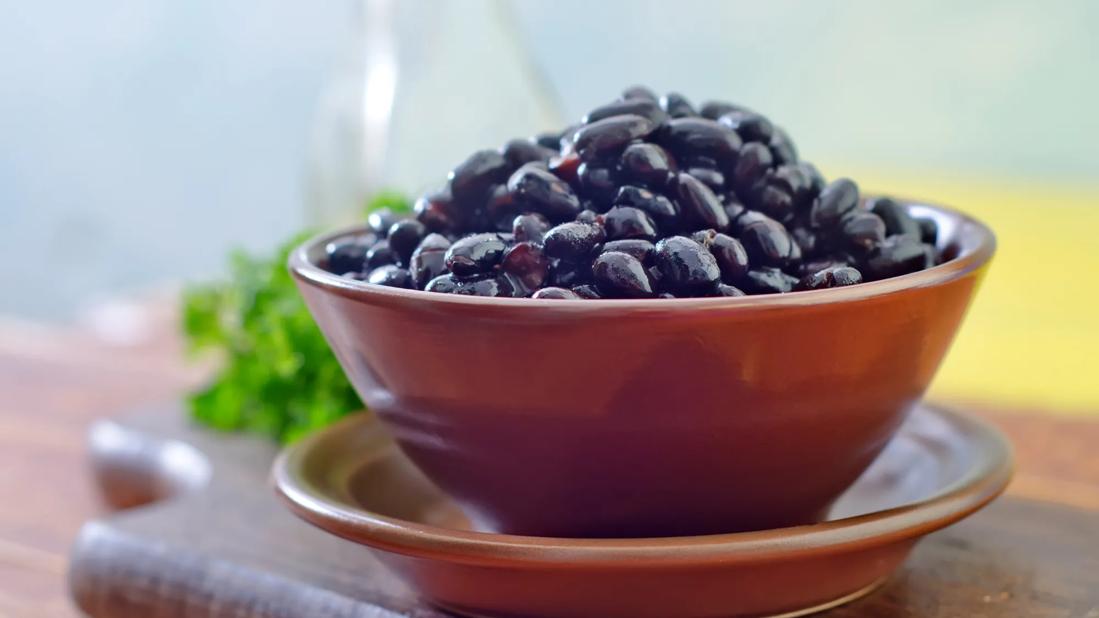
Yes, black beans are very good for youand unlike many “superfoods,” they do not require a tiny jar, a luxury grocery store, or a suspiciously enthusiastic wellness influencer. Black beans are affordable, easy to cook, shelf-stable, filling, and packed with nutrients that support heart health, digestion, blood sugar balance, and everyday energy.
They are also wonderfully practical. You can add them to tacos, burrito bowls, soups, salads, chili, omelets, veggie burgers, dips, and even brownies if you enjoy confusing people at potlucks in the most nutritious way possible. But beyond their kitchen flexibility, black beans deserve attention because they deliver a rare combination: plant-based protein, complex carbohydrates, fiber, minerals, and antioxidants in one humble little package.
So, are black beans healthy enough to eat regularly? For most people, absolutely. The real question is not whether black beans are good for you. The better question is: why are we not giving them a tiny cape?
Black Beans Nutrition: What Is Actually Inside?
Black beans belong to the legume family, along with lentils, chickpeas, kidney beans, navy beans, peas, and peanuts. Nutritionally, they sit in a sweet spot between protein food and high-fiber carbohydrate. That means they can help make a meal feel hearty without relying on heavy amounts of meat, cheese, or refined grains.
A one-cup serving of cooked black beans, boiled without added salt, contains approximately:
| Nutrient | Approximate Amount per 1 Cup Cooked |
|---|---|
| Calories | 227 |
| Protein | 15 grams |
| Fiber | 15 grams |
| Carbohydrates | 41 grams |
| Fat | Less than 1 gram |
| Iron | About 3.6 milligrams |
| Magnesium | About 120 milligrams |
| Potassium | About 611 milligrams |
That is a lot of nutrition for a food that often costs less than a fancy coffee. Black beans are naturally cholesterol-free, very low in fat, and rich in complex carbs that digest more slowly than refined starches. They also provide folate, phosphorus, zinc, copper, manganese, and plant compounds that contribute to their deep black color.
Health Benefits of Black Beans
1. Black Beans Are Excellent for Digestive Health
If your digestive system had a suggestion box, it would probably ask for more fiber. Black beans are loaded with both soluble and insoluble fiber. Insoluble fiber helps move food through the digestive tract, supporting regular bowel movements. Soluble fiber forms a gel-like substance during digestion and can help support cholesterol and blood sugar control.
Black beans also contain resistant starch, a type of carbohydrate that resists digestion in the small intestine. Instead of being quickly broken down, it travels to the colon, where beneficial gut bacteria can ferment it. This process produces short-chain fatty acids, which help nourish the cells lining the colon and support a healthier gut environment.
Translation: black beans feed you, and then they feed your good gut bacteria. That is teamwork.
2. They Support Heart Health
Black beans are a heart-friendly food for several reasons. First, their fiber can help support healthier cholesterol levels. Second, they provide potassium and magnesium, two minerals involved in healthy blood pressure regulation. Third, black beans contain no dietary cholesterol and almost no saturated fat.
Replacing some higher-saturated-fat foods with black beans can make meals more balanced. For example, a bowl made with brown rice, black beans, salsa, avocado, roasted peppers, and grilled chicken or tofu gives you protein, fiber, healthy fats, and colorful produce in one easy meal. It is satisfying without needing a mountain of sour cream to make it interesting.
The American Heart Association recommends beans and other legumes as part of a healthy eating pattern because they provide plant protein, minerals, and fiber without the saturated fat found in many animal proteins. That does not mean everyone must become vegetarian. It simply means black beans can help shift meals in a more heart-smart direction.
3. Black Beans May Help With Blood Sugar Balance
Black beans contain carbohydrates, but they are not the same as candy, soda, or white bread. Their carbs come packaged with fiber, protein, and resistant starch, which slows digestion and helps reduce sharp blood sugar spikes.
This makes black beans a smart carbohydrate choice for many people who want steady energy. The CDC encourages fiber-rich foods, including beans and other legumes, as part of balanced eating for people managing blood sugar. Instead of fearing all carbs, it is more helpful to choose carbs that bring useful nutrients along for the ride.
A practical example: compare a plate of white rice alone with a plate of rice mixed with black beans, vegetables, and a protein source. The second plate has more fiber, more protein, more micronutrients, and usually keeps you full longer. Your body notices the difference, even if your taste buds are mostly thinking about salsa.
4. They Help You Feel Full Longer
Black beans are a satiety superstar. Protein and fiber are both known for helping meals feel more filling, and black beans contain plenty of both. This can be useful for people trying to manage snacking, build balanced meals, or avoid the classic “I ate lunch but now I am spiritually connected to the vending machine” situation.
Because black beans are filling and relatively low in fat, they add volume and substance without adding a huge calorie load. A half-cup serving can turn a small salad into a meal. One cup can make soup more satisfying. Mashed black beans can also work as a spread in wraps, replacing heavier sauces while adding nutrition.
5. Black Beans Provide Plant-Based Protein
One cup of cooked black beans provides about 15 grams of protein. That is impressive for a plant food. While black beans are not a “complete protein” in the same way eggs, dairy, soy, meat, or fish are, this is not a big problem for most people who eat a varied diet.
Pairing black beans with grains, nuts, seeds, vegetables, or other protein sources throughout the day helps cover essential amino acid needs. The classic combination of beans and rice exists for a reason. It is budget-friendly, satisfying, and nutritionally smart. Also, it tastes like someone made responsible eating less boring on purpose.
6. They Contain Antioxidants
The dark color of black beans comes partly from anthocyanins and other polyphenols, natural plant compounds with antioxidant activity. Antioxidants help protect cells from oxidative stress, which is associated with aging and chronic disease risk.
That does not mean black beans are magic medicine. No single food can cancel out poor sleep, constant stress, or a diet built entirely on drive-thru fries. But as part of a balanced eating pattern, black beans contribute valuable protective plant compounds along with their better-known nutrients.
Are Canned Black Beans Healthy?
Yes, canned black beans can be healthy. In fact, they are one of the easiest ways to eat more legumes. They are already cooked, affordable, and ready in about the time it takes to find the can opener you definitely put “somewhere obvious.”
The main concern with canned black beans is sodium. Many canned beans are packed with added salt. The good news is simple: drain and rinse them. Research summarized by university extension resources shows that draining and rinsing canned beans can significantly reduce sodium content. Choosing “low sodium” or “no salt added” versions is even better when available.
Do canned beans lose nutrition when rinsed? Not much. You may rinse away some starchy liquid and a little sodium, but the beans still keep their fiber, protein, minerals, and general nutritional value. For most recipes, rinsed canned black beans are an excellent choice.
Are Dry Black Beans Better Than Canned?
Dry black beans and canned black beans can both fit into a healthy diet. Dry beans are usually cheaper per serving and allow you to control sodium completely. They also have a firmer texture when cooked well, which is great for soups, stews, and meal prep.
Canned beans win on convenience. They are perfect for quick lunches, weeknight dinners, dorm-room meals, office salads, and those evenings when cooking from scratch sounds as appealing as assembling furniture with missing instructions.
The healthiest option is the one you will actually use. If dry beans sit in the pantry for three years while canned beans get tossed into meals twice a week, canned beans are doing more for your health. Nutrition is not only about perfection. It is about patterns.
Do Black Beans Cause Gas?
Let us discuss the musical reputation of beans. Black beans contain oligosaccharides, a type of carbohydrate that some people have trouble digesting. Gut bacteria ferment these carbohydrates, which can produce gas. This is normal, but it can be uncomfortable, especially if you suddenly go from eating almost no fiber to eating a heroic bowl of beans.
To make black beans easier on digestion, try these tips:
- Start with smaller portions, such as one-quarter to one-half cup.
- Increase intake gradually so your gut can adjust.
- Rinse canned beans thoroughly before eating.
- Soak dry beans, discard the soaking water, rinse, and cook fully.
- Try spices such as cumin, ginger, bay leaf, or fennel in bean dishes.
- Chew slowly, because your stomach does not own a blender.
People with irritable bowel syndrome or sensitivity to high-FODMAP foods may need to be more cautious. Some tolerate small portions of canned, well-rinsed beans better than large servings of dry-cooked beans. Personal tolerance matters.
Can You Eat Black Beans Every Day?
Many people can eat black beans daily, especially in reasonable portions. A typical serving is one-half cup cooked, though active people or those using beans as a main protein source may eat more. The key is balance. Black beans are nutritious, but your body still needs a variety of foods: fruits, vegetables, whole grains, nuts, seeds, lean proteins, healthy fats, and enough fluids.
If you are increasing your fiber intake, do it gradually and drink enough water. Fiber works best when it has fluid to help it move through the digestive tract. Jumping from low fiber to “bean champion of North America” overnight may lead to bloating, cramps, and regret.
People with kidney disease, certain potassium restrictions, or specific digestive conditions should ask a healthcare professional about the right portion size. Black beans are high in potassium and fiber, which is usually beneficial but may need monitoring in certain medical situations.
Best Ways to Eat Black Beans
Black beans are incredibly versatile. They absorb flavor well, which means they can be smoky, spicy, citrusy, savory, or even slightly sweet depending on how you prepare them.
Easy Black Bean Meal Ideas
- Breakfast: Add black beans to scrambled eggs, breakfast tacos, or a veggie hash.
- Lunch: Toss them into salads with corn, tomatoes, avocado, cilantro, and lime.
- Dinner: Use them in chili, burrito bowls, enchiladas, soups, or stuffed sweet potatoes.
- Snacks: Blend black beans into a dip with garlic, lime juice, cumin, and olive oil.
- Meal prep: Mix black beans with brown rice, roasted vegetables, salsa, and grilled protein.
One of the easiest combinations is black beans, rice, sautéed onions, bell peppers, cumin, garlic, and a squeeze of lime. Add a fried egg or grilled chicken if you want more protein. Add avocado if you want creaminess. Add hot sauce if you believe food should come with a little drama.
Black Beans vs. Other Beans
Are black beans healthier than pinto beans, kidney beans, navy beans, or chickpeas? Not necessarily. Different beans offer slightly different nutrient profiles, but most legumes are excellent sources of fiber, plant protein, vitamins, and minerals.
Black beans stand out for their dark antioxidant-rich skin and their dense, creamy texture. Pinto beans are also high in fiber and work beautifully in Mexican-inspired dishes. Chickpeas are great for salads and hummus. Lentils cook quickly and are perfect for soups. Kidney beans are classic in chili. The best strategy is to rotate them. Your meals get more interesting, and your nutrient intake becomes more diverse.
Are Black Beans Good for Weight Management?
Black beans can support weight management because they are filling, nutrient-dense, and easy to use in meals that do not feel like punishment. Their fiber and protein help slow digestion and improve fullness, which may naturally reduce the urge to snack soon after eating.
However, black beans are not a weight-loss trick. They work best as part of an overall eating pattern. A black bean bowl loaded with vegetables, salsa, herbs, and a reasonable portion of rice is different from a giant plate of nachos covered with cheese, sour cream, and a shy tablespoon of beans hiding underneath. Context matters. Beans are healthy, but they are not tiny nutrition lawyers who can defend every ingredient around them.
Possible Downsides of Black Beans
Black beans are healthy for most people, but there are a few things to know.
Digestive Discomfort
Gas and bloating are the most common complaints. Rinsing, soaking, cooking thoroughly, and increasing portions slowly can help.
Sodium in Canned Beans
Regular canned black beans may contain added sodium. Choose low-sodium options or drain and rinse them before use.
Antinutrients
Black beans contain compounds such as lectins and phytates, sometimes called antinutrients because they can interfere with nutrient absorption in large amounts. Proper soaking and cooking greatly reduce these compounds. Canned beans are already cooked, so they are safe to eat after draining and rinsing.
Potassium Concerns
Black beans are rich in potassium. That is beneficial for many people, but those with kidney disease or potassium restrictions should follow medical guidance.
How Much Black Beans Should You Eat?
A good starting portion is one-half cup of cooked black beans. This amount gives you meaningful fiber and protein without overwhelming your digestive system. If you tolerate beans well, one cup can be a strong serving in a main meal.
For general healthy eating, adding beans several times per week is a smart goal. They can count toward protein foods or vegetables, depending on the meal pattern you follow. The important part is consistency. A small serving of black beans added to regular meals can do more over time than one giant bean feast followed by six months of avoidance.
Experience Section: What Eating Black Beans Regularly Feels Like in Real Life
Adding black beans to your routine is not like starting a complicated diet plan with color-coded containers and a spreadsheet named “New Me Final Final Version.” It is much simpler. You open a can, rinse the beans, season them well, and suddenly your meal has more fiber, protein, texture, and staying power.
In everyday eating, black beans are especially helpful because they solve common meal problems. If lunch never keeps you full, adding black beans to a salad or grain bowl can make a noticeable difference. A plain lettuce salad may leave you hungry in an hour, but lettuce with black beans, corn, tomatoes, avocado, chicken or tofu, and lime dressing feels like an actual meal. It has chew, color, flavor, and enough substance to keep your brain from thinking about snacks during your next meeting.
For busy households, black beans are also a budget hero. A few cans in the pantry can turn random leftovers into dinner. Leftover rice becomes a burrito bowl. Roasted vegetables become a taco filling. A lonely sweet potato becomes a hearty meal when topped with black beans, salsa, Greek yogurt, and cilantro. Even soup becomes more filling with a cup of beans stirred in near the end.
One of the best experiences with black beans is how well they accept seasoning. Plain black beans are fine, but seasoned black beans are where the magic happens. Simmer them with garlic, onion, cumin, smoked paprika, chili powder, oregano, and a splash of lime juice. Add a little broth if you want them saucy. Mash a few beans against the side of the pan to thicken the mixture naturally. In ten minutes, you have something that tastes like you tried much harder than you did. This is the culinary equivalent of wearing a blazer over a T-shirt.
Black beans are also forgiving for beginners. Overcook them a little? Mash them into dip. Under-seasoned them? Add salsa. Made too many? Freeze them in portions. Bought canned beans by accident instead of dry? Congratulations, dinner is faster now. They are low-drama, which is more than can be said for many foods that claim to “transform your life.”
The digestive adjustment is real, though. If someone rarely eats beans, jumping into a giant black bean chili may lead to bloating. The better approach is to start small. Add a quarter cup to meals for a few days, then increase gradually. Rinse canned beans well. Drink water. Let your gut learn the new routine. After a while, many people tolerate beans better and appreciate how steady their energy feels after meals.
Another real-life benefit is that black beans make healthy eating feel less expensive. Fresh berries, salmon, specialty protein bars, and boutique salads can be great, but they are not always budget-friendly. Black beans are. They offer serious nutrition at a low cost, which makes them useful for students, families, meal preppers, and anyone who wants to eat well without treating the grocery store like a luxury vacation.
In my experience-based view of practical nutrition, black beans work because they are not fussy. They fit into familiar foods: tacos, rice bowls, soups, nachos, salads, wraps, eggs, and dips. They help meals feel complete. They support long-term health without asking you to reorganize your entire personality around lunch. That is what makes them so valuable. The best healthy foods are not just nutrient-rich; they are repeatable. Black beans pass that test beautifully.
Final Verdict: Are Black Beans Good for You?
Black beans are one of the most useful foods you can keep in your kitchen. They are rich in fiber, plant-based protein, iron, magnesium, potassium, folate, and antioxidants. They support digestion, heart health, blood sugar balance, fullness, and overall diet quality. They are also affordable, flexible, and easy to prepare.
For most people, black beans are not just good for youthey are one of the smartest everyday foods available. Choose low-sodium canned beans or cook dry beans from scratch, season them well, and pair them with colorful vegetables, whole grains, and healthy fats. Your meals will be tastier, more filling, and more nutritious.
In short: yes, black beans are good for you. They may be small, but nutritionally speaking, they show up to work wearing steel-toed boots.