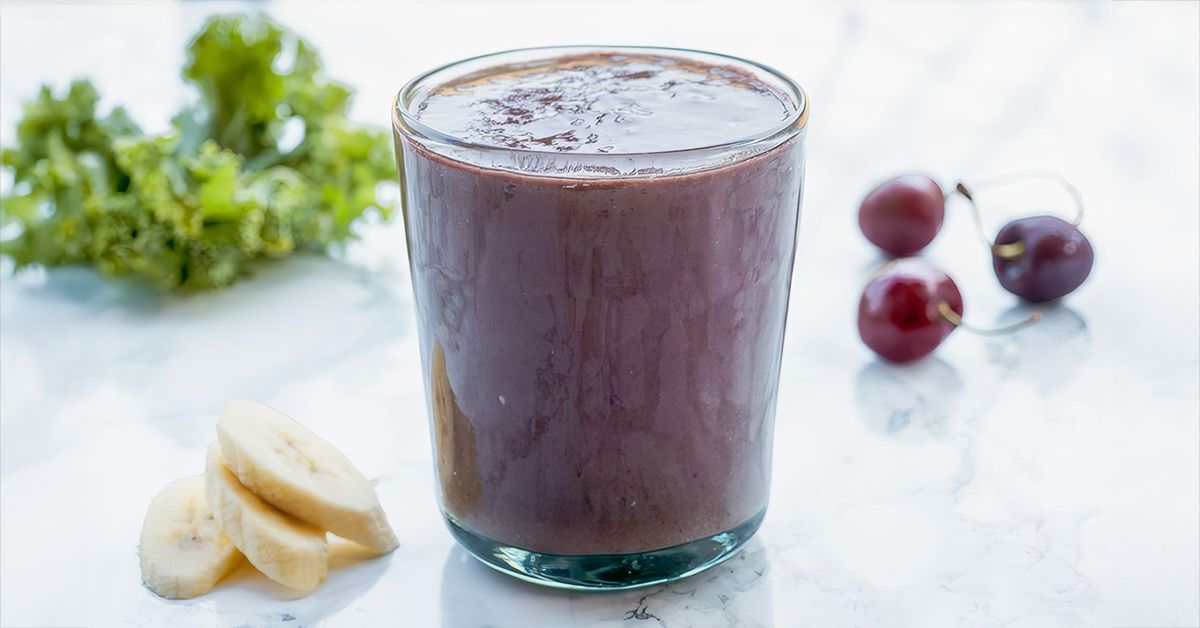
Some smoothies whisper, “I am healthy.” This acai, cherry and kale smoothie walks into the kitchen wearing purple sunglasses and says, “I brought antioxidants, fiber, greens, and a blender party.” It is bold in color, bright in flavor, and surprisingly balanced for a drink that looks like it belongs in a boutique juice bar with a tiny fern on the counter.
The beauty of an acai, cherry and kale smoothie is that it tastes like a berry dessert but behaves more like a smart breakfast or energizing snack. Acai adds deep berry flavor and a gorgeous purple base. Cherries bring natural sweetness and a tart, juicy finish. Kale contributes leafy-green nutrients without taking over the glass like an overenthusiastic salad. Add a creamy base, a little protein, and the right blending technique, and you get a smoothie that is refreshing, filling, and actually enjoyable to drink.
This guide covers what makes the smoothie work, how to build it, ingredient swaps, nutrition highlights, common mistakes, and real-world experience tips for making it taste great every time.
What Is an Acai, Cherry and Kale Smoothie?
An acai, cherry and kale smoothie is a blended drink made with acai puree or acai powder, cherries, kale, and a liquid base such as unsweetened almond milk, dairy milk, oat milk, soy milk, coconut water, or plain water. Many versions also include banana, Greek yogurt, protein powder, chia seeds, flaxseed, nut butter, or avocado to improve texture and make the smoothie more satisfying.
The best version is not just fruit thrown into a blender and hoped into greatness. It is a balanced blend of fruit, greens, protein, fiber, and enough liquid to keep everything moving. Think of it as a tiny nutrition strategy wearing a smoothie costume.
Why Acai, Cherries, and Kale Work So Well Together
Acai Adds Deep Berry Flavor and Antioxidant Power
Acai berries are small purple fruits from the acai palm, often sold in the United States as frozen puree packets or powder. They are known for their dark color, which comes from plant compounds called anthocyanins. In flavor, acai is earthy, berry-like, slightly tart, and not overly sweet. That makes it a perfect partner for cherries, banana, and creamy ingredients.
One important shopping tip: choose unsweetened acai whenever possible. Many frozen acai packets contain added sugar, which can turn a healthy smoothie into a purple dessert milkshake wearing gym shoes. Unsweetened acai gives you more control over the flavor and sweetness.
Cherries Bring Sweetness, Tartness, and Color
Cherries are the flavor bridge in this smoothie. Sweet dark cherries make the drink rich and dessert-like, while tart cherries create a brighter, tangier blend. Frozen cherries are especially useful because they chill and thicken the smoothie without needing much ice.
Cherries also pair beautifully with cacao, vanilla, cinnamon, almond butter, and Greek yogurt. If you have ever eaten cherry pie and thought, “This would be better if it had kale,” congratulations: this smoothie is your oddly specific destiny.
Kale Adds Green Goodness Without Ruining the Flavor
Kale is a dark leafy green rich in nutrients, including vitamin K, vitamin C, carotenoids, and fiber. In smoothies, it can taste stronger than spinach, but the right ingredients soften its earthy edge. Cherries and acai do most of the flavor work, while banana or yogurt helps mellow kale’s texture.
Baby kale is the easiest option because it is tender and mild. Curly kale works too, but remove the tough stems first. Those stems are great for compost, not for a smoothie that should not require chewing.
Acai, Cherry and Kale Smoothie Recipe
Ingredients
- 1 frozen unsweetened acai packet, or 1 tablespoon acai powder
- 1 cup frozen pitted cherries
- 1 cup chopped baby kale or stemmed curly kale
- 1 small banana, preferably frozen
- 3/4 cup unsweetened almond milk, dairy milk, soy milk, or oat milk
- 1/2 cup plain Greek yogurt, or a plant-based yogurt alternative
- 1 tablespoon chia seeds or ground flaxseed
- 1 teaspoon lemon juice, optional, for brightness
- 1/2 teaspoon vanilla extract, optional
- Ice, only if needed
Instructions
- Add the liquid to the blender first. This helps the blades move smoothly.
- Add yogurt, acai, cherries, banana, kale, seeds, lemon juice, and vanilla.
- Blend on low for 10 to 15 seconds, then increase to high speed.
- Blend until creamy, usually 45 to 60 seconds depending on your blender.
- If the smoothie is too thick, add liquid one tablespoon at a time.
- If it is too thin, add more frozen cherries, banana, or a few ice cubes.
- Taste and adjust. Add extra lemon for brightness or cinnamon for warmth.
- Pour into a glass and drink right away for the best texture.
Nutrition Benefits of This Smoothie
This acai, cherry and kale smoothie can be a smart breakfast, post-workout snack, or afternoon pick-me-up because it includes several food groups in one glass. The fruit contributes natural sweetness and beneficial plant compounds. Kale adds leafy-green nutrients. Yogurt or milk provides protein and creaminess. Chia seeds or flaxseed add fiber and healthy fats.
A balanced smoothie should not be only fruit and juice. While fruit is nutritious, blending several servings with sweetened juice can create a drink that is high in sugar and not very filling. A better formula is simple: fruit for flavor, vegetables for nutrients, protein for staying power, and fiber-rich extras for texture and fullness.
Fiber Helps Make It More Satisfying
Fiber is one reason smoothies can feel more filling than juices. When whole fruits, greens, and seeds are blended, much of the fiber remains in the drink. Cherries, kale, chia seeds, flaxseed, and banana all help create a smoothie that has more body and staying power than a juice-based beverage.
Protein Keeps the Smoothie Balanced
Protein is the difference between “nice snack” and “I am not hunting for cookies in 32 minutes.” Greek yogurt, soy milk, dairy milk, kefir, protein powder, or silken tofu can all improve the protein content of this smoothie. If you want it as a meal replacement, include a clear protein source instead of relying only on fruit.
Healthy Fats Improve Texture
A small amount of healthy fat can make the smoothie creamier and more satisfying. Chia seeds, flaxseed, nut butter, hemp seeds, or avocado are all good choices. You do not need much. One tablespoon of seeds or nut butter is usually enough to improve texture without making the smoothie feel heavy.
How to Make the Smoothie Taste Better
Use Frozen Fruit
Frozen cherries and frozen banana are the easiest route to a thick, cold, spoonable smoothie. Fresh fruit works, but it often creates a thinner drink. If you use fresh cherries, add ice slowly and blend well so the smoothie does not turn watery.
Balance Sweet and Tart
Acai can taste earthy, kale can taste green, and tart cherries can be sharp. Banana, vanilla, cinnamon, or a few extra sweet cherries can round out the flavor. Lemon juice may sound strange, but a tiny splash can make the fruit taste brighter instead of flat.
Massage or Freeze the Kale
For smoother blending, chop kale before adding it. You can also freeze kale in small portions. Frozen kale breaks down easily and saves prep time. If your blender is not very powerful, blend the kale with the liquid first, then add the remaining ingredients.
Best Ingredient Swaps
For More Protein
Use plain Greek yogurt, kefir, soy milk, cottage cheese, silken tofu, or a scoop of unsweetened protein powder. Vanilla protein powder can work well, but check the label for added sugar or strong artificial flavors.
For a Dairy-Free Smoothie
Use unsweetened soy milk, almond milk, oat milk, or coconut milk beverage. For creaminess, add plant-based yogurt, avocado, or soaked cashews. Soy milk is usually higher in protein than many almond or oat milk options.
For a Lower-Sugar Version
Use unsweetened acai, skip fruit juice, reduce the banana to half, and choose plain yogurt. Frozen berries can replace part of the cherries if you want a less sweet smoothie. Avoid adding honey, syrup, or sweetened yogurt unless you specifically want a dessert-style drink.
For a Smoothie Bowl
Reduce the liquid to 1/2 cup and use frozen banana plus frozen cherries. Blend slowly, scraping down the sides as needed. Pour into a bowl and top with sliced fruit, granola, coconut flakes, or pumpkin seeds. Keep toppings modest so the bowl does not accidentally become a cereal mountain.
Common Mistakes to Avoid
Adding Too Much Liquid
Smoothies can go from creamy to sad purple soup very quickly. Start with less liquid and add more only as needed. A thick smoothie is easier to thin than a watery smoothie is to rescue.
Using Sweetened Everything
Sweetened acai, sweetened yogurt, sweetened milk, and fruit juice can stack up fast. Choose unsweetened bases and let the cherries and banana do most of the sweetening.
Forgetting the Protein
A fruit-only smoothie may taste great, but it may not keep you full for long. Add yogurt, milk, soy milk, tofu, or protein powder when you want the smoothie to function as breakfast or a post-workout option.
Leaving Kale Stems In
Kale stems are tough and fibrous. Remove them before blending unless you have a very powerful blender and a personal fondness for lawn-textured beverages.
When to Drink an Acai, Cherry and Kale Smoothie
This smoothie works well in the morning because it is refreshing and easy to prepare. It also makes a solid afternoon snack when energy drops and the vending machine starts whispering your name. After exercise, add extra protein to support recovery. On hot days, blend it thicker and serve it as a smoothie bowl.
If you are drinking it before school, work, or a busy morning, prep the ingredients in freezer bags. Add cherries, banana slices, kale, and seeds to each bag. In the morning, dump one bag into the blender with acai, liquid, and yogurt. That is breakfast efficiency with fewer dishes, which is basically a small household miracle.
Storage and Make-Ahead Tips
Smoothies taste best right after blending, but you can store leftovers in an airtight jar in the refrigerator for up to 24 hours. The texture may separate, so shake or re-blend before drinking. Add a squeeze of lemon juice to help keep the flavor fresh.
For longer prep, freeze smoothie packs. Place measured cherries, banana, kale, and seeds into freezer-safe bags or containers. Label them clearly. Future-you will be deeply grateful, especially on mornings when measuring chia seeds feels like advanced engineering.
Safety and Health Notes
This smoothie is made with common whole-food ingredients, but a few details matter. People taking warfarin or other blood-thinning medications should keep vitamin K intake consistent and discuss major diet changes with a healthcare professional. Kale is rich in vitamin K, so suddenly drinking large green smoothies every day may not be appropriate for everyone.
If you have diabetes, insulin resistance, or specific blood sugar concerns, build the smoothie with protein, fiber, and unsweetened liquid. You may also want to reduce the banana or use a smaller portion. Smoothies can be healthful, but portion size still matters.
For kids and teens, this smoothie can be a fun way to include fruit and greens, especially when the flavor is balanced and not too bitter. For younger children, serve smaller portions and make sure all ingredients are blended completely smooth.
Experience Notes: What It Is Really Like to Make This Smoothie
The first thing you notice when making an acai, cherry and kale smoothie is the color. It turns a dramatic purple that makes the kale almost suspiciously invisible. This is useful if you are trying to convince someone that greens can belong in a smoothie without tasting like a backyard. The cherries dominate the aroma, while the acai adds depth. Banana gives the texture a creamy finish, and the kale quietly does its job in the background.
In testing this kind of smoothie, frozen cherries consistently perform better than fresh ones. They make the drink colder, thicker, and more refreshing. Fresh cherries taste wonderful, but they require pitting, and pitting cherries before breakfast can feel like a small unpaid internship. Frozen pitted cherries are convenient, reliable, and available year-round in many grocery stores.
Kale is the ingredient that needs the most attention. Baby kale blends easily and has a milder flavor. Mature curly kale can work beautifully, but the stems should be removed. If the smoothie tastes too green, the fix is usually not more sweetener. Try vanilla, lemon juice, extra cherries, or half a frozen banana. These ingredients improve flavor without turning the smoothie into a sugar parade.
Texture depends heavily on the blender. A high-speed blender can make kale disappear completely. A basic blender may need help. The best trick is to blend the kale with the liquid first, then add the frozen fruit and acai. This creates a smoother final drink and avoids leafy confetti floating around in the glass. Nobody wants to sip a smoothie and discover surprise salad flakes.
Another lesson: protein matters. A version made only with acai, cherries, kale, and water tastes refreshing, but it does not feel very filling. Add Greek yogurt, soy milk, or protein powder, and suddenly the smoothie becomes breakfast material. Chia seeds or ground flaxseed also improve body and make the drink feel more complete.
The best serving style depends on mood. In a glass, this smoothie is quick and practical. In a bowl, it feels more like a treat. A smoothie bowl with sliced banana, a sprinkle of granola, and a few pumpkin seeds can make breakfast feel fancy without requiring actual fancy behavior. Just remember that toppings count. A small sprinkle is texture. Half a bag of granola is a crunchy plot twist.
Overall, the acai, cherry and kale smoothie is one of those recipes that feels flexible rather than fussy. It can be light or filling, tart or sweet, simple or dressed up. Once you understand the balance of fruit, greens, liquid, protein, and fiber, you can adjust it confidently. That is the real win: a smoothie that tastes good, supports better eating habits, and does not require pretending to enjoy something that tastes like blended garden mulch.
Conclusion
An acai, cherry and kale smoothie is more than a pretty purple drink. It is a practical way to combine fruit, leafy greens, protein, fiber, and refreshing flavor in one easy recipe. Acai adds depth, cherries add natural sweetness, and kale brings nutrients without stealing the spotlight. With unsweetened ingredients, a protein source, and the right blending method, this smoothie can become a breakfast, snack, post-workout drink, or smoothie bowl worth repeating.
The secret is balance. Use frozen fruit for texture, remove kale stems for smoothness, choose unsweetened liquid, and add protein if you want the smoothie to keep you full. Do that, and you get a drink that is bright, creamy, nutrient-packed, and delicious enough to make kale feel like it finally got invited to the cool table.