Every now and then, the past jumps out from behind the couch like it has been waiting there with a mixtape, a stack of Polaroids, and absolutely no respect for your schedule. One minute you are cleaning a drawer, the next you are holding a movie ticket stub from 2004 and wondering why jeans used to be that low, phones used to be that tiny, and everyone believed frosted tips were a reasonable life choice.
That is the magic of a blast from the past. It is more than an old song, a dusty yearbook, a VHS tape, a childhood toy, or a photo where nobody knew what “portrait mode” was. It is a sudden emotional doorway. You step through it and, for a second, time gets soft around the edges.
This is Part 1 of a nostalgic journey into why old memories hit so hard, why retro culture keeps returning, and why the things we once considered outdated often come back wearing cooler sneakers. From cassette tapes and vinyl records to family photographs, vintage toys, early internet memories, and the rise of “kidult” collectibles, the past is not just behind us. It is still actively decorating our shelves, influencing our fashion, shaping entertainment, and sneaking into our playlists.
What Does “Blast From The Past” Really Mean?
The phrase “blast from the past” usually describes something that suddenly reminds us of an earlier time. It might be funny, emotional, awkward, or all three at once. Think of hearing the theme song from a childhood TV show in a grocery store. You are there to buy eggs, but your brain has other plans. Suddenly you are eight years old, sitting cross-legged on carpet, eating cereal with enough sugar to legally qualify as confetti.
What makes the phrase so useful is its surprise factor. A blast from the past is not always planned. You can schedule a reunion, organize a photo album, or stream an old movie on purpose, but the strongest nostalgic moments often ambush us. A scent, a song, a street corner, a jacket, a lunchbox, or a video game sound effect can bring back an entire chapter of life with startling clarity.
Why Nostalgia Feels So Powerful
Nostalgia is not simply “missing the old days.” It is a layered emotional experience that can mix happiness, sadness, comfort, longing, humor, and identity. That is why a childhood photo can make you smile and ache at the same time. It reminds you not only of what happened, but also of who you were, who was with you, and how far you have traveled since then.
Psychological research has often connected nostalgia with social belonging, meaning, self-continuity, and emotional comfort. In plain English: remembering the past can help people feel more connected to their lives and to the people who matter. That does not mean every memory is rosy, and it definitely does not mean the past was perfect. The past had dial-up internet, after all. But nostalgia can help turn scattered memories into a story that feels meaningful.
The Past Gives Us a Sense of Continuity
Life changes quickly. Careers shift, friendships evolve, technology updates itself every time you finally learn where the button is, and entire decades seem to fold into each other. Nostalgic objects help anchor us. A handwritten letter, a family recipe card, a baseball glove, a concert T-shirt, or a box of old photographs says, “You were here. This mattered. This belongs to your story.”
That sense of continuity is one reason retro culture remains so popular. People do not only want old things because they look cool. They want them because old things carry emotional texture. A vinyl record is not just a music format. It is the ritual of choosing an album, placing it on the turntable, dropping the needle, and accepting that you cannot skip every song like a caffeinated squirrel with a streaming account.
Why Retro Culture Keeps Coming Back
Fashion, music, toys, home decor, movies, and even technology all seem to run on a cycle: what was once normal becomes outdated, what was outdated becomes charming, and what was charming becomes expensive on resale websites. The cycle is funny, but it is also revealing. Retro culture returns because people crave familiarity, craftsmanship, identity, and a little relief from digital overload.
Look at vinyl records. Streaming is convenient, massive, and nearly magical. Yet vinyl continues to hold cultural power because it offers something physical. You can touch the album, study the artwork, flip the record, and build a collection that says something about your taste. Cassettes have also found renewed attention, especially among collectors, independent musicians, and fans who enjoy the tactile charm of analog media.
Old toys are another example. Adults buying collectible toys, building sets, trading cards, and fan-favorite items are not just “refusing to grow up.” They are participating in memory. A toy from childhood can represent imagination, safety, creativity, and identity. It can also represent the time before bills, password resets, and mysterious subscription charges entered the chat.
Retro Is Comfort, But It Is Also Reinvention
One mistake people make is assuming nostalgia is only about copying the past. The best retro revivals do not simply repeat old trends; they remix them. A modern Y2K-inspired outfit is not exactly the same as what people wore in 2002. Thankfully, humanity has learned a few lessons about eyebrow shapes. A new cassette release is not only about pretending streaming does not exist. It is about giving fans a collectible object in a digital-first world.
In that way, retro culture is both memory and invention. It lets each generation borrow from earlier eras, update the details, and make the style their own. That is why teenagers can discover 1990s fashion without having lived through 1990s school picture day, and why adults can revisit old favorites without being trapped in them.
The Technology Time Machine
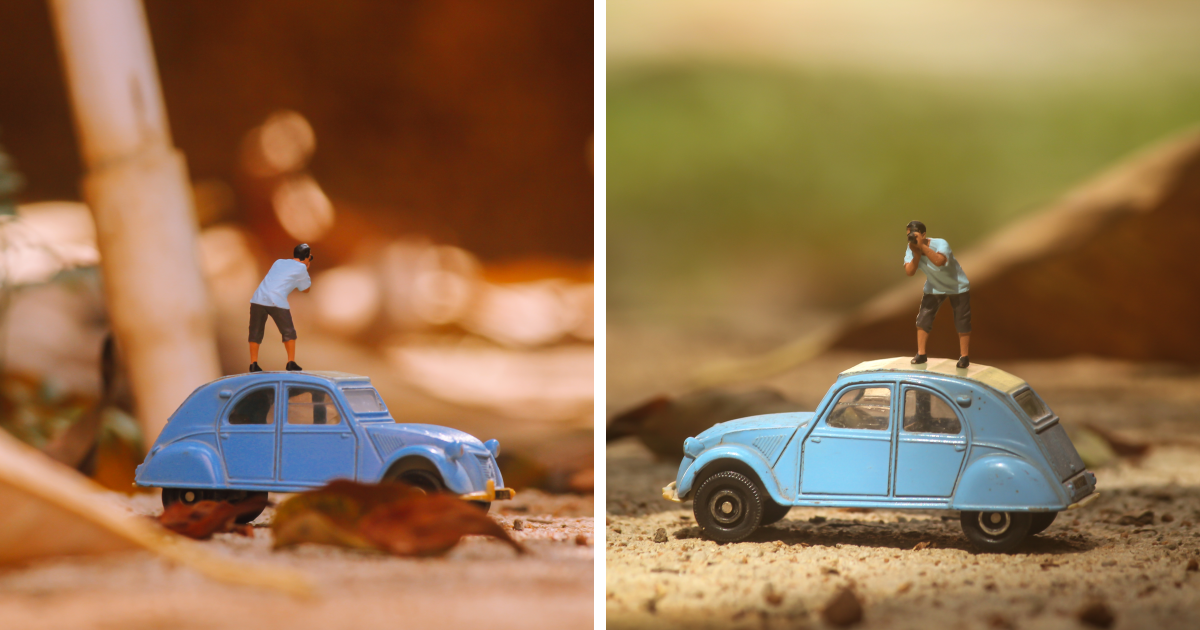
Few things create a blast from the past faster than old technology. A flip phone. A Game Boy. A camcorder. A stack of burned CDs with handwriting on them. A desktop computer that sounded like it was contacting a distant alien civilization every time it connected to the internet.
Technology changes so quickly that yesterday’s essentials become today’s museum pieces. In the early 2000s, many Americans were still adjusting to the internet becoming a normal part of daily life. Today, internet use is nearly universal among U.S. adults, and smartphones have turned maps, cameras, music libraries, calendars, flashlights, and panic-Googling machines into pocket-sized companions.
That speed of change makes old tech especially emotional. It reminds us of how we communicated, waited, listened, watched, and shared before everything became instant. There was a different kind of patience built into older technology. You waited for film to be developed. You rewound tapes. You printed directions. You called someone’s house and risked speaking to their parent, which was basically social skydiving.
Family Photos: Tiny Portals With Bad Haircuts
Family photographs may be the most common blasts from the past, and they are powerful because they combine visual proof with emotional mystery. A photo captures a second, but it also raises questions. Who took the picture? What happened before it? Why was Uncle Dave wearing that hat? Was there a sale? Was he okay?
Preserving family photos matters because these images are personal history. They document not just faces, but places, rituals, clothing, relationships, homes, holidays, and everyday life. A blurry backyard photo may not look important at first, but decades later it can reveal the shape of a childhood home, the people gathered around a table, or the small details nobody thought to write down.
How to Protect Your Own Blasts From the Past
If you have old family papers, photographs, letters, negatives, or keepsakes, treat them kindly. Store photos in protective sleeves or folders made for photographic materials. Keep originals away from damp basements, hot attics, direct sunlight, food, and mystery boxes labeled “miscellaneous” since 1997. Make digital copies, organize filenames clearly, and keep backups in more than one place.
Do not rely only on memory. Write names, dates, locations, and stories while someone still remembers them. Future relatives will thank you. Otherwise, they may spend 40 minutes staring at a picture and saying, “Is this Grandma’s cousin or the neighbor who borrowed the ladder?” Good captions turn old photos into family history instead of charming confusion.
Pop Culture Memories: Songs, Shows, Movies, and Shared Time
Pop culture is one of nostalgia’s favorite playgrounds. A song can bring back a summer. A sitcom can bring back a living room. A movie can bring back a sleepover, a first date, or the exact snack you ate while watching it. Entertainment memories are especially strong because they are often shared. We remember not only the show or song, but also the people who experienced it with us.
This is why reboots, reunion specials, anniversary tours, retro playlists, and vintage-inspired merchandise keep finding audiences. People enjoy reconnecting with familiar characters and sounds. Even when the reboot is not perfect, curiosity wins. We want to see what the old world looks like through today’s lens.
However, good nostalgia requires balance. Too much worship of the past can flatten it into a cartoon. The past had beauty, but it also had problems. The best “blast from the past” moments let us appreciate what was meaningful without pretending everything was better. Nostalgia should be a window, not a prison.
Why Part 1 Matters: Starting the Memory Hunt
Part 1 of any nostalgic journey begins with noticing. Before you can preserve, analyze, or celebrate the past, you have to pay attention to the objects and memories already around you. The old recipe book on the shelf. The photo album under the bed. The concert poster in the closet. The toy you kept for reasons you cannot fully explain but would defend in court.
These items are not random clutter when they carry stories. Of course, not every old receipt deserves a dramatic violin soundtrack. Some things can go. But the objects that spark memory, connection, identity, or family history deserve a second look. They may become the foundation of a personal archive, a family storytelling project, or simply a better-decorated shelf.
Questions to Ask When You Find an Old Object
When you discover something from the past, ask: What does this remind me of? Who is connected to it? Is there a story worth recording? Would someone else in the family or friend group care about this? Can I preserve it safely? Does it still bring joy, insight, laughter, or meaning?
These questions help separate meaningful nostalgia from ordinary clutter. A broken charger from 2011 may not deserve museum treatment. But a handwritten note from your grandfather, a childhood drawing, a first concert ticket, or a photo of your parents before you knew them as “parents” might be priceless in a way no appraisal can measure.
Experiences Related to “Blast From The Past: Part 1”
A real blast from the past often starts with something small. Imagine opening a closet and finding an old backpack from school. Inside, there is a pen that no longer works, a folded note, a keychain, and maybe a snack wrapper that has somehow achieved fossil status. None of these items seem important by themselves, yet together they recreate a world. You remember the hallway, the bell, the friend who always borrowed homework, and the feeling of believing summer vacation was an entire lifetime.
Another common experience happens with music. You hear a song you have not played in years, and the room changes. Suddenly you remember the car you rode in, the people who sang along, the weather outside, and the exact feeling of being younger. The song may not even be objectively great. It might be a cheesy pop hit with lyrics that sound like they were assembled by a committee wearing glitter. Still, it belongs to a specific emotional address in your memory, and when it plays, you are home for three minutes and forty seconds.
Food can do the same thing. A familiar smell from a kitchen can bring back holidays, school mornings, neighborhood barbecues, or the one dish a relative made better than anyone else. Recipes are edible archives. They preserve culture, family habits, regional identity, and tiny acts of love. Even a simple sandwich can become historic if it reminds you of someone who made it for you when you were small.
Photos create a different kind of experience because they show us evidence of time passing. Looking through old pictures can be hilarious, humbling, and surprisingly emotional. You laugh at the clothes, the wallpaper, the dramatic poses, and the hair decisions that clearly needed adult supervision. Then, without warning, you notice someone’s smile, a room that no longer exists, or a version of yourself you had almost forgotten. That is when nostalgia becomes more than entertainment. It becomes connection.
Old technology brings its own comedy. Finding a flip phone, cassette player, burned CD, disposable camera, or ancient gaming console can feel like discovering a relic from a tiny civilization that survived on batteries and patience. These objects remind us that convenience has changed, but so has attention. Older media required more effort, and that effort often made the experience feel special. You chose the CD. You labeled the tape. You waited for the photo. You listened to the whole album because skipping tracks was not always worth the trouble.
The best experience of a blast from the past is sharing it. Show an old photo to a sibling. Play a childhood song for a friend. Ask a parent about a mysterious person in a family album. Bring out an old board game at a gathering. Nostalgia becomes richer when it becomes conversation. One memory invites another, and soon everyone is laughing, correcting each other, arguing about details, and rebuilding a shared timeline one ridiculous story at a time.
Conclusion: The Past Is Not Finished With Us
Blast From The Past: Part 1 is a reminder that nostalgia is not just a mood. It is a way of understanding identity, culture, family, and change. The past returns through objects, songs, photos, fashion, technology, movies, toys, and recipes because people are storytelling creatures. We do not simply move through time; we collect evidence that we were here.
The goal is not to live in the past. The goal is to learn from it, laugh with it, preserve what matters, and carry the best parts forward. A good blast from the past should make you smile, think, and maybe finally label those old photos before everyone in them becomes “unknown person in large glasses.”
So open the box. Play the song. Scan the picture. Ask the question. The past may be dusty, but it still has excellent timing.