Thrift shopping used to follow a simple formula: enter with twenty dollars, leave with a lamp, three sweaters, a suspiciously elegant gravy boat, and enough confidence to launch a home-makeover show. Today, however, some shoppers are finding a different kind of surprisethe price tag.
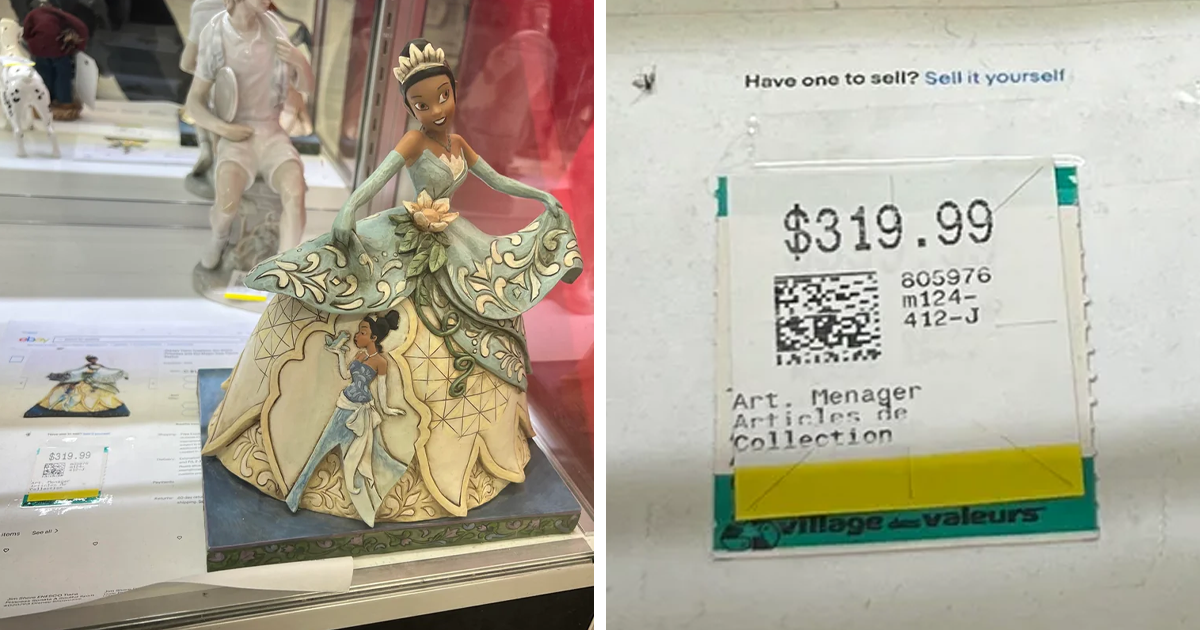
Across social media and bargain-hunting communities, people regularly share photos of donated merchandise priced at, near, or even above the cost of buying the same product brand-new. A chipped discount-store mug may receive a “collectible” price. A used storage basket may cost more than its identical twin down the street. A fast-fashion shirt can somehow become more expensive after acquiring two years of wear and somebody else’s deodorant history.
That does not mean every Goodwill or thrift store is overpriced. Goodwill Industries International supports a network of roughly 150 locally led organizations, and regional operations are autonomous, so pricing policies can differ considerably from one area to another. Sales also help fund employment, education, and community programs.
Still, when a secondhand object costs more than a new one, shoppers are entitled to ask the most important question in modern retail: “Did someone price this during a fever dream?”
Why Are Some Thrift-Store Prices So High?
The secondhand market is no longer a tiny retail corner
Thrifting has become mainstream. The U.S. Bureau of Labor Statistics began incorporating secondhand apparel into the Consumer Price Index in early 2025, reflecting how significant preowned clothing has become in household spending. Bain & Company has also reported that 42% of U.S. consumers bought secondhand clothing or accessories at least once during a recent 12-month period.
Industry research commissioned by ThredUp found that the U.S. secondhand apparel market grew 14% in 2024, five times faster than the broader retail clothing market. Its 2026 report said secondhand continued taking market share during 2025. Resale is no longer merely a Saturday hobby for people willing to dig through tangled hangers. It is a large, competitive marketplace with professional sellers, online auctions, pricing software, and shoppers who can recognize a valuable label from six aisles away.
Pricing systems cannot always recognize context
A regional Goodwill organization has explained that employees may receive computer-generated pricing ranges for broad categories. Its system provides several possible prices but does not automatically distinguish among brands. That can produce bargains when a quality brand is treated as ordinary, but it can also create absurdities when an ordinary item is treated like a boutique discovery.
Condition complicates matters further. A pricing guide might recognize “coffee maker,” but it may not recognize “coffee maker with a cracked lid, missing filter basket, unidentified residue, and the emotional aura of an abandoned office break room.”
Donated merchandise is not free to process
Although thrift organizations may receive goods without purchasing inventory, operating a store still requires employees, transportation, sorting, cleaning, utilities, rent, recycling, security, and disposal of unusable donations. Goodwill says revenue from donated goods supports local employment and skills programs, while unsold items may move to outlet stores, recycling channels, reuse markets, or other recovery systems.
Those costs help explain why merchandise cannot all be priced at fifty cents. They do not, however, explain why a used pasta-sauce jar occasionally receives a price tag higher than the sauce originally cost.
50 Thrift Items Shoppers Say Can Cost More Than New
The following examples reflect the kinds of mismatches frequently noticed by secondhand shoppers. Exact prices vary by store, region, condition, promotions, and current retail discounts.
- Dollar-store coffee mugs: A basic used mug may be tagged for several dollars even when similar new mugs are cheaper at discount retailers.
- Promotional mugs: Free corporate giveaways sometimes reappear as “vintage drinkware,” apparently after completing an advanced degree in appreciation.
- Used glass jars: Empty food jars can cost more than buying the original product and bravely eating the contents yourself.
- Plastic food containers: Scratched containers without matching lids may be priced near the cost of complete new sets.
- Reusable water bottles: Bottles with worn mouthpieces and mysterious odors sometimes compete directly with factory-new versions.
- Gift bags: Bent bags with someone else’s birthday message can be tagged higher than fresh multipacks.
- Wrapping-paper remnants: A partial roll may cost nearly as much as a full roll at a seasonal sale.
- Plastic storage bins: Warped bins without lids occasionally cost more than new bins sold during home-organization promotions.
- Wire baskets: Ordinary baskets can receive “farmhouse décor” pricing despite being identical to low-cost retail models.
- Laundry baskets: Cracked handles do not always prevent a basket from being priced as though it includes laundry service.
- Picture frames: Lightweight composite frames may cost more used than new frames from craft-store sales.
- Candleholders: Mass-produced holders can be priced like handcrafted décor once the original sticker disappears.
- Partially burned candles: Yes, shoppers have encountered candles priced after someone else already enjoyed half the product.
- Artificial plants: Dusty plastic greenery may be tagged above the price of a clean new plantwithout even offering emotional support.
- Seasonal decorations: Used ornaments and foam pumpkins can exceed post-holiday clearance prices.
- Wall signs: A wooden plaque reading “Live, Laugh, Love” may cost more secondhand, although “Budget, Compare, Leave” would be more helpful.
- Chipped dinner plates: Individual plates from inexpensive sets are sometimes priced high enough that rebuilding the set becomes a financial expedition.
- Cloudy drinking glasses: Hard-water stains do not necessarily stop ordinary glasses from receiving premium tags.
- Used flatware: Mismatched forks and spoons may cost more per piece than a complete entry-level set.
- Old baking sheets: Heavily stained pans can approach the price of new nonstick versions.
- Scratched frying pans: Damaged coatings can make a pan less useful and potentially less desirable, yet the price may suggest culinary greatness.
- Slow cookers missing lids: Replacement lids can eliminate any savings before the first stew begins.
- Toasters filled with crumbs: Low-cost new toasters frequently go on sale for less than older used models.
- Basic coffee makers: Missing carafes, filters, or water reservoirs turn a “deal” into a scavenger hunt.
- Blenders without accessories: A cheap tag is not cheap after purchasing a replacement pitcher, gasket, blade, and patience.
- Electric kettles: Mineral buildup and unknown electrical history should reduce value, not inspire prestige pricing.
- Vacuum cleaners: Used vacuums can cost more than sale-priced new models while including a complimentary collection of somebody else’s carpet.
- Table lamps without shades: Once a shade and possibly new wiring are added, the thrift bargain may become a luxury lighting project.
- Extension cords: Older cords with damaged insulation may be overpriced and unsafe.
- Power strips: A worn power strip should not be compared only by price; age, damage, grounding, and recall status matter.
- Generic phone chargers: Used cables may be priced near new certified replacements despite frayed ends or uncertain compatibility.
- Old phone cases: Cases for outdated devices sometimes remain priced as though the phones themselves are returning from retirement.
- Wired earbuds: Hygiene questions alone should prevent used earbuds from costing more than sealed alternatives.
- Computer keyboards: Missing keys, sticky switches, and crumbs from three presidential administrations rarely justify a premium.
- Inkjet printers: A low purchase price can hide dried printheads, missing cartridges, and replacement ink that costs approximately one private island.
- DVD players: Old players may be priced above new compact models with updated connections and warranties.
- Fast-fashion T-shirts: A visibly worn shirt from an inexpensive brand can receive a thrift tag above its original clearance price.
- Basic leggings: Pilling, stretched waistbands, and fading sometimes coexist with surprisingly ambitious prices.
- Generic jeans: Used jeans from budget retailers may cost more than new pairs during routine sales.
- Worn sneakers: Flattened cushioning and sole wear significantly reduce useful life, even when the brand name remains visible.
- Costume jewelry: Tarnished mass-market pieces can be placed behind glass and priced as though security automatically creates value.
- Vinyl handbags: Peeling synthetic material may be priced above new budget bags with intact straps and return policies.
- Belts: Cracked faux leather can receive a “vintage” interpretation that the material itself strongly disputes.
- Children’s pajamas: Used basics may cost more than multipacks purchased during department-store sales.
- Stuffed animals: Common plush toys sometimes cost more than new ones, with no discount for the mystery of their previous adventures.
- Board games: A price comparison means little until every card, token, spinner, and tiny plastic goat has been counted.
- Jigsaw puzzles: Paying above retail for a puzzle that may be missing one piece is an unusually literal form of incomplete value.
- Paperback books: Common titles may cost more than discounted new copies or library-sale editions.
- School binders: Bent rings and writing inside the cover sometimes fail to produce the expected secondhand discount.
- Baby gear and safety products: Car seats, cribs, helmets, and similar items can be not only overpriced but risky when their history, condition, expiration, or recall status is unknown.
Overpriced Is Annoying; Unsafe Is Worse
A ridiculous price tag may create a funny photograph, but some secondhand mistakes have serious consequences. The U.S. Consumer Product Safety Commission states that federal safety rules apply to thrift stores, charities, consignment sellers, flea markets, and other resellers. Selling recalled products is illegal, and consumers are encouraged to check recall databases before buying used goods.
Consumer Reports recommends particular caution with secondhand car seats, cribs, bassinets, baby formula, and other products where contamination, missing parts, recalls, expiration, or accident history may be impossible to verify. It also advises carefully inspecting used furniture for structural damage and signs of pests.
The Federal Trade Commission has separately identified deceptive practices involving used or rebuilt merchandise as potential violations of federal consumer-protection law. For online resale purchases, the FTC recommends reviewing refund rules, seller information, payment protections, and the process for handling problems before buying.
How to Avoid Paying the “Thrift Grift” Premium
Check the current new price
Search the brand, model number, barcode, or a short product description before heading to the register. Compare the thrift price with the actual selling price, not an inflated manufacturer’s suggested retail price that almost nobody pays.
Include missing parts in your calculation
A $12 appliance needing a $20 replacement part is not a $12 appliance. It is a $32 appliance wearing a tiny disguise.
Inspect condition under bright light
Look for stains, cracks, odors, loose wiring, corrosion, worn soles, damaged coatings, pests, missing fasteners, and evidence of water damage. Consumer Reports similarly recommends close inspection rather than assuming every secondhand purchase automatically saves money.
Understand the return policy
Many thrift stores sell merchandise as-is or offer only exchanges or store credit. A slightly higher new price may provide better value when it includes a warranty, complete accessories, easy returns, and a known safety history.
Use sale days strategically
Color-tag promotions, senior discounts, student discounts, loyalty programs, outlet locations, and end-of-week markdowns can transform an unreasonable sticker into a sensible purchase. Goodwill notes that merchandise that does not sell through initial channels may eventually move to outlets where items are often sold at lower prices or by weight.
Leave without guilt
Finding an item does not create an obligation to rescue it. The most profitable thrift-store purchase is sometimes the one you photograph, laugh about, and return gently to the shelf.
Why Secondhand Shopping Is Still Worth Supporting
Overpricing deserves criticism, but it should not erase the broader value of reuse. The Environmental Protection Agency identifies reduction and reuse as highly effective ways to conserve resources, reduce waste, and save money. Keeping clothing, furniture, appliances, and household goods in circulation can delay disposal and reduce demand for additional manufacturing.
Goodwill says purchases support community-based services and help keep reusable goods in circulation. The U.S. Census Bureau has highlighted estimates of approximately 20,000 used-merchandise businesses generating about $15 billion in annual revenue, demonstrating that secondhand retail is both an environmental practice and a substantial economic sector.
The solution is not to abandon thrift stores. It is to shop with the same price awareness used anywhere else. A donation-based business can perform valuable community work and still place an unreasonable sticker on a plastic salad bowl. Both statements can be true at the same time.
Experiences From the Thrift Aisles: Five Lessons Shoppers Learn the Hard Way
The first great thrift-store lesson is that excitement interferes with arithmetic. You spot a charming lamp across the furniture section, imagine it illuminating your perfect reading corner, and mentally purchase it before checking the cord, shade, switch, or price. Then you discover that the lamp costs $24.99, needs rewiring, and has no shade. A new lamp with a warranty costs $19.99 nearby. The treasure-hunting brain whispers, “But this one has character.” The checking-account brain replies, “It has exposed copper.”
The second lesson is that original stickers are the heroes of thrift-store comedy. Few experiences compare with turning over a donated object and finding a retail sticker beneath the thrift tag. A storage container may show an original price of $3 while the secondhand sticker requests $5.99. A decorative sign may still carry a clearance label lower than its new price. At that moment, the item stops being merchandise and becomes physical evidence in a very small financial investigation.
The third lesson is that brand recognition can overwhelm condition. Shoppers often encounter shoes, jackets, and bags priced primarily around a visible logo. Yet a famous name does not restore worn cushioning, repair split seams, remove odors, or reverse peeling synthetic leather. A premium brand in poor condition may offer less practical value than an inexpensive new product. The logo cannot hold the sole together through positive thinking.
The fourth lesson is that bargains require patience rather than loyalty to a single store. One location may price basic shirts aggressively while another sells similar clothing for half as much. Independent charity shops, church rummage sales, library sales, estate sales, nonprofit resale stores, neighborhood marketplaces, and outlet locations can all produce different results. Because Goodwill organizations are locally operated, even stores sharing the same familiar blue logo may use different promotions, pricing structures, and merchandise channels. A frustrating visit to one branch does not describe the entire secondhand market.
The fifth lesson is that the best thrift experience combines curiosity with discipline. Pick up the strange ceramic rooster. Examine the velvet blazer. Open the board-game box. Search the appliance model number. Count the puzzle pieces if you possess the courage and several free hours. But remain willing to walk away.
Thrift shopping should reward observation, creativity, and flexibility. It should not depend on assuming every used product is automatically economical. Some finds are extraordinary: solid wood furniture, quality cookware, uncommon books, durable vintage clothing, and unique décor at a fraction of replacement cost. Other finds are a used pickle jar wearing a $4.99 sticker.
The difference between treasure and “good grief” is rarely the store name alone. It is the relationship among price, condition, safety, usefulness, and available alternatives. Compare all five, keep your sense of humor, and remember: just because an item survived one household does not mean it deserves a promotion.